
Starting your Jeep Grand Cherokee with a key is straightforward once you know the right steps. Whether you’re using a traditional key or a key fob, this guide covers everything from ignition basics to troubleshooting common issues. Follow these proven methods to ensure a reliable start every time.
Starting your Jeep Grand Cherokee with a key might seem simple, but there’s more to it than just turning a switch. Whether you’re driving a classic model with a traditional ignition cylinder or a newer version with a key fob and push-button start, understanding the correct procedure ensures reliability and prevents unnecessary wear on your vehicle. Over the years, Jeep has evolved its starting systems, blending mechanical simplicity with modern convenience. But no matter the year or trim, the core principle remains: get the engine running safely and efficiently.
This guide walks you through every step of starting your Jeep Grand Cherokee with a key—whether it’s a physical metal key, a remote key fob, or a combination of both. We’ll cover older models that rely solely on a key turn, as well as newer ones that use advanced electronics. You’ll also learn how to handle common problems like a dead key fob battery, a stuck ignition, or a vehicle that won’t recognize the key. By the end, you’ll feel confident starting your Grand Cherokee in any situation—rain or shine, battery low or full.
In This Article
- 1 Key Takeaways
- 2 📑 Table of Contents
- 3 Understanding Your Jeep Grand Cherokee Key System
- 4 Starting Older Models with a Physical Key
- 5 Using a Key Fob to Start Your Grand Cherokee
- 6 Emergency Starting: What to Do When the Key Fob Dies
- 7 Troubleshooting Common Starting Issues
- 8 Maintenance Tips to Ensure Reliable Starts
- 9 Conclusion
- 10 Frequently Asked Questions
- 10.1 Can I start my Jeep Grand Cherokee without a key fob?
- 10.2 Why won’t my Jeep Grand Cherokee start even with the key in?
- 10.3 How do I replace the battery in my Jeep key fob?
- 10.4 What does “Key Not Detected” mean?
- 10.5 Can I use a spare key to start my Grand Cherokee?
- 10.6 How often should I replace my key fob battery?
Key Takeaways
- Know your key type: Jeep Grand Cherokee models use either a physical key, key fob, or push-button start—understanding your setup is the first step.
- Proper key insertion matters: Insert the key fully into the ignition and turn smoothly to avoid damaging the cylinder.
- Battery health affects starting: A weak key fob or vehicle battery can prevent the engine from cranking—check both regularly.
- Use the brake pedal correctly: Most modern models require pressing the brake before starting with a key fob or push-button.
- Emergency starting procedures exist: If the key fob dies, use the hidden physical key or backup starting method inside the vehicle.
- Regular maintenance prevents issues: Keep the ignition clean and replace worn keys to avoid starting problems.
- Consult your owner’s manual: Model years vary—always refer to your specific Grand Cherokee’s manual for exact instructions.
📑 Table of Contents
Understanding Your Jeep Grand Cherokee Key System
Before you even touch the key, it’s important to know what kind of key system your Jeep Grand Cherokee uses. Jeep has made several changes over the decades, so your experience may vary depending on the model year. Generally, there are three main types of key systems found in Grand Cherokees: the traditional key-and-cylinder ignition, the key fob with remote start, and the push-button start with proximity sensing.
The oldest Grand Cherokee models—typically from the 1990s to early 2000s—use a standard metal key that you insert into a physical ignition switch on the steering column. These systems are simple and reliable, requiring no electronics to function. You insert the key, turn it to the “Start” position, and the engine cranks. However, they lack modern conveniences like remote locking or push-button ignition.
Starting in the mid-2000s, Jeep began introducing key fobs with remote locking and unlocking capabilities. These fobs still used a physical key for ignition but added electronic features like panic alarms and trunk release. Around 2011, Jeep transitioned to the Sentry Key Immobilizer System (SKIS), which requires the key fob to be present inside the vehicle to start the engine. This system uses a transponder chip in the key that communicates with the vehicle’s computer.
By 2014 and later models, many Grand Cherokees came equipped with push-button start and keyless entry. In these vehicles, you don’t need to insert a key at all—just carry the fob in your pocket or bag, press the brake pedal, and hit the start button. However, even these models include a hidden physical key blade inside the fob for emergency use, such as unlocking the door if the fob battery dies.
Understanding your key type is crucial because it determines the starting procedure. A 2005 Grand Cherokee Laredo with a metal key will start very differently from a 2020 Limited with push-button ignition. Always check your owner’s manual or look for clues like a start button on the dashboard or a key slot on the steering column. This knowledge not only helps you start the vehicle correctly but also prepares you for troubleshooting if something goes wrong.
Starting Older Models with a Physical Key
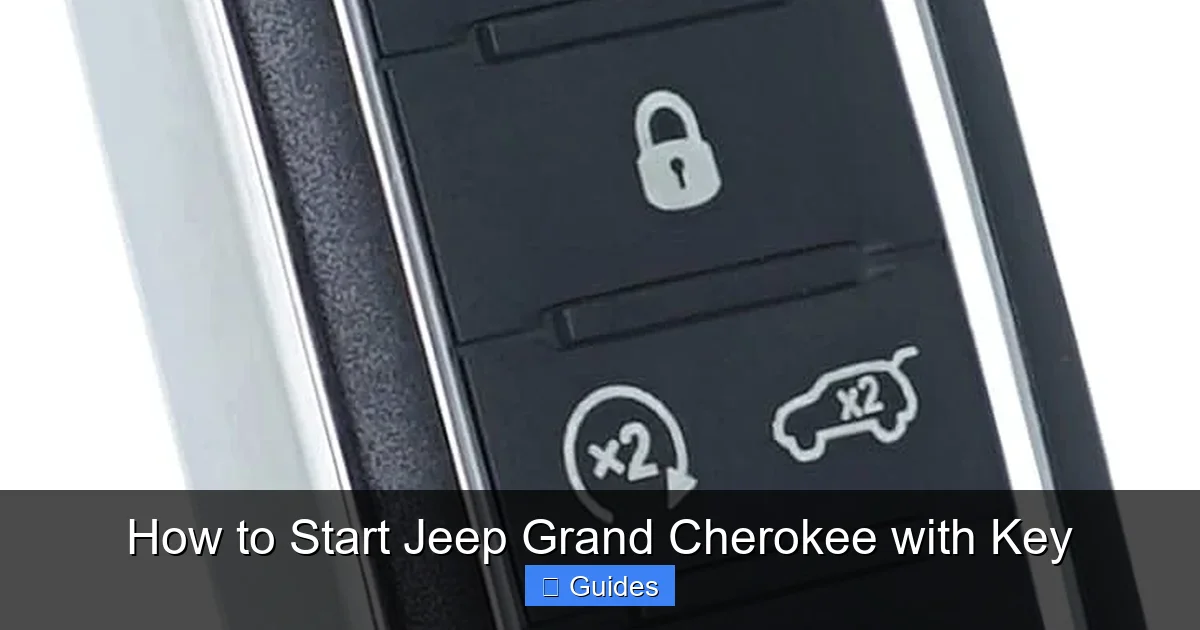
Visual guide about How to Start Jeep Grand Cherokee with Key
Image source: m.media-amazon.com
If you own a Jeep Grand Cherokee from the 1990s or early 2000s, chances are you’re using a traditional metal key to start the engine. These models feature a mechanical ignition switch located on the right side of the steering column. Starting the vehicle is a straightforward process, but it requires attention to detail to avoid damaging the ignition cylinder or causing wear over time.
To begin, ensure the vehicle is in “Park” (for automatic transmissions) or “Neutral” (for manuals) and that the parking brake is engaged. This prevents the vehicle from lurching forward when the engine starts. Next, locate the ignition switch—it’s a small, round slot typically marked with positions like “Off,” “Accessory,” “On,” and “Start.” Insert the key fully into the slot. You should feel it seat properly without forcing it.
Now, turn the key clockwise in a smooth, steady motion. Don’t jerk or twist too hard—this can bend the key or damage the internal components. As you turn, you’ll pass through the “Accessory” position (which powers lights and radio), then the “On” position (which activates the dashboard and fuel system), and finally reach “Start.” At this point, the starter motor engages, and the engine should crank and fire up. Once the engine is running, release the key. It will automatically return to the “On” position.
One common mistake is holding the key in the “Start” position too long after the engine has started. This can overheat the starter motor and drain the battery. As soon as you hear the engine catch, let go of the key. Also, avoid starting the vehicle in extreme cold without allowing the glow plugs (in diesel models) or fuel system to prime—this is especially important in winter months.
If the key feels stiff or won’t turn, don’t force it. This could indicate a worn key, a dirty ignition cylinder, or a steering wheel lock issue. Try jiggling the steering wheel slightly while turning the key—sometimes the wheel locks in place and needs a little movement to release. You can also use a small amount of graphite lubricant (never oil) in the keyhole to reduce friction.
For added security, always remove the key when exiting the vehicle and lock the doors manually. Older Grand Cherokees don’t have automatic locks, so this step is essential to prevent theft. Keep a spare key in a safe place, and consider getting a key replacement from a locksmith or dealership if your current key shows signs of wear.
Using a Key Fob to Start Your Grand Cherokee
Visual guide about How to Start Jeep Grand Cherokee with Key
Image source: i.ytimg.com
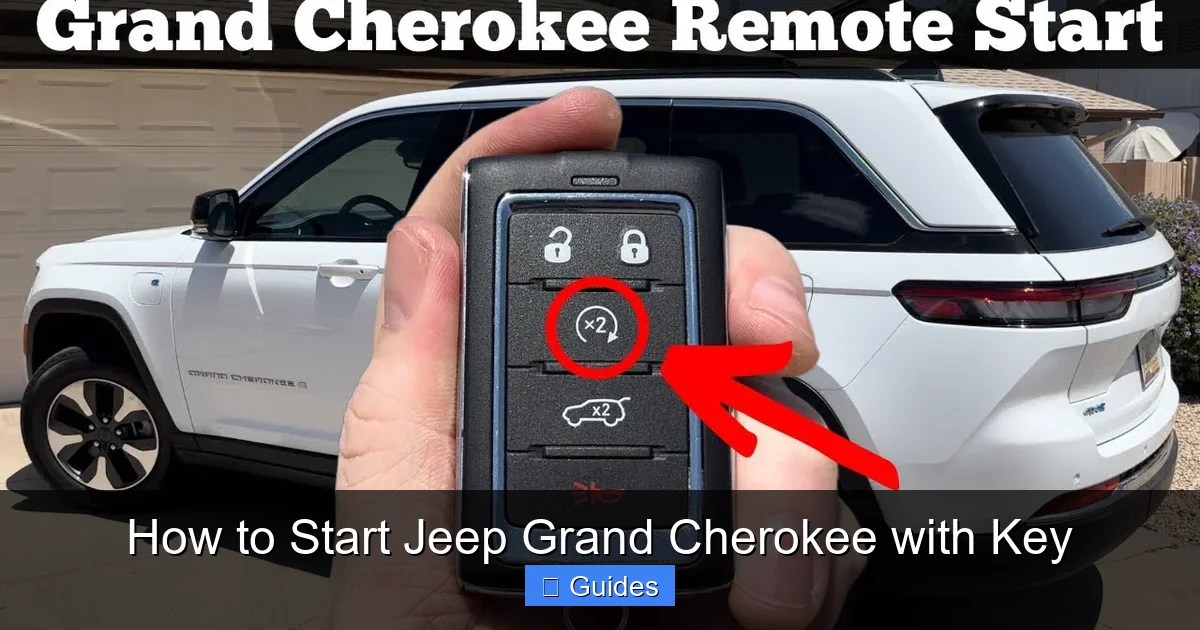
Starting a Jeep Grand Cherokee with a key fob is a blend of convenience and technology. Most models from the mid-2000s onward use a key fob that combines remote locking with ignition functionality. While you still insert the fob into the ignition or use a start button, the fob communicates electronically with the vehicle to authorize the start. This system enhances security and reduces the risk of theft.
The process begins with ensuring the key fob is inside the vehicle. Modern Grand Cherokees use a proximity sensor that detects the fob as long as it’s within a few feet of the cabin. However, some older fob models require you to insert the fob into a designated slot—usually located on the steering column or center console. Look for a small, illuminated circle or slot labeled “Key Fob” or “Start.”
Once the fob is in place, press the brake pedal firmly with your foot. This is a critical step—most Grand Cherokees won’t start unless the brake is pressed, even if you’re using a key fob. This safety feature prevents accidental starts while the vehicle is in gear. After pressing the brake, turn the key fob clockwise to the “Start” position. You’ll hear the engine crank, and if everything is working correctly, it should start within a few seconds.
If your model has a push-button start, the process is even simpler. With the fob inside the vehicle and the brake pressed, simply press the “Start/Stop” button on the dashboard. The button is usually marked with a circular arrow or the word “Start.” No key insertion is needed—just presence detection and brake input.
One common issue with key fobs is a weak or dead battery. If the fob battery is low, the vehicle may not detect it, even if it’s inside the cabin. Symptoms include the dashboard showing a “Key Not Detected” message or the engine failing to start despite pressing the button. To fix this, replace the fob battery (usually a CR2032 coin cell) or use the emergency starting method described later in this guide.
Another tip: avoid placing the key fob near metal objects or electronic devices like phones or tablets. These can interfere with the signal and prevent the vehicle from recognizing the fob. Also, don’t leave the fob in direct sunlight for long periods—heat can damage the internal electronics.
For added convenience, many key fobs include a remote start feature. Press the lock button twice, then hold the remote start button (usually a circular arrow) for a few seconds. The vehicle will start from up to 300 feet away, allowing you to warm up the engine or cool the cabin before entering. This is especially useful in extreme weather.
Emergency Starting: What to Do When the Key Fob Dies
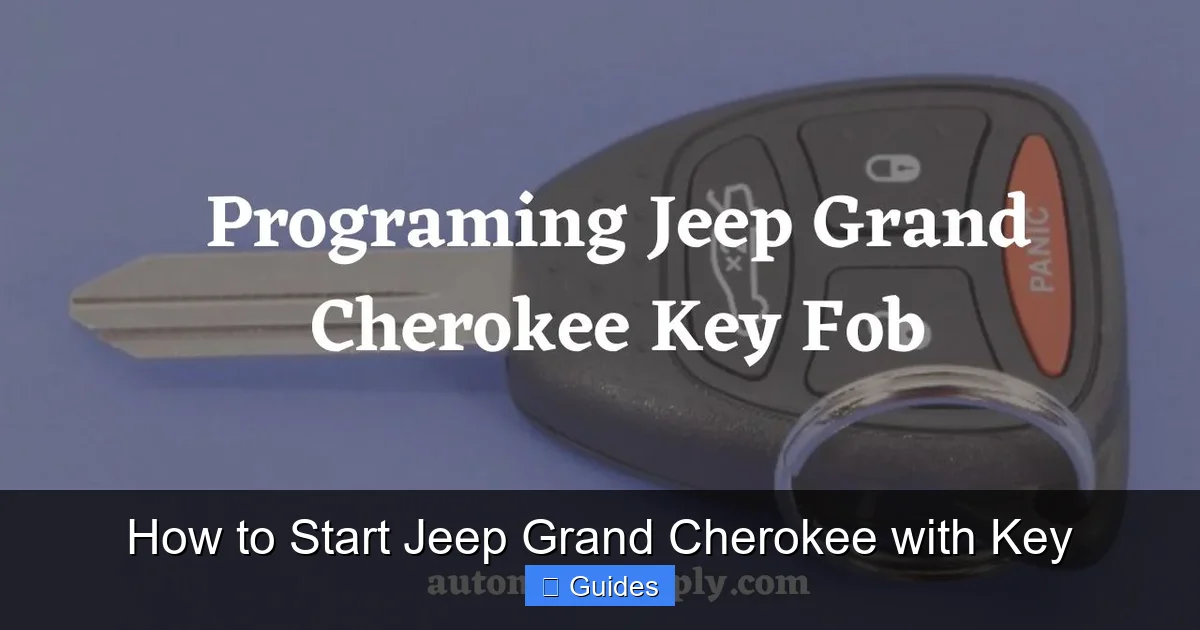
Visual guide about How to Start Jeep Grand Cherokee with Key
Image source: automadesimply.com
Even the most reliable key fobs can fail—especially when the battery dies at the worst possible moment. If your Jeep Grand Cherokee won’t start because the key fob has no power, don’t panic. Jeep has built-in emergency procedures to help you get back on the road.
The first step is to locate the hidden physical key inside the fob. Most modern key fobs have a small release button or slider on the side. Press it to eject a slim metal key blade. This key is designed for emergency door unlocking and, in some cases, ignition use.
To unlock the door, find the keyhole on the driver’s side door handle. It’s often hidden behind a small cover that you can pry open with a flathead screwdriver or the key itself. Insert the metal key and turn it to unlock the door. Once inside, you’ll need to start the vehicle without a functioning fob.
For models with a push-button start, look for a backup starting method. Many Grand Cherokees have a “fob slot” near the start button or on the steering column. Insert the entire key fob (even with a dead battery) into this slot. The vehicle uses inductive charging to read the fob’s transponder chip, allowing you to start the engine. Press the brake and hit the start button as usual.
If your model doesn’t have a fob slot, try placing the dead fob directly against the start button while pressing it. Some systems can detect the fob through proximity, even with a weak battery. You may need to hold the fob in place for a few seconds.
Another emergency option is using the physical key in the ignition cylinder. On some models, the key fob can be removed to reveal a traditional key blade. Insert this key into the ignition and turn it to start the engine manually. This method works best on older or base-trim models.
Always carry a spare key fob battery (CR2032) in your glove compartment. Replacing the battery takes just a few minutes and can save you from being stranded. Also, consider keeping a spare fob programmed and stored at home or with a trusted friend.
Troubleshooting Common Starting Issues
Even with the right key and procedure, starting problems can occur. Understanding common issues and how to fix them can save you time, money, and frustration. Here are some of the most frequent problems Jeep Grand Cherokee owners face when trying to start their vehicle with a key.
One of the most common issues is a “No Start – No Crank” condition. The engine doesn’t turn over at all when you turn the key or press the start button. This could be due to a dead battery, a faulty starter motor, or a bad ignition switch. First, check the battery voltage with a multimeter—it should read at least 12.4 volts. If it’s lower, try jump-starting the vehicle or replacing the battery.
If the battery is fine but the starter doesn’t engage, listen for a clicking sound. A single loud click usually indicates a bad starter solenoid, while rapid clicking suggests a weak battery. In either case, have the starter system inspected by a mechanic.
Another issue is the “Key Not Detected” message. This happens when the vehicle can’t read the transponder chip in the fob. Causes include a dead fob battery, interference, or a faulty antenna. Try replacing the fob battery or using the emergency starting method. If the problem persists, the vehicle’s immobilizer system may need reprogramming.
A stiff or stuck ignition cylinder is another common complaint. Over time, dirt, debris, or worn components can make the key hard to turn. Avoid using oil-based lubricants—they attract grime. Instead, use a dry graphite spray designed for locks. Insert the key and turn it gently while spraying into the cylinder.
If the engine cranks but won’t start, the issue may be fuel-related. Check the fuel pump, fuel filter, and spark plugs. A clogged fuel filter or failing pump can prevent fuel from reaching the engine. Also, ensure the fuel cap is tight—a loose cap can trigger the check engine light and affect performance.
Finally, software glitches can sometimes prevent starting. Modern Grand Cherokees rely on complex computer systems. If all else fails, try disconnecting the battery for 10 minutes to reset the vehicle’s electronics. Reconnect it and attempt to start the engine again.
Maintenance Tips to Ensure Reliable Starts
Preventing starting problems is easier than fixing them. Regular maintenance of your key, fob, and ignition system can keep your Jeep Grand Cherokee starting smoothly for years. Here are some practical tips to follow.
First, inspect your key regularly for signs of wear. Bent, chipped, or worn keys can damage the ignition cylinder. If your key looks damaged, get a replacement from a dealership or locksmith. Avoid using aftermarket keys—they may not have the correct transponder chip.
Keep the ignition cylinder clean. Over time, dust and debris can accumulate, making the key hard to turn. Use compressed air to blow out the slot, followed by a small amount of graphite lubricant. Never use WD-40 or oil—they can gum up the mechanism.
Replace the key fob battery every 1–2 years, even if it seems to be working. A weak battery can cause intermittent issues. When replacing, handle the fob carefully to avoid damaging the internal circuit board.
Store your key fob properly. Avoid leaving it in hot cars, near microwaves, or in direct sunlight. These conditions can degrade the battery and electronics. Also, keep it away from other electronic devices to prevent signal interference.
If you have a push-button start model, clean the start button periodically. Dirt and grime can build up and affect the sensor. Use a soft cloth and mild cleaner—avoid harsh chemicals that could damage the surface.
Finally, follow your owner’s maintenance schedule. Regular inspections of the battery, starter, and ignition system can catch problems early. If you notice any unusual behavior—like slow cranking or intermittent starting—have it checked by a professional.
Conclusion
Starting your Jeep Grand Cherokee with a key is a skill every owner should master. Whether you’re using a traditional metal key, a key fob, or a push-button system, the process is designed to be safe and reliable. By understanding your vehicle’s key type, following the correct procedure, and knowing how to handle emergencies, you can ensure a smooth start every time.
Remember to maintain your keys and fobs, keep spare batteries on hand, and consult your owner’s manual for model-specific instructions. With these tips, you’ll avoid common pitfalls and enjoy the confidence that comes with knowing your Grand Cherokee will start when you need it most.
Frequently Asked Questions
Can I start my Jeep Grand Cherokee without a key fob?
Yes, if your model has a physical key or emergency starting method. Use the hidden key blade to unlock the door and insert the fob into the backup slot or ignition to start the engine.
Why won’t my Jeep Grand Cherokee start even with the key in?
This could be due to a dead battery, faulty starter, or key fob issues. Check the battery voltage, listen for clicking sounds, and ensure the fob is detected by the vehicle.
How do I replace the battery in my Jeep key fob?
Locate the small release button or seam on the fob, pry it open with a flathead screwdriver, remove the old CR2032 battery, and insert a new one with the positive side up.
What does “Key Not Detected” mean?
This message appears when the vehicle can’t read the transponder chip in the fob. It’s usually caused by a dead battery, interference, or a faulty fob.
Can I use a spare key to start my Grand Cherokee?
Yes, as long as the spare key is properly programmed. Unprogrammed keys won’t work with the immobilizer system and will trigger a security warning.
How often should I replace my key fob battery?
Replace the battery every 1–2 years or when you notice reduced range or starting issues. Keeping a spare battery in your glove box is a good practice.

At CarLegit, we believe information should be clear, factual, and genuinely helpful. That’s why every guide, review, and update on our website is created with care, research, and a strong focus on user experience.