
Starting a Toyota Camry with a manual key is simple once you know the right steps—especially if your key fob battery dies or the electronic system fails. This guide walks you through everything from locating the hidden key slot to troubleshooting common issues, ensuring you’re never stranded. Whether you drive an older Camry or a newer model with push-button start, we’ve got you covered.
In This Article
- 1 Key Takeaways
- 2 📑 Table of Contents
- 3 Why You Might Need to Start Your Toyota Camry with a Manual Key
- 4 Understanding Your Toyota Camry’s Key System
- 5 Step-by-Step Guide: Starting a Toyota Camry with a Manual Key
- 6 Common Issues and Troubleshooting
- 7 Tips for Preventing Future Problems
- 8 When to Call a Professional
- 9 Conclusion
- 10 Frequently Asked Questions
- 10.1 Can I start a 2023 Toyota Camry with a manual key?
- 10.2 Where is the manual key slot on a Toyota Camry?
- 10.3 What if my manual key doesn’t turn the ignition?
- 10.4 Do I need the key fob to start the car with a manual key?
- 10.5 How often should I replace my key fob battery?
- 10.6 Can I get a replacement manual key from Toyota?
Key Takeaways
- Manual keys work on most Toyota Camry models: Even newer Camrys with smart keys include a physical backup key for emergencies.
- Locate the hidden key slot near the driver’s door: On push-button start models, the key slot is often disguised behind a small cover or inside the door handle.
- Turn the ignition using the manual key: Insert the key fully and turn it clockwise to start the engine, just like older vehicles.
- Replace dead key fob batteries promptly: A weak fob can prevent electronic starting, making the manual key essential.
- Keep your manual key accessible: Store it separately from your key fob so you’re never caught off guard.
- Practice the process before an emergency: Knowing how to use the manual key saves time and stress during unexpected situations.
- Consult your owner’s manual for model-specific details: Toyota designs vary slightly by year and trim level.
📑 Table of Contents
Why You Might Need to Start Your Toyota Camry with a Manual Key
Imagine this: You’re running late for work, you grab your keys, press the start button—and nothing happens. Your Toyota Camry won’t start. You check the key fob… dead battery. Or maybe the car’s electronics are glitching. Suddenly, you remember there’s a physical key tucked away somewhere. But where? And how do you even use it?
Don’t panic. Every Toyota Camry—even the sleek, tech-packed models with push-button ignition—comes equipped with a manual key as a backup. It’s Toyota’s way of ensuring you’re never truly locked out or stranded. Whether you drive a 2005 Camry or a 2023 model, knowing how to start your car with a manual key is a vital skill.
Modern vehicles rely heavily on electronics, but mechanical backups still exist for good reason. Key fobs can lose power, get damaged, or simply stop communicating with the car. In those moments, the humble metal key becomes your lifeline. And while it might seem old-school, using a manual key is often faster and more reliable than waiting for roadside assistance.
This guide will walk you through the entire process—from finding the hidden key slot to turning the ignition and getting back on the road. We’ll cover older models with traditional key ignitions and newer ones with push-button start systems. You’ll also learn how to maintain your keys, troubleshoot common issues, and avoid future headaches.
Understanding Your Toyota Camry’s Key System
Visual guide about How to Start Toyota Camry with Manual Key
Image source: m.media-amazon.com
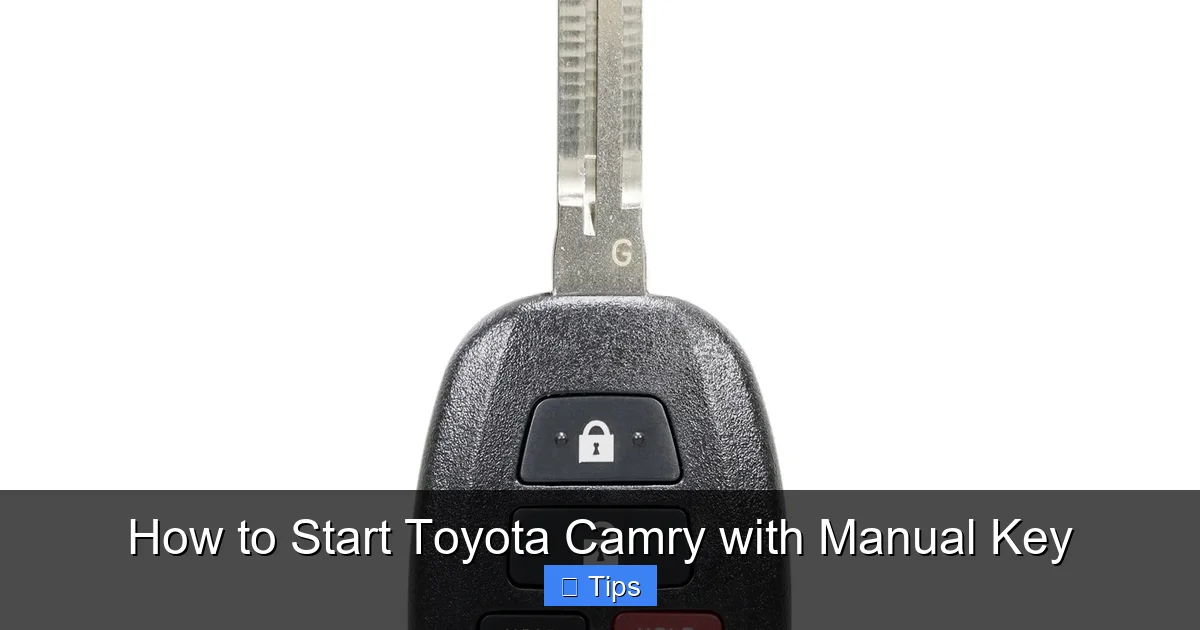
Before diving into the steps, it helps to understand how Toyota’s key system works. Over the years, the Camry has evolved from simple metal keys to advanced smart keys with remote start, keyless entry, and push-button ignition. But no matter how high-tech the system gets, Toyota always includes a mechanical backup.
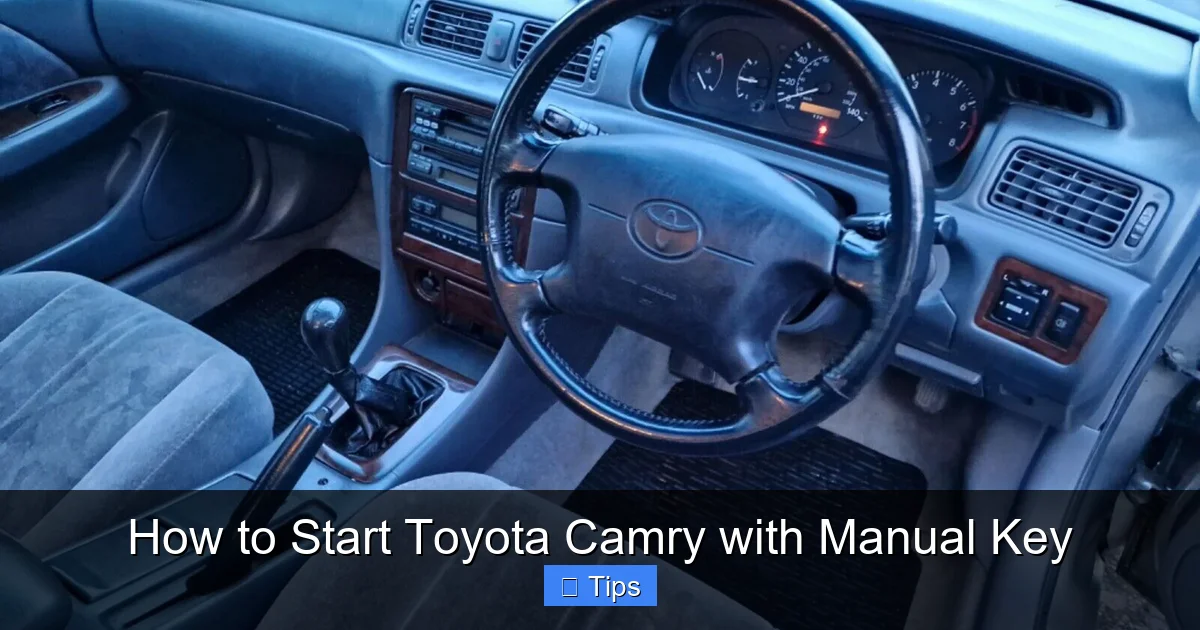
In older Camry models (typically 2017 and earlier), the ignition uses a traditional key cylinder. You insert the key, turn it, and the engine starts. These models often have a physical keyhole right in the steering column, making it easy to spot.
Newer Camrys (2018 and later) usually feature a push-button start system. Instead of a keyhole, there’s a button labeled “START/STOP” on the dashboard or center console. To use this, you need the key fob inside the car. But if the fob battery dies or the fob is lost, Toyota provides a hidden manual key and a concealed key slot.
This backup system is designed for emergencies. The manual key is typically stored inside the key fob itself. You pop open the fob, remove the small metal key, and use it to unlock the door and start the car. It’s a clever solution that blends modern convenience with old-school reliability.
Types of Toyota Camry Keys
Toyota offers several key types across different Camry generations:
– **Traditional Metal Key:** Found in older models (pre-2010), this key operates the door locks and ignition directly.
– **Key Fob with Remote Entry:** Common in 2010–2017 models, this fob has buttons to lock/unlock doors and a flip-out metal key for the ignition.
– **Smart Key (Keyless Entry):** Used in 2018 and newer models, this fob allows you to unlock the car by touching the door handle and start the engine with a button—no key insertion needed.
– **Emergency Manual Key:** Every smart key fob contains a small, removable metal key for backup use.
Even if your Camry has a smart key, you still have access to a manual key. It’s usually tucked inside the fob and labeled “Emergency Key” or “Mechanical Key.” This key is your fail-safe when electronics fail.
How the Manual Key Works
The manual key doesn’t start the car electronically—it mechanically unlocks the door and, in some cases, turns the ignition. On push-button models, inserting the key into a hidden slot allows you to turn the ignition cylinder manually, which then signals the car to start.
This process bypasses the smart key system entirely. It’s slower than pressing a button, but it works every time—even with a dead fob or dead car battery (as long as the manual key turns the ignition).
Understanding your key type is the first step to mastering the manual start process. Once you know what you’re working with, the rest becomes much easier.
Step-by-Step Guide: Starting a Toyota Camry with a Manual Key

Visual guide about How to Start Toyota Camry with Manual Key
Image source: carpursuits.com
Now that you know the basics, let’s walk through the actual process. Whether your Camry has a traditional ignition or a push-button start, these steps will get you moving.
Step 1: Retrieve the Manual Key
If you have a smart key fob, the manual key is hidden inside. Look for a small button or release tab on the side of the fob. Press it, and a small metal key will pop out. This is your emergency key.
For older fobs with a flip-out key, simply flip the key out from the side. If you have a traditional metal key, you’re already set.
Store this key in a safe place—like your wallet or a separate keychain—so it’s always available when needed.
Step 2: Unlock the Driver’s Door
On newer Camrys with keyless entry, the door handle may not respond if the fob is dead. That’s where the manual key comes in.
Look for a small cover on the driver’s door handle. It’s usually on the underside or side of the handle. Use your fingernail or a flat tool to gently pry it open. Behind it, you’ll find a keyhole.
Insert the manual key and turn it clockwise to unlock the door. Once unlocked, you can open the door normally.
Step 3: Locate the Ignition Key Slot
This is where things differ between models.
– **For older Camrys (traditional ignition):** The keyhole is in the steering column. Insert the key and turn it to the “ON” position, then to “START” to crank the engine.
– **For newer Camrys (push-button start):** There’s no visible keyhole. Instead, look for a small, covered slot near the steering column or center console. It’s often hidden behind a plastic cover labeled “KEY” or “EMERGENCY.”
If you can’t find it, check your owner’s manual. Toyota hides this slot in different places depending on the year and trim.
Step 4: Insert and Turn the Key
Once you’ve found the slot, insert the manual key fully. Turn it clockwise—just like a traditional key—until you hear the engine start.
On push-button models, turning the key may not physically crank the engine. Instead, it signals the car’s computer to activate the ignition system. You might need to hold the key in the “START” position for a few seconds.
If the engine doesn’t start immediately, don’t force it. Wait 10–15 seconds and try again. Sometimes the car needs a moment to recognize the manual input.
Step 5: Drive Safely
Once the engine is running, you can drive normally. However, keep in mind that some features—like keyless entry or remote start—won’t work until you replace the fob battery or resolve the issue.
Also, avoid turning the key back to “OFF” while driving. This could shut off the engine and disable power steering and brakes.
Step 6: Replace the Key Fob Battery
After starting the car manually, replace the key fob battery as soon as possible. Most Toyota fobs use a CR2032 coin battery, which costs under $5 and takes minutes to install.
Simply pop open the fob, remove the old battery, insert the new one (positive side up), and snap the fob back together. Your smart key will be fully functional again.
Common Issues and Troubleshooting
Visual guide about How to Start Toyota Camry with Manual Key
Image source: petrolblog.com
Even with a manual key, you might run into problems. Here are some common issues and how to fix them.
Key Won’t Turn in the Ignition
If the key feels stuck, don’t force it. This could damage the ignition cylinder. Instead:
– Wiggle the steering wheel gently. Sometimes the wheel lock engages, preventing the key from turning.
– Make sure the key is fully inserted and aligned properly.
– Try turning the key slowly and steadily—don’t rush.
If it still won’t turn, the ignition may be damaged. Contact a Toyota service center.
Door Won’t Unlock with Manual Key
If the key doesn’t unlock the door:
– Double-check that you’re using the correct key. Some fobs have multiple keys—make sure you’re using the emergency one.
– Clean the keyhole with compressed air. Dirt or debris can block the mechanism.
– Try lubricating the lock with a small amount of graphite spray (not oil, which attracts dirt).
If the lock is damaged, a locksmith or dealership can help.
Engine Starts but Car Won’t Move
In rare cases, the car may start but not respond to the accelerator. This could be due to a faulty immobilizer system.
The immobilizer prevents the engine from running unless it detects the correct key chip. When using a manual key, the chip may not be recognized.
To fix this:
– Hold the key fob (even if dead) close to the start button or ignition slot. The proximity may help the car detect the chip.
– Try starting the car with the fob in different positions (e.g., near the dashboard or center console).
– If that fails, you may need to reprogram the key or visit a dealer.
Manual Key is Lost or Broken
Losing your manual key is stressful, but not the end of the world.
– Check if you have a spare. Many people keep a backup key at home or with a trusted friend.
– If not, contact a Toyota dealership. They can cut a new key using your VIN and proof of ownership.
– Avoid aftermarket key cutters—they may not include the correct chip, preventing the car from starting.
Always keep your manual key in a safe, separate location. Consider storing it in a small lockbox or your wallet.
Tips for Preventing Future Problems
The best way to handle a manual key situation is to avoid it altogether. Here are some proactive tips:
Keep Your Key Fob Battery Fresh
Replace the battery every 1–2 years, or when you notice reduced range. A weak fob is the #1 reason people need to use the manual key.
Most fobs have a low-battery warning—listen for beeps or check the dashboard light. Don’t wait until it dies completely.
Store the Manual Key Separately
Don’t keep the manual key on the same keychain as your fob. If you lose the fob, you’ll lose the backup too.
Instead, store it in your wallet, glove compartment, or a small pouch. Label it clearly so you don’t forget what it’s for.
Practice the Process
Try starting your Camry with the manual key once when everything is working. This helps you locate the key slot and understand the steps.
Practice builds confidence and saves time during real emergencies.
Know Your Model’s Specifics
Toyota changes key designs slightly each year. Check your owner’s manual for exact instructions.
For example, some 2020 Camrys hide the key slot under the center console, while 2022 models place it near the steering column.
Consider a Key Fob Cover
A protective case can prevent damage to your fob and extend battery life. Look for one with a built-in battery tester.
When to Call a Professional
While the manual key is designed for DIY use, some situations require expert help.
Ignition Cylinder Damage
If the key turns but the engine won’t start, or if the key gets stuck, the ignition cylinder may be worn or broken. This requires professional repair.
Immobilizer System Failure
If the car starts but won’t stay running, the immobilizer may not recognize the key. A technician can reprogram the system or replace the key chip.
Lost or Stolen Keys
If you lose both the fob and manual key, contact Toyota immediately. They can disable the old keys and issue new ones with matching chips.
Never try to hot-wire your Camry—it’s illegal and can damage the electronics.
Conclusion
Starting a Toyota Camry with a manual key might seem like a throwback to the past, but it’s a smart, reliable backup that every driver should know how to use. Whether your key fob dies, your battery drains, or your car’s electronics glitch, the manual key ensures you’re never truly stuck.
From retrieving the hidden key to unlocking the door and turning the ignition, the process is straightforward once you know where to look. And with a little preparation—like keeping spare batteries and practicing the steps—you can avoid stress and get back on the road quickly.
Remember, your Camry’s manual key isn’t just a spare—it’s peace of mind. It’s Toyota’s way of saying, “We’ve got your back, no matter what.” So take a few minutes today to locate your key slot, test the process, and store your manual key safely. You’ll be glad you did the next time your fob lets you down.
Frequently Asked Questions
Can I start a 2023 Toyota Camry with a manual key?
Yes, even the 2023 Camry with push-button start includes a hidden manual key and ignition slot. You’ll need to use the emergency key stored inside the fob to unlock the door and turn the ignition manually.
Where is the manual key slot on a Toyota Camry?
The slot is usually hidden behind a small cover on the driver’s door handle or near the steering column. On newer models, it may be labeled “KEY” or located under the center console. Check your owner’s manual for the exact location.
What if my manual key doesn’t turn the ignition?
Don’t force it. Try wiggling the steering wheel, ensuring the key is fully inserted, or checking for debris in the lock. If it still won’t turn, the ignition cylinder may be damaged and needs professional repair.
Do I need the key fob to start the car with a manual key?
No. The manual key bypasses the fob entirely. However, on some models, holding the dead fob near the start button may help the immobilizer recognize the key chip.
How often should I replace my key fob battery?
Replace the battery every 1–2 years or when you notice reduced range. Most Toyota fobs use a CR2032 battery, which is inexpensive and easy to install.
Can I get a replacement manual key from Toyota?
Yes. Visit a Toyota dealership with your vehicle registration and ID. They can cut a new key using your VIN and program it to work with your car’s immobilizer system.

At CarLegit, we believe information should be clear, factual, and genuinely helpful. That’s why every guide, review, and update on our website is created with care, research, and a strong focus on user experience.