
Engine overheating can cause serious damage if not addressed quickly. Knowing how to tell if engine is damaged from overheating can save you from costly repairs and keep your car running safely. This guide covers warning signs, diagnostic steps, and preventive measures every driver should know.
In This Article
- 1 Key Takeaways
- 2 📑 Table of Contents
- 3 How to Tell If Engine Is Damaged from Overheating
- 4 Common Signs of Engine Overheating Damage
- 5 Visual and Auditory Clues of Engine Damage
- 6 Performance Issues That Indicate Internal Damage
- 7 How to Diagnose Overheating Damage Professionally
- 8 Can You Drive with Overheating Damage?
- 9 Preventing Engine Overheating and Damage
- 10 Conclusion
- 11 Frequently Asked Questions
- 11.1 Can an engine recover from overheating?
- 11.2 How long can an engine run before overheating causes damage?
- 11.3 What does a blown head gasket sound like?
- 11.4 Can low coolant cause engine damage?
- 11.5 Is it safe to drive with a temperature warning light on?
- 11.6 How much does it cost to fix engine damage from overheating?
Key Takeaways
- Watch for warning lights: The temperature gauge or check engine light are early indicators of overheating and potential damage.
- Listen for unusual noises: Knocking, ticking, or hissing sounds may signal internal engine problems caused by excessive heat.
- Check for smoke or steam: White smoke from the exhaust or steam under the hood often means coolant is burning or leaking.
- Smell burning odors: A sweet or acrid smell can indicate coolant leaks or oil burning due to overheating.
- Inspect for physical damage: Warped cylinder heads, blown head gaskets, or cracked engine blocks are common outcomes of severe overheating.
- Test engine performance: Loss of power, rough idling, or stalling can point to heat-related engine damage.
- Prevent future issues: Regular maintenance, coolant checks, and timely repairs help avoid overheating and engine damage.
📑 Table of Contents
- How to Tell If Engine Is Damaged from Overheating
- Common Signs of Engine Overheating Damage
- Visual and Auditory Clues of Engine Damage
- Performance Issues That Indicate Internal Damage
- How to Diagnose Overheating Damage Professionally
- Can You Drive with Overheating Damage?
- Preventing Engine Overheating and Damage
- Conclusion
How to Tell If Engine Is Damaged from Overheating
Imagine you’re driving down the highway on a hot summer day. The air conditioning is on, the radio is playing, and everything seems fine—until you notice the temperature gauge creeping into the red zone. Your heart skips a beat. Is your engine overheating? And more importantly, how to tell if engine is damaged from overheating?
Overheating is one of the most common and dangerous issues a car can face. When an engine runs too hot, it can warp metal parts, melt seals, and even crack critical components. The damage isn’t always immediate, but if ignored, it can lead to expensive repairs or even a complete engine replacement. The good news? Many signs of overheating damage are detectable early—if you know what to look for.
In this guide, we’ll walk you through the most reliable ways to determine whether your engine has been harmed by overheating. From visual clues to performance issues, we’ll cover everything you need to know to protect your vehicle and your wallet. Whether you’re a seasoned mechanic or a first-time car owner, this information could save you thousands of dollars and keep you safe on the road.
Common Signs of Engine Overheating Damage
When an engine overheats, the damage doesn’t always happen instantly. Sometimes, the effects are subtle at first but worsen over time. That’s why it’s crucial to recognize the signs early. The sooner you identify potential damage, the better your chances of minimizing repair costs and avoiding a breakdown.
Visual guide about How to Tell If Engine Is Damaged from Overheating
Image source: xtremegaminerd.com
Warning Lights and Gauges
The most obvious sign that your engine is overheating is the temperature warning light on your dashboard. This light usually looks like a thermometer submerged in waves or simply says “TEMP.” If it comes on, pull over safely as soon as possible and turn off the engine. Continuing to drive can cause irreversible damage.
Even if the light hasn’t come on, keep an eye on the temperature gauge. Most cars have a gauge that shows engine temperature. The normal range is usually in the middle. If the needle moves toward the red zone, your engine is getting too hot. Don’t wait for the light—act immediately.
Steam or Smoke Coming from Under the Hood
If you see steam or smoke rising from under the hood, your engine has likely overheated severely. Steam often indicates that coolant is boiling and escaping from the radiator or hoses. White smoke may mean coolant is leaking onto hot engine parts and burning off.
Black or blue smoke, on the other hand, usually points to oil burning—another sign of overheating. When oil breaks down due to extreme heat, it can burn inside the engine, producing thick smoke from the exhaust. This is a serious red flag that internal damage may have occurred.
Unusual Smells
Your nose can be a powerful diagnostic tool. A sweet, syrupy smell often means coolant is leaking. Coolant has a distinct odor, and if it’s dripping onto hot engine components, you’ll notice it quickly. This could indicate a blown head gasket, cracked radiator, or damaged hose.
A burnt or acrid smell, similar to burning rubber or oil, suggests that engine oil has overheated or is leaking onto hot surfaces. Engine oil is designed to withstand high temperatures, but if it gets too hot, it breaks down and starts to burn. This not only reduces lubrication but can also damage internal parts.
Loss of Engine Power
If your car suddenly feels sluggish, struggles to accelerate, or loses power while driving, overheating could be the culprit. When an engine overheats, internal components like pistons and valves can warp or seize. This reduces compression and efficiency, leading to poor performance.
For example, if you’re driving up a hill and your car suddenly can’t maintain speed—even with the gas pedal pressed down—it might be due to heat-related damage. This is especially common in older vehicles or those with neglected cooling systems.
Rough Idling or Stalling
An overheated engine may idle roughly or even stall when stopped. This happens because heat can cause parts to expand and lose their proper fit. For instance, a warped cylinder head can prevent the engine from sealing properly, leading to misfires or stalling.
If your car shakes, vibrates, or dies at stoplights, and you’ve recently experienced overheating, it’s worth getting it checked. These symptoms often point to deeper issues that need professional attention.
Visual and Auditory Clues of Engine Damage
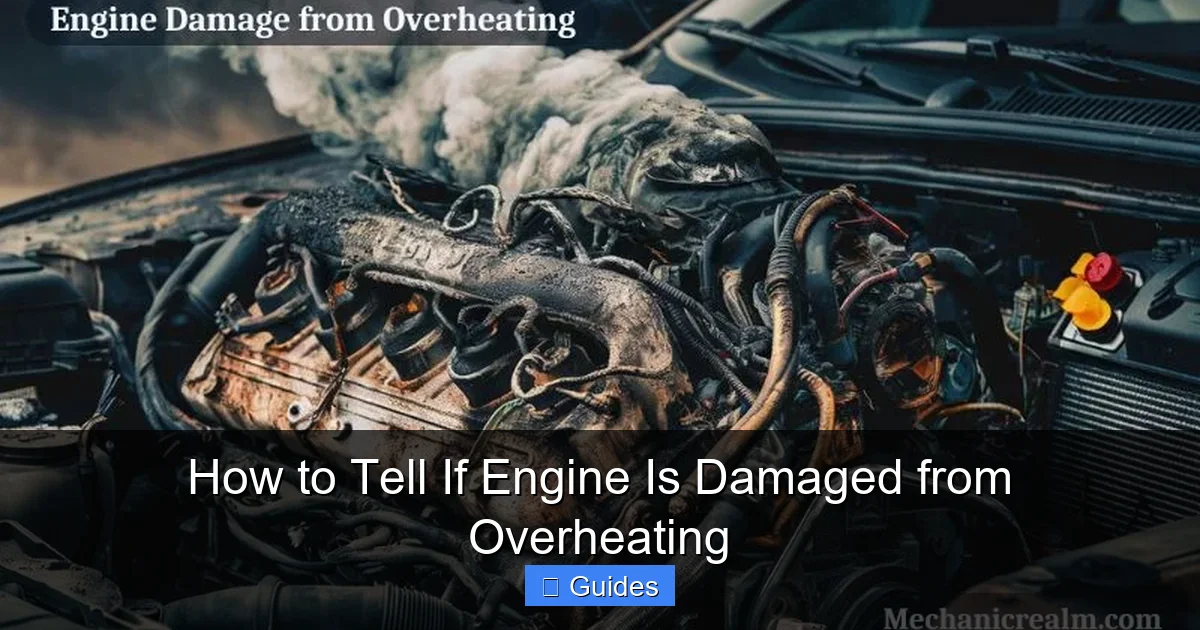
Sometimes, the signs of overheating damage aren’t obvious until you pop the hood. Visual inspection and listening for unusual sounds can reveal a lot about your engine’s condition.
Visual guide about How to Tell If Engine Is Damaged from Overheating
Image source: mechanicrealm.com
Check for Coolant Leaks
Open the hood and look for puddles or stains under the engine. Coolant is usually bright green, orange, or pink and has a slimy texture. If you see a colorful puddle on the ground or dried residue around hoses, radiator, or the water pump, you likely have a leak.
Leaks can occur due to cracked hoses, a damaged radiator, or a blown head gasket. A head gasket sits between the engine block and cylinder head and seals the combustion chambers. If it fails due to overheating, coolant can leak into the cylinders or oil passages, causing serious problems.
Inspect the Radiator and Hoses
The radiator is the heart of your cooling system. Look for cracks, bent fins, or corrosion. Even small cracks can cause coolant to leak and reduce cooling efficiency. Also, check the radiator cap—if it’s damaged or not sealing properly, it can cause the system to lose pressure and overheat.
Hoses should be firm but flexible. If they’re brittle, cracked, or swollen, they need to be replaced. A collapsed hose can restrict coolant flow, leading to overheating. Gently squeeze the upper and lower radiator hoses—if they feel soft or spongy, they may be failing.
Listen for Knocking or Ticking Noises
When an engine overheats, metal parts expand beyond their normal limits. This can cause pistons to knock against cylinder walls or valves to tap loudly. You might hear a knocking or pinging sound, especially under acceleration.
Ticking noises can also indicate low oil pressure or damaged lifters. Overheating breaks down engine oil, reducing its ability to lubricate. Without proper lubrication, metal parts grind against each other, creating noise and wear.
Hissing or Sizzling Sounds
If you hear a hissing or sizzling sound after turning off the engine, it could mean coolant is leaking onto hot surfaces. This is common after severe overheating. The sound usually comes from the engine bay and may be accompanied by steam.
Never open the radiator cap immediately after driving—especially if the engine is hot. The system is under pressure, and opening it can cause a dangerous burst of steam and hot coolant. Wait at least 30 minutes for the engine to cool before inspecting.
Performance Issues That Indicate Internal Damage
Even if your car seems to run fine at first, overheating can cause hidden damage that affects performance over time. Pay attention to how your vehicle behaves during everyday driving.
Visual guide about How to Tell If Engine Is Damaged from Overheating
Image source: autocareaids.com
Reduced Fuel Efficiency
If you notice your gas mileage dropping suddenly, overheating could be a factor. When an engine runs hot, it becomes less efficient. Components like oxygen sensors and fuel injectors may not work properly, leading to poor combustion and wasted fuel.
For example, a warped cylinder head can cause a vacuum leak, which throws off the air-fuel mixture. This makes the engine work harder and burn more gas. If you’re filling up more often than usual, it’s worth investigating.
White Smoke from the Exhaust
White smoke—especially thick, billowing smoke—is a classic sign of coolant entering the combustion chamber. This usually happens when the head gasket fails due to overheating. Coolant burns in the cylinder, producing white vapor that exits through the tailpipe.
Unlike normal water vapor (which is thin and clears up quickly), coolant smoke is persistent and has a sweet smell. If you see this, stop driving immediately. Continuing to run the engine can cause hydro-lock, where coolant fills the cylinder and prevents the piston from moving—potentially bending connecting rods.
Milky or Foamy Engine Oil
Check your oil dipstick. If the oil looks milky, frothy, or has a chocolate milkshake appearance, coolant is mixing with the oil. This happens when the head gasket fails and allows coolant to seep into the oil passages.
This mixture reduces lubrication and can cause severe engine wear. It also clogs oil passages and damages bearings. If you see this, don’t drive the car. Have it towed to a mechanic for inspection.
Overheating After Repairs
Sometimes, an engine overheats again shortly after a repair—like a new thermostat or water pump. This could mean the root cause wasn’t addressed, or the overheating caused hidden damage. For example, a warped cylinder head may not seal properly even after replacing the head gasket.
If your car keeps overheating despite repairs, it’s a strong indicator of internal damage. A compression test or leak-down test can help determine if the engine has been compromised.
How to Diagnose Overheating Damage Professionally
While you can spot many signs yourself, some damage requires professional diagnosis. Mechanics use specialized tools and tests to assess engine health after overheating.
Compression Test
A compression test measures the pressure in each cylinder. Low compression in one or more cylinders can indicate warped valves, damaged pistons, or a blown head gasket—all common after overheating.
During the test, a mechanic removes the spark plugs and inserts a gauge into each cylinder. The engine is cranked, and pressure is recorded. Healthy engines typically show consistent readings across all cylinders. Significant variations suggest internal damage.
Leak-Down Test
A leak-down test is more detailed than a compression test. It pressurizes each cylinder and measures how much air escapes. This helps pinpoint where the leak is occurring—whether it’s through the valves, piston rings, or head gasket.
For example, if air escapes through the radiator, it confirms a head gasket leak into the cooling system. If air comes out the oil filler cap, it may indicate worn piston rings.
Cylinder Head Inspection
In severe cases, the cylinder head may need to be removed and inspected. Mechanics check for warping using a straightedge and feeler gauge. Even a slight warp can prevent proper sealing.
If the head is warped, it may need to be machined (resurfaced) or replaced. In extreme cases, the entire engine block can crack from thermal stress, requiring a full rebuild or replacement.Cooling System Pressure Test
A pressure test checks the integrity of the cooling system. A mechanic attaches a pump to the radiator and pressurizes the system to see if it holds pressure. A drop in pressure indicates a leak.
This test can reveal hidden leaks in hoses, the radiator, water pump, or heater core. It’s especially useful if you’re not seeing obvious coolant puddles but suspect a slow leak.
Can You Drive with Overheating Damage?
This is a critical question. The short answer: No, you should not drive if you suspect engine damage from overheating. Continuing to drive can turn a minor issue into a major disaster.
Risks of Driving with Damage
Driving with a damaged engine can cause catastrophic failure. For example, a warped cylinder head can lead to a blown head gasket, which can then cause coolant to mix with oil or enter the combustion chamber. This can result in hydro-lock, where the engine seizes completely.
Even if the car seems to run, internal components may be wearing rapidly. Bearings, pistons, and valves can fail without warning, leaving you stranded or causing an accident.
When to Tow Instead of Drive
If you experience any of the following, have your car towed:
- Temperature warning light is on
- Steam or smoke is coming from the engine
- You smell burning coolant or oil
- White smoke is coming from the exhaust
- The engine is making unusual noises
- You notice a loss of power or stalling
Towing may cost $100–$200, but it’s far cheaper than replacing an engine, which can cost $5,000 or more.
What to Do Immediately After Overheating
If your engine overheats, follow these steps:
- Pull over safely and turn off the engine.
- Turn on hazard lights to alert other drivers.
- Do not open the radiator cap while the engine is hot.
- Let the engine cool for at least 30 minutes.
- Check coolant level (only when cool).
- Add coolant or water if safe to do so.
- Call a mechanic or tow truck if the problem persists.
Never try to drive long distances after overheating. Even if the temperature gauge returns to normal, internal damage may have already occurred.
Preventing Engine Overheating and Damage
The best way to deal with overheating damage is to prevent it from happening in the first place. Regular maintenance and awareness can go a long way.
Check Coolant Levels Regularly
Coolant (also called antifreeze) is essential for regulating engine temperature. Check the coolant reservoir monthly and top it off if low. Use the correct type of coolant for your vehicle—mixing types can cause corrosion or reduce effectiveness.
Also, inspect the coolant for contamination. If it looks rusty, oily, or has particles, it may be time for a flush.
Inspect Belts and Hoses
The serpentine belt drives the water pump, which circulates coolant. If the belt is cracked, frayed, or loose, the water pump won’t work properly, leading to overheating.
Hoses should be checked for cracks, bulges, or soft spots. Replace any hose that shows signs of wear. Most manufacturers recommend replacing hoses every 4–5 years.
Maintain the Radiator
Keep the radiator clean and free of debris. Bugs, dirt, and leaves can block airflow, reducing cooling efficiency. Use a garden hose to gently spray the radiator from the back to remove buildup.
Also, check the radiator fan. It should turn on when the engine reaches operating temperature. If it doesn’t, the fan motor, relay, or temperature sensor may be faulty.
Use the Right Oil
Engine oil helps dissipate heat and lubricate moving parts. Use the viscosity recommended in your owner’s manual. In hot climates, a slightly thicker oil may be needed.
Change the oil regularly—every 5,000 to 7,500 miles, or as recommended. Old, dirty oil breaks down faster and can’t handle high temperatures.
Watch for Warning Signs
Pay attention to your car’s behavior. If the temperature gauge rises slightly on hot days or during heavy use, it could signal a developing problem. Address it early before major damage occurs.
Also, be extra cautious when towing, driving in traffic, or climbing hills—these situations put extra strain on the cooling system.
Conclusion
Knowing how to tell if engine is damaged from overheating is a vital skill for any car owner. Overheating can cause serious, sometimes irreversible damage, but many signs are detectable early. From warning lights and strange smells to performance issues and unusual noises, your car will often give you clues before it’s too late.
The key is to act quickly. If you suspect overheating, stop driving, let the engine cool, and have it inspected by a professional. Ignoring the problem can lead to costly repairs or even engine failure. On the other hand, regular maintenance—like checking coolant, inspecting hoses, and changing oil—can prevent overheating altogether.
Remember, your engine is the heart of your vehicle. Treat it with care, and it will keep you moving safely for years to come. Stay alert, stay informed, and don’t ignore the warning signs. Your car—and your wallet—will thank you.
Frequently Asked Questions
Can an engine recover from overheating?
In mild cases, an engine may recover if the overheating was brief and no internal damage occurred. However, if components like the head gasket or cylinder head were affected, repairs are usually necessary. Always have the engine inspected after overheating.
How long can an engine run before overheating causes damage?
Damage can occur in as little as 5–10 minutes of severe overheating. Even brief overheating can warp metal parts or blow a head gasket. The faster you act, the better your chances of minimizing damage.
What does a blown head gasket sound like?
A blown head gasket may cause knocking, hissing, or bubbling sounds. You might also hear the engine misfiring or running rough. White smoke and coolant loss are common visual signs.
Can low coolant cause engine damage?
Yes, low coolant reduces the system’s ability to absorb and dissipate heat. This can lead to overheating and, eventually, engine damage. Always maintain proper coolant levels and fix leaks promptly.
Is it safe to drive with a temperature warning light on?
No, it is not safe. The temperature warning light means the engine is overheating. Continuing to drive can cause severe damage. Pull over, turn off the engine, and call for assistance.
How much does it cost to fix engine damage from overheating?
Costs vary widely. A blown head gasket may cost $1,500–$2,500 to repair. A warped cylinder head or cracked block can require a full engine rebuild or replacement, costing $5,000 or more. Early detection reduces costs.

At CarLegit, we believe information should be clear, factual, and genuinely helpful. That’s why every guide, review, and update on our website is created with care, research, and a strong focus on user experience.