
Leasing a car can be a smart financial move—if it matches your driving habits and lifestyle. It often means lower monthly payments, access to newer models, and fewer repair worries, but comes with mileage limits and no ownership at the end.
In This Article
- 1 Key Takeaways
- 2 📑 Table of Contents
- 3 Is It a Good Idea to Lease a Car? A Complete Guide
- 4 How Car Leasing Works
- 5 Pros of Leasing a Car
- 6 Cons of Leasing a Car
- 7 Leasing vs. Buying: Which Is Better?
- 8 Who Should Consider Leasing?
- 9 Tips for Getting the Best Lease Deal
- 10 Alternatives to Traditional Leasing
- 11 Final Thoughts: Is It a Good Idea to Lease a Car?
- 12 Frequently Asked Questions
Key Takeaways
- Lower monthly payments: Leasing typically costs less per month than buying, freeing up cash for other expenses.
- Drive a new car more often: Most leases last 2-3 years, so you can upgrade to the latest models with updated tech and safety features.
- Warranty coverage included: Repairs are usually covered under the manufacturer’s warranty during the lease term, reducing out-of-pocket costs.
- Mileage and wear restrictions: Exceeding mileage limits or causing excessive wear can result in hefty fees at lease end.
- No equity buildup: You don’t own the car, so there’s no asset to sell or trade in when the lease ends.
- Ideal for predictable drivers: Best suited for people who drive under 12,000 miles per year and want consistent, low-maintenance transportation.
- Early termination penalties: Ending a lease early can be expensive, so it’s important to commit for the full term.
📑 Table of Contents
- Is It a Good Idea to Lease a Car? A Complete Guide
- How Car Leasing Works
- Pros of Leasing a Car
- Cons of Leasing a Car
- Leasing vs. Buying: Which Is Better?
- Who Should Consider Leasing?
- Tips for Getting the Best Lease Deal
- Alternatives to Traditional Leasing
- Final Thoughts: Is It a Good Idea to Lease a Car?
Is It a Good Idea to Lease a Car? A Complete Guide
So, you’re in the market for a new car. You’ve done your research, test-driven a few models, and now you’re staring at two big choices: buy or lease. It’s a decision that can feel overwhelming, especially when you’re bombarded with terms like “depreciation,” “residual value,” and “money factor.” But don’t worry—you’re not alone. Millions of people face this same dilemma every year.
Leasing a car has become increasingly popular, especially among those who want to drive a new vehicle every few years without the long-term commitment of ownership. But is it really the right choice for you? The answer depends on your lifestyle, driving habits, financial goals, and personal preferences. While leasing offers some clear advantages—like lower monthly payments and access to the latest technology—it also comes with limitations that might not suit everyone.
In this guide, we’ll break down everything you need to know about leasing a car. We’ll explore how leasing works, compare it to buying, and help you decide whether it’s a good idea based on your unique situation. Whether you’re a first-time car shopper or just curious about your options, this article will give you the clarity you need to make a confident decision.
How Car Leasing Works
Visual guide about Is It a Good Idea to Lease a Car
Image source: motorbiscuit.com
At its core, leasing a car is like renting it for a long period—usually 24 to 36 months. Instead of paying off the entire value of the vehicle, you’re only paying for the portion you use during the lease term. This is known as the car’s depreciation. For example, if a new car costs $30,000 and is expected to be worth $18,000 after three years, you’ll pay for that $12,000 drop in value, plus interest and fees.
When you sign a lease, you agree to several key terms. These include the lease length, how many miles you can drive per year (typically 10,000 to 15,000), and the condition the car must be in when you return it. You’ll also pay an upfront cost, often called a “down payment” or “cap cost reduction,” which lowers your monthly payments. Some leases even offer “sign-and-drive” deals with no money down.
At the end of the lease, you simply return the car to the dealership—no selling, no trade-in hassle. If you love the car, you may have the option to buy it at its predetermined residual value. But most people choose to lease a new model instead, starting the cycle over.
The Lease Agreement: What to Look For
Not all lease agreements are created equal. Before signing, it’s crucial to read the fine print and understand every detail. Here are the most important components:
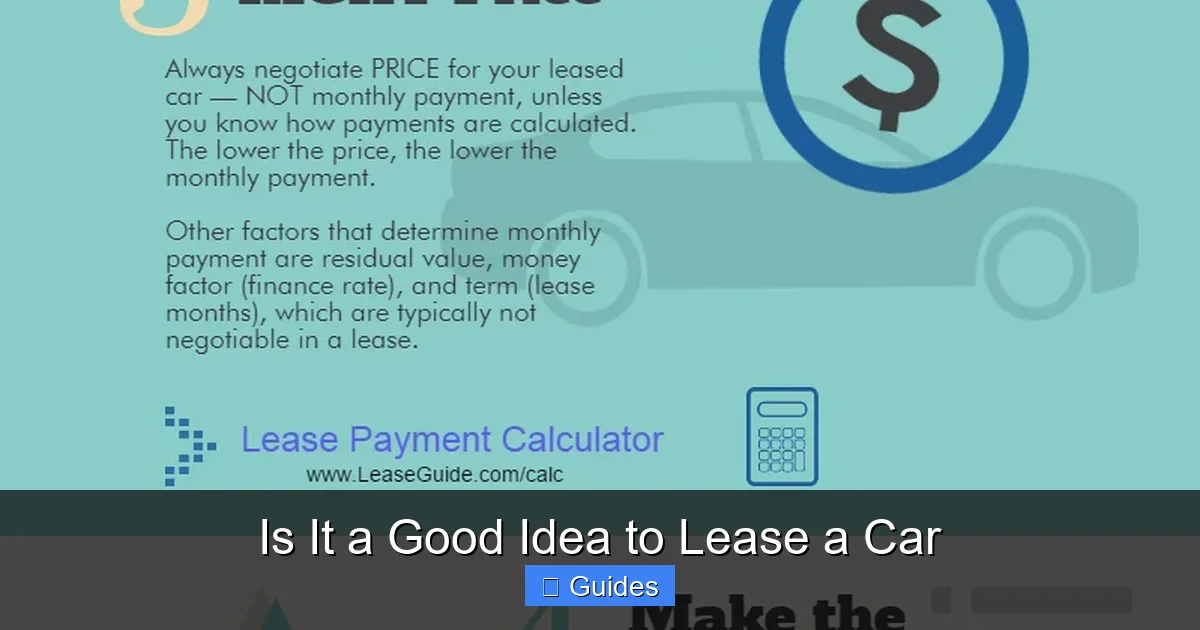
– **Capitalized Cost:** This is the negotiated price of the car, similar to the purchase price when buying. The lower this number, the lower your monthly payments.
– **Residual Value:** The estimated value of the car at the end of the lease. A higher residual value means lower monthly payments because you’re paying for less depreciation.
– **Money Factor:** This is the lease’s interest rate, expressed as a decimal (e.g., 0.0025). To convert it to an approximate APR, multiply by 2,400. So 0.0025 becomes 6% APR.
– **Mileage Allowance:** Most leases allow 10,000 to 15,000 miles per year. Going over means paying extra—often $0.10 to $0.25 per mile.
– **Disposition Fee:** A charge (usually $300–$500) for processing the car when you return it.
– **Wear and Tear Guidelines:** The lease will define what’s considered “excessive” damage. Small scratches are usually fine, but dents or stains may cost you.
Always ask for a written breakdown of all fees and charges. And don’t be afraid to negotiate—just like with a purchase, the terms of a lease can often be adjusted.
Pros of Leasing a Car

Visual guide about Is It a Good Idea to Lease a Car
Image source: motorbiscuit.com
Leasing isn’t for everyone, but for the right person, it can be a fantastic option. Let’s look at the biggest advantages.
Lower Monthly Payments
One of the most appealing benefits of leasing is the lower monthly cost. Since you’re only paying for the car’s depreciation—not its full value—your payments are typically 20% to 40% less than what you’d pay to buy the same car with a loan. For example, leasing a $35,000 SUV might cost $350 per month, while buying it could run $550 or more.
This can free up cash for other financial goals, like saving for a house, investing, or paying off debt. It also makes luxury and high-end vehicles more accessible. Want a BMW or Mercedes? Leasing can make that dream more affordable.
Drive a New Car Every Few Years
Technology in cars evolves quickly. Safety features, infotainment systems, fuel efficiency, and design improve with each new model year. Leasing lets you enjoy these advancements without being stuck with an outdated vehicle.
Imagine driving a car with adaptive cruise control, lane-keeping assist, wireless Apple CarPlay, and a panoramic sunroof—all for a fraction of the cost of ownership. After three years, you can trade it in for the latest version with even better features. For tech lovers and car enthusiasts, this is a major perk.
Warranty Coverage and Lower Maintenance Costs
Most new cars come with a comprehensive warranty that covers repairs for the first 3 years or 36,000 miles—right in line with typical lease terms. That means if something breaks, you’re usually covered at no extra cost. You won’t have to worry about surprise repair bills for engine trouble, transmission issues, or electrical problems.
Additionally, many leases include maintenance packages or allow you to prepay for service. Some luxury brands even offer free scheduled maintenance during the lease. This predictability makes budgeting easier and reduces stress.
No Resale Hassle
Selling a car privately can be a nightmare. You have to clean it, fix minor issues, list it online, meet with strangers, negotiate prices, and handle paperwork. And if the market shifts, you might not get what you want.
With leasing, you simply return the car at the end of the term. No ads, no test drives, no haggling. Just drop it off, pay any excess wear or mileage fees, and walk away. It’s one of the most convenient aspects of leasing.
Cons of Leasing a Car
Visual guide about Is It a Good Idea to Lease a Car
Image source: leaseguide.com
Of course, leasing isn’t perfect. It comes with trade-offs that might not work for everyone.
No Ownership and No Equity
This is the biggest downside: you don’t own the car. After three years of payments, you have nothing to show for it. Unlike buying, where you build equity and can sell the car later, leasing is essentially paying for temporary use.
If you’re someone who likes to keep a car for 10 years and drive it into the ground, leasing doesn’t make sense. You’ll end up paying more in the long run because you’re constantly making payments without building any asset.
Mileage Restrictions
Leases come with strict mileage limits—usually 10,000, 12,000, or 15,000 miles per year. If you exceed this, you’ll pay extra. For example, going over by 3,000 miles at $0.20 per mile means a $600 fee.
This can be a problem for people with long commutes, frequent road trips, or side gigs like rideshare driving. If you drive more than 12,000 miles a year, leasing might not be cost-effective. Some dealers offer higher mileage limits, but they come with higher monthly payments.
Wear and Tear Fees
Leased cars must be returned in good condition. While normal wear is expected, anything beyond that—like large dents, stained upholstery, or damaged wheels—can result in charges. Dealers use detailed inspection checklists, and even minor issues can add up.
For example, a deep scratch on the door might cost $200 to repair. A cracked windshield could be $300. If you have kids, pets, or a messy lifestyle, these fees can sneak up on you.
Early Termination Penalties
Life changes. Maybe you move, lose your job, or need a different type of vehicle. If you want to end your lease early, it can be expensive. Most leases charge an early termination fee, which can be thousands of dollars.
Some leases allow you to transfer the contract to another person (called a lease assumption), but this isn’t always easy. You’ll need to find someone qualified and willing to take over the payments.
Customization Restrictions
Since you don’t own the car, you can’t make major modifications. No aftermarket wheels, performance upgrades, or custom paint jobs. If you like to personalize your ride, leasing might feel restrictive.
Even something as simple as tinted windows or a roof rack might require dealer approval. And if you do make changes, you’ll likely have to reverse them before returning the car.
Leasing vs. Buying: Which Is Better?
Now that we’ve covered the pros and cons, let’s compare leasing and buying head-to-head. The right choice depends on your priorities.
Cost Over Time
Leasing usually wins in the short term. Lower monthly payments mean more cash flow. But over 10 years, buying is almost always cheaper. Here’s why:
– If you lease a $30,000 car for 3 years at $400/month, you pay $14,400.
– Then you lease another for 3 years at $400/month: another $14,400.
– Then another: $14,400.
– Total over 9 years: $43,200.
If you had bought the same car with a 5-year loan at $500/month, you’d pay $30,000. After 5 years, you own it. You could drive it for another 5 years with minimal costs (just insurance, gas, and maintenance). Total cost: $30,000.
So while leasing feels cheaper month-to-month, buying builds long-term value.
Flexibility and Freedom
Buying gives you total freedom. Drive as much as you want, modify the car, sell it whenever you like. Leasing ties you to rules and restrictions.
But if you value consistency and hate the hassle of selling, leasing offers peace of mind. You always have a reliable, under-warranty vehicle.
Lifestyle Fit
Ask yourself:
– Do you drive less than 12,000 miles a year?
– Do you like driving a new car every 2–3 years?
– Do you prefer lower monthly payments?
– Are you okay with not owning the car?
If you answered yes, leasing might be a good idea.
But if you:
– Drive a lot
– Keep cars for 7+ years
– Want to build equity
– Enjoy customizing your ride
Then buying is likely the better choice.
Who Should Consider Leasing?
Leasing isn’t a one-size-fits-all solution, but it’s ideal for certain types of drivers.
Business Professionals
Executives, consultants, and salespeople often lease luxury cars for image and comfort. Lower payments make high-end vehicles affordable, and they can upgrade every few years to match their career growth.
Tech Enthusiasts
If you love having the latest gadgets, leasing lets you enjoy cutting-edge features without the long-term commitment. New models come out every year with better safety, connectivity, and efficiency.
People with Stable Income
Leasing requires consistent payments. If you have a steady job and good credit, you’re more likely to qualify for favorable lease terms. It’s less ideal for those with irregular income or financial uncertainty.
Urban Dwellers with Short Commutes
City drivers often put fewer miles on their cars. If you commute 20 miles a day and don’t take many road trips, you’re unlikely to exceed mileage limits. Plus, parking a new, reliable car in the city is a bonus.
Tips for Getting the Best Lease Deal
If you decide leasing is right for you, here’s how to get the best deal.
Negotiate the Capitalized Cost
Just like buying, the price of the car is negotiable. Research the invoice price (what the dealer paid) and aim to lease at or below that. Use online tools like Edmunds or Kelley Blue Book to find fair market values.
Watch the Money Factor
Ask for the money factor and convert it to an APR. Compare it to current auto loan rates. If it’s higher than 5–6%, you might be better off financing.
Choose the Right Mileage Limit
Estimate your annual mileage honestly. If you drive 14,000 miles a year, don’t sign a 10,000-mile lease. Pay a little more upfront for a higher allowance to avoid overage fees.
Avoid Excessive Upfront Payments
Putting too much money down increases your risk. If the car is totaled or stolen, you may not get that money back. Instead, consider rolling the down payment into the monthly cost or choosing a sign-and-drive deal.
Read the Wear and Tear Guide
Ask for a copy of the lease-end inspection guidelines. Know what’s acceptable and what’s not. Take photos of the car when you pick it up to document its condition.
Consider Gap Insurance
If the car is totaled, your insurance may not cover the full lease balance. Gap insurance covers the difference, protecting you from a huge bill.
Alternatives to Traditional Leasing
If traditional leasing doesn’t feel right, consider these options.
Lease Buyout
At the end of your lease, you can buy the car at its residual value. This is a good idea if the car has held its value well and you love it. You can finance the buyout or pay cash.
Lease Transfer
Some leases allow you to transfer the contract to another person. This can help you exit early without penalties, but the new lessee must qualify.
Subscription Services
Companies like Care by Volvo or Porsche Drive offer monthly subscriptions. You pay a flat fee and can switch cars anytime. It’s more flexible than leasing but usually more expensive.
Final Thoughts: Is It a Good Idea to Lease a Car?
So, is it a good idea to lease a car? The answer is: it depends.
For people who drive moderately, want lower payments, and enjoy driving new cars every few years, leasing can be a smart, convenient choice. It offers financial flexibility, warranty protection, and access to the latest technology—all without the long-term commitment of ownership.
But if you drive a lot, plan to keep a car for many years, or want to build equity, buying is almost always the better financial decision. Leasing means perpetual payments and no asset at the end.
The key is to evaluate your lifestyle, driving habits, and financial goals. Don’t let marketing or monthly payment numbers sway you. Do the math, read the fine print, and choose the option that aligns with your long-term needs.
At the end of the day, the best car decision is the one that gives you peace of mind—not just a lower payment.
Frequently Asked Questions
Can I lease a car with bad credit?
It’s possible, but it will be more expensive. Lenders may approve you but charge a higher money factor (interest rate) or require a larger down payment. Consider improving your credit before leasing or look for special programs from manufacturers.
What happens if I go over my mileage limit?
You’ll be charged a per-mile fee, typically $0.10 to $0.25. For example, exceeding by 2,000 miles at $0.15 per mile means a $300 charge. Some leases allow you to prepay for extra miles at a lower rate.
Can I negotiate a lease?
Yes! You can negotiate the capitalized cost, money factor, and even the mileage allowance. Dealers want to make a sale, so don’t hesitate to ask for better terms—just like with a purchase.
Is it better to lease or buy a used car?
Leasing a used car (certified pre-owned) is rare and often not cost-effective. Used cars depreciate slower, so leasing doesn’t offer the same savings. Buying a used car is usually the better deal.
Can I end my lease early?
Yes, but it’s usually expensive. Early termination fees can be thousands of dollars. Some leases allow transfers to another person, which can help avoid penalties if you find a qualified buyer.
Do I need full coverage insurance when leasing?
Yes. Leasing companies require comprehensive and collision coverage with low deductibles. This protects their asset in case of damage or theft. Check your policy to ensure it meets the lease requirements.

At CarLegit, we believe information should be clear, factual, and genuinely helpful. That’s why every guide, review, and update on our website is created with care, research, and a strong focus on user experience.