
Putting an automatic car into neutral while driving is generally not recommended and can be unsafe. While it may seem like a way to save fuel or reduce wear, modern vehicles are designed to operate efficiently in drive, and shifting to neutral can compromise control, braking, and safety systems.
In This Article
- 1 Key Takeaways
- 2 📑 Table of Contents
- 3 Is It Safe to Put an Automatic Car into Neutral? A Complete Guide
- 4 Understanding How Automatic Transmissions Work
- 5 The Myth of Fuel Savings: Does Neutral Really Save Gas?
- 6 Safety Risks of Shifting to Neutral While Driving
- 7 When Is It Okay to Use Neutral?
- 8 Manufacturer Recommendations and Owner’s Manual Guidance
- 9 Best Practices for Safe and Efficient Driving
- 10 Conclusion: Neutral Is for Specific Situations, Not Daily Driving
- 11 Frequently Asked Questions
- 11.1 Is it bad to shift to neutral at a red light?
- 11.2 Does shifting to neutral save gas?
- 11.3 Can shifting to neutral damage my transmission?
- 11.4 Should I shift to neutral when going downhill?
- 11.5 Is it safe to shift to neutral while driving on the highway?
- 11.6 What should I do if my car stalls in traffic?
Key Takeaways
- Neutral reduces vehicle control: Shifting to neutral disengages the engine from the wheels, reducing your ability to accelerate quickly in emergencies.
- Modern cars don’t save fuel in neutral: Most modern automatic vehicles use fuel cutoff technology when coasting in drive, making neutral coasting unnecessary and less efficient.
- Braking performance may suffer: In neutral, engine braking is lost, which can increase stopping distance, especially on downhill slopes.
- Transmission wear is a concern: Frequent shifting between drive and neutral can cause unnecessary wear on the transmission system.
- It’s safer to stay in drive at stops: Modern automatics are designed to idle efficiently in drive with minimal wear, so there’s no need to shift to neutral at red lights.
- Use neutral only when required: Reserve neutral for specific situations like towing, push-starting (if applicable), or when the vehicle is immobilized.
- Follow manufacturer guidelines: Always consult your owner’s manual for model-specific recommendations on shifting practices.
📑 Table of Contents
- Is It Safe to Put an Automatic Car into Neutral? A Complete Guide
- Understanding How Automatic Transmissions Work
- The Myth of Fuel Savings: Does Neutral Really Save Gas?
- Safety Risks of Shifting to Neutral While Driving
- When Is It Okay to Use Neutral?
- Manufacturer Recommendations and Owner’s Manual Guidance
- Best Practices for Safe and Efficient Driving
- Conclusion: Neutral Is for Specific Situations, Not Daily Driving
Is It Safe to Put an Automatic Car into Neutral? A Complete Guide
If you’ve ever been stuck in traffic or coasting down a long hill, you might have wondered: “Should I shift my automatic car into neutral?” It’s a question that’s sparked debate among drivers for decades. Some swear by it as a way to save gas or reduce strain on the engine. Others warn it’s a dangerous habit that can lead to loss of control. So, what’s the truth?
The short answer? It’s generally not safe—or necessary—to put an automatic car into neutral while driving. While the idea might sound logical on the surface, modern automotive engineering has made this practice largely obsolete and potentially risky. From fuel efficiency to vehicle control, there are several reasons why shifting to neutral isn’t the smart move most drivers think it is.
In this guide, we’ll break down the myths, examine the mechanics, and give you practical advice on when—and when not—to use neutral in your automatic transmission vehicle. Whether you’re a new driver or a seasoned commuter, understanding how your car works can help you drive safer and smarter.
Understanding How Automatic Transmissions Work
Visual guide about Is It Safe to Put Automatic Car into Neutral
Image source: slashgear.com
Before we dive into the safety of shifting to neutral, it helps to understand how automatic transmissions function. Unlike manual cars, which require the driver to manually shift gears using a clutch, automatic vehicles handle gear changes on their own using a complex system of hydraulics, sensors, and electronic controls.
At the heart of most automatics is a torque converter, which replaces the clutch found in manual transmissions. The torque converter uses fluid to transfer engine power to the transmission, allowing the car to come to a complete stop without stalling. This is why you can leave your foot on the brake at a red light without the engine shutting off.
When you shift into “Drive” (D), the transmission engages a series of gears that gradually increase speed as you press the accelerator. The car’s computer monitors speed, engine load, and throttle position to determine the optimal gear for performance and efficiency.
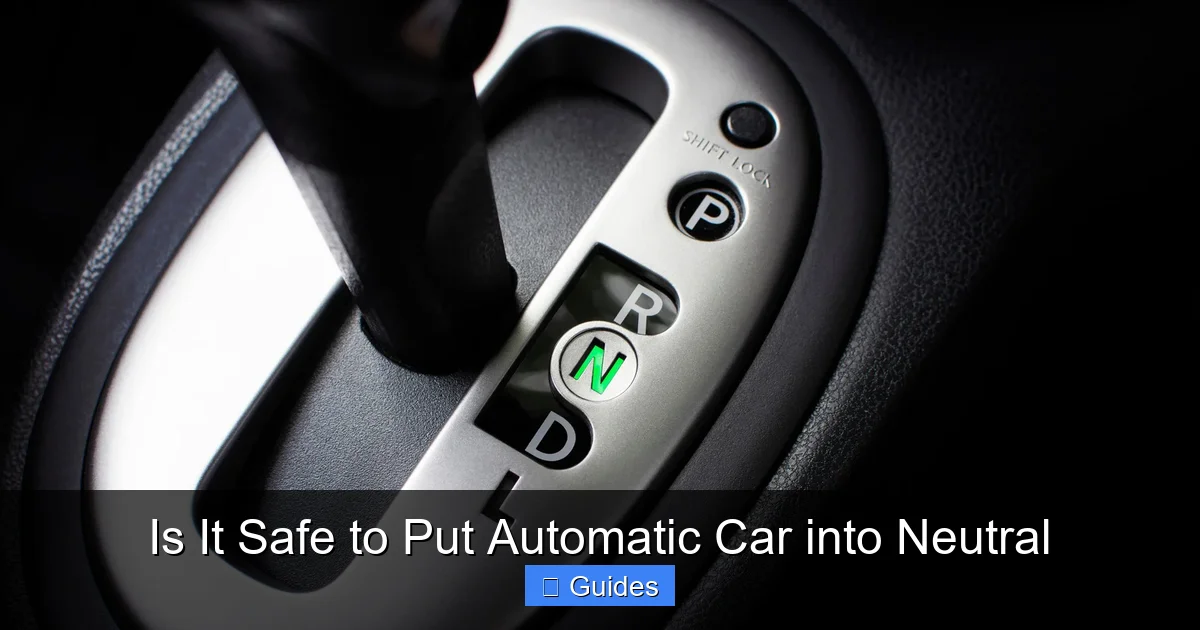
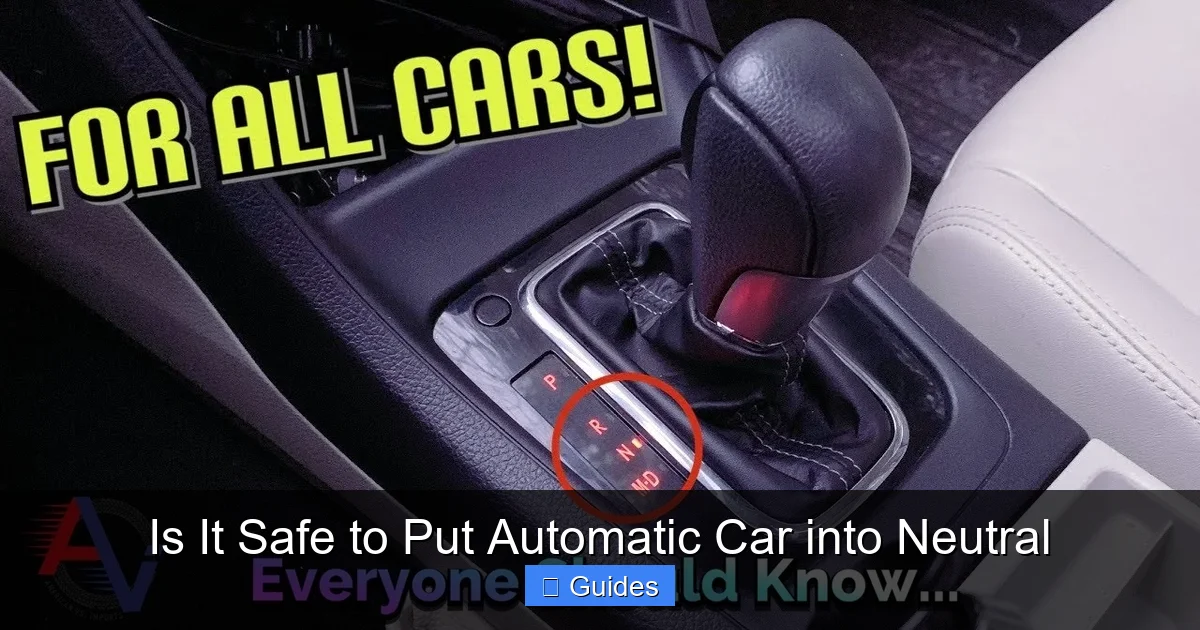
Now, what happens when you shift to “Neutral” (N)? In this position, the engine is disconnected from the transmission. The wheels can still turn, but the engine isn’t actively driving them. This means the car is essentially coasting—similar to a manual car with the clutch pressed in.
While this might seem like a way to “rest” the engine or save fuel, it actually removes a layer of control and can interfere with how modern safety and efficiency systems operate.
The Role of Neutral in an Automatic Car
Neutral isn’t useless—it has specific, limited purposes. You’ll use it when:
– Starting the car (some vehicles require the shifter to be in Park or Neutral)
– Towing the vehicle (to prevent transmission damage)
– Push-starting a dead battery (on older models without electronic fuel injection)
– When the car is stuck and needs to be rocked free
But using neutral while driving—especially at speed or at stoplights—is where the controversy lies. Let’s explore why this practice is increasingly discouraged.
The Myth of Fuel Savings: Does Neutral Really Save Gas?
Visual guide about Is It Safe to Put Automatic Car into Neutral
Image source: i.ytimg.com
One of the most common reasons drivers shift to neutral is to save fuel. The logic seems sound: if the engine isn’t powering the wheels, it should use less gas, right?
Unfortunately, that’s not how modern engines work.
In older vehicles, idling in Drive did consume slightly more fuel than idling in Neutral because the torque converter was still transferring some power. But today’s cars are equipped with advanced engine management systems that drastically reduce fuel consumption when you’re not accelerating—even in Drive.
How Modern Engines Manage Fuel Efficiency
Most modern automatic cars use a feature called deceleration fuel cutoff (DFCO). When you take your foot off the accelerator and the car is in Drive, the engine stops injecting fuel entirely. The wheels keep turning, and the engine spins freely using momentum—no gas is burned.
This means that coasting in Drive actually uses less fuel than idling in Neutral. Why? Because when you’re in Neutral, the engine must continue to idle to stay running, burning fuel just to keep the pistons moving.
A study by the U.S. Department of Energy found that coasting in Drive can reduce fuel consumption by up to 15% compared to shifting to Neutral. That’s a significant difference—and one that makes neutral coasting not just unnecessary, but counterproductive.
Real-World Example: Coasting Down a Hill
Imagine you’re driving down a long, gradual hill. You take your foot off the gas and shift to Neutral, thinking you’re saving fuel. But in reality:
– Your engine is still idling, using fuel.
– You’ve lost engine braking, which helps slow the car naturally.
– If you need to accelerate suddenly to avoid a hazard, there’s a delay as the transmission re-engages.
In contrast, staying in Drive allows the car to coast efficiently with DFCO active, maintains engine braking, and keeps you ready to respond.
Safety Risks of Shifting to Neutral While Driving
Visual guide about Is It Safe to Put Automatic Car into Neutral
Image source: carxplorer.com
Beyond fuel economy, the biggest concern with shifting to neutral is safety. When you disconnect the engine from the wheels, you lose several critical advantages that keep you in control.
Loss of Acceleration and Responsiveness
One of the most dangerous aspects of being in neutral is the delay in acceleration. If a child runs into the street or a car cuts you off, you need to be able to hit the gas immediately. But if you’re in neutral, the transmission must first re-engage Drive before power reaches the wheels. That split-second delay could be the difference between avoiding an accident and colliding.
Even on highways, maintaining acceleration capability is crucial. If you need to merge or change lanes quickly, being in Drive ensures you can respond without hesitation.
Reduced Engine Braking
Engine braking is the natural slowing effect that occurs when you release the accelerator in Drive. The engine’s compression helps slow the car, especially on downhill grades. This reduces wear on your brake pads and gives you better control.
In neutral, engine braking is eliminated. The car will coast freely, potentially gaining speed on descents. This forces you to rely solely on the brakes, which can overheat and fail on long downhill stretches—a phenomenon known as brake fade.
For example, imagine driving through mountainous terrain. If you shift to neutral on a long downhill, your brakes may overheat after just a few minutes, reducing their effectiveness. Staying in Drive allows the engine to help slow the car, preserving brake function and safety.
Impact on Electronic Safety Systems
Modern cars rely on electronic stability control (ESC), traction control, and anti-lock braking systems (ABS). These systems work best when the engine and transmission are connected and communicating.
When you shift to neutral, some of these systems may behave unpredictably. For instance, traction control might not engage properly if the car doesn’t detect power delivery. In slippery conditions, this could increase the risk of skidding or loss of control.
Additionally, some vehicles are designed to disable certain safety features when in neutral as a precaution. This is another reason manufacturers advise against unnecessary shifting.
When Is It Okay to Use Neutral?
Despite the risks, there are legitimate times when shifting to neutral is appropriate—or even required.
At Long Traffic Stops (With Caution)
You might think shifting to neutral at a long red light saves wear on the transmission. But modern automatics are built to handle idling in Drive with minimal strain. The torque converter is designed to absorb the load, and the engine management system keeps things running smoothly.
In fact, frequent shifting between Drive and Neutral can cause more wear than simply staying in Drive. Each shift engages clutches and bands inside the transmission, and doing this repeatedly—especially while the car is still warm—can lead to premature wear.
That said, if you’re stopped for an extended period (say, more than a minute), and you’re concerned about heat buildup or vibration, shifting to Neutral is acceptable. Just remember to shift back to Drive before the light changes.
Towing and Vehicle Recovery
If your car breaks down and needs to be towed, the owner’s manual will specify whether to tow in Neutral. Most front-wheel-drive automatics require the front wheels to be off the ground or the transmission in Neutral to prevent damage.
Similarly, if you’re stuck in snow or mud and need to rock the car free, shifting between Drive and Reverse (with Neutral in between) can help. But this should be done carefully and only when necessary.
Push-Starting (Rare and Outdated)
On older vehicles without electronic fuel injection, you could sometimes push-start the car by putting it in Neutral, getting it moving, then shifting into Drive to restart the engine. But modern cars with computerized fuel systems and immobilizers make this nearly impossible—and potentially damaging.
Attempting to push-start a modern automatic can harm the transmission or trigger error codes. It’s far safer to use jumper cables or call for roadside assistance.
Manufacturer Recommendations and Owner’s Manual Guidance
One of the best ways to know whether shifting to neutral is safe for your specific vehicle is to consult the owner’s manual. Car manufacturers design their transmissions with specific operating parameters in mind, and they provide clear guidance on shifting practices.
For example:
– Toyota advises against shifting to neutral while driving, stating it can reduce control and is unnecessary for fuel savings.
– Honda recommends keeping the car in Drive at stops and warns that frequent shifting can cause transmission wear.
– Ford notes that modern automatics are engineered to idle efficiently in Drive and that neutral coasting offers no benefit.
These recommendations aren’t arbitrary—they’re based on extensive testing and engineering. Ignoring them could void your warranty or lead to costly repairs.
What If Your Car Feels Sluggish in Drive?
Some drivers shift to neutral because their car feels “jerky” or “strained” when idling in Drive. This could indicate a problem with the torque converter, transmission fluid, or engine mounts—not a reason to avoid Drive.
If you notice unusual vibrations, hesitation, or noise when in Drive, have your vehicle inspected by a professional. Continuing to drive in Neutral as a workaround could mask a serious issue and lead to bigger problems down the road.
Best Practices for Safe and Efficient Driving
So, what should you do instead of shifting to neutral? Here are some practical tips to keep your car running smoothly and safely:
Stay in Drive at Stops
Unless you’re stopped for more than a minute, keep your foot on the brake and stay in Drive. Modern transmissions are built for this. It’s safer, more efficient, and reduces unnecessary wear.
Use Cruise Control on Highways
Cruise control helps maintain a steady speed and can improve fuel efficiency on long trips. It also keeps the car in the optimal gear, reducing the temptation to shift to neutral.
Downshift on Long Descents (If Equipped)
Some automatics have a “L” or “2” gear for engine braking on hills. Use this instead of shifting to neutral. It provides better control and reduces brake wear.
Regular Maintenance Is Key
Keep your transmission fluid clean and at the proper level. Dirty or low fluid can cause shifting problems and increase wear. Follow your manufacturer’s recommended service schedule.
Avoid “Creeping” in Traffic
Some drivers lightly press the accelerator to “creep” forward in stop-and-go traffic. This increases fuel consumption and wear. Instead, come to a full stop when possible and accelerate smoothly when traffic moves.
Conclusion: Neutral Is for Specific Situations, Not Daily Driving
So, is it safe to put an automatic car into neutral? The answer depends on the situation—but for everyday driving, the risks outweigh the benefits.
Shifting to neutral while driving reduces control, eliminates engine braking, and offers no real fuel savings. Modern vehicles are designed to operate efficiently in Drive, with advanced systems that manage fuel, braking, and safety seamlessly.
Reserve neutral for specific scenarios like towing, long stops, or vehicle recovery. And always follow your owner’s manual for model-specific guidance.
By understanding how your automatic transmission works and avoiding unnecessary shifts, you’ll drive safer, save money on fuel and repairs, and extend the life of your vehicle. The next time you’re tempted to shift to neutral, remember: staying in Drive is usually the smarter, safer choice.
Frequently Asked Questions
Is it bad to shift to neutral at a red light?
It’s not necessarily bad, but it’s usually unnecessary. Modern automatic cars are designed to idle efficiently in Drive with minimal wear. Shifting to neutral frequently can cause more harm than good by increasing transmission wear.
Does shifting to neutral save gas?
No, it typically uses more fuel. Modern engines cut off fuel when coasting in Drive, but idling in neutral still burns gas. Studies show coasting in Drive is more fuel-efficient.
Can shifting to neutral damage my transmission?
Frequent shifting between Drive and Neutral can cause unnecessary wear on transmission components. While occasional use is fine, making it a habit may lead to premature failure.
Should I shift to neutral when going downhill?
No. Staying in Drive allows engine braking, which helps control speed and reduces brake wear. Shifting to neutral removes this benefit and can lead to brake overheating.
Is it safe to shift to neutral while driving on the highway?
No, it’s unsafe. You lose acceleration capability and engine braking, increasing the risk of accidents. Always stay in Drive unless instructed otherwise by your owner’s manual.
What should I do if my car stalls in traffic?
Shift to Neutral, restart the engine, then return to Drive. If the car stalls frequently, have it inspected immediately—don’t rely on neutral as a workaround.

At CarLegit, we believe information should be clear, factual, and genuinely helpful. That’s why every guide, review, and update on our website is created with care, research, and a strong focus on user experience.