
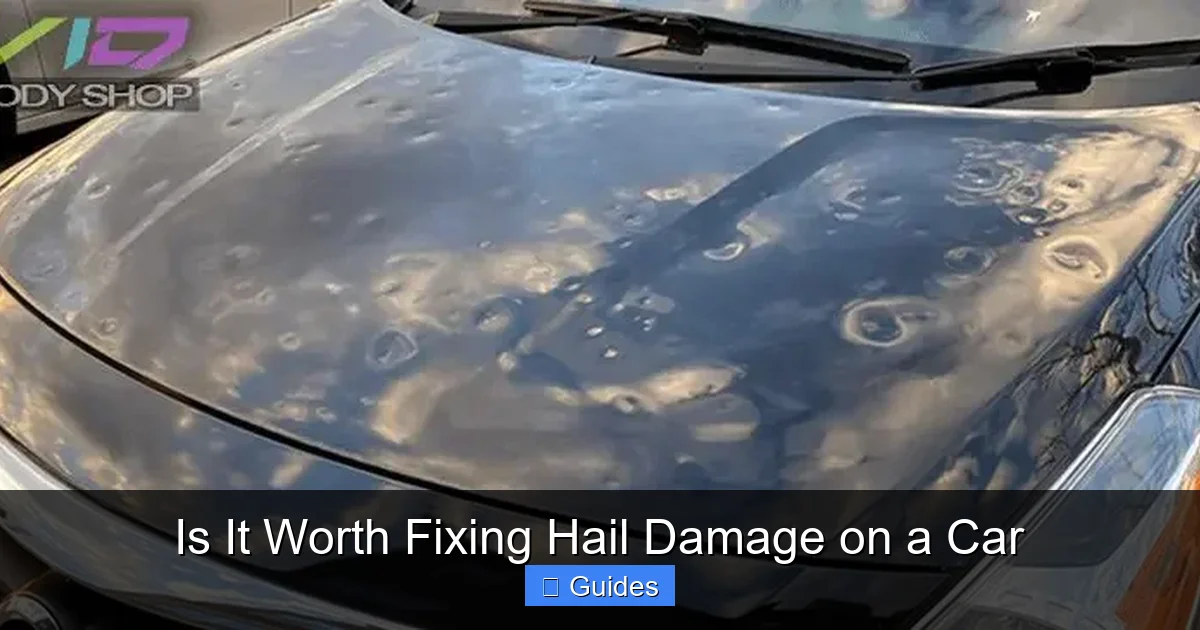
Deciding whether to fix hail damage on a car depends on cost, vehicle value, and insurance coverage. While minor dents may seem harmless, ignoring them can lead to rust, paint damage, and lower resale value. With modern paintless dent repair (PDR), many hail-damaged cars can be restored affordably and safely.
In This Article
- 1 Key Takeaways
- 2 📑 Table of Contents
- 3 Is It Worth Fixing Hail Damage on a Car?
- 4 Understanding Hail Damage: What Happens to Your Car?
- 5 Repair Options: How to Fix Hail Damage
- 6 Cost Considerations: How Much Does Hail Repair Cost?
- 7 Insurance and Hail Damage: What You Need to Know
- 8 Resale Value and Long-Term Impact
- 9 Prevention and Protection: How to Avoid Future Hail Damage
- 10 Final Decision: Should You Fix Hail Damage?
- 11 Frequently Asked Questions
Key Takeaways
- Hail damage affects more than just looks: Even small dents can compromise your car’s paint protection, leading to rust and corrosion over time.
- Paintless dent repair (PDR) is often the best solution: This non-invasive method preserves your original paint and is faster and cheaper than traditional bodywork.
- Insurance may cover the cost: Comprehensive auto insurance typically includes hail damage, but check your deductible first.
- Vehicle age and value matter: Repairing a newer or high-value car is usually worth it, while older, low-value vehicles may not justify the expense.
- DIY fixes can backfire: Using suction cups or DIY kits might cause more damage—professional assessment is key.
- Unrepaired damage lowers resale value: Buyers notice hail damage, and it can significantly reduce your car’s market price.
- Timing affects repair quality: The sooner you address hail damage, the better the outcome and the lower the risk of complications.
📑 Table of Contents
- Is It Worth Fixing Hail Damage on a Car?
- Understanding Hail Damage: What Happens to Your Car?
- Repair Options: How to Fix Hail Damage
- Cost Considerations: How Much Does Hail Repair Cost?
- Insurance and Hail Damage: What You Need to Know
- Resale Value and Long-Term Impact
- Prevention and Protection: How to Avoid Future Hail Damage
- Final Decision: Should You Fix Hail Damage?
Is It Worth Fixing Hail Damage on a Car?
Imagine pulling your car out of the garage after a spring storm, only to find it peppered with dents and dings from a sudden hailstorm. Your first thought might be, “Is this really worth fixing?” You’re not alone. Thousands of drivers face this dilemma every year, especially in regions prone to severe weather. Hailstorms can strike without warning, leaving vehicles looking like they’ve been in a battle.
But beyond the cosmetic concerns, there are practical reasons to consider repair. Hail damage isn’t just about aesthetics—it can impact your car’s safety, longevity, and resale value. The good news? Thanks to advances in auto body repair, especially paintless dent repair (PDR), fixing hail damage is often more affordable and effective than you might think.
In this guide, we’ll walk you through everything you need to know to make an informed decision. We’ll cover the types of hail damage, repair options, insurance considerations, cost factors, and how to protect your car in the future. Whether you’re driving a brand-new sedan or a 10-year-old SUV, this guide will help you decide: is it worth fixing hail damage on your car?
Understanding Hail Damage: What Happens to Your Car?
Visual guide about Is It Worth Fixing Hail Damage on a Car
Image source: hailcraftsmen.com
Hail damage occurs when ice pellets fall from the sky and strike your vehicle with enough force to dent the metal panels. The severity depends on the size of the hail, the angle of impact, and the speed of the storm. Pea-sized hail might leave only minor dimples, while golf ball-sized or larger hail can cause deep dents, cracked windshields, and even broken side mirrors.
Types of Hail Damage
Not all hail damage looks the same. Here are the most common types:
- Surface dents: These are small, shallow dents that affect only the outer metal layer. They’re the most common and usually the easiest to repair.
- Deep dents: Larger hail can create deeper, more pronounced dents that may stretch the metal. These often require more advanced repair techniques.
- Paint damage: If the hail cracks or chips the paint, moisture can seep in and cause rust over time. This is a bigger concern than just the dent itself.
- Glass damage: Windshields, sunroofs, and windows can crack or shatter under heavy hail. This is not only a safety issue but also a costly repair.
- Trim and molding damage: Plastic or rubber trim pieces can crack or break, especially on older vehicles.
Why Timing Matters
The longer you wait to repair hail damage, the greater the risk of complications. Moisture trapped under damaged paint can lead to rust, especially in humid climates. Once rust sets in, the repair becomes more complex and expensive. Additionally, if your car has a protective clear coat, delaying repairs can allow UV exposure to degrade the finish around the dents.
For example, imagine a small dent on your hood that seems harmless. If left untreated, rainwater could seep into the micro-cracks in the paint. Over weeks or months, that spot could develop surface rust, requiring sanding, priming, and repainting—far more work than a simple dent pull.
Repair Options: How to Fix Hail Damage
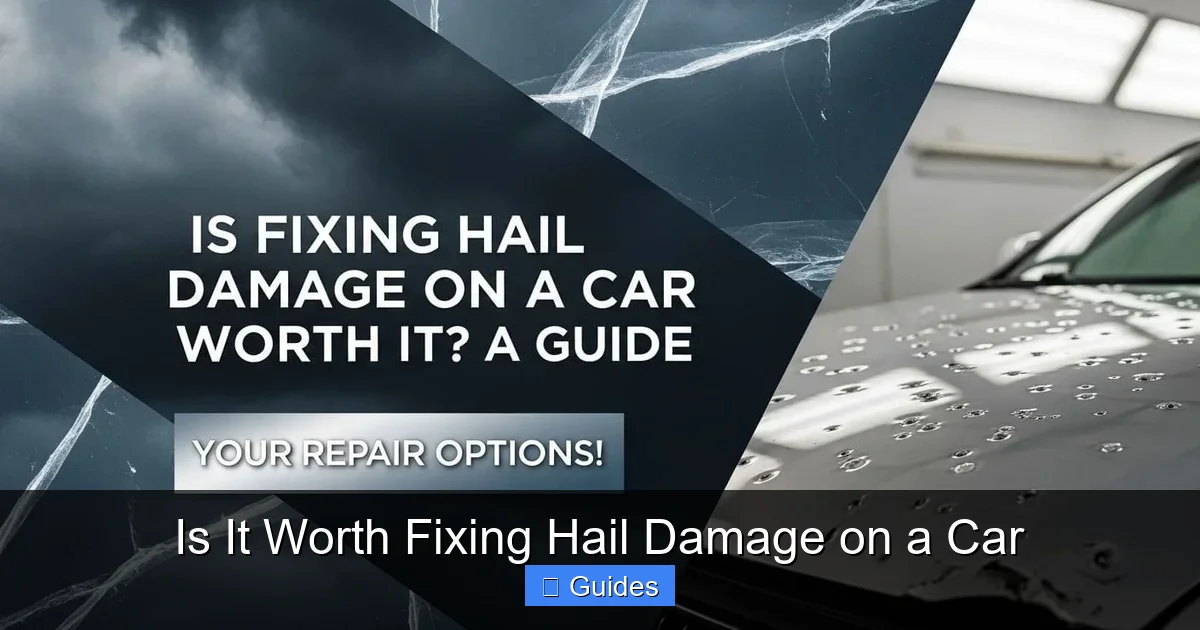
Visual guide about Is It Worth Fixing Hail Damage on a Car
Image source: carxplorer.com
When it comes to repairing hail damage, you have several options. The best choice depends on the extent of the damage, your car’s make and model, and your budget.
Paintless Dent Repair (PDR)
Paintless dent repair (PDR) is the most popular and effective method for fixing hail damage. It involves using specialized tools to gently massage dents out from the inside of the panel, without disturbing the original paint.
- How it works: A technician accesses the back of the damaged panel (often by removing interior trim) and uses long, slender rods to push the dent out from behind.
- Benefits: PDR preserves your factory paint, is faster than traditional repair, and is usually 50–70% cheaper.
- Limitations: PDR works best on shallow dents with intact paint. Deep dents or those with paint damage may require additional work.
For instance, a 2020 Honda Accord with 20 small dents from a hailstorm could be fully restored with PDR in just a few hours, costing around $500–$800. The same job with traditional bodywork might take days and cost over $2,000.
Traditional Body Shop Repairs
If the paint is cracked or the metal is severely stretched, traditional repair may be necessary. This process involves:
- Sanding down the damaged area
- Applying body filler to smooth the surface
- Priming and repainting the panel
- Clear-coating and polishing
While effective, this method is more invasive and time-consuming. It also means your car will no longer have 100% original paint, which can affect resale value.
DIY Repair Kits: Should You Try Them?
You’ve probably seen ads for DIY dent repair kits that promise to fix dents with suction cups, glue pulls, or heat guns. While these tools can work for very minor dings, they’re risky for hail damage.
- Suction cups: May pop out small dents but can’t handle multiple or deep dents. Overuse can warp the metal.
- Glue pull kits: Use adhesive tabs to pull dents out. They work best on flat surfaces but can leave residue or damage clear coat if not used correctly.
- Heat guns: Can warp paint or melt interior components if misused.
We recommend DIY only for isolated, shallow dents on non-critical panels (like a door edge). For widespread hail damage, professional repair is safer and more reliable.
Cost Considerations: How Much Does Hail Repair Cost?
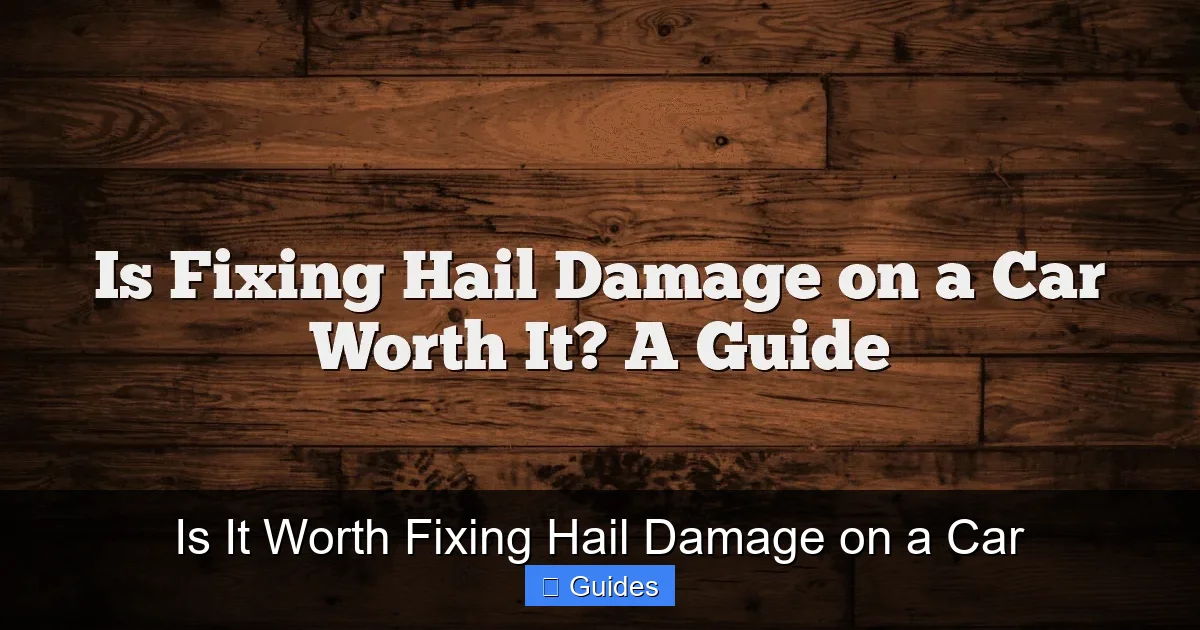
Visual guide about Is It Worth Fixing Hail Damage on a Car
Image source: carxplorer.com
The cost of repairing hail damage varies widely based on several factors. Understanding these can help you budget and decide whether the repair is worth it.
Average Repair Costs
Here’s a general breakdown of hail repair costs:
- Minor damage (1–10 small dents): $300–$800 using PDR
- Moderate damage (10–30 dents): $800–$1,500
- Severe damage (30+ dents, paint damage): $1,500–$3,000+
- Windshield replacement: $200–$500 depending on the vehicle
For example, a 2018 Toyota Camry with 15 dents might cost around $1,000 to repair with PDR. But if the same car has cracked paint on the roof, the cost could jump to $1,800 due to the need for partial repainting.
Factors That Influence Cost
Several variables affect the final price:
- Number and size of dents: More dents = higher labor time.
- Location of damage: Dents on curved surfaces (like fenders) are harder to repair than flat panels.
- Vehicle make and model: Luxury cars or those with complex body lines may cost more to repair.
- Paint condition: If the paint is cracked or chipped, additional prep and repainting add cost.
- Geographic location: Labor rates vary by region—urban areas tend to be more expensive.
Is It Worth the Cost?
To determine if repair is worth it, compare the cost to your car’s current value. A good rule of thumb: if the repair cost is less than 50% of your car’s market value, it’s usually worth fixing.
For example:
– A 2022 Subaru Outback worth $28,000 with $1,200 in hail damage? Definitely worth repairing.
– A 2010 Ford Focus worth $4,000 with $2,500 in damage? Probably not worth it.
Also consider your emotional attachment. If you plan to keep the car for years, repairing it maintains pride of ownership and prevents long-term issues.
Insurance and Hail Damage: What You Need to Know
One of the biggest questions drivers ask is: “Will my insurance cover hail damage?” The answer depends on your policy.
Comprehensive Coverage Is Key
Hail damage is considered a “comprehensive” claim, not collision. This means it’s covered only if you have comprehensive auto insurance—a type of coverage that protects against non-collision events like theft, vandalism, fire, and weather damage.
Most drivers with full coverage have this, but if you only have liability insurance, you’re on your own.
Filing a Claim: Pros and Cons
Filing an insurance claim can help cover repair costs, but it’s not always the best move.
- Pros: Reduces out-of-pocket expense; many insurers offer direct repair partnerships with body shops.
- Cons: Filing a claim may increase your premium, especially if you’ve made claims before. Also, you’ll need to pay your deductible.
For example, if your deductible is $1,000 and the repair costs $1,200, you’ll only get $200 from the insurer. In that case, paying out of pocket might make more sense.
When to File a Claim
Consider filing a claim if:
– The repair cost is significantly higher than your deductible
– You have a high deductible but the damage is extensive
– You’re planning to sell the car soon and need it in top condition
Avoid filing if:
– The damage is minor and repair cost is close to your deductible
– You’re concerned about premium increases
– You have a history of frequent claims
Some insurers offer “claim forgiveness” or “first accident forgiveness,” so check your policy details.
Resale Value and Long-Term Impact
Even if you’re not planning to sell your car tomorrow, hail damage can affect its long-term value and usability.
How Hail Damage Affects Resale Value
Buyers are savvy. They’ll notice dents, and they’ll factor them into their offer. A car with unrepaired hail damage can lose 10–20% of its value, depending on severity.
For example, a used 2019 Honda CR-V with clean history and low miles might sell for $22,000. But with noticeable hail damage, that price could drop to $18,000 or lower.
The Hidden Costs of Ignoring Damage
Beyond resale, there are practical reasons to fix hail damage:
- Rust and corrosion: As mentioned, damaged paint invites moisture, which leads to rust. Once rust spreads, it can weaken structural panels.
- Reduced aerodynamics: Deep dents can disrupt airflow, slightly reducing fuel efficiency.
- Insurance complications: If you later file a claim for another issue, the insurer may note pre-existing damage and deny coverage.
- Pride of ownership: Driving a car that looks cared for boosts confidence and satisfaction.
Maintaining Value Over Time
Regular maintenance and prompt repairs help preserve your car’s value. Think of hail repair as part of that routine. Just like oil changes or tire rotations, addressing damage early prevents bigger problems down the road.
Prevention and Protection: How to Avoid Future Hail Damage
While you can’t control the weather, you can take steps to reduce your risk.
Park Smart
Whenever possible, park in a garage or under a carport during storm season. If you’re caught outside, look for covered parking areas like shopping malls or parking garages.
Use a Hail Car Cover
Hail car covers are thick, padded blankets designed to absorb impact. They’re especially useful for people in hail-prone areas like Colorado, Texas, or Kansas.
- Pros: Affordable ($50–$150), reusable, easy to store
- Cons: Not practical for daily use; requires setup time
Some high-end covers even come with alarms that alert you when hail is detected.
Stay Weather-Aware
Use weather apps to monitor storm forecasts. If a hail warning is issued, move your car to safety as soon as possible.
Consider Comprehensive Insurance
If you live in a high-risk area, comprehensive coverage is a smart investment. The peace of mind it provides often outweighs the small increase in premium.
Final Decision: Should You Fix Hail Damage?
So, is it worth fixing hail damage on a car? The answer isn’t one-size-fits-all, but here’s a simple decision framework:
- Yes, fix it if: Your car is newer or high-value, the repair cost is reasonable, you have comprehensive insurance, or you plan to keep the car long-term.
- Maybe not if: Your car is old and low-value, the repair cost exceeds half its worth, or the damage is very minor and you’re not concerned about appearance.
Remember, modern repair techniques like PDR make fixing hail damage faster, cheaper, and safer than ever. And with insurance often covering the cost, there’s rarely a downside to restoring your car to its pre-storm condition.
In the end, your car is more than just transportation—it’s an investment, a statement, and often a source of pride. Taking care of it, even after a hailstorm, is a smart move.
Frequently Asked Questions
Does insurance cover hail damage?
Yes, if you have comprehensive auto insurance. This coverage protects against non-collision events like hail, fire, and theft. Liability-only policies do not cover hail damage.
How long does it take to repair hail damage?
With paintless dent repair (PDR), most hail damage can be fixed in 1–3 days, depending on severity. Traditional bodywork may take longer, especially if repainting is needed.
Can I fix hail damage myself?
Minor dents might be fixable with DIY kits, but widespread or deep damage should be handled by professionals. DIY attempts can worsen the problem or damage the paint.
Will hail damage cause rust?
Yes, if the paint is cracked or chipped. Moisture can seep in and cause rust over time. Prompt repair helps prevent this.
Is paintless dent repair safe for my car?
Yes, PDR is a safe, non-invasive method that preserves your original paint and factory finish. It’s widely used and trusted by professionals.
Should I repair hail damage before selling my car?
Yes, repairing hail damage can significantly increase your car’s resale value. Buyers are less likely to negotiate aggressively if the car looks well-maintained.

At CarLegit, we believe information should be clear, factual, and genuinely helpful. That’s why every guide, review, and update on our website is created with care, research, and a strong focus on user experience.