
RV antifreeze is generally safe for septic systems when used correctly and in appropriate types. However, not all antifreeze products are created equal—some contain toxic ingredients that can harm your septic tank’s beneficial bacteria. Choosing the right kind and using it responsibly is key to protecting both your RV and your septic system.
In This Article
- 1 Key Takeaways
- 2 📑 Table of Contents
- 3 Is RV Antifreeze Safe for Septic Systems? A Complete Guide
- 4 Understanding RV Antifreeze: What Is It and Why Do You Need It?
- 5 Is RV Antifreeze Safe for Septic Systems? The Science Behind It
- 6 Best Practices for Using RV Antifreeze Safely
- 7 Common Myths About RV Antifreeze and Septic Systems
- 8 Environmental Impact and Sustainability
- 9 Conclusion: Yes, RV Antifreeze Can Be Safe—If You Use It Right
- 10 Frequently Asked Questions
- 10.1 Can I use automotive antifreeze in my RV if I dilute it?
- 10.2 How much RV antifreeze is safe for my septic system?
- 10.3 What should I do if I accidentally used toxic antifreeze?
- 10.4 Can I pour leftover RV antifreeze down the drain?
- 10.5 Is pink RV antifreeze safe for septic systems?
- 10.6 How often should I have my septic system inspected?
Key Takeaways
- Use only non-toxic, RV-specific antifreeze: Look for labels that say “non-toxic,” “propylene glycol-based,” or “safe for septic systems” to avoid harming bacteria.
- Avoid automotive antifreeze: Ethylene glycol-based antifreeze is toxic and can damage septic systems and the environment.
- Proper dilution matters: Always follow manufacturer instructions for mixing and flushing to prevent overloading your septic system.
- Flush with plenty of water: After using antifreeze, run clean water through your plumbing to help dilute and move it through the system.
- Regular septic maintenance is essential: Even with safe antifreeze, routine pumping and inspections keep your system healthy.
- Dispose of excess antifreeze responsibly: Never pour unused antifreeze down the drain or on the ground—take it to a hazardous waste facility.
- Check local regulations: Some areas have specific rules about antifreeze use and disposal—always verify local guidelines.
📑 Table of Contents
- Is RV Antifreeze Safe for Septic Systems? A Complete Guide
- Understanding RV Antifreeze: What Is It and Why Do You Need It?
- Is RV Antifreeze Safe for Septic Systems? The Science Behind It
- Best Practices for Using RV Antifreeze Safely
- Common Myths About RV Antifreeze and Septic Systems
- Environmental Impact and Sustainability
- Conclusion: Yes, RV Antifreeze Can Be Safe—If You Use It Right
Is RV Antifreeze Safe for Septic Systems? A Complete Guide
If you’re an RV owner, you know that winterizing your rig is a must if you live in a cold climate. One of the most important steps in that process is using antifreeze to protect your plumbing from freezing temperatures. But here’s a question that doesn’t always get the attention it deserves: Is RV antifreeze safe for septic systems?
It’s a smart question—and one that every RV owner with a home septic system should ask. After all, your RV’s wastewater eventually ends up in your home’s septic tank, especially if you’re dumping at home or using a septic-safe campground. You don’t want to protect your RV’s pipes only to damage your septic system in the process.
The good news? Most modern RV antifreeze is designed with safety in mind. But not all antifreeze is created equal. Some products contain chemicals that can disrupt the delicate balance of bacteria in your septic tank—those hardworking microbes that break down waste and keep your system running smoothly. If those bacteria die off, your septic system can back up, clog, or fail entirely.
So, the short answer is: Yes, RV antifreeze can be safe for septic systems—but only if you choose the right kind and use it properly. In this guide, we’ll walk you through everything you need to know about RV antifreeze, septic system safety, and how to protect both your RV and your home’s wastewater system.
Understanding RV Antifreeze: What Is It and Why Do You Need It?
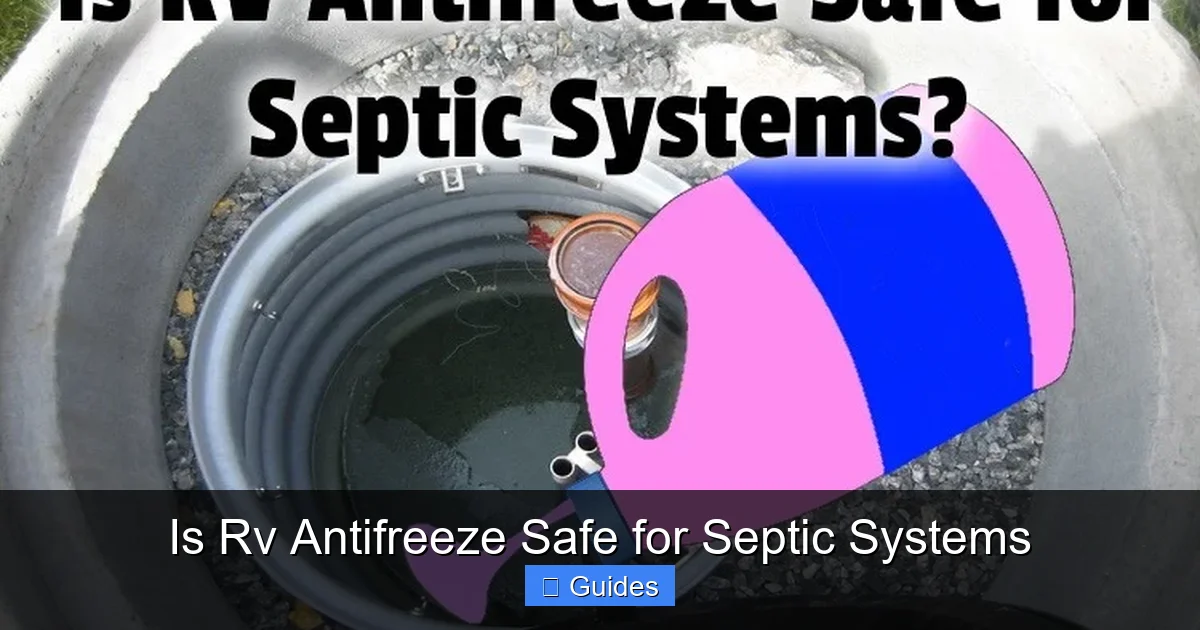
Visual guide about Is Rv Antifreeze Safe for Septic Systems
Image source: rvparenting.com
Before we dive into septic safety, let’s make sure we’re on the same page about what RV antifreeze actually is—and why it’s so important.
RV antifreeze is a specialized fluid used to winterize your recreational vehicle’s plumbing system. When temperatures drop below freezing, any water left in your pipes, tanks, or fixtures can expand as it turns to ice. That expansion can crack pipes, damage water heaters, and ruin valves—leading to expensive repairs and frustrating surprises when you try to use your RV in the spring.
To prevent this, RV owners flush their systems with antifreeze. This low-freezing-point liquid displaces water in the lines and protects everything from freezing damage. It’s typically poured into sinks, showers, toilets, and outdoor showers, then flushed through the system.
But here’s the catch: unlike the antifreeze you put in your car, RV antifreeze is not the same as automotive antifreeze. Automotive antifreeze is usually made with ethylene glycol, a highly toxic substance that can be deadly if ingested and harmful to the environment. It’s not safe for septic systems and should never be used in an RV.
RV antifreeze, on the other hand, is typically made with propylene glycol or ethanol—both of which are much less toxic and, in the right formulations, safe for septic systems.
Types of RV Antifreeze: Propylene Glycol vs. Ethanol
There are two main types of RV antifreeze on the market: propylene glycol-based and ethanol-based. Let’s break down the differences.
Propylene Glycol-Based Antifreeze
This is the most common type of RV antifreeze and is widely considered the safest option for both people and septic systems. Propylene glycol is a food-grade substance, meaning it’s used in things like food coloring, cosmetics, and even some medications. It’s non-toxic, biodegradable, and breaks down relatively quickly in septic systems.
Because it’s so safe, propylene glycol antifreeze is often labeled as “non-toxic” and “safe for septic systems.” It’s also more effective at lower temperatures, making it ideal for extreme cold.
Ethanol-Based Antifreeze
Ethanol (also known as grain alcohol) is another option. It’s also non-toxic and biodegradable, but it has some downsides. Ethanol is flammable, which can be a concern during storage or use. It also has a stronger odor and may not perform as well in very cold conditions. Additionally, ethanol can be more aggressive on certain rubber seals and gaskets in older plumbing systems.
While ethanol-based antifreeze is generally safe for septic systems, propylene glycol is usually the preferred choice due to its stability and lower risk of damage to plumbing components.
Why Septic System Safety Matters
Your septic system is essentially a miniature wastewater treatment plant buried in your yard. It relies on a balanced ecosystem of beneficial bacteria to break down solid waste and treat liquids before they’re released into the soil.
When you flush RV antifreeze—or any chemical—into your home’s plumbing, it eventually makes its way to the septic tank. If that chemical is toxic or too concentrated, it can kill off those essential bacteria. Without them, waste doesn’t break down properly. Solids can build up, leading to clogs, backups, and eventually system failure.
That’s why it’s so important to use only septic-safe antifreeze and to follow proper flushing procedures. A little care now can save you thousands of dollars in repairs down the road.
Is RV Antifreeze Safe for Septic Systems? The Science Behind It
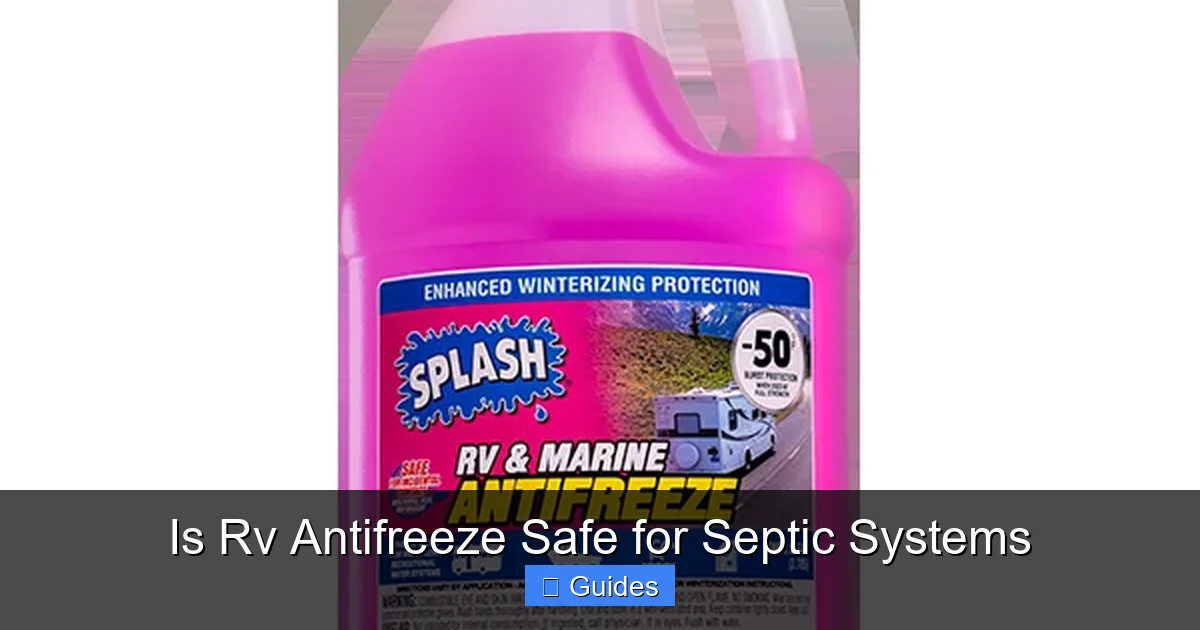
Visual guide about Is Rv Antifreeze Safe for Septic Systems
Image source: splashwash.com
Now that we understand what RV antifreeze is and how septic systems work, let’s get into the real question: Is RV antifreeze safe for septic systems?
The answer depends on the type of antifreeze, how much you use, and how you dispose of it.
How Antifreeze Affects Septic Bacteria
Septic systems depend on anaerobic and aerobic bacteria to digest organic matter. These microorganisms break down solids, reduce sludge buildup, and help purify wastewater. Introducing harsh chemicals—even in small amounts—can disrupt this delicate balance.
Studies and expert opinions from organizations like the Environmental Protection Agency (EPA) and the National Onsite Wastewater Recycling Association (NOWRA) confirm that non-toxic, propylene glycol-based RV antifreeze is generally safe for septic systems when used as directed.
Propylene glycol is biodegradable and breaks down relatively quickly in the presence of oxygen and bacteria. In normal concentrations—like what you’d use during a standard winterization—it doesn’t significantly harm the microbial ecosystem in your tank.
However, there are limits. If you dump large amounts of antifreeze directly into your septic system—say, by pouring a whole bottle down the drain—you could overwhelm the system and temporarily reduce bacterial activity. That’s why proper dilution and flushing are so important.
What About Ethanol-Based Antifreeze?
Ethanol is also biodegradable and non-toxic, so it’s generally safe for septic systems too. However, because it’s a solvent, it can be more disruptive to bacterial colonies if used in high concentrations. It’s still considered safe when used correctly, but propylene glycol remains the gold standard for septic safety.
The Danger of Automotive Antifreeze
This is where things get risky. Automotive antifreeze is almost always made with ethylene glycol, a highly toxic chemical. Just a small amount can be fatal to pets or children if ingested, and it’s extremely harmful to the environment.
When ethylene glycol enters a septic system, it doesn’t break down easily. It can kill off bacteria, disrupt the treatment process, and even contaminate groundwater if the system fails. Never use automotive antifreeze in your RV or pour it into your septic system.
Always check the label. If it says “ethylene glycol” or “toxic,” don’t use it. Look for “propylene glycol” or “non-toxic” instead.
Best Practices for Using RV Antifreeze Safely
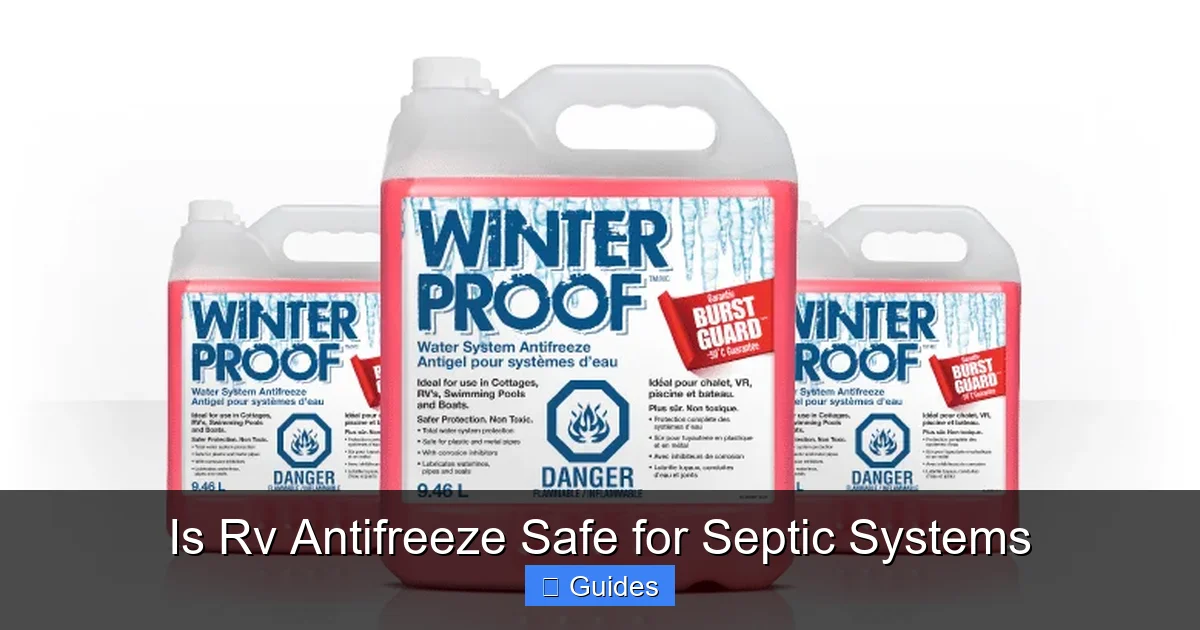
Visual guide about Is Rv Antifreeze Safe for Septic Systems
Image source: groundstone.ca
Using RV antifreeze safely isn’t just about choosing the right product—it’s also about how you use it. Follow these best practices to protect your septic system and your RV.
Choose the Right Antifreeze
Start by reading the label carefully. Look for these keywords:
– “Non-toxic”
– “Propylene glycol-based”
– “Safe for septic systems”
– “RV antifreeze” (not “automotive”)
Avoid anything that says “ethylene glycol” or “toxic.” If you’re unsure, contact the manufacturer or choose a well-known brand like Camco, Prestone, or RecPro.
Follow Manufacturer Instructions
Every antifreeze product comes with instructions for use. These will tell you how much to use, how to mix it (if needed), and how to flush your system. Following these guidelines ensures you’re not overloading your plumbing or septic system.
For example, most RV antifreeze is used full strength—no mixing with water. But some systems may require dilution, especially if you’re using it in a water heater or certain types of toilets.
Flush with Plenty of Water
After you’ve winterized your RV and before you dump the antifreeze into your septic system, run clean water through your plumbing. This helps dilute any remaining antifreeze and pushes it through the system more quickly.
A good rule of thumb: after using antifreeze, run at least 5–10 gallons of fresh water through each drain and toilet. This helps ensure the antifreeze doesn’t sit in the pipes or tank for too long.
Dump at the Right Time and Place
If you’re dumping your RV’s waste at home, do it when your septic system is functioning normally—not right after pumping or during heavy rain. Avoid dumping large amounts of antifreeze all at once. Instead, spread it out over several dumps if possible.
If you’re at a campground, use designated dump stations. Many campgrounds have septic-safe policies and proper disposal systems in place.
Dispose of Excess Antifreeze Properly
Never pour unused antifreeze down the drain, on the ground, or into storm drains. Even non-toxic antifreeze should be treated as hazardous waste if you’re not using it.
Take leftover antifreeze to a local hazardous waste collection facility or recycling center. Many auto parts stores and municipal waste departments offer free disposal programs.
Maintain Your Septic System Regularly
Using septic-safe antifreeze is just one part of the equation. To keep your system healthy, have it inspected and pumped every 3–5 years, depending on usage. Regular maintenance helps ensure that any minor chemical exposure doesn’t lead to bigger problems.
Common Myths About RV Antifreeze and Septic Systems
There’s a lot of misinformation out there about RV antifreeze and septic safety. Let’s clear up some of the most common myths.
Myth: All Antifreeze Is the Same
False. RV antifreeze and automotive antifreeze are completely different products. Only use antifreeze specifically labeled for RVs. Automotive antifreeze is toxic and unsafe for septic systems.
Myth: A Little Bit of Toxic Antifreeze Won’t Hurt
False. Even small amounts of ethylene glycol can harm septic bacteria and contaminate groundwater. Always use non-toxic, septic-safe antifreeze.
Myth: You Can Dilute Toxic Antifreeze to Make It Safe
False. Diluting toxic antifreeze doesn’t make it safe. The chemicals are still present and can still cause damage. Only use products that are inherently non-toxic.
Myth: Septic Systems Can Handle Any Chemical
False. Septic systems are designed to handle human waste and biodegradable materials—not harsh chemicals. Over time, even “safe” chemicals can build up and cause problems if used excessively.
Myth: You Don’t Need to Winterize If You’re Not Using Your RV
False. Even if your RV is stored, water left in the plumbing can freeze and cause damage. Winterizing with antifreeze is a necessary step to protect your investment.
Environmental Impact and Sustainability
Beyond protecting your septic system, it’s important to consider the environmental impact of RV antifreeze.
Biodegradability and Breakdown
Propylene glycol and ethanol are both biodegradable, meaning they break down naturally in the environment. However, “biodegradable” doesn’t mean “harmless.” Large amounts can still deplete oxygen in waterways or disrupt ecosystems if not managed properly.
That’s why proper disposal is key. Never dump antifreeze on the ground or into rivers, lakes, or storm drains.
Eco-Friendly Alternatives
Some RV owners are exploring alternative winterization methods, such as using compressed air to blow out water lines (a process called “blow-out”). This method uses no chemicals at all and is completely safe for septic systems and the environment.
However, blow-outs require special equipment and expertise. If not done correctly, they can leave water behind, leading to freezing damage. For most RV owners, using a small amount of septic-safe antifreeze is still the most reliable and practical option.
Reducing Your Environmental Footprint
You can minimize your impact by:
– Using only the amount of antifreeze needed
– Choosing concentrated formulas that require less product
– Recycling or properly disposing of unused antifreeze
– Maintaining your RV’s plumbing to reduce leaks and waste
Conclusion: Yes, RV Antifreeze Can Be Safe—If You Use It Right
So, is RV antifreeze safe for septic systems? The answer is a cautious yes—as long as you choose the right product and follow best practices.
Non-toxic, propylene glycol-based RV antifreeze is designed to be safe for both your plumbing and your septic system. It’s biodegradable, non-toxic, and breaks down without harming the beneficial bacteria that keep your tank functioning.
But safety depends on responsible use. Avoid automotive antifreeze at all costs. Follow manufacturer instructions. Flush with water. Dispose of excess properly. And maintain your septic system regularly.
By taking these steps, you can protect your RV from winter damage without compromising your home’s wastewater system. It’s all about making informed choices and treating both your RV and your environment with care.
Winterizing your RV doesn’t have to be a stressful or risky process. With the right knowledge and a little attention to detail, you can enjoy peace of mind all season long—and keep your septic system healthy for years to come.
Frequently Asked Questions
Can I use automotive antifreeze in my RV if I dilute it?
No, you should never use automotive antifreeze in your RV, even if diluted. It contains ethylene glycol, which is toxic and harmful to septic systems and the environment. Always use RV-specific, non-toxic antifreeze.
How much RV antifreeze is safe for my septic system?
A typical winterization uses 1–2 quarts of antifreeze, which is generally safe for septic systems when diluted with water and flushed properly. Avoid dumping large amounts at once.
What should I do if I accidentally used toxic antifreeze?
If you’ve used ethylene glycol-based antifreeze, stop using the system immediately. Contact a septic professional for advice. You may need to pump the tank and reintroduce bacteria to restore balance.
Can I pour leftover RV antifreeze down the drain?
No, even non-toxic antifreeze should not be poured down the drain in large quantities. Take unused antifreeze to a hazardous waste facility for proper disposal.
Is pink RV antifreeze safe for septic systems?
Yes, most pink RV antifreeze is propylene glycol-based and labeled as non-toxic and septic-safe. Always check the label to confirm it’s safe for septic use.
How often should I have my septic system inspected?
Septic systems should be inspected every 1–3 years and pumped every 3–5 years, depending on usage. Regular maintenance helps prevent issues from chemical exposure or overuse.

At CarLegit, we believe information should be clear, factual, and genuinely helpful. That’s why every guide, review, and update on our website is created with care, research, and a strong focus on user experience.