
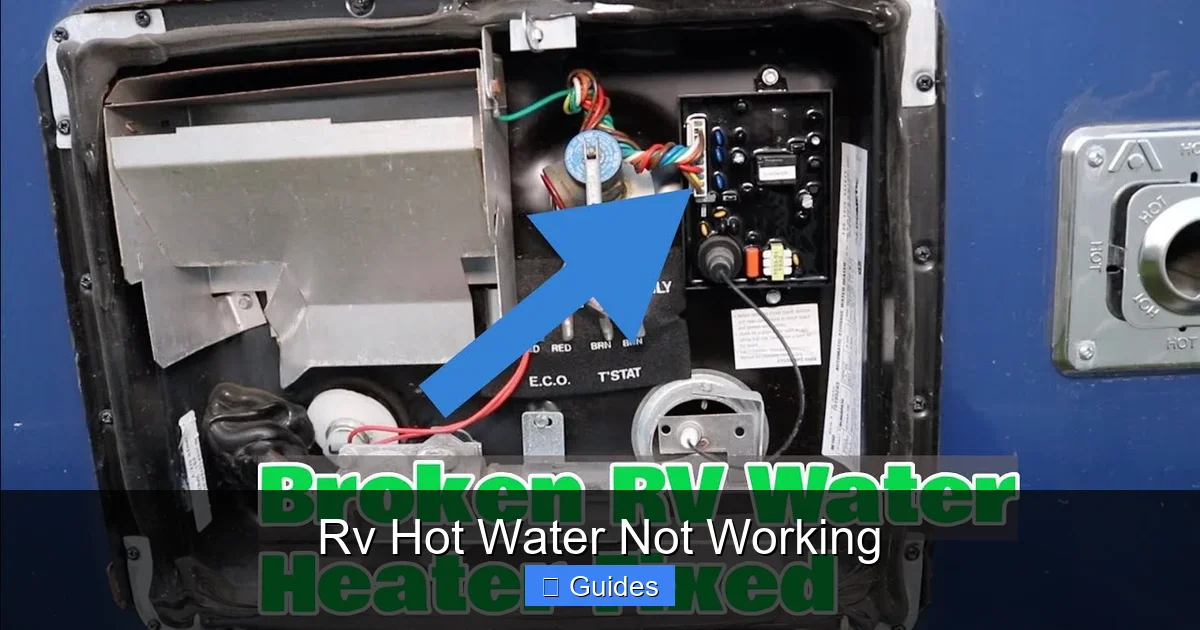
RV hot water not working? You’re not alone. This frustrating issue can stem from gas supply problems, electrical faults, or sediment buildup. With the right troubleshooting steps, most hot water issues are fixable without a professional.
In This Article
- 1 Key Takeaways
- 2 📑 Table of Contents
- 3 Why Is My RV Hot Water Not Working? A Common RV Owner Frustration
- 4 Understanding How Your RV Water Heater Works
- 5 Top 5 Common Causes of RV Hot Water Not Working
- 6 Step-by-Step Troubleshooting Guide
- 7 Preventative Maintenance to Avoid Future Problems
- 8 When to Call a Professional
- 9 Conclusion: Get Your Hot Water Flowing Again
- 10 Frequently Asked Questions
- 10.1 Why is my RV water heater not heating on gas?
- 10.2 Can I run my RV water heater on electric only?
- 10.3 How often should I flush my RV water heater?
- 10.4 What does it mean if my water heater makes a popping noise?
- 10.5 Is it safe to use vinegar to clean my RV water heater?
- 10.6 Why won’t my hot water come out even though the heater is on?
Key Takeaways
- Check the power source first: Whether your RV uses electricity, propane, or both, ensure the correct energy source is on and functioning.
- Inspect the propane system: A clogged line, empty tank, or faulty regulator can prevent the water heater from igniting.
- Look for tripped breakers or blown fuses: Electrical water heaters won’t work if the circuit is interrupted—check your RV’s electrical panel.
- Drain and flush the tank regularly: Sediment buildup is a leading cause of poor heating and strange noises—flush at least once a year.
- Test the thermostat and heating elements: Faulty components can prevent water from heating even when power and gas are working.
- Don’t ignore the bypass valve: If it’s in the wrong position during winterizing or filling, hot water won’t flow to your taps.
- Know when to call a pro: If basic troubleshooting fails, a certified RV technician can diagnose complex issues safely.
📑 Table of Contents
- Why Is My RV Hot Water Not Working? A Common RV Owner Frustration
- Understanding How Your RV Water Heater Works
- Top 5 Common Causes of RV Hot Water Not Working
- Step-by-Step Troubleshooting Guide
- Preventative Maintenance to Avoid Future Problems
- When to Call a Professional
- Conclusion: Get Your Hot Water Flowing Again
Why Is My RV Hot Water Not Working? A Common RV Owner Frustration
There’s nothing quite like the comfort of a hot shower after a long day of hiking, driving, or exploring the great outdoors. But when you step into your RV and turn on the hot water tap only to be met with a trickle of cold water—or worse, nothing at all—it can quickly turn a peaceful adventure into a stressful ordeal. If your RV hot water not working, you’re not alone. This is one of the most common issues RV owners face, and it can happen at the worst possible times: in the middle of winter, during a remote boondocking trip, or right before a big family gathering.
The good news? Most RV hot water problems are fixable with some basic troubleshooting. Unlike home water heaters, RV systems are compact, dual-fuel (often using both electricity and propane), and subject to unique challenges like vibration, temperature swings, and infrequent use. Understanding how your RV water heater works—and knowing where to look when things go wrong—can save you time, money, and a lot of frustration. Whether you’re a full-time RVer or a weekend warrior, this guide will walk you through the most common causes of hot water failure and how to get your system back up and running.
Understanding How Your RV Water Heater Works
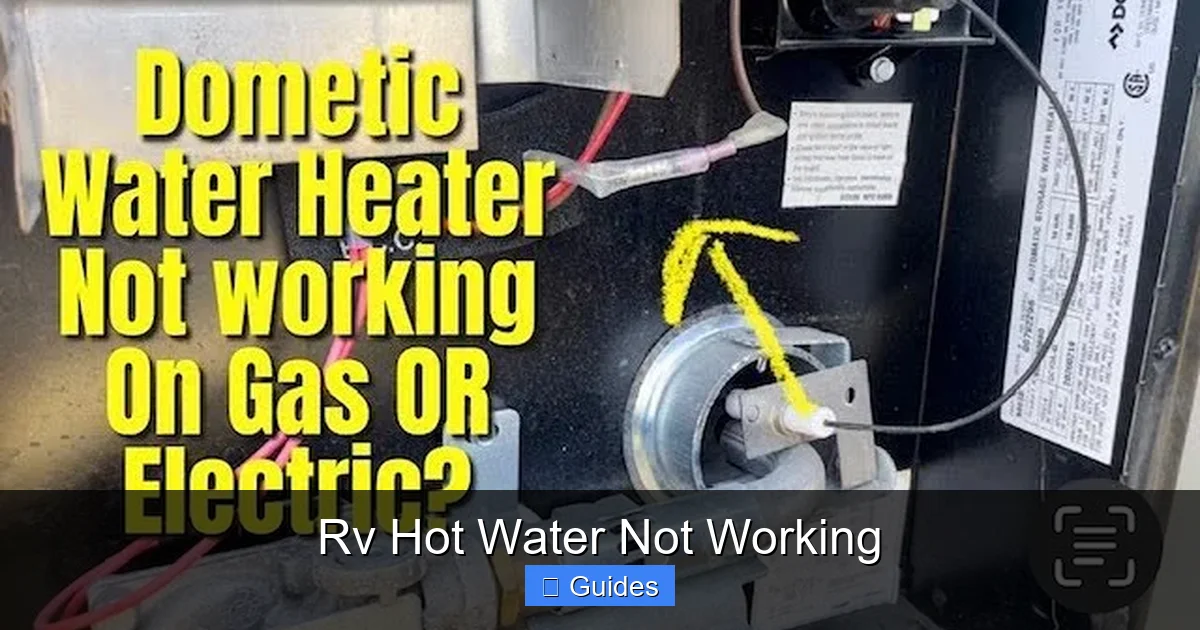
Visual guide about Rv Hot Water Not Working
Image source: gocarlife.com
Before diving into fixes, it helps to understand the basics of how an RV water heater operates. Most RVs use a tank-style water heater that holds between 6 and 10 gallons of water. These units typically run on either electricity, propane (LP gas), or both—known as “dual-element” systems. When you turn on the hot water tap, cold water enters the tank, and the heating system kicks in to warm it up.
There are two main types of RV water heaters: gas-only and electric/gas combo. Gas models use a burner located beneath the tank to heat the water, while electric models use a heating element inside the tank. Combo units can switch between the two, giving you flexibility depending on your power source. Many modern RVs also feature an “auto-switch” function that automatically uses whichever energy source is available.
The system also includes several key components: a thermostat to regulate temperature, a pressure relief valve for safety, a drain plug for maintenance, and a bypass valve used during winterization. If any of these parts fail or are misconfigured, your hot water won’t work—even if everything else seems fine.
Gas vs. Electric: Which One Is Failing?
One of the first things to determine is whether your water heater is running on gas, electricity, or both. If you have a dual system, try switching modes. For example, if the gas isn’t lighting, switch to electric mode and see if the water heats up. If it does, the problem is likely with the propane system. If neither works, the issue may be electrical or mechanical.
Most RV owners prefer using propane when boondocking or camping off-grid because it doesn’t require shore power. However, propane systems can be finicky—especially in cold weather or after long periods of non-use. Electric heating, on the other hand, is more reliable but only works when you’re plugged into 120V power or running a generator.
The Role of the Thermostat and Heating Element
The thermostat controls when the heating system turns on and off based on the water temperature. If it’s set too low, your water may not get hot enough. If it’s faulty, it might not signal the heater to activate at all. Similarly, the heating element (in electric models) can burn out over time, especially if the tank is run dry or filled with mineral-heavy water.
A simple way to test the thermostat is to turn it to the highest setting and listen for a click when the heater activates. If you don’t hear anything, the thermostat or its wiring may be the issue. For electric elements, a multimeter can check for continuity—no reading means the element needs replacement.
Top 5 Common Causes of RV Hot Water Not Working
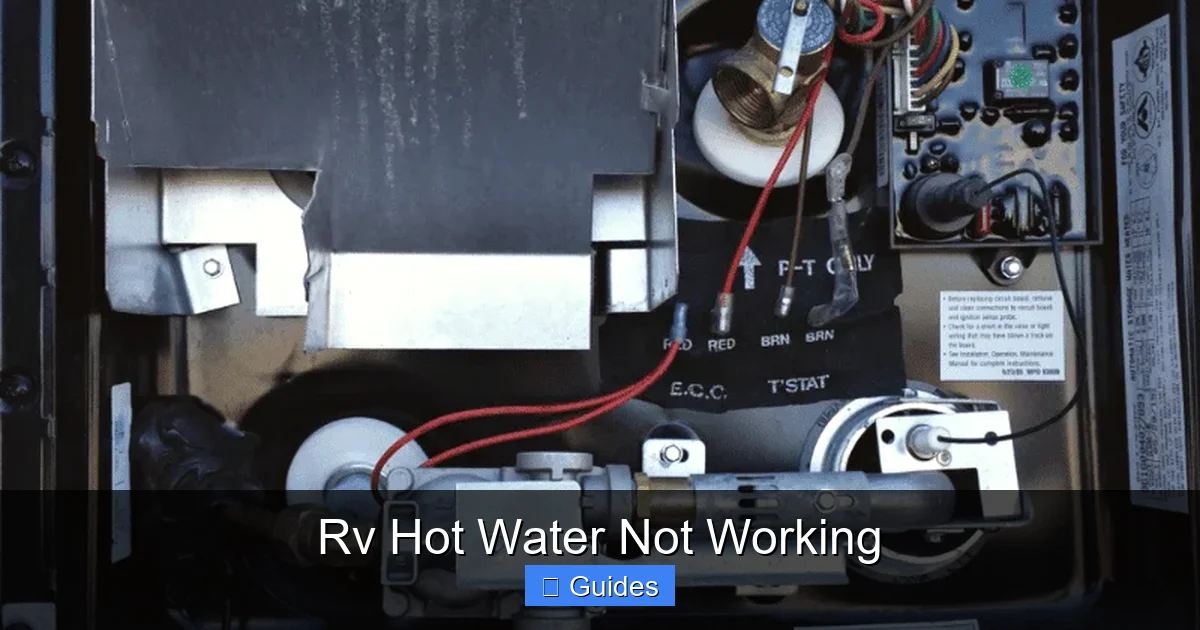
Visual guide about Rv Hot Water Not Working
Image source: rvingknowhow.com
Now that you understand how the system works, let’s look at the most frequent reasons your RV hot water isn’t working. Many of these issues are easy to spot and fix with a little know-how.
1. Propane Supply Issues
If your water heater runs on propane and won’t light, the first thing to check is the gas supply. Start by confirming that your propane tank isn’t empty. Even if the gauge shows gas, it could be stuck or inaccurate. Try turning the tank valve on and off, or test it with another appliance like a stove or furnace.
Next, check the propane line for kinks, leaks, or blockages. A clogged line can prevent gas from reaching the burner. Also, inspect the regulator—this small device controls gas pressure. If it’s faulty, it can cause low pressure or no flow at all. You can test this by lighting another gas appliance; if it also struggles, the regulator may need replacing.
Cold weather can also affect propane performance. Propane doesn’t vaporize well below freezing, so if you’re camping in winter, your tank may not deliver enough gas. Keeping the tank in the sun or using a propane heater blanket can help.
2. Electrical Problems
For electric or dual-mode water heaters, electrical issues are a common culprit. Start by checking the breaker panel in your RV. Look for a tripped breaker labeled “Water Heater” or “WH.” If it’s tripped, reset it and see if the heater works. If it trips again immediately, there may be a short circuit or a faulty heating element.
Also, check the fuse if your system uses one instead of a breaker. A blown fuse will cut power to the heater. Replace it with one of the same amperage. If you’re unsure, consult your RV’s manual or a wiring diagram.
Another electrical issue is a faulty switch or control board. Some RVs have a dedicated water heater switch on the control panel. Make sure it’s turned on. If it feels loose or doesn’t click, it may need replacement. In newer models, the control board manages multiple systems—if it fails, it can disable the water heater even if power is present.
3. Sediment Buildup in the Tank
Over time, minerals from hard water settle at the bottom of the water heater tank, forming a layer of sediment. This buildup acts as an insulator, preventing the heating element or burner from transferring heat efficiently. It can also cause strange noises (like popping or rumbling) and reduce the tank’s capacity.
Flushing the tank regularly is the best prevention. To do this, turn off the power and water supply, attach a hose to the drain valve, and let the water flow out until it runs clear. For heavy buildup, you may need to use a descaling solution or vinegar soak. Never flush a hot tank—always let it cool first to avoid burns.
If sediment has damaged the heating element or caused corrosion, you may need to replace parts or the entire tank. Signs of severe buildup include very slow heating, discolored water, or a sulfur-like smell (which can indicate bacteria growing in the tank).
4. Faulty Thermostat or Heating Element
Even if power and gas are working, a broken thermostat or heating element can stop your water from heating. The thermostat may fail to detect temperature changes or send the wrong signal to the heating system. The heating element can burn out due to age, dry firing (running the heater with no water), or electrical surges.
To test the thermostat, turn it to the highest setting and listen for a click. If you don’t hear it, or if the water doesn’t heat, the thermostat may need replacement. For the heating element, use a multimeter to check for continuity. No reading means it’s dead and needs to be swapped out.
Replacing these parts is usually straightforward but requires draining the tank first. Always turn off power and water before starting. If you’re not comfortable with electrical work, consider hiring a technician.
5. Bypass Valve in the Wrong Position
This is a sneaky one that catches many RV owners off guard. The bypass valve is used during winterization to redirect antifreeze away from the water heater. If it’s left in the “bypass” position after winterizing, water won’t flow into the tank—so no hot water will reach your taps.
The bypass valve is usually located near the water heater, often behind an access panel. It has three positions: “Normal,” “Bypass,” and sometimes “Winterize.” Make sure it’s set to “Normal” when you want to use the heater. If you’re unsure, consult your owner’s manual or look for a diagram near the valve.
This mistake is especially common after seasonal storage or winter camping. Always double-check the valve position before assuming the heater is broken.
Step-by-Step Troubleshooting Guide
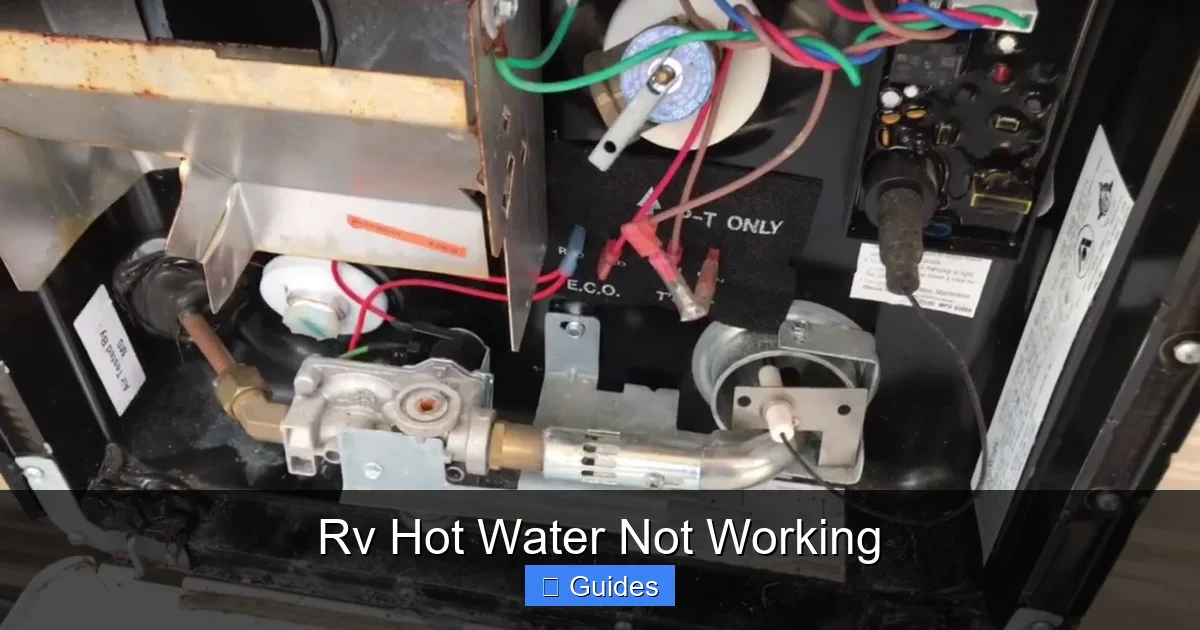
Visual guide about Rv Hot Water Not Working
Image source: i.ytimg.com
When your RV hot water not working, follow this systematic approach to identify and fix the problem.
Step 1: Check the Power and Fuel Sources
Start with the basics. Is your RV plugged into shore power? Is the generator running? Is the propane tank valve open? Confirm that both electrical and gas systems are active if you’re using a dual-mode heater.
For electric heaters, check the breaker and fuse. For gas, ensure the tank has fuel and the regulator is functioning. Try lighting another gas appliance to confirm propane flow.
Step 2: Inspect the Water Heater Switch and Controls
Locate the water heater switch on your RV’s control panel. Make sure it’s turned on. Some models have a red indicator light that shows when the heater is active. If the light doesn’t come on, the switch or control board may be faulty.
Also, check the thermostat setting. Turn it to the highest temperature and wait 15–20 minutes. If the water doesn’t heat, move to the next step.
Step 3: Test the Heating Element or Burner
For electric heaters, use a multimeter to test the heating element for continuity. If it’s dead, replace it. For gas heaters, listen for the ignition spark when you turn on the heater. If you don’t hear it, the igniter may be dirty or broken.
Clean the burner assembly with a soft brush to remove debris. If the flame lights but goes out quickly, the thermocouple (a safety sensor) may be faulty and need replacement.
Step 4: Flush the Tank and Check for Sediment
Drain the water heater completely. Attach a hose to the drain valve and let the water flow until it’s clear. If you see sand, rust, or scale, flush again or use a cleaning solution.
After flushing, refill the tank slowly to avoid air locks. Open a hot water tap inside the RV to let air escape as the tank fills.
Step 5: Verify the Bypass Valve Position
Locate the bypass valve near the water heater. Ensure it’s set to “Normal” or “Use” mode. If it was in bypass, turn it to the correct position and test the hot water again.
This simple fix resolves many “mystery” cases where everything else seems fine.
Step 6: Check for Leaks or Blockages
Inspect the water lines leading to and from the heater. Look for leaks, kinks, or clogs. A blocked inlet or outlet can prevent water from flowing properly.
Also, check the pressure relief valve. If it’s leaking, it may need replacement. Never plug or disable this safety feature.
Preventative Maintenance to Avoid Future Problems
An ounce of prevention is worth a pound of cure—especially when you’re miles from the nearest service center. Regular maintenance can keep your RV water heater running smoothly for years.
Flush the Tank Annually
Even if you don’t notice problems, flush the water heater at least once a year. This removes sediment and extends the life of the tank and heating elements. Do it before winter storage and again in the spring.
Use a Water Softener or Filter
If you camp in areas with hard water, consider installing a water softener or inline filter. This reduces mineral buildup and protects your plumbing and appliances.
Inspect Propane Components Regularly
Check the propane tank, regulator, and lines for damage or wear. Replace the regulator every 5–10 years, or sooner if you notice performance issues.
Test the System Before Long Trips
A week before a big trip, test your water heater in both electric and gas modes. This gives you time to fix any issues before you hit the road.
Winterize Properly
If you store your RV in cold climates, winterize the water system correctly. Use the bypass valve to protect the heater from antifreeze, and drain the tank completely to prevent freezing and cracking.
When to Call a Professional
While many RV hot water issues are DIY-friendly, some problems require expert help. If you’ve tried all the troubleshooting steps and still have no hot water, it may be time to call a certified RV technician.
Signs you need professional assistance include:
– Persistent tripping of breakers or blowing fuses
– Gas leaks or strong propane smells
– Visible damage to the tank or wiring
– No ignition after cleaning the burner and thermocouple
– Electrical issues you’re not comfortable handling
A technician can perform advanced diagnostics, replace complex components, and ensure your system is safe and up to code. It’s always better to be safe than sorry—especially with gas and electrical systems.
Conclusion: Get Your Hot Water Flowing Again
Dealing with RV hot water not working is never fun, but it doesn’t have to ruin your trip. By understanding how your water heater works and knowing the most common causes of failure, you can often fix the problem yourself in under an hour. Start with the basics—check your power, fuel, and valve positions—then move on to testing components and flushing the tank.
Regular maintenance is key to avoiding surprises on the road. Flush your tank, inspect your propane system, and test your heater before long journeys. And remember, if you’re ever unsure or uncomfortable with a repair, don’t hesitate to call a professional.
With the right knowledge and a little elbow grease, you’ll be back to enjoying hot showers and warm dishes in no time. After all, part of the RV lifestyle is solving problems on the fly—and coming out stronger on the other side.
Frequently Asked Questions
Why is my RV water heater not heating on gas?
This is often due to a propane supply issue, such as an empty tank, closed valve, or faulty regulator. Check that your propane tank is full and the valve is open, and test another gas appliance to confirm flow. If the burner won’t ignite, the igniter or thermocouple may need cleaning or replacement.
Can I run my RV water heater on electric only?
Yes, if your model is dual-mode, you can switch to electric heating when plugged into shore power or running a generator. Just make sure the breaker is on and the heating element is functioning. Electric-only use is great for campgrounds with reliable power.
How often should I flush my RV water heater?
It’s recommended to flush your water heater at least once a year to remove sediment buildup. If you use your RV frequently or camp in areas with hard water, consider flushing it twice a year to maintain efficiency and prevent damage.
What does it mean if my water heater makes a popping noise?
Popping or rumbling sounds usually indicate sediment buildup at the bottom of the tank. The sediment traps heat and causes the water to boil unevenly. Flushing the tank should resolve the noise and improve heating performance.
Is it safe to use vinegar to clean my RV water heater?
Yes, vinegar is a safe and effective natural cleaner for removing mineral scale. Drain the tank, fill it with a 50/50 mix of vinegar and water, let it sit for 1–2 hours, then flush thoroughly. Avoid using harsh chemicals that could damage seals or tanks.
Why won’t my hot water come out even though the heater is on?
This could be due to a closed bypass valve, air trapped in the lines, or a clogged faucet aerator. Check that the bypass valve is in the “Normal” position, and open a hot water tap to release air. If the problem persists, inspect the water lines for blockages.

At CarLegit, we believe information should be clear, factual, and genuinely helpful. That’s why every guide, review, and update on our website is created with care, research, and a strong focus on user experience.