
Buying a car with an oil leak isn’t always a deal-breaker, but it’s a red flag that demands attention. The key is understanding the cause, cost of repair, and long-term impact on engine health before making a decision.
In This Article
- 1 Key Takeaways
- 2 📑 Table of Contents
- 3 Should I Buy a Car with an Oil Leak? A Smart Buyer’s Guide
- 4 What Causes Oil Leaks in Cars?
- 5 How Serious Is the Oil Leak?
- 6 How Much Will It Cost to Fix an Oil Leak?
- 7 Should You Buy the Car? 5 Questions to Ask
- 8 Smart Tips for Buying a Car with an Oil Leak
- 9 When to Walk Away
- 10 Final Thoughts: Make an Informed Decision
- 11 Frequently Asked Questions
Key Takeaways
- Oil leaks vary in severity: Minor leaks may only need a gasket replacement, while major ones could signal engine damage.
- Costs can add up fast: Repairs range from $100 for a simple fix to over $1,000 for internal engine work.
- Negotiate the price down: Use the leak as leverage to get a better deal or request repairs before purchase.
- Get a pre-purchase inspection: A trusted mechanic can uncover hidden issues and confirm the leak’s source.
- Watch for warning signs: Smoke, burning smells, or low oil levels between changes mean trouble.
- Consider the car’s age and mileage: Older, high-mileage vehicles are more prone to leaks and recurring problems.
- Document everything: Keep records of repairs and maintenance to protect your investment.
📑 Table of Contents
- Should I Buy a Car with an Oil Leak? A Smart Buyer’s Guide
- What Causes Oil Leaks in Cars?
- How Serious Is the Oil Leak?
- How Much Will It Cost to Fix an Oil Leak?
- Should You Buy the Car? 5 Questions to Ask
- Smart Tips for Buying a Car with an Oil Leak
- When to Walk Away
- Final Thoughts: Make an Informed Decision
Should I Buy a Car with an Oil Leak? A Smart Buyer’s Guide
So, you’ve found a car you really like—great price, nice features, and it drives smoothly. But then you notice it: a dark, greasy spot under the engine, or maybe a few drops of oil on the driveway after it’s been parked. Your heart sinks. “Should I buy a car with an oil leak?” It’s a question that stumps many used car shoppers, and for good reason.
At first glance, an oil leak might seem like a minor issue—just a drip here and there. But in reality, it’s a symptom. It tells you something isn’t quite right under the hood. The good news? Not all oil leaks are engine-killing disasters. Some are easy and cheap to fix. Others, however, can point to serious internal problems that cost thousands to repair. The trick is knowing the difference—and knowing how to respond.
This guide will walk you through everything you need to consider before buying a car with an oil leak. We’ll break down the common causes, the potential costs, and the smart steps you can take to protect yourself. Whether you’re shopping for a used sedan, a family SUV, or a sporty coupe, understanding oil leaks could save you from a costly mistake.
What Causes Oil Leaks in Cars?
Visual guide about Should I Buy a Car with an Oil Leak
Image source: m.media-amazon.com
Before deciding whether to buy a car with an oil leak, it helps to understand what’s actually going on. Oil leaks don’t happen for no reason. They’re usually the result of wear and tear, poor maintenance, or design flaws. Let’s look at the most common culprits.
Worn or Damaged Gaskets and Seals
One of the top reasons for oil leaks is aging gaskets and seals. Over time, rubber and silicone components harden, crack, or lose their shape. The valve cover gasket, oil pan gasket, and rear main seal are frequent offenders. These parts are designed to keep oil contained, but after years of heat cycles and engine vibrations, they can fail.
For example, a valve cover gasket on a 10-year-old Honda Accord might start leaking after 120,000 miles. It’s not uncommon, and replacing it typically costs between $150 and $300. But if the leak has been ignored for too long, oil can seep into spark plug wells, causing misfires and rough idling.
Loose or Damaged Oil Drain Plug
Sometimes, the leak is as simple as a loose oil drain plug. If the previous owner or mechanic didn’t tighten it properly after an oil change, oil can slowly drip out. In worse cases, the threads in the oil pan can strip, making it impossible to seal the plug. This might require a thread repair kit or even a new oil pan.
This type of leak is usually easy to spot—oil drips directly beneath the engine, right under the drain plug. It’s also one of the cheapest fixes, often under $50 if it’s just a matter of tightening or replacing the plug.
Cracked Oil Pan
The oil pan sits at the bottom of the engine and holds the oil when the car is off. It’s made of metal or plastic and can crack from road debris, potholes, or corrosion. A cracked oil pan will leak oil steadily, especially when the engine is running and oil pressure builds.
Replacing an oil pan isn’t overly complicated, but it does require lifting the engine slightly and draining the oil. Labor costs can push the total repair to $300–$600, depending on the vehicle.
Failed Oil Filter or Oil Cooler Lines
The oil filter screws onto the engine and can sometimes leak if it’s over-tightened, under-tightened, or if the gasket is damaged. Similarly, some cars have oil cooler lines that circulate oil through a radiator-like system. These lines can degrade over time and develop cracks or loose connections.
These leaks are usually easy to fix—just replace the filter or tighten the lines. But if the oil cooler itself is leaking, that’s a bigger job and could cost $200–$500.
High Engine Pressure or Internal Wear
In rare cases, an oil leak isn’t due to a failed seal—but because the engine is producing too much internal pressure. This can happen when piston rings or cylinder walls are worn, allowing combustion gases to blow past and increase crankcase pressure. The excess pressure forces oil out through weak points like the valve cover or rear main seal.
This is a red flag. It suggests the engine may be nearing the end of its life. If you see a leak combined with blue smoke from the exhaust or low compression, walk away.
How Serious Is the Oil Leak?
Visual guide about Should I Buy a Car with an Oil Leak
Image source: m.media-amazon.com
Not all oil leaks are created equal. Some are cosmetic—just a few drops that don’t affect performance. Others can lead to engine damage if ignored. The key is assessing the severity.
Minor Leaks: The “Watch and Wait” Category
A minor leak might show up as a small stain under the car or a few drops after a long drive. The oil level stays stable between changes, and there’s no smoke or burning smell. These leaks often come from gaskets or seals and can be monitored for a while.
For example, a 2012 Toyota Camry with 90,000 miles might develop a slow leak from the valve cover gasket. If the owner tops off the oil regularly and the engine runs fine, it’s not an emergency. But it should be fixed within a few months to prevent oil from contaminating other components.
Moderate Leaks: Time to Act
A moderate leak means you’re losing oil faster—maybe a quart every 1,000 miles. You might notice the oil light flickering at idle or the need to add oil between changes. There could be a slight burning smell if oil is dripping onto hot engine parts.
This level of leak usually requires repair within a few weeks. Ignoring it risks low oil levels, which can cause engine knocking, overheating, or even seizure.
Severe Leaks: Walk Away or Demand Repairs
A severe leak is obvious. Oil drips steadily, leaves large puddles, or sprays when the engine is running. The oil level drops quickly, and you might see smoke or smell burning oil. This could indicate a major seal failure, cracked engine block, or internal damage.
If you’re test-driving a car and see oil dripping rapidly, don’t ignore it. This is a major warning sign. The repair could cost $1,000 or more, and there’s no guarantee the problem won’t return.
How Much Will It Cost to Fix an Oil Leak?
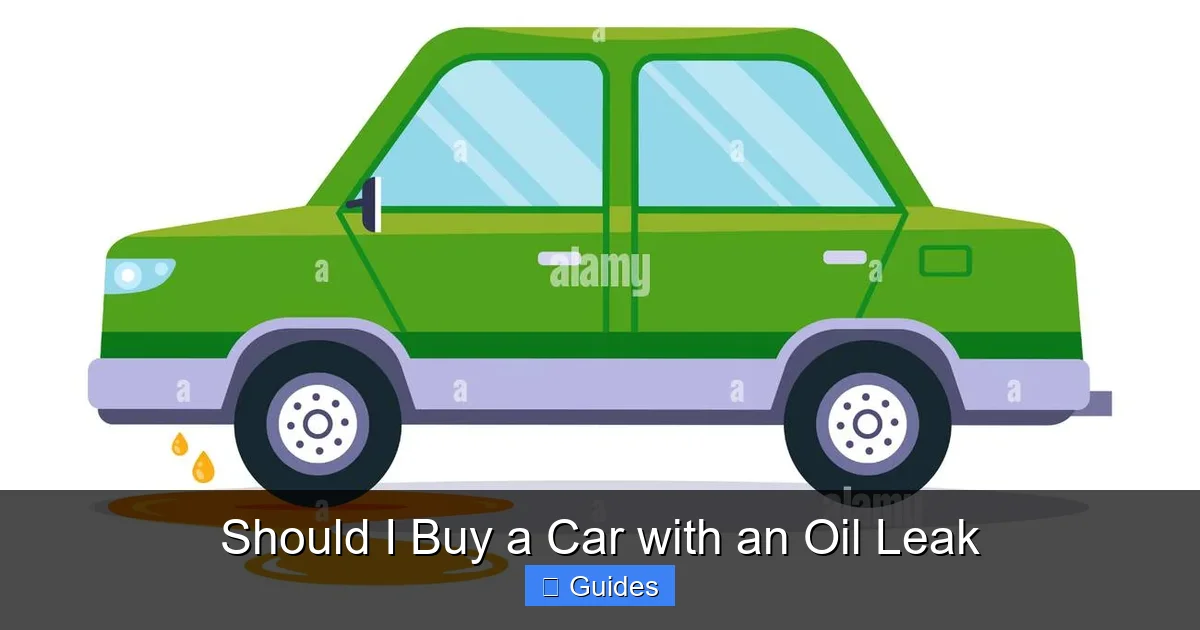
Visual guide about Should I Buy a Car with an Oil Leak
Image source: c8.alamy.com
Cost is a big factor when deciding whether to buy a car with an oil leak. The price of repair depends on the source of the leak, the type of vehicle, and labor rates in your area.
Low-Cost Fixes ($50–$300)
These are the most common and affordable repairs:
– Replacing a valve cover gasket: $150–$300
– Tightening or replacing the oil drain plug: $20–$50
– Installing a new oil filter: $10–$30 (plus labor)
– Replacing oil cooler lines: $100–$250
These jobs are usually straightforward and can be done in a few hours by a competent mechanic.
Mid-Range Repairs ($300–$800)
– Replacing the oil pan gasket: $300–$600
– Installing a new oil pan: $400–$800
– Replacing the rear main seal: $500–$800 (requires transmission removal on many cars)
These repairs are more involved and may require specialized tools or disassembly.
High-Cost Repairs ($800–$2,500+)
– Replacing the timing cover gasket: $600–$1,200
– Fixing a cracked engine block: $1,500–$3,000+
– Rebuilding or replacing the engine: $3,000–$7,000
These are serious issues that often mean the car is nearing the end of its useful life—or has been poorly maintained.
Labor Costs Vary by Vehicle
Labor is often the biggest expense. On a front-wheel-drive car with easy engine access, a valve cover gasket replacement might take 2 hours. On a luxury SUV with a tightly packed engine bay, it could take 4–6 hours. Always ask for a detailed estimate before agreeing to repairs.
Should You Buy the Car? 5 Questions to Ask
Now that you understand the causes and costs, here’s how to decide whether to buy the car.
1. How Old Is the Car and How Many Miles Does It Have?
Older, high-mileage cars are more likely to have oil leaks. A 2008 Ford Focus with 150,000 miles? A small leak might be expected. A 2020 Mazda CX-5 with 40,000 miles? That’s unusual and could signal a manufacturing defect or accident damage.
Ask for the vehicle history report (like Carfax or AutoCheck) to check for accidents, flood damage, or repeated oil-related repairs.
2. Has the Leak Been Addressed Before?
Ask the seller if they’ve had the leak inspected or repaired. If they’ve ignored it for years, that’s a red flag. If they’ve recently replaced the valve cover gasket but it’s still leaking, there may be a deeper issue.
3. What’s the Overall Condition of the Car?
Is the car otherwise in good shape? Clean interior, well-maintained exterior, regular service records? If so, a minor oil leak might be worth the risk—especially if you can negotiate a lower price.
But if the car has other issues—transmission problems, rust, electrical faults—an oil leak could be the tip of the iceberg.
4. Can You Get a Pre-Purchase Inspection?
This is non-negotiable. Have a trusted mechanic inspect the car before you buy. They can pinpoint the leak’s source, assess the engine’s health, and give you a realistic repair estimate.
Many independent shops offer pre-purchase inspections for $100–$200. It’s money well spent.
5. Is the Seller Willing to Negotiate?
Use the oil leak as leverage. If the repair will cost $400, ask for $500–$600 off the price. Or request that the seller fix it before you buy.
Private sellers are often more flexible than dealers. But even at a dealership, you can ask for a warranty or repair credit.
Smart Tips for Buying a Car with an Oil Leak
If you decide to move forward, here are some smart strategies to protect yourself.
Negotiate the Price Down
Don’t pay full price for a car with a known issue. Use the oil leak as a bargaining chip. Say something like, “I like the car, but the oil leak concerns me. I’ll need to spend $400 to fix it. Can you come down $500?”
Most sellers will agree—especially if they know the problem exists.
Request Repairs Before Purchase
Ask the seller to fix the leak before you buy. This ensures the job is done correctly and gives you peace of mind. Make the repair a condition of the sale.
If they refuse, walk away or factor the cost into your offer.
Get Everything in Writing
If the seller agrees to repairs or a price reduction, get it in writing. Include the repair details, cost, and completion date in the sales agreement.
This protects you if they back out later.
Plan for Future Maintenance
Even after the leak is fixed, older cars are prone to new issues. Set aside a maintenance fund—$500–$1,000—for upcoming repairs like suspension, brakes, or cooling system work.
Monitor Oil Levels Regularly
After you buy the car, check the oil level every two weeks. Use a dipstick and top off as needed. Keep a quart of the correct oil in the trunk for emergencies.
When to Walk Away
Sometimes, the smartest move is to walk away. Here’s when you should say no:
– The leak is severe and the seller won’t fix it or lower the price.
– The mechanic finds additional engine problems during inspection.
– The car has a history of major repairs or accidents.
– The repair cost exceeds 20–30% of the car’s value.
– You’re not prepared to handle ongoing maintenance.
Remember: a used car is a risk. But an oil leak doesn’t have to be a deal-breaker—if you go in with your eyes open.
Final Thoughts: Make an Informed Decision
So, should you buy a car with an oil leak? The answer isn’t always no—but it’s rarely a simple yes. It depends on the leak’s severity, the car’s overall condition, and your willingness to invest in repairs.
A small, manageable leak on a well-maintained, reliable car might be worth the risk—especially if you can get a good deal. But a major leak on a high-mileage vehicle with a spotty history? That’s a hard pass.
The key is doing your homework. Get a pre-purchase inspection, understand the repair costs, and negotiate wisely. With the right approach, you can turn a potential problem into a smart purchase.
At the end of the day, buying a used car is about balancing risk and value. An oil leak is a warning sign—but not necessarily a death sentence. Treat it like a clue, not a verdict. And when in doubt, let a mechanic be your guide.
Frequently Asked Questions
Is a small oil leak dangerous?
A small oil leak isn’t immediately dangerous, but it can worsen over time. If left unchecked, it may lead to low oil levels, engine wear, or damage to other components. It’s best to fix it within a few months.
Can an oil leak cause engine failure?
Yes, if the leak leads to critically low oil levels. Without enough oil, engine parts can overheat, wear out, or seize. Regular oil checks and timely repairs prevent this.
How can I tell if an oil leak is serious?
Look for frequent oil loss, smoke, burning smells, or large puddles under the car. If the oil light comes on or the engine runs rough, the leak is likely serious and needs immediate attention.
Should I buy a car with an oil leak from a dealer?
It depends. Dealers may offer warranties or repair the leak before sale. But always get an independent inspection. Private sellers might offer a lower price, but with less protection.
Can I drive a car with a small oil leak?
You can drive it short-term if you check and top off the oil regularly. But don’t ignore it—schedule a repair as soon as possible to avoid bigger problems.
Will an oil leak affect my car’s resale value?
Yes, a known oil leak can reduce resale value. Buyers will either demand a lower price or walk away. Fixing the leak before selling helps maintain value.

At CarLegit, we believe information should be clear, factual, and genuinely helpful. That’s why every guide, review, and update on our website is created with care, research, and a strong focus on user experience.