
Buying a car with rust underneath isn’t always a dealbreaker—but it’s not a decision to take lightly. Rust can range from harmless surface corrosion to dangerous structural damage, so knowing what to look for is crucial. This guide helps you assess the severity, negotiate fairly, and avoid costly repairs down the road.
In This Article
- 1 Key Takeaways
- 2 📑 Table of Contents
- 3 Should I Buy a Car with Rust Underneath? A Practical Guide
- 4 Understanding Rust: Types, Causes, and Risks
- 5 Where to Look for Rust: Critical Areas to Inspect
- 6 How to Inspect a Car for Rust: A Step-by-Step Guide
- 7 When Is It Safe to Buy a Car with Rust?
- 8 How to Negotiate the Price When Rust Is Present
- 9 Preventing Rust After Purchase
- 10 Final Thoughts: Make a Smart Decision
- 11 Frequently Asked Questions
Key Takeaways
- Not all rust is equal: Surface rust is often cosmetic and manageable, while structural rust can compromise safety and require expensive repairs.
- Location matters most: Rust on the frame, suspension mounts, or rocker panels is far more concerning than rust on exhaust pipes or underbody trim.
- Get a professional inspection: A mechanic can spot hidden damage and estimate repair costs, helping you make an informed decision.
- Factor in long-term costs: Even minor rust can spread, leading to future repairs that outweigh the initial savings.
- Negotiate the price down: Use visible rust as leverage to lower the purchase price, especially if repairs are needed.
- Consider the climate: Vehicles from snowy or coastal areas are more prone to rust due to salt exposure.
- Prevention is key: If you do buy a rusty car, treat it promptly and maintain it to stop further corrosion.
📑 Table of Contents
- Should I Buy a Car with Rust Underneath? A Practical Guide
- Understanding Rust: Types, Causes, and Risks
- Where to Look for Rust: Critical Areas to Inspect
- How to Inspect a Car for Rust: A Step-by-Step Guide
- When Is It Safe to Buy a Car with Rust?
- How to Negotiate the Price When Rust Is Present
- Preventing Rust After Purchase
- Final Thoughts: Make a Smart Decision
Should I Buy a Car with Rust Underneath? A Practical Guide
So, you’ve found a used car that fits your budget, has decent mileage, and seems to run well—except for one thing: there’s rust underneath. Maybe it’s on the exhaust, the frame, or the wheel wells. Your first instinct might be to walk away. But before you do, take a breath. Not all rust is a red flag.
Rust is one of the most common concerns when buying a used car, especially in regions with harsh winters or high humidity. Salt on roads, moisture in the air, and lack of undercoating can all contribute to corrosion over time. But here’s the truth: many cars develop some level of rust as they age. The real question isn’t whether rust exists—it’s how much, where it is, and what it means for the car’s safety and longevity.
In this guide, we’ll walk you through everything you need to know about buying a car with rust underneath. We’ll help you understand the different types of rust, how to inspect a vehicle properly, and when it’s smart to walk away—or when you can confidently drive off with a great deal. Whether you’re shopping for a budget commuter or a classic project car, this information will help you make a smart, informed choice.
Understanding Rust: Types, Causes, and Risks
Visual guide about Should I Buy a Car with Rust Underneath
Image source: phillongbodyshop.com
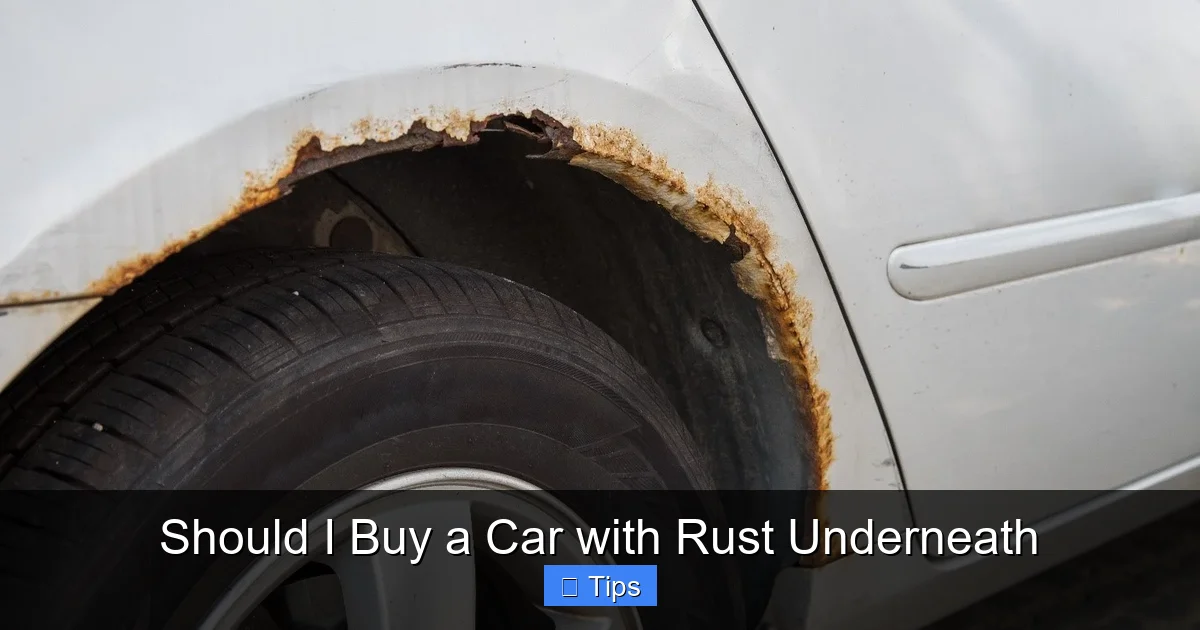
Rust, scientifically known as iron oxide, forms when iron or steel is exposed to oxygen and moisture over time. In cars, this process is accelerated by environmental factors like road salt, rain, snow, and humidity. But not all rust is created equal. Understanding the different types can help you assess the severity of the problem.
Surface Rust
This is the mildest form of rust and usually appears as a reddish-brown coating on metal surfaces. It’s often found on exposed parts like the exhaust system, brake lines, or underbody trim. Surface rust hasn’t penetrated deeply into the metal and is typically cosmetic. It can often be sanded off and treated with rust converters or primers. While it’s not ideal, it’s not a major safety concern—unless it’s left untreated and allowed to spread.
For example, a little surface rust on the muffler or tailpipe is common and expected on older vehicles. It doesn’t affect performance and can be cleaned up with a wire brush and high-temperature paint. However, if the rust is flaking or pitting the metal, it may indicate deeper issues.
Scale Rust
Scale rust is more advanced than surface rust. It forms thick, layered flakes that can lift away from the metal. This type of rust has eaten into the surface and weakened the material. It’s often found on older cars or vehicles that have been exposed to harsh conditions for years. Scale rust requires more than just a quick touch-up—it may need sandblasting, metal replacement, or professional repair.
If you see scale rust on suspension components or brake lines, that’s a serious warning sign. These parts are critical for safety, and weakened metal could fail under stress.
Penetrating or Structural Rust
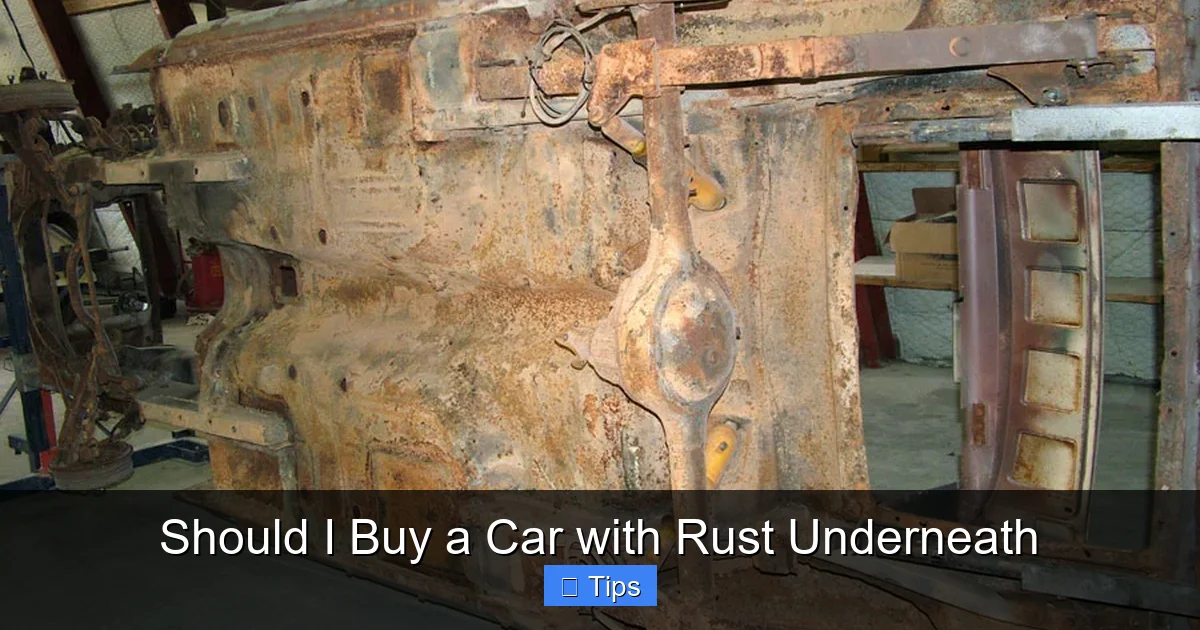
This is the most dangerous type of rust. It eats through the metal completely, creating holes or thin, brittle sections. Structural rust affects load-bearing parts like the frame, subframe, rocker panels, or floor pans. When these areas are compromised, the car’s structural integrity is at risk. In severe cases, the vehicle may not be safe to drive.
For instance, if the frame rails near the front suspension mounts are rusted through, the car could lose stability during sudden maneuvers or collisions. This kind of damage is expensive to fix—if it’s even possible—and may not be worth the investment.
What Causes Rust in Cars?
Several factors contribute to rust formation:
– Climate: Cars in northern states with snowy winters are exposed to road salt, which accelerates corrosion. Coastal areas with salty air also see higher rust rates.
– Age and mileage: Older vehicles are more likely to have rust simply because they’ve been around longer.
– Lack of maintenance: Cars that aren’t washed regularly or lack undercoating are more vulnerable.
– Accidents or damage: Dents or scratches that expose bare metal can lead to rust if not repaired promptly.
– Poor manufacturing or design: Some older models are known for rust-prone areas due to design flaws or inadequate rust protection.
Understanding these causes helps you evaluate a car’s history. A 10-year-old car from Florida might have less rust than a 5-year-old from Michigan—even if it has higher mileage.
Where to Look for Rust: Critical Areas to Inspect
Visual guide about Should I Buy a Car with Rust Underneath
Image source: noxudolusa.com
When evaluating a car for rust, location is everything. Some areas are more vulnerable and more dangerous than others. A thorough inspection can save you from buying a money pit.
Frame and Chassis
The frame is the backbone of the vehicle. Any rust here—especially if it’s penetrating or widespread—is a major red flag. Look along the frame rails, especially near the front and rear suspension mounts. Use a flashlight and a mirror to check hard-to-see areas. If the metal is soft, flaky, or has holes, walk away.
In trucks and SUVs, the frame is even more critical due to higher stress loads. Rust on the frame can lead to catastrophic failure, especially off-road or under heavy loads.
Rocker Panels and Floor Pans
These areas run along the sides of the car, just below the doors. They’re exposed to road debris, water, and salt, making them prime spots for rust. Check for bubbling paint, soft spots, or holes. You can often feel for softness by pressing gently with your hand or a screwdriver (carefully—don’t poke through!).
Rust in the floor pans can be especially tricky because it’s hidden under carpet. Lift the floor mats and inspect the metal underneath. If you see rust or moisture, it could indicate long-term exposure.
Suspension and Steering Components
Components like control arms, ball joints, tie rods, and strut mounts are critical for handling and safety. Rust here can weaken metal and lead to failure. Look for surface rust, but be wary of flaking or pitting. If the metal looks compromised, have a mechanic inspect it.
For example, a rusted control arm might not fail immediately, but it could snap during hard braking or a pothole impact—putting you and others at risk.
Brake Lines and Fuel Lines
These thin metal lines run along the underbody and are essential for safe operation. Rust can cause them to leak or burst, leading to brake failure or fire hazards. Inspect them carefully, especially where they bend or connect to other parts. Surface rust is common, but any sign of pitting or thinning is dangerous.
Exhaust System
The exhaust system is made of metal and constantly exposed to heat and moisture. Rust here is common and usually not a safety issue—unless it’s severe. A rusted-through muffler or pipe might need replacement, but it’s a relatively inexpensive fix compared to frame damage.
However, if the exhaust manifold (attached to the engine) is rusted, it could indicate long-term neglect or overheating issues.
Wheel Wells and Fender Liners
These areas collect dirt, water, and salt. Rust here is often cosmetic, but it can spread inward. Check behind the fender liners and inside the wheel wells for hidden corrosion.
How to Inspect a Car for Rust: A Step-by-Step Guide
Visual guide about Should I Buy a Car with Rust Underneath
Image source: rustbullet.com
You don’t need to be a mechanic to spot serious rust—but you do need to be thorough. Here’s how to inspect a used car like a pro.
Step 1: Do a Visual Inspection
Start by walking around the car and looking at the underbody. Use a flashlight to check dark areas. Look for:
– Flaking or bubbling paint
– Reddish-brown discoloration
– Soft or spongy metal
– Holes or thin spots
Pay special attention to the areas mentioned above: frame, rocker panels, suspension, and brake lines.
Step 2: Use a Magnet
A simple magnet can help detect body filler or repaired areas. Place it on the metal—if it doesn’t stick well, there may be filler or rust underneath. This is especially useful on fenders and quarter panels.
Step 3: Check for Soft Spots
Gently press on metal surfaces with your hand or a screwdriver (use caution). If the metal gives way or feels spongy, it’s likely rusted through. Avoid poking too hard—you don’t want to create a hole.
Step 4: Look for Signs of Repairs
Check for mismatched paint, weld marks, or patched metal. These could indicate previous rust repairs. While some repairs are fine, poor workmanship can hide bigger problems.
Step 5: Take It for a Test Drive
Listen for unusual noises like rattling or clunking, which could indicate loose or damaged components. Pay attention to how the car handles—does it pull to one side? Does the steering feel loose? These could be signs of rust-related damage.
Step 6: Get a Professional Inspection
This is the most important step. A qualified mechanic can inspect the car thoroughly, including areas you can’t easily see. They’ll check for hidden rust, structural damage, and estimate repair costs. Most inspections cost $100–$150, but it’s money well spent.
Ask the mechanic to focus on rust-prone areas and provide a written report. This can also help you negotiate the price.
When Is It Safe to Buy a Car with Rust?
Now for the big question: should you buy it?
The answer depends on the type, location, and extent of the rust—as well as your budget, mechanical skills, and long-term plans.
Cosmetic Rust: Usually Safe
If the rust is limited to surface corrosion on non-structural parts—like the exhaust, underbody trim, or wheel wells—it’s often safe to buy. These areas don’t affect safety or performance. You can clean and treat the rust yourself or have it professionally repaired.
For example, a 2008 Honda Civic with surface rust on the muffler and a little flaking on the rear bumper bracket is likely fine. It’s common for cars of that age and can be fixed for under $200.
Moderate Rust: Proceed with Caution
If there’s scale rust on suspension components or rocker panels, but no holes or structural damage, the car may still be a good buy—if you’re prepared to invest in repairs. Get a detailed estimate from a mechanic and factor that into your budget.
Say you find a 2012 Ford F-150 with rust on the control arms and mild flaking on the frame rails. If the frame is still solid and the suspension parts can be replaced, it might be worth it—especially if the truck is otherwise in great condition and priced low.
Structural Rust: Walk Away
If the frame, floor pans, or critical suspension mounts are rusted through, don’t buy the car. These repairs are extremely expensive—often thousands of dollars—and may not restore the vehicle to safe condition. In some cases, the damage is so severe that the car is deemed a total loss.
For instance, a 1995 Jeep Cherokee with holes in the frame near the rear axle is not safe to drive. Even if you patch it, the structural integrity is compromised.
Project Cars and Classics: A Different Story
If you’re buying a classic car or a project vehicle, rust is often expected. Enthusiasts routinely restore cars with significant rust, replacing floor pans, patching frames, and welding new metal. In these cases, rust isn’t a dealbreaker—it’s part of the process.
But be realistic about your skills, tools, and budget. A full rust repair can take months and cost more than the car’s value.
How to Negotiate the Price When Rust Is Present
Rust gives you leverage. Use it to negotiate a fair price.
Do Your Homework
Research the car’s market value using tools like Kelley Blue Book or Edmunds. Then, estimate the cost of rust repairs. If repairs will cost $1,000, and the car is priced at $5,000, you might offer $4,000.
Point Out the Rust
Be honest and specific. Say, “I noticed rust on the rear control arms and some flaking on the rocker panels. A mechanic estimated $800 in repairs. Can you adjust the price accordingly?”
Most sellers will appreciate your honesty and may be willing to negotiate.
Get a Pre-Purchase Inspection
Use the inspection report as evidence. If the mechanic recommends $1,200 in repairs, you have solid grounds to lower your offer.
Consider the Long-Term
Even if you fix the rust now, it may return. Factor in ongoing maintenance and potential future repairs. A car with a history of rust may need undercoating, rustproofing, or regular inspections.
Preventing Rust After Purchase
If you do buy a car with rust, act quickly to stop it from spreading.
Clean and Treat Existing Rust
Remove surface rust with a wire brush or sandpaper. Apply a rust converter (like Naval Jelly) to neutralize remaining corrosion. Then prime and paint the area with rust-resistant coating.
Apply Undercoating or Rustproofing
Consider professional undercoating or DIY rustproofing sprays. These create a barrier against moisture and salt. Focus on the underbody, wheel wells, and rocker panels.
Wash Regularly
Wash the car frequently, especially in winter. Use an undercarriage wash to remove salt and debris. Dry it thoroughly if possible.
Store Indoors
If you have a garage, use it. Keeping the car out of the elements slows rust formation.
Inspect Annually
Check for new rust spots every year. Early detection makes treatment easier and cheaper.
Final Thoughts: Make a Smart Decision
Buying a car with rust underneath isn’t inherently bad—but it requires careful evaluation. Surface rust on non-critical parts is often manageable and shouldn’t scare you away. But structural rust is a serious safety hazard and usually not worth the risk.
The key is to inspect thoroughly, get professional advice, and weigh the costs. If the car is otherwise reliable, well-maintained, and priced fairly, a little rust might not be a dealbreaker. But if the frame is compromised or repairs will cost more than the car’s value, walk away.
Remember: a used car is a big investment. Taking the time to assess rust properly can save you thousands in repairs and keep you safe on the road.
Frequently Asked Questions
Is surface rust on the exhaust dangerous?
No, surface rust on the exhaust is common and usually not dangerous. The exhaust system is designed to handle heat and moisture, and minor rust won’t affect performance. However, if the metal is thin or has holes, it may need replacement.
Can you fix structural rust yourself?
It’s possible for experienced DIYers, but structural rust repairs require welding, metal fabrication, and safety knowledge. For most people, it’s best left to professionals—and in severe cases, the car may not be worth repairing.
How much does it cost to repair rust on a car?
Costs vary widely. Surface rust treatment may cost $100–$300, while replacing a floor pan or rocker panel can run $500–$1,500. Structural frame repairs can exceed $2,000 and may not be cost-effective.
Does rust affect a car’s resale value?
Yes, rust significantly reduces resale value. Even cosmetic rust can deter buyers, and structural rust may make the car unsellable. Proper treatment and documentation of repairs can help maintain value.
Are certain car brands more prone to rust?
Yes, some older models from brands like Ford, GM, and Chrysler are known for rust issues, especially in the 1980s and 1990s. Japanese brands like Toyota and Honda generally have better rust resistance due to improved coatings and design.
Can rust cause a car to fail inspection?
Yes, in many states, structural rust or rust that compromises safety systems (like brakes or suspension) will cause a vehicle to fail inspection. Always check your local regulations before purchasing.

At CarLegit, we believe information should be clear, factual, and genuinely helpful. That’s why every guide, review, and update on our website is created with care, research, and a strong focus on user experience.