
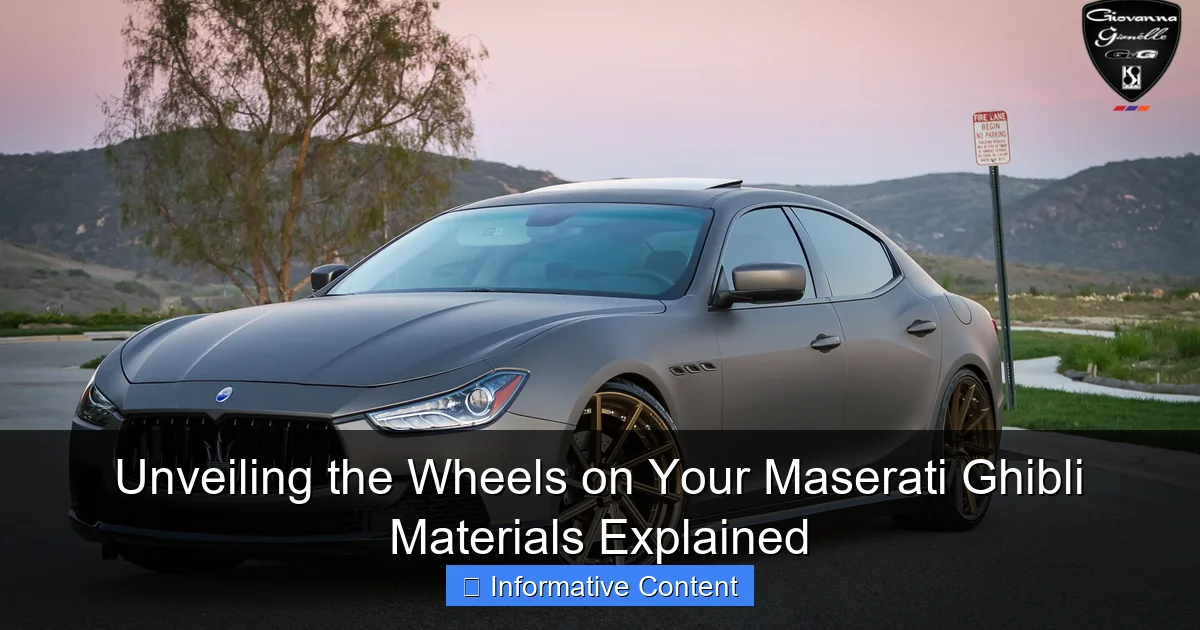
Featured image for What Are The Wheels On My Maserati Ghibli Made Of
Image source: giovannawheels.com
The wheels on your Maserati Ghibli are predominantly constructed from high-strength aluminum alloys, often through forging for maximum strength and lightness. This material is essential for delivering the responsive handling, performance, and distinctive luxury appeal that define the driving experience.
You’re cruising down the highway in your Maserati Ghibli. The engine purrs, the leather smells divine, and heads turn as you pass. But have you ever stopped to really look at what connects all that Italian elegance to the road? I mean, really looked at the wheels?
I remember the first time I saw a Ghibli up close. It was at a local cars and coffee event. The sun was glinting off its flawless paint, but my eyes were drawn to the wheels. They weren’t just round pieces of metal; they were intricate, sculptural, and they whispered of speed and luxury. It got me thinking: what are these masterpieces actually made of? If you’ve ever had the same thought while washing your car or considering an upgrade, you’re in the right place.
Today, we’re going to pull back the curtain. We’ll explore the materials that make up the wheels on your Maserati Ghibli. This isn’t just about specs—it’s about understanding the heart of your car’s connection to the asphalt. Whether you’re a curious owner, a potential buyer, or just a fan of fine engineering, let’s dive into the world of alloys, forging, and design that keeps your Ghibli rolling in style.
In This Article
- 1 Key Takeaways
- 2 📑 Table of Contents
- 3 The Heart of the Matter: Common Wheel Materials Explained
- 4 What Are Maserati Ghibli Wheels Typically Made Of?
- 5 The Evolution of Wheel Materials in Maserati Ghibli Models
- 6 Practical Considerations: Choosing the Right Wheels for Your Ghibli
- 7 Maintenance and Care for Your Ghibli’s Wheels
- 8 Beyond Materials: The Aesthetics and Performance Impact
- 9 Frequently Asked Questions
- 9.1 What materials are used for the wheels on my Maserati Ghibli?
- 9.2 Are Maserati Ghibli wheels made from aluminum alloy?
- 9.3 How strong and lightweight are the wheels on a Maserati Ghibli?
- 9.4 Can I change the wheel materials on my Maserati Ghibli for performance?
- 9.5 What is the recommended care for Maserati Ghibli wheel finishes?
- 9.6 Do all Maserati Ghibli models have the same wheel materials?
Key Takeaways
- Primary material is aluminum alloy: Offers optimal balance of strength and lightweight for performance.
- Forged wheels enhance durability: They are stronger and lighter than cast alternatives, improving handling.
- Regular cleaning prevents corrosion: Use pH-neutral products to maintain the finish and protect the material.
- Lightweight design boosts efficiency: Reduces unsprung weight for better fuel economy and acceleration.
- Avoid curb damage to maintain integrity: Impacts can crack or bend aluminum wheels, requiring costly repairs.
- Factory finishes vary: Options include polished, painted, or diamond-cut surfaces for aesthetic appeal.
- Material choice affects ride quality: Stiffer wheels transmit more road feedback, enhancing driving experience.
📑 Table of Contents
- The Heart of the Matter: Common Wheel Materials Explained
- What Are Maserati Ghibli Wheels Typically Made Of?
- The Evolution of Wheel Materials in Maserati Ghibli Models
- Practical Considerations: Choosing the Right Wheels for Your Ghibli
- Maintenance and Care for Your Ghibli’s Wheels
- Beyond Materials: The Aesthetics and Performance Impact
The Heart of the Matter: Common Wheel Materials Explained
Before we zero in on your Maserati Ghibli, let’s talk about wheels in general. Think of a wheel as the unsung hero of your car. It has to be strong enough to handle bumps, light enough to not slow you down, and pretty enough to make you proud. The material choice is where this balance begins.
Aluminum Alloy: The Industry Standard
If you peek at most modern performance cars, including your Maserati Ghibli, you’ll likely find aluminum alloy wheels. Why? Well, aluminum is like the goldilocks of metals for wheels—it’s just right. It’s significantly lighter than old-fashioned steel, which means your car can accelerate faster and brake more efficiently. Lighter wheels also improve handling because there’s less unsprung weight (that’s the weight not supported by the suspension).
But pure aluminum is too soft. So, manufacturers mix it with other elements like magnesium or silicon to create an alloy. This cocktail makes the material much stronger and resistant to corrosion. When you see that shiny, intricate design on a Ghibli wheel, you’re almost certainly looking at a carefully crafted aluminum alloy.
Forged vs. Cast: What’s the Big Difference?
Here’s where it gets interesting. Not all aluminum alloy wheels on your Maserati Ghibli are created the same way. The manufacturing process is key.
Cast Wheels: This is the most common method. Molten aluminum is poured into a mold and left to solidify. It’s cost-effective and allows for complex designs. Most standard wheels on many cars, including base trims of luxury vehicles, are cast. They’re good, but they can be a bit heavier and less strong than their forged cousins.
Forged Wheels: This is the high-performance route. Here, a solid block of aluminum alloy is heated and then pressed into shape under immense pressure. Imagine a blacksmith hammering metal, but with giant, precise machines. The result? A wheel that is incredibly strong and often lighter. The metal’s grain structure becomes continuous, making it tougher. Many high-end optional wheels for cars like the Maserati Ghibli are forged. They cost more, but for driving enthusiasts, the difference in responsiveness and durability is noticeable.
Other Players: Steel and Carbon Fiber
While not typical for a Maserati Ghibli, it’s good to know the whole field. Steel wheels are tough and cheap, but very heavy. You’ll find them on economy cars or as winter wheel options, but they’re not suited for the performance ethos of a Ghibli.
Carbon fiber is the exotic superstar. It’s extremely light and stiff, used in hypercars and racing. However, it’s incredibly expensive and can be brittle against impacts like potholes. While not a standard offering for the Ghibli, some aftermarket companies might offer carbon fiber hybrid wheels for the ultimate lightweight build.
Here’s a quick data table to sum up the common materials you might encounter, directly relevant to understanding the options for your Maserati Ghibli:
| Material/Type | Key Properties | Pros | Cons | Relevance to Maserati Ghibli |
|---|---|---|---|---|
| Aluminum Alloy (Cast) | Good strength, moderate weight, corrosion resistant. | Affordable, wide design variety, good performance. | Heavier than forged, can be more prone to cracking under extreme stress. | Likely used for many standard factory wheels. |
| Aluminum Alloy (Forged) | High strength-to-weight ratio, very durable. | Lightweight, excellent handling, strong impact resistance. | Significantly more expensive, fewer design complexities. | Common in higher trim levels or performance packages. |
| Steel | Very high strength, very heavy. | Inexpensive, extremely durable against bends. | Very heavy (hurts performance), less aesthetic, prone to rust. | Rare, possibly only for dedicated winter wheel sets. |
| Carbon Fiber | Extremely light, very stiff. | Top-tier performance for weight reduction. | Extremely costly, fragile against sharp impacts. | Aftermarket niche option, not factory standard. |
What Are Maserati Ghibli Wheels Typically Made Of?
So, let’s get specific. When you drive a Maserati Ghibli off the dealer lot, what are you rolling on? Maserati, true to its performance heritage, typically outfits the Ghibli with aluminum alloy wheels. The exact composition is a proprietary blend, but it’s safe to say they use high-quality alloys to meet their standards for strength, weight, and finish.
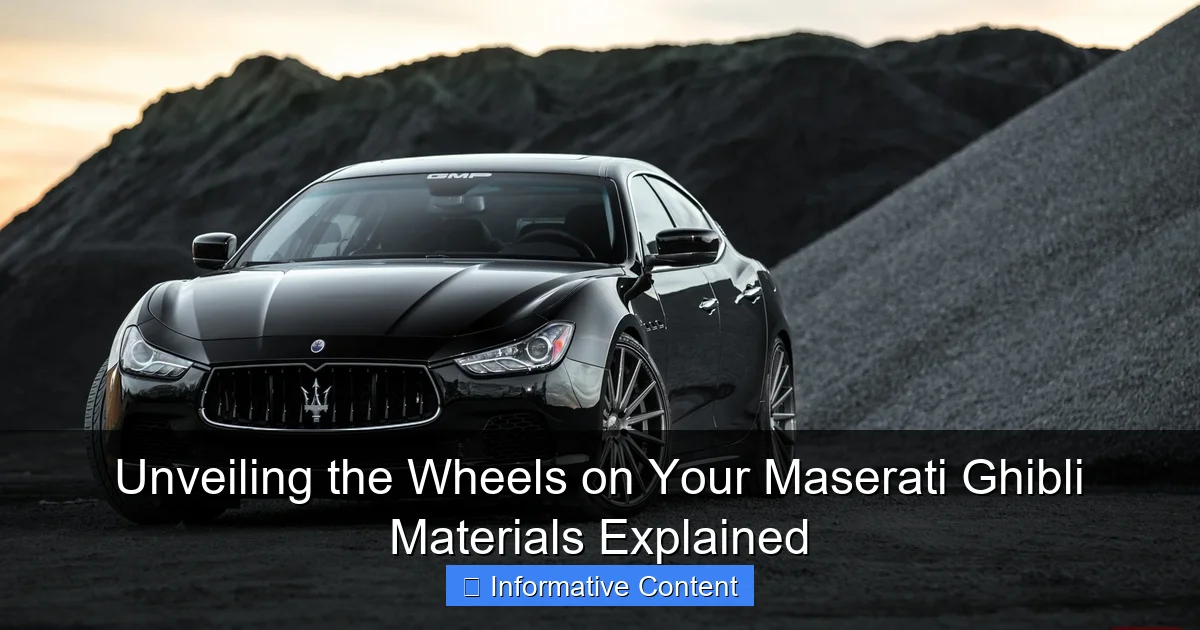
Visual guide about What Are The Wheels On My Maserati Ghibli Made Of
Image source: carid.com
Standard Offerings from Maserati
Across different model years and trims, the base Maserati Ghibli often comes with stylish cast aluminum alloy wheels. They might be 19-inch or 20-inch designs, with finishes like silver, dark graphite, or even a glossy black. For instance, a recent Ghibli Modena might start with 19-inch “Titano” style wheels. These are crafted to be durable, look stunning, and provide a great driving experience right out of the box. They are perfectly suited for the car’s character.
Optional Upgrades and Custom Wheels
This is where Maserati lets you personalize. When configuring your Ghibli, you’ll often find optional wheel packages. These frequently include forged aluminum alloy wheels. They might be labeled as “20-inch forged alloy” or “21-inch Urano forged.” Choosing these upgrades means you’re getting a lighter, stronger wheel. It’s a tangible performance enhancement, not just a cosmetic one.
Many owners also look to the aftermarket. Companies like HRE, Vossen, or Brixton Forged offer custom forged wheels specifically for the Maserati Ghibli. These can be made from advanced aerospace-grade aluminum alloys, pushing the boundaries of lightness and strength. Just remember, always ensure aftermarket wheels are the correct specification for your Ghibli’s hub, offset, and load rating.
The Evolution of Wheel Materials in Maserati Ghibli Models
The Ghibli name has a history, and the wheels have evolved with it. The current-generation Ghibli (introduced in 2013) has seen its own progression in wheel technology and design.
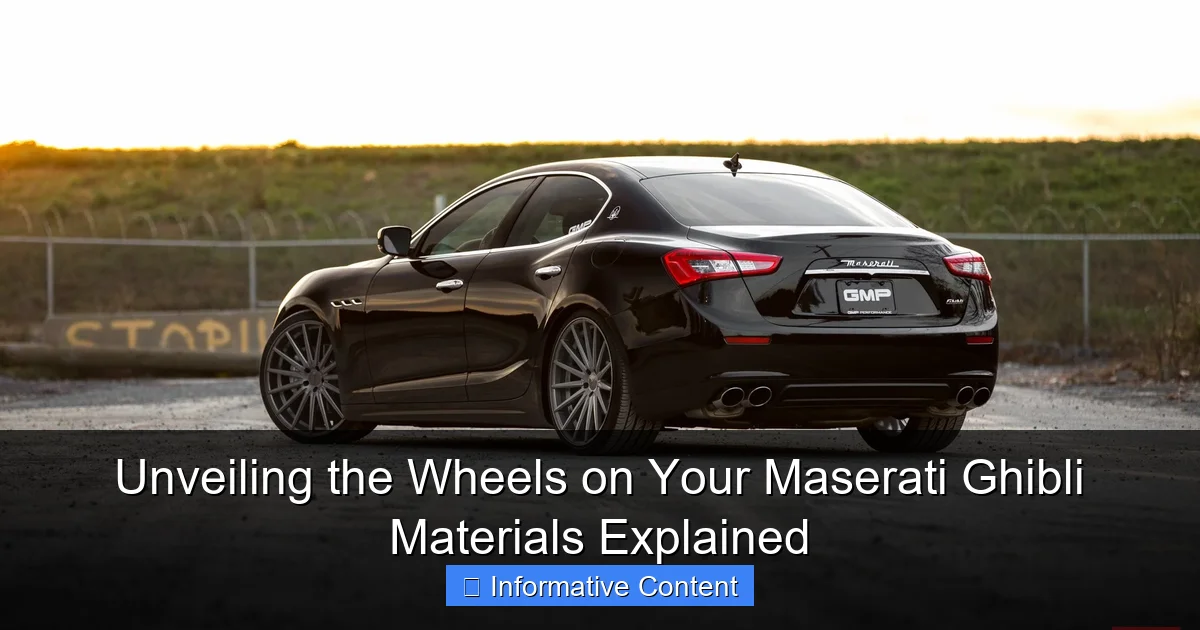
Visual guide about What Are The Wheels On My Maserati Ghibli Made Of
Image source: carid.com
From Past to Present
Earlier model years of the modern Ghibli might have had a more limited selection of cast alloy designs. As the model has been refreshed, we’ve seen Maserati introduce more forged options and more aggressive, larger diameter designs. The focus has consistently been on combining Italian design flair with engineering that supports the car’s sporting DNA. The materials have remained primarily high-grade aluminum alloys, but the manufacturing techniques and finishes have improved.
Technological Advancements
One clear trend is the move towards larger diameters. More wheel and less tire sidewall is a styling and performance cue. This places even greater demand on the wheel material to be strong yet light to maintain ride comfort. Advances in flow-forming—a hybrid process between casting and forging—might also be employed in some wheels, offering a better strength-to-weight ratio than standard casting at a lower cost than full forging. This tech could be found in some Maserati Ghibli wheel options.
Practical Considerations: Choosing the Right Wheels for Your Ghibli
Okay, so you know what the wheels on your Maserati Ghibli are made of. But what if you’re thinking of changing them? Whether it’s for style, performance, or necessity (hello, pothole season), here’s how to think about it.
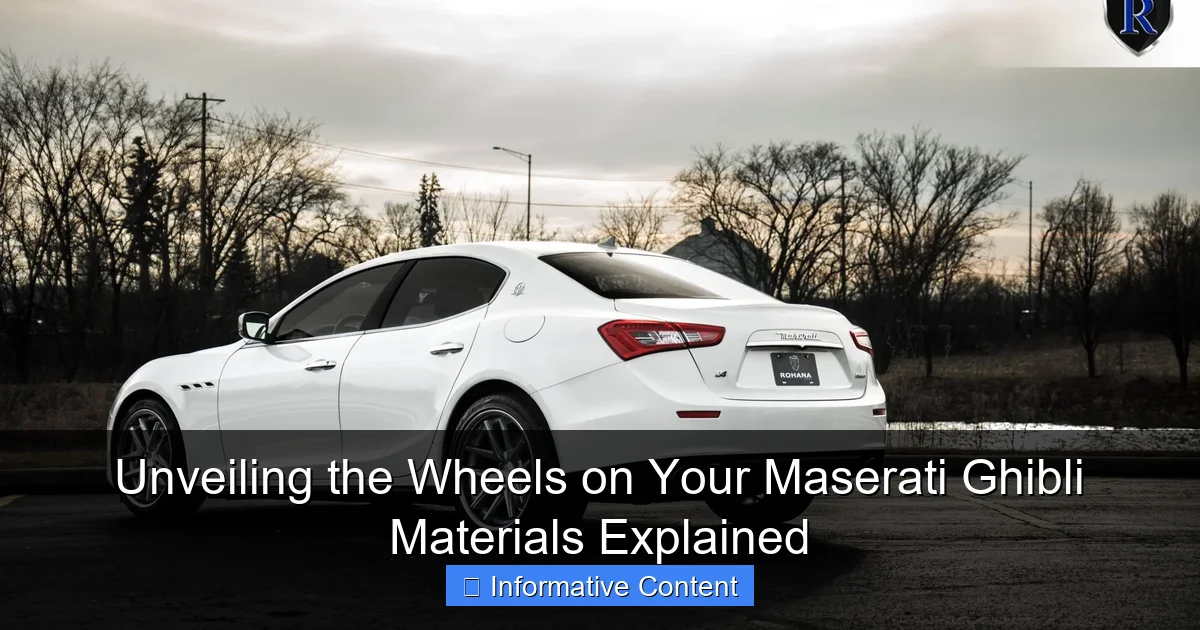
Visual guide about What Are The Wheels On My Maserati Ghibli Made Of
Image source: carid.com
Balancing Style and Performance
It’s tempting to go for the biggest, shiniest set you can find. But remember, every inch added in diameter usually adds weight, unless you upgrade to a forged material. A heavier wheel will make your Ghibli feel slightly less nimble. My advice? If you love a larger design, seek out forged options. The right set of forged wheels can actually be lighter than smaller cast ones, giving you the best of both worlds.
Climate and Driving Conditions
If you live in an area with harsh winters or salted roads, material matters. Aluminum alloys are generally corrosion-resistant, but the finish can be attacked by road salt. Many Ghibli owners opt for a dedicated set of smaller, less expensive alloy wheels (or even steel wheels) with winter tires. This protects your beautiful factory wheels from the elements. For the winter set, durability might trump ultimate lightness.
Cost vs. Benefit Analysis
Let’s be real. A set of genuine Maserati forged wheels or high-end aftermarket forged wheels for your Maserati Ghibli can cost several thousand dollars. Is it worth it? For daily driving, the standard cast alloys are excellent. If you track your car or are a perfectionist about handling feel, the upgrade to forged can be a revelation. Weigh the cost against how you use the car. Sometimes, a simple refurbishment and new finish on your existing wheels can give you a fresh look without the massive expense.
Maintenance and Care for Your Ghibli’s Wheels
Those beautiful wheels on your Maserati Ghibli are an investment. Whether they’re cast or forged alloy, taking care of them will keep your car looking sharp and preserve their value.
Cleaning Tips for Different Materials
Brake dust is the enemy. It’s abrasive and corrosive. Clean your wheels regularly with a pH-balanced wheel cleaner. Avoid harsh acids or alkaline cleaners, as they can damage the clear coat or paint on the wheels. Use a soft brush—never a steel wool pad! For intricate spokes, a detail brush works wonders. Rinse thoroughly and dry with a microfiber cloth to prevent water spots.
Protecting Your Investment
After cleaning, consider applying a wheel sealant or ceramic coating. This creates a barrier that makes brake dust rinse off more easily and protects against minor contaminants. It’s a few hours of work that pays off massively. Also, be gentle when mounting tires. Scratches from tire irons on the rim lip are common and frustrating. Find a tire shop that uses modern, touchless tire mounting equipment.
When to Seek Professional Help
If you hit a nasty pothole and feel a vibration, don’t ignore it. Even strong forged wheels on your Maserati Ghibli can bend or crack. Have a professional check the wheel for balance and structural integrity. Similarly, if you see significant curb rash or corrosion, a professional wheel refurbishment company can often make them look new again, which is far cheaper than replacement.
Beyond Materials: The Aesthetics and Performance Impact
The material of the wheels on your Maserati Ghibli is just the starting point. Their design and size have a huge effect on how your car looks and drives.
How Wheel Design Affects Driving Dynamics
It’s not just weight. The design of the wheel spokes can influence brake cooling. Open, multi-spoke designs allow more air to flow over the brake rotors, helping them cool better during aggressive driving. The width of the wheel also determines the tire width, which impacts grip. A wider wheel and tire setup can increase cornering stability but may slightly affect fuel economy. The engineers at Maserati design their factory wheels with all this in mind.
Personalizing Your Ghibli’s Look
This is the fun part. The wheels set the tone for your car’s personality. A classic silver finish speaks to elegance. A satin black or dark graphite wheel gives an aggressive, stealthy look. You can even find wheels with machined faces and painted pockets for a dramatic two-tone effect. Choosing the right design can make your Maserati Ghibli look lower, wider, and more planted. It’s the easiest way to make a major visual statement.
We’ve covered a lot of ground. From the foundational aluminum alloys to the high-tech forging processes, the wheels on your Maserati Ghibli are a blend of art and science. They are typically made from high-quality aluminum alloys, often forged for higher performance versions, balancing stunning Italian design with rigorous engineering demands.
Understanding what your wheels are made of empowers you as an owner. It helps you make better choices about upgrades, informs your maintenance routine, and deepens your appreciation for the machine you drive. Your Maserati Ghibli is more than just a car; it’s an experience. And that experience begins right where the rubber meets the road—on a set of wheels crafted from materials chosen to deliver luxury, performance, and style in every rotation. So next time you walk up to your Ghibli, take a moment to appreciate those wheels. Now you know the story they’re trying to tell.
Frequently Asked Questions
What materials are used for the wheels on my Maserati Ghibli?
The wheels on your Maserati Ghibli are typically made from high-strength aluminum alloy. This material offers an optimal balance of lightness and durability, enhancing both performance and fuel efficiency. Alloy wheels are standard across most Ghibli models.
Are Maserati Ghibli wheels made from aluminum alloy?
Yes, Maserati Ghibli wheels are primarily constructed from aluminum alloy. This choice reduces unsprung weight, which improves handling and acceleration. Aluminum alloy also provides corrosion resistance and a sleek appearance.
How strong and lightweight are the wheels on a Maserati Ghibli?
Maserati Ghibli wheels are designed to be both strong and lightweight, thanks to advanced aluminum alloy construction. This combination ensures robust performance under various driving conditions while contributing to the car’s agile handling.
Can I change the wheel materials on my Maserati Ghibli for performance?
While aftermarket options exist, it’s recommended to consult with Maserati or authorized dealers for wheel upgrades. Switching to lighter materials like forged aluminum can enhance performance, but must comply with vehicle specifications.
What is the recommended care for Maserati Ghibli wheel finishes?
To preserve the finish, clean your Maserati Ghibli wheels regularly with mild soap and water, avoiding harsh chemicals. Apply a protective sealant to prevent brake dust buildup and corrosion for long-lasting beauty.
Do all Maserati Ghibli models have the same wheel materials?
Most Maserati Ghibli models use similar aluminum alloy wheels, but materials and designs may vary by trim level and optional packages. Higher-performance variants might feature forged wheels for reduced weight and improved dynamics.

At CarLegit, we believe information should be clear, factual, and genuinely helpful. That’s why every guide, review, and update on our website is created with care, research, and a strong focus on user experience.