
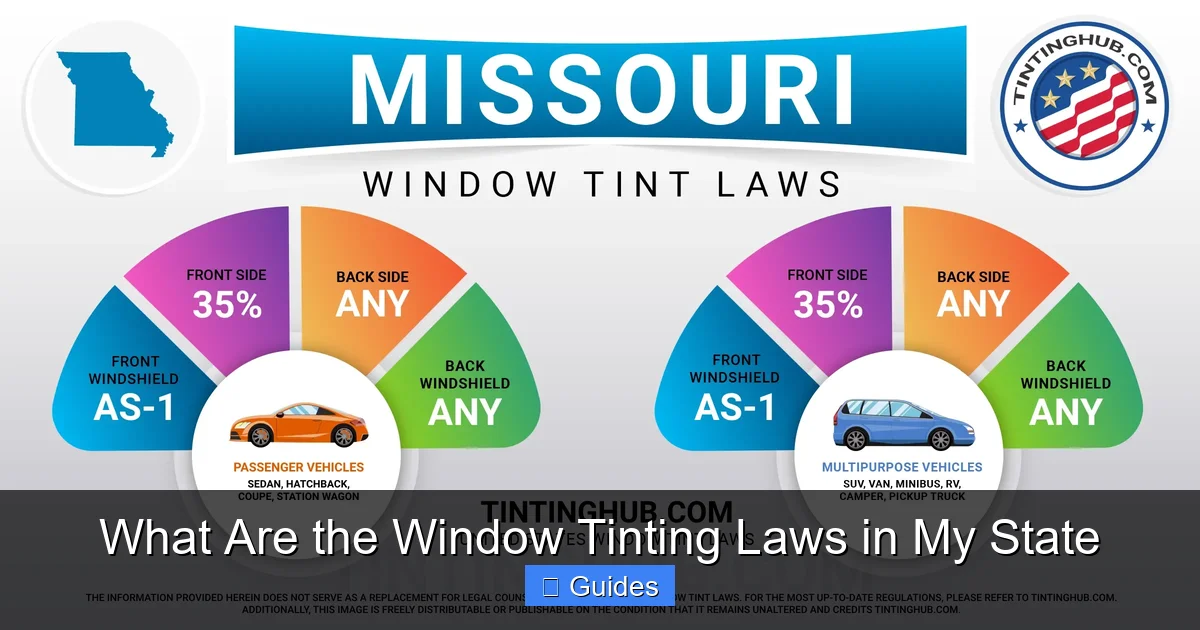
Window tinting laws vary by state and regulate how dark your car windows can be. Understanding these rules helps you stay legal, safe, and avoid tickets.
If you’ve ever considered tinting your car windows, you’re not alone. Window tinting offers a range of benefits—reduced glare, improved privacy, UV protection, and even a cooler interior on hot days. But before you roll up to the nearest tint shop, there’s one crucial thing you need to know: **window tinting laws in your state**. These laws aren’t just suggestions—they’re legally enforceable rules that vary widely from one state to another. Ignoring them could land you a ticket, force you to remove the tint, or even fail a vehicle inspection.
So, what exactly do these laws cover? Generally, they regulate three main things: how dark your tint can be (measured as Visible Light Transmission or VLT), which windows can be tinted, and whether reflective or colored tints are allowed. Some states are lenient, allowing dark tints on rear windows and windshields, while others are strict—only permitting a clear, nearly invisible film on the front side windows. And yes, even the back windshield has rules in many places.
The good news? You don’t have to guess. This guide will walk you through everything you need to know about window tinting laws, how to find your state’s specific rules, and how to stay compliant without sacrificing style or comfort. Whether you’re a new driver, a car enthusiast, or just looking to upgrade your ride, understanding these laws is the first step toward a smarter, safer tint job.
In This Article
Key Takeaways
- State laws differ significantly: Each state sets its own rules for window tint darkness, reflectivity, and which windows can be tinted.
- VLT percentage matters: Visible Light Transmission (VLT) determines how much light passes through the tint—lower percentages mean darker tint.
- Front side windows are most restricted: Most states allow only minimal tinting on front side windows to ensure driver visibility and officer safety.
- Medical exemptions exist: Some states permit darker tints with a valid medical certificate for conditions like lupus or photosensitivity.
- Penalties can be steep: Illegal tinting may result in fines, failed inspections, or required removal of the film.
- Check local updates regularly: Laws change—always verify current regulations with your state’s DMV or transportation department.
- Professional installation helps: Certified installers often know local laws and can recommend compliant films.
📑 Table of Contents
Why Window Tinting Laws Exist
Window tinting laws aren’t just bureaucratic red tape—they serve important public safety and law enforcement purposes. At their core, these regulations aim to balance personal comfort with visibility and security. Let’s break down why states enforce these rules and what they’re trying to protect.
Safety and Visibility
The primary reason for window tinting laws is driver and passenger safety. Dark tints can significantly reduce visibility, especially at night or in low-light conditions like rain, fog, or tunnels. When drivers can’t see clearly through their own windows—or when others can’t see inside the vehicle—the risk of accidents increases. For example, a pedestrian crossing behind a car with extremely dark rear windows might not be seen by the driver, leading to a tragic outcome.
Moreover, law enforcement officers rely on being able to see inside a vehicle during traffic stops. If front side windows are too dark, officers can’t assess whether a driver is reaching for a weapon, has passengers in distress, or is under the influence. This lack of visibility creates a dangerous situation for everyone involved. That’s why most states restrict tinting on the front side windows more strictly than on rear windows or the back windshield.
Law Enforcement and Security
Police departments across the country support window tinting regulations because they enhance officer safety. During routine stops, officers need to quickly evaluate the interior of a vehicle. If the windows are too dark, they may perceive the situation as more threatening, potentially escalating the interaction. In high-risk scenarios, this could lead to unnecessary force or misunderstandings.
Additionally, dark tints can be used to conceal illegal activity—such as transporting contraband or hiding occupants during a crime. While most drivers tint their windows for legitimate reasons, the potential for misuse is why states impose limits. It’s not about punishing law-abiding citizens; it’s about creating a safer environment for everyone on the road.
Consistency and Fair Enforcement
Standardized laws also help ensure fair and consistent enforcement. Without clear guidelines, police officers might interpret “too dark” differently, leading to subjective citations. By setting specific VLT percentages and defining which windows can be tinted, states provide a clear benchmark. This reduces confusion for drivers and officers alike.
For example, if your state allows 35% VLT on front side windows, you know exactly how dark your tint can be. You can measure it with a tint meter or choose a film labeled accordingly. This clarity prevents misunderstandings and helps drivers avoid unintentional violations.
Protecting Public Health
Another often-overlooked reason for tinting laws is public health. While tinting can block harmful UV rays, some films may interfere with medical devices or reduce the effectiveness of certain treatments. For instance, people with photosensitive conditions like lupus or xeroderma pigmentosum may require special tints, but these are typically covered under medical exemptions rather than general legality.
States also consider the impact of tinting on emergency response. In the event of an accident, first responders need to quickly assess the situation inside a vehicle. Dark tints can delay rescue efforts, especially if airbags have deployed or if occupants are unconscious. Clear visibility can mean the difference between life and death in critical moments.
Balancing Comfort and Compliance
Ultimately, window tinting laws are about finding a balance. They recognize that drivers want comfort—less heat, less glare, more privacy—but not at the expense of safety. By setting reasonable limits, states allow for functional tinting while minimizing risks. The goal isn’t to eliminate tinting altogether, but to ensure it’s done responsibly.
So, while it might be tempting to go for the darkest tint available, remember: legality isn’t just about avoiding fines. It’s about being a responsible driver who values safety, visibility, and the well-being of others on the road.
Understanding VLT: The Key to Legal Tinting
Visual guide about What Are the Window Tinting Laws in My State
Image source: tinting-laws.com
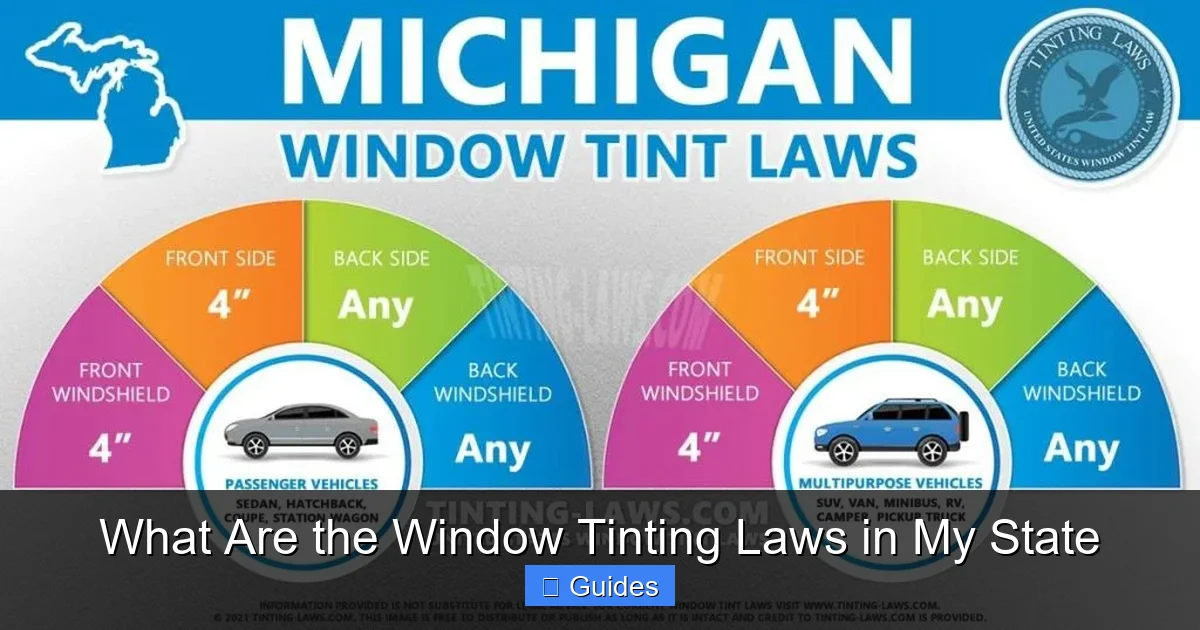
When it comes to window tinting laws, one term you’ll hear over and over is **VLT**—Visible Light Transmission. If you’re new to tinting, this might sound like technical jargon, but it’s actually simple: VLT measures the percentage of visible light that passes through your window tint. The lower the VLT percentage, the darker the tint.
For example, a 5% VLT film allows only 5% of light to pass through—making it very dark, almost black. A 50% VLT film, on the other hand, is much lighter, letting half the light through. Most states set legal limits based on VLT, so understanding this measurement is essential for staying compliant.
How VLT Affects Visibility and Comfort
VLT directly impacts how well you can see through your windows. A 20% tint might look stylish, but at night or in bad weather, it can make it harder to spot pedestrians, road signs, or other vehicles. That’s why front side windows usually have higher minimum VLT requirements—often 70% or higher in many states. This ensures drivers maintain clear visibility while still benefiting from some tint.
On the flip side, rear windows and the back windshield often allow lower VLT percentages—sometimes as low as 5% or even 0% in certain states. This gives drivers more flexibility for privacy and heat reduction, especially in SUVs or sedans with large rear glass areas.
Measuring VLT: What Drivers Need to Know
Not all tint films are labeled clearly, and some shops may exaggerate how dark a film is. That’s why it’s important to ask for the actual VLT percentage when choosing a tint. Reputable installers will provide this information and may even use a tint meter to verify the darkness.
You can also purchase a handheld tint meter online to check your own windows. These devices are affordable and easy to use—just hold them up to the glass, and they’ll display the VLT percentage. This is especially useful if you’re buying a used car with existing tint and want to make sure it’s legal.
State-Specific VLT Examples
Let’s look at a few examples to illustrate how VLT laws vary:
– In **California**, front side windows must allow more than 70% of light in—meaning no tint darker than 70% VLT. The rear windshield and back side windows can be darker, but the front windshield can only have a non-reflective tint on the top 4 inches.
– In **Texas**, front side windows must be at least 25% VLT, while rear windows can be as dark as 25% or even 5% if the car has side mirrors.
– In **New York**, front side windows must be 70% VLT or lighter, and the front windshield can only have a clear strip at the top.
These differences show why it’s so important to check your state’s specific rules. What’s legal in one state might get you pulled over in another.
Reflective and Colored Tints
VLT isn’t the only factor—some states also regulate **reflectivity** and **color**. Reflective tints, which mirror sunlight like a mirror, are banned in many states because they can blind other drivers or create glare. Similarly, red, blue, or amber tints are often prohibited because they can be confused with emergency vehicle lights.
Always confirm whether your state allows reflective films or colored tints before installation. Even if the VLT is legal, the reflectivity or color might not be.
Why VLT Matters for Resale and Inspections
Illegal tint can also affect your car’s resale value. Buyers may be hesitant to purchase a vehicle with non-compliant tint, especially if they live in a strict state. Additionally, many states require annual vehicle inspections, and illegal tint is a common reason for failure.
By choosing a legal VLT percentage, you protect your investment and avoid headaches down the road. It’s a small step that pays off in safety, legality, and peace of mind.
How to Find Your State’s Window Tinting Laws
Visual guide about What Are the Window Tinting Laws in My State
Image source: carscounsel.com
Now that you understand why tinting laws exist and how VLT works, the next step is finding out what’s allowed in your state. The good news? It’s easier than you think—and you don’t need to be a legal expert to do it.
Check Your State DMV or DOT Website
The most reliable source for window tinting laws is your state’s Department of Motor Vehicles (DMV) or Department of Transportation (DOT). These official websites provide up-to-date information on vehicle regulations, including tinting rules. Most have a dedicated section for “vehicle equipment” or “safety standards” where you can find detailed guidelines.
For example, the California DMV website clearly outlines tint laws, including VLT percentages, windshield rules, and medical exemption procedures. Similarly, the Texas DOT site includes a downloadable guide with diagrams showing which windows can be tinted and how dark.
Use Reputable Online Resources
If you prefer a quicker search, several trusted websites compile state-by-state tinting laws. Sites like TintLaws.com, WindowTintLaws.org, and even some car enthusiast forums offer easy-to-read summaries. These resources often include charts, maps, and FAQs to help you compare laws across states.
Just be cautious—some sites may be outdated or sponsored by tint companies, which could bias the information. Always cross-check with your state’s official website to confirm accuracy.
Ask a Professional Tint Installer
Another great way to learn about local laws is to consult a certified window tint installer. Reputable shops stay informed about regulations and can recommend films that meet your state’s requirements. They’ll also know about any recent changes or enforcement trends in your area.
When you visit a shop, don’t hesitate to ask: “What’s the legal tint limit for front side windows in this state?” or “Do you offer films that comply with [your state]’s VLT rules?” A good installer will answer confidently and may even provide documentation.
Look for State-Specific Exemptions
Some states offer exemptions for medical conditions. If you have a documented sensitivity to sunlight—such as lupus, albinism, or chronic migraines—you may qualify for a darker tint with a doctor’s note. These exemptions usually require registration with the DMV and a visible sticker on the vehicle.
For example, in Florida, medical exemptions allow tints as dark as 5% VLT on front side windows with proper certification. But without the paperwork, even medically necessary tints can result in fines.
Stay Updated on Law Changes
Tinting laws aren’t set in stone—they can change due to new safety studies, court rulings, or legislative updates. What was legal last year might not be this year. That’s why it’s smart to check your state’s regulations every few years, especially if you’re planning a new tint job.
You can sign up for DMV email alerts, follow state transportation social media accounts, or join local driver forums to stay informed. A little vigilance goes a long way in avoiding unexpected violations.
Example: Finding Laws in Your State
Let’s say you live in Arizona. You visit the Arizona Department of Transportation (ADOT) website and search “window tint laws.” You find that front side windows must be at least 33% VLT, while rear windows can be darker. The front windshield can only have a non-reflective tint on the top 6 inches. You also learn that reflective tints are allowed but limited to 35% reflectivity.
With this information, you can confidently choose a 35% VLT film for your front windows and a 20% film for the rear—all while staying legal.
Penalties for Illegal Window Tinting

Visual guide about What Are the Window Tinting Laws in My State
Image source: aptinting.com
Getting caught with illegal window tint isn’t just a slap on the wrist—it can lead to real consequences. While penalties vary by state, they often include fines, mandatory corrections, and even points on your driving record.
Common Penalties
In most states, a first offense for illegal tinting results in a fine ranging from $50 to $500. For example, in Georgia, the fine is $100 for a first violation. In Illinois, it’s $100 to $500, depending on the severity.
Repeat offenses can lead to higher fines, court appearances, or even suspension of your vehicle registration. Some states require you to remove the illegal tint at your own expense before you can legally drive the car again.
Failed Inspections and Registration Issues
In states with annual vehicle inspections, illegal tint is a common reason for failure. If your car doesn’t pass inspection due to non-compliant tint, you won’t be able to renew your registration until the issue is fixed. This can leave you unable to legally drive your vehicle until the tint is removed or replaced.
Insurance Implications
While rare, some insurance companies may consider illegal modifications when assessing risk. If you’re involved in an accident and your tint is found to be illegal, it could potentially affect your claim—especially if visibility was a factor.
How to Avoid Penalties
The best way to avoid penalties is to research your state’s laws before tinting. Choose a reputable installer, use legal VLT percentages, and keep documentation of your film’s specifications. If you’re unsure, ask your installer for a certificate of compliance.
Tips for Choosing Legal and Effective Window Tint
Now that you know the rules, how do you pick the right tint? Here are some practical tips to help you choose a film that’s both legal and effective.
Prioritize Front Window Compliance
Since front side windows have the strictest rules, start there. Choose a film that meets or exceeds your state’s VLT requirement. For example, if your state allows 70% VLT, opt for a 70% or lighter film.
Consider Ceramic or Carbon Films
These high-quality films offer excellent heat rejection and UV protection without being overly dark. They’re often legal even in strict states and provide long-term value.
Don’t Forget the Windshield
Most states allow only a clear strip at the top of the windshield. Avoid full windshield tinting unless you have a medical exemption.
Test Before You Commit
Some shops offer sample swatches. Hold them up to your windows to see how they look and feel in different lighting.
Keep Records
Save receipts, film specifications, and installation certificates. These can help if you’re ever questioned by law enforcement.
Conclusion
Window tinting can enhance your driving experience, but it’s essential to follow your state’s laws. By understanding VLT, checking official sources, and choosing compliant films, you can enjoy the benefits of tinting without the risks. Stay informed, stay legal, and drive safely.
Frequently Asked Questions
What is VLT in window tinting?
VLT stands for Visible Light Transmission and measures the percentage of light that passes through your window tint. A lower VLT means a darker tint. Most states set legal limits based on VLT to ensure safety and visibility.
Can I tint my front windshield?
In most states, you can only apply a non-reflective tint to the top few inches of the front windshield. Full windshield tinting is usually illegal unless you have a medical exemption.
What happens if I get caught with illegal tint?
Penalties vary by state but often include fines, failed inspections, or required removal of the tint. Repeat offenses may lead to higher fines or registration issues.
Are medical exemptions for window tinting real?
Yes, many states allow darker tints with a valid medical certificate for conditions like lupus or photosensitivity. You’ll typically need to register the exemption with your DMV.
Can I install window tint myself to save money?
While DIY kits are available, professional installation is recommended. Certified installers know local laws and can ensure your tint is legal and properly applied.
Do window tinting laws apply to all vehicles?
Most laws apply to passenger cars, trucks, and SUVs. Commercial vehicles, motorcycles, and RVs may have different rules, so always check your state’s regulations.

At CarLegit, we believe information should be clear, factual, and genuinely helpful. That’s why every guide, review, and update on our website is created with care, research, and a strong focus on user experience.