

In Dr. No (1962), James Bond drives a 1962 Sunbeam Alpine Series II—a stylish British roadster that marked 007’s first on-screen car. Though modest compared to later Bond vehicles, it set the tone for the franchise’s love of elegant, performance-driven automobiles.
When you think of James Bond, what comes to mind? Suave sophistication, martinis shaken not stirred, dangerous villains, and—of course—iconic cars. From the gadget-laden Aston Martin DB5 to the submarine-powered Lotus Esprit, 007 has driven some of the most memorable vehicles in cinematic history. But where did it all begin? The answer lies not in a roaring V12 or a turbocharged supercar, but in a modest, elegant British roadster: the 1962 Sunbeam Alpine Series II.
Released in 1962, *Dr. No* was the first film adaptation of Ian Fleming’s James Bond novels. It introduced the world to Sean Connery’s cool, confident spy and set the tone for decades of espionage thrills. While the film didn’t feature the high-octane chases or explosive stunts of later entries, it did include one crucial element that would become a franchise staple: Bond’s car. And that car was the Sunbeam Alpine—a vehicle that, while not as flashy as its successors, played a pivotal role in shaping the Bond legacy.
At first glance, the Sunbeam Alpine might seem like an unlikely choice for a secret agent known for his taste in luxury and performance. After all, this wasn’t a car built for speed or stealth—it was a stylish, open-top roadster designed for leisurely drives along the English countryside. But therein lies its charm. The Alpine embodied the essence of 1960s British elegance: understated, refined, and effortlessly cool. And in the context of *Dr. No*, it was the perfect vehicle to introduce audiences to a new kind of hero—one who was as comfortable behind the wheel as he was with a Walther PPK.
In This Article
- 1 Key Takeaways
- 2 📑 Table of Contents
- 3 The Sunbeam Alpine in Dr. No: A Cinematic Debut
- 4 Why the Sunbeam Alpine? The Story Behind the Choice
- 5 Technical Specs and Performance: What Made the Alpine Tick
- 6 The Cultural Impact: How the Alpine Shaped Bond’s Automotive Legacy
- 7 Collecting the Dr. No Sunbeam Alpine: A Guide for Enthusiasts
- 8 Conclusion: The Enduring Appeal of Bond’s First Car
- 9 Frequently Asked Questions
Key Takeaways
- Bond’s first movie car was a Sunbeam Alpine: The 1962 Sunbeam Alpine Series II appeared in Dr. No, establishing a tradition of British automotive excellence in the franchise.
- It wasn’t originally scripted for Bond: The car was chosen by the film’s production team, not Ian Fleming, and wasn’t even driven by Sean Connery in most scenes.
- Modest performance, maximum charm: With a 1.6L engine and top speed of 90 mph, the Alpine wasn’t a powerhouse—but its sleek design fit Bond’s sophisticated image.
- Only one Alpine was used in filming: A single Series II was modified for the movie, including a special paint job and interior tweaks for cinematic appeal.
- The car helped boost Sunbeam’s popularity: Sales surged after Dr. No’s release, proving the power of product placement in film.
- It paved the way for iconic Bond cars: While not as flashy as the Aston Martin DB5, the Alpine laid the groundwork for future high-tech, high-style vehicles.
- Collectible today: Original Dr. No Sunbeam Alpines are rare and highly sought after by Bond and classic car enthusiasts alike.
📑 Table of Contents
- The Sunbeam Alpine in Dr. No: A Cinematic Debut
- Why the Sunbeam Alpine? The Story Behind the Choice
- Technical Specs and Performance: What Made the Alpine Tick
- The Cultural Impact: How the Alpine Shaped Bond’s Automotive Legacy
- Collecting the Dr. No Sunbeam Alpine: A Guide for Enthusiasts
- Conclusion: The Enduring Appeal of Bond’s First Car
The Sunbeam Alpine in Dr. No: A Cinematic Debut
The Sunbeam Alpine made its first—and only—appearance in a Bond film during *Dr. No*. The scene takes place early in the movie, when Bond arrives in Jamaica to investigate the disappearance of a fellow agent. As he steps out of the airport, he’s met by a local driver who hands him the keys to a sleek, white convertible. That car? The 1962 Sunbeam Alpine Series II.
The moment is simple but significant. It’s Bond’s first on-screen drive, and it establishes a key part of his character: he’s a man of taste, even in unfamiliar territory. The Alpine, with its clean lines and open-top design, reflects Bond’s confidence and adaptability. He doesn’t need a tank or a rocket launcher to make an impression—just a well-tailored suit and a stylish car.
Interestingly, the Alpine wasn’t driven by Sean Connery in most of the scenes. Due to scheduling conflicts and the need for precision driving shots, a professional stunt driver was used for the majority of the driving sequences. Connery did sit in the car for close-up shots, but the actual driving was handled by a stand-in. Still, the car became synonymous with Bond’s arrival in Jamaica, and its presence helped ground the character in a sense of realism.
The Alpine used in the film was a standard Series II model, but it received a few modifications for its cinematic debut. It was painted in a bright, eye-catching white—known as “Alpine White”—which made it stand out against the tropical backdrop of Jamaica. The interior was also tweaked to look more luxurious, with upgraded upholstery and a custom dashboard layout. These changes were subtle but effective, enhancing the car’s appeal without compromising its authenticity.
Why the Sunbeam Alpine? The Story Behind the Choice
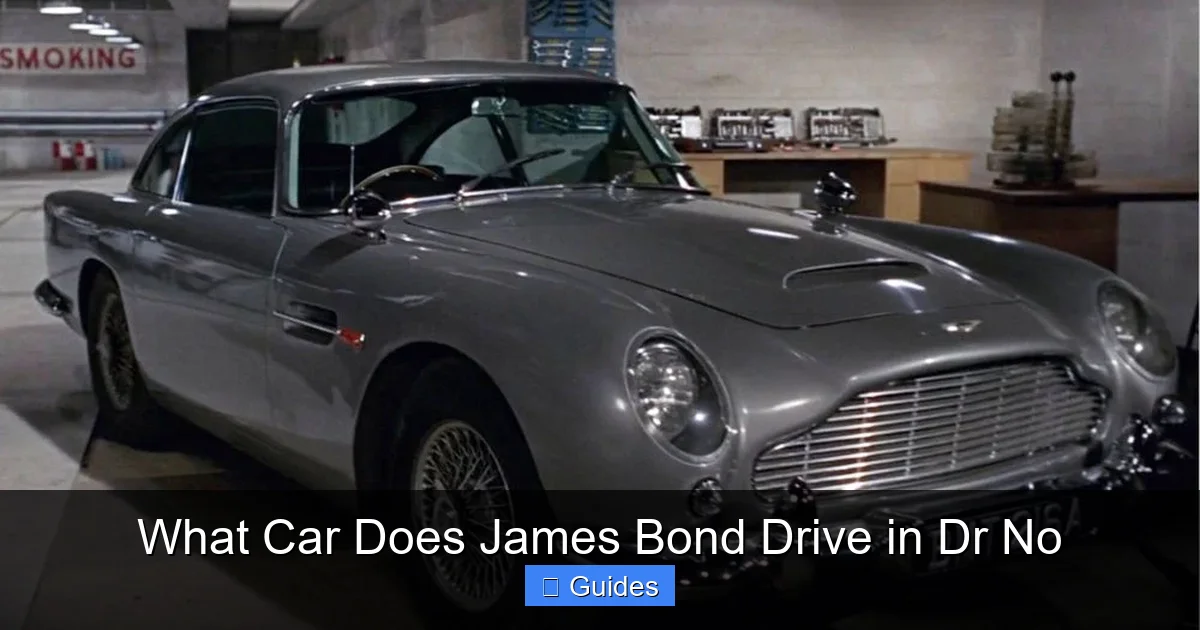
Visual guide about What Car Does James Bond Drive in Dr No
Image source: 007james.com
So why did the filmmakers choose the Sunbeam Alpine for James Bond’s first movie car? The answer lies in a mix of practicality, branding, and cinematic timing.
At the time, Sunbeam was a well-known British automaker with a reputation for producing stylish, affordable sports cars. The Alpine, introduced in 1959, was designed to compete with other popular roadsters like the MG Midget and Triumph TR4. It wasn’t the fastest or most powerful car on the market, but it offered a winning combination of good looks, decent performance, and a comfortable ride.
For the producers of *Dr. No*, the Alpine represented the ideal balance between accessibility and sophistication. It was a car that ordinary people could aspire to own, yet it still had enough flair to fit the image of a secret agent. Plus, as a British-made vehicle, it reinforced Bond’s national identity—something that was important in the early days of the franchise.
Another factor was product placement. While not as overt as later partnerships (like Aston Martin’s long-standing relationship with the series), the use of the Sunbeam Alpine was a form of subtle advertising. The car’s appearance in a major Hollywood film gave it instant exposure, and Sunbeam capitalized on the buzz by promoting the “Bond Car” in their marketing campaigns.
Interestingly, Ian Fleming, the creator of James Bond, didn’t specify what car 007 should drive in the original novels. In the books, Bond is described as owning a Bentley, but the filmmakers opted for a more contemporary and cinematic choice. The Sunbeam Alpine was a product of its time—modern, stylish, and distinctly British—making it a natural fit for the film adaptation.
Technical Specs and Performance: What Made the Alpine Tick
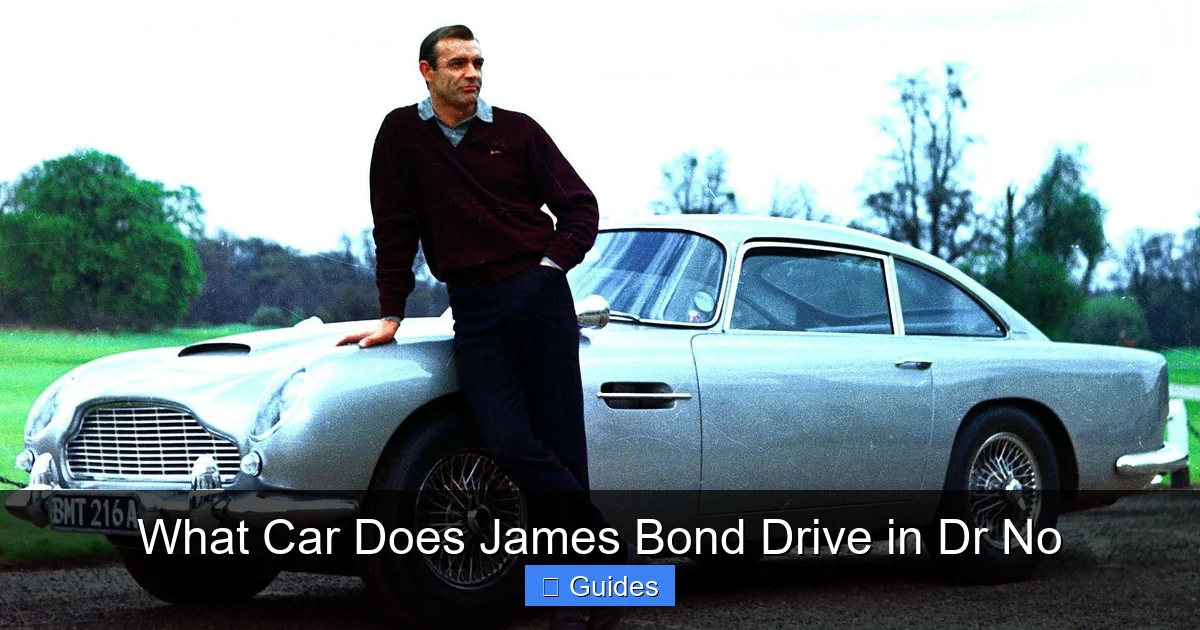
Visual guide about What Car Does James Bond Drive in Dr No
Image source: wallpapercave.com
Let’s take a closer look under the hood. The 1962 Sunbeam Alpine Series II was powered by a 1.6-liter inline-four engine, derived from the Rootes Group’s family of engines. It produced around 80 horsepower, which, by modern standards, might seem underwhelming. But in the early 1960s, that was more than enough to deliver a spirited driving experience.
The Alpine featured a four-speed manual transmission and rear-wheel drive, giving it a classic sports car feel. Acceleration from 0 to 60 mph took about 13 seconds, and the top speed was around 90 mph. Again, not blistering by today’s standards, but respectable for a lightweight roadster of its era.
One of the Alpine’s standout features was its handling. Thanks to its independent front suspension and lightweight body, the car was nimble and responsive, especially on winding roads. It wasn’t built for drag racing, but it excelled in corners and offered a fun, engaging drive.
The interior was simple but well-appointed. The dashboard featured a trio of gauges—speedometer, tachometer, and fuel gauge—arranged in a clean, driver-focused layout. The seats were upholstered in vinyl or optional leather, and the convertible top could be raised or lowered manually in about 30 seconds.
While the Alpine lacked the high-tech gadgets that would later define Bond’s vehicles, it made up for it with charm and character. It was a car that invited you to take the scenic route, to feel the wind in your hair and the sun on your face. And in the context of *Dr. No*, that sense of freedom and adventure was exactly what Bond needed.
The Cultural Impact: How the Alpine Shaped Bond’s Automotive Legacy
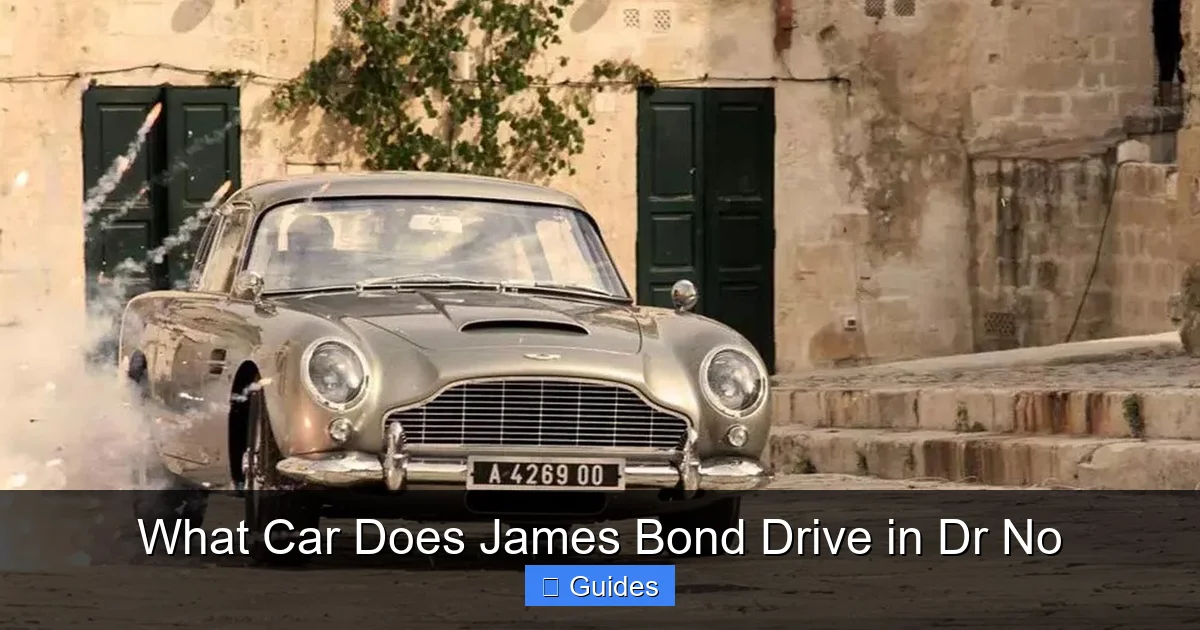
Visual guide about What Car Does James Bond Drive in Dr No
Image source: stratstone.com
Though the Sunbeam Alpine only appeared in one Bond film, its impact on the franchise—and on popular culture—was significant. It was the first car to be associated with James Bond on screen, and it helped establish a template for future vehicles: stylish, British, and perfectly suited to the character’s persona.
Before the Alpine, movie spies didn’t have signature cars. But after *Dr. No*, audiences began to expect Bond to arrive in something special. The Alpine set the stage for the Aston Martin DB5 in *Goldfinger*, which would become the most iconic Bond car of all time. Without the Alpine’s debut, that evolution might not have happened.
The car also had a real-world impact on Sunbeam’s sales. In the months following the film’s release, demand for the Alpine surged. Dealerships reported increased interest, and the “Bond Car” became a marketing sensation. Sunbeam even released a special “Dr. No” edition of the Alpine, complete with commemorative badging and a white paint job.
For classic car collectors today, the Sunbeam Alpine—especially the *Dr. No* version—is a prized possession. Original models in good condition can fetch tens of thousands of dollars at auction, and replicas are popular among Bond fans who want to experience a piece of cinematic history.
But perhaps the Alpine’s greatest legacy is its role in humanizing James Bond. Unlike the high-tech, weaponized vehicles that would follow, the Alpine was a car that anyone could relate to. It wasn’t invincible or futuristic—it was real, tangible, and grounded. And in that simplicity, it captured the essence of what made Bond so compelling: a man who, despite his extraordinary skills, still drove a car that felt like home.
Collecting the Dr. No Sunbeam Alpine: A Guide for Enthusiasts
If you’re a fan of James Bond or classic British cars, owning a Sunbeam Alpine—especially one tied to *Dr. No*—can be a dream come true. But finding an authentic model requires patience, research, and a bit of luck.
Original 1962 Sunbeam Alpine Series II models are still out there, but they’re rare. Many have been restored, modified, or lost to time. The key is to look for a car with matching numbers—meaning the engine, chassis, and body all correspond to the original factory specs. Documentation is also crucial. Look for service records, ownership history, and any evidence of film-related provenance.
One of the most famous *Dr. No* Alpines was owned by a private collector in the UK and displayed at Bond-themed exhibitions. It was restored to its original white finish and featured the same interior trim as seen in the film. While it never sold publicly, its existence proves that authentic examples do survive.
For those who can’t find an original, replica builds are a popular alternative. Skilled restorers can take a standard Alpine and modify it to match the *Dr. No* specifications, including the correct paint, badging, and interior details. These replicas can be nearly indistinguishable from the real thing and offer a more affordable way to own a piece of Bond history.
When buying any classic car, it’s important to have it inspected by a qualified mechanic. The Alpine’s mechanical components—especially the engine and suspension—can wear over time, and repairs can be costly. But with proper care, these cars can last for decades and provide endless enjoyment.
Conclusion: The Enduring Appeal of Bond’s First Car
The 1962 Sunbeam Alpine Series II may not have the gadgets, the speed, or the fame of later Bond vehicles, but it holds a special place in cinematic history. It was the car that introduced James Bond to the world, and in doing so, helped launch a franchise that would span decades and define an era.
More than just a mode of transportation, the Alpine represented a moment of transition—from the page to the screen, from fiction to icon. It was simple, elegant, and undeniably cool. And in a world of increasingly complex technology, there’s something refreshing about a car that relies on charm rather than computers.
So the next time you watch *Dr. No*, take a moment to appreciate the white convertible parked outside the airport. It’s not just a car—it’s the beginning of a legend.
Frequently Asked Questions
What car does James Bond drive in Dr. No?
James Bond drives a 1962 Sunbeam Alpine Series II in Dr. No. It was the first car associated with 007 on screen and appeared during his arrival in Jamaica.
Was the Sunbeam Alpine driven by Sean Connery?
No, Sean Connery did not drive the Alpine in most scenes. A professional stunt driver handled the actual driving, while Connery performed close-up shots for authenticity.
How fast is the Sunbeam Alpine from Dr. No?
The 1962 Sunbeam Alpine has a top speed of around 90 mph and accelerates from 0 to 60 mph in about 13 seconds, powered by a 1.6L engine producing 80 horsepower.
Is the Dr. No Sunbeam Alpine valuable today?
Yes, original models—especially those with film provenance—are highly collectible. Well-preserved examples can sell for $20,000 or more at auction.
Did Ian Fleming choose the Sunbeam Alpine for Bond?
No, Ian Fleming did not specify Bond’s car in the novels. The filmmakers chose the Alpine for its style, British heritage, and cinematic appeal.
Are there replicas of the Dr. No Sunbeam Alpine?
Yes, skilled restorers build replicas that match the film’s specifications, including the white paint, interior trim, and badging, making them popular among collectors.

At CarLegit, we believe information should be clear, factual, and genuinely helpful. That’s why every guide, review, and update on our website is created with care, research, and a strong focus on user experience.