

A car driver’s seat can break down due to mechanical wear, electrical issues, poor maintenance, or manufacturing defects. Understanding these causes helps prevent discomfort, safety risks, and costly repairs down the road.
In This Article
- 1 Key Takeaways
- 2 📑 Table of Contents
- 3 Introduction: Why Your Driver’s Seat Matters More Than You Think
- 4 Normal Wear and Tear: The Silent Culprit
- 5 Electrical System Failures in Power Seats
- 6 Poor Maintenance Habits That Accelerate Breakdown
- 7 Manufacturing Defects and Design Flaws
- 8 Accidents, Impacts, and Overloading
- 9 Environmental Factors: Heat, Cold, and Moisture
- 10 Improper Installation and Aftermarket Modifications
- 11 Conclusion: Protect Your Seat, Protect Yourself
- 12 Frequently Asked Questions
- 12.1 How often should I inspect my driver’s seat for problems?
- 12.2 Can I fix a broken power seat motor myself?
- 12.3 Why does my seat make a clicking noise when adjusting?
- 12.4 Is it safe to drive with a sagging driver’s seat?
- 12.5 Do seat covers really help prevent breakdown?
- 12.6 What should I do if my seat won’t move at all?
Key Takeaways
- Normal wear and tear: Daily use over time weakens seat components like springs, foam, and adjustment mechanisms.
- Electrical system failures: Power seats rely on motors and wiring that can fail due to corrosion, short circuits, or blown fuses.
- Poor maintenance habits: Neglecting cleaning, lubrication, and inspections accelerates seat deterioration.
- Manufacturing defects: Some seats have design flaws or subpar materials that lead to premature breakdowns.
- Accidents and impacts: Collisions or heavy loading can damage seat frames, rails, and internal structures.
- Environmental factors: Extreme heat, cold, moisture, and UV exposure degrade seat materials and electronics.
- Improper installation or modifications: Aftermarket seats or incorrect installations can compromise structural integrity and function.
📑 Table of Contents
- Introduction: Why Your Driver’s Seat Matters More Than You Think
- Normal Wear and Tear: The Silent Culprit
- Electrical System Failures in Power Seats
- Poor Maintenance Habits That Accelerate Breakdown
- Manufacturing Defects and Design Flaws
- Accidents, Impacts, and Overloading
- Environmental Factors: Heat, Cold, and Moisture
- Improper Installation and Aftermarket Modifications
- Conclusion: Protect Your Seat, Protect Yourself
Introduction: Why Your Driver’s Seat Matters More Than You Think
Your car’s driver’s seat isn’t just a place to sit—it’s your command center. It supports your posture, keeps you comfortable on long drives, and plays a critical role in safety during sudden stops or collisions. Yet, many drivers overlook the importance of maintaining this vital component until something goes wrong. A broken or malfunctioning seat can lead to discomfort, reduced control, and even injury in an accident.
Understanding what causes a car driver’s seat to break down is the first step toward preventing costly repairs and ensuring your safety on the road. From everyday wear to hidden electrical faults, several factors can compromise your seat’s performance. In this guide, we’ll explore the most common causes of driver’s seat breakdowns, how to spot early warning signs, and what you can do to extend the life of your seat. Whether you drive a compact sedan or a heavy-duty truck, this information will help you stay ahead of problems before they escalate.
Normal Wear and Tear: The Silent Culprit
Let’s face it—your driver’s seat takes a beating every single day. Every time you slide in, adjust the position, or shift your weight, tiny stresses accumulate. Over months and years, this constant use leads to what experts call “normal wear and tear.” It’s the most common cause of seat breakdowns, especially in high-mileage vehicles.

Visual guide about What Causes a Car Drivers Seat to Break Down
Image source: as2.ftcdn.net
Foam Degradation and Loss of Support
The cushioning in your seat is made of polyurethane foam, which is designed to provide comfort and support. However, this material breaks down over time. Heat from the sun, body pressure, and repeated compression cause the foam to lose its resilience. You might notice that your seat feels flatter, less supportive, or that you’re sitting lower than before. In severe cases, the foam can crumble or develop permanent indentations, making long drives uncomfortable and potentially affecting your posture.
For example, a driver who commutes two hours daily may start noticing foam wear within three to five years. Without intervention, this can lead to back pain and reduced driving focus. Regularly rotating or flipping seat cushions (if possible) and using seat covers can help distribute wear more evenly.
Spring and Frame Fatigue
Beneath the foam, most seats have a network of springs or wire grids that provide structural support. These metal components are subject to metal fatigue—a gradual weakening caused by repeated stress. Over time, springs can lose tension, bend, or even snap. When this happens, the seat may sag, tilt, or feel unstable.
Imagine sitting down and feeling a sudden “give” in one corner of the seat. That’s a classic sign of spring failure. In some cases, the entire seat frame—usually made of stamped steel or aluminum—can warp or crack, especially if the vehicle has been in an accident or frequently carries heavy loads.
Mechanical Adjustment Wear
Manual and power seats both rely on mechanical parts to move forward, backward, up, down, or recline. These adjustment mechanisms include gears, levers, rails, and linkages. With frequent use, these parts can wear out. You might hear grinding noises, feel stiffness, or notice that the seat doesn’t move smoothly.
For instance, a driver who constantly adjusts their seat for different passengers may wear out the manual lever or gear teeth faster than someone who sets it once and leaves it. Lubricating moving parts during routine maintenance can significantly extend their lifespan.
Electrical System Failures in Power Seats
Modern vehicles often come equipped with power-adjustable driver’s seats, offering convenience and precision. However, this added complexity introduces new failure points. Electrical issues are a leading cause of power seat malfunctions, and they can be tricky to diagnose without the right tools.

Visual guide about What Causes a Car Drivers Seat to Break Down
Image source: virtualbackgrounds.site
Motor Burnout and Overheating
Each adjustment function—forward/back, tilt, lumbar support—is powered by a small electric motor. These motors are durable but not indestructible. If a motor is forced to work against resistance (like a stuck rail or heavy load), it can overheat and burn out. You might notice that one function stops working while others still operate.
For example, a driver trying to recline the seat while someone is leaning on it could strain the recline motor. Over time, this leads to failure. Replacing a motor isn’t cheap—typically ranging from $150 to $400 per unit—so prevention is key. Avoid forcing adjustments and keep rails clean and lubricated.
Wiring Harness and Connector Issues
The wiring that connects the seat to the car’s electrical system runs under the carpet and through the seat base. These wires can become frayed, pinched, or corroded, especially if the seat is frequently moved. A broken wire means no power to the motors, resulting in a completely unresponsive seat.
Corrosion is a common problem in humid climates or vehicles exposed to road salt. Moisture seeps into connectors, causing resistance and eventual failure. Regular inspections during oil changes or tire rotations can help catch these issues early. Using dielectric grease on connectors can also prevent corrosion.
Blown Fuses and Faulty Relays
Power seats are protected by fuses and relays in the vehicle’s fuse box. If a motor draws too much current—due to a short circuit or mechanical jam—the fuse will blow to prevent damage. A blown fuse is often the simplest explanation for a non-working power seat.
Check your owner’s manual to locate the correct fuse. Replacing it is inexpensive and takes just minutes. However, if the fuse blows again immediately, there’s likely an underlying electrical fault that needs professional diagnosis.
Control Switch Malfunctions
The seat adjustment switches on the side of the seat or door panel can fail due to dirt, moisture, or internal wear. You might press the button and hear a click but see no movement. In some cases, the switch sends incorrect signals, causing the seat to move erratically.
Cleaning the switch with electrical contact cleaner can sometimes restore function. If not, replacement is usually straightforward but may require removing the door panel or seat trim.
Poor Maintenance Habits That Accelerate Breakdown
Many drivers assume that car seats are “set it and forget it” components. But like any part of your vehicle, they benefit from regular care. Neglecting maintenance is a major contributor to premature seat failure.
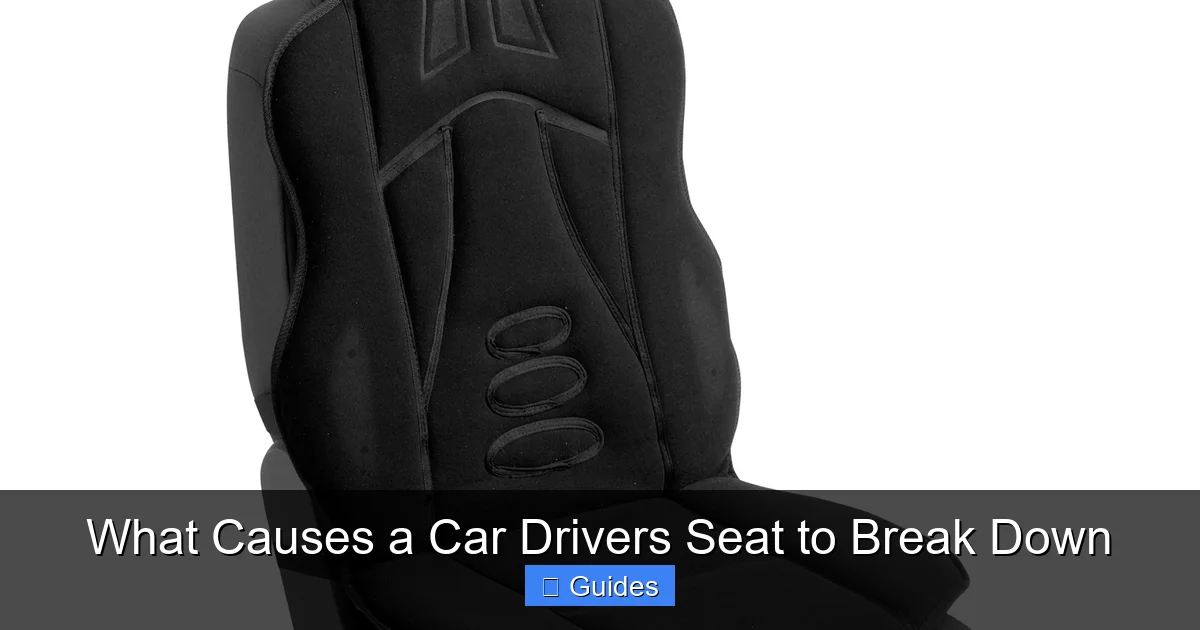
Visual guide about What Causes a Car Drivers Seat to Break Down
Image source: theenergylibrary.com
Lack of Cleaning and Fabric Care
Dirt, sweat, food crumbs, and spills accumulate in seat crevices over time. This not only creates unpleasant odors but also breaks down fabric and leather. Stains can weaken materials, and moisture trapped in upholstery promotes mold and mildew.
For cloth seats, vacuum regularly and use a fabric cleaner to remove stains. For leather, use a pH-balanced cleaner and conditioner every few months to prevent cracking. Avoid harsh chemicals like ammonia or bleach, which can strip protective coatings.
Ignoring Lubrication of Moving Parts
Seat rails, gears, and hinges need lubrication to function smoothly. Without it, metal parts grind against each other, causing wear and noise. Most manufacturers recommend lubricating seat mechanisms every 12,000 to 15,000 miles or during routine service.
Use a silicone-based lubricant or white lithium grease—avoid oil-based products that attract dirt. Apply sparingly to rails and pivot points, then move the seat through its full range of motion to distribute the lubricant.
Skipping Inspections
Many seat problems start small—a loose bolt, a frayed wire, a squeaky rail. If left unchecked, these minor issues can escalate into major failures. A quick visual inspection every few months can catch problems early.
Look for signs like loose mounting bolts, frayed wires under the seat, or unusual noises during adjustment. Tighten bolts as needed and address any abnormalities promptly.
Manufacturing Defects and Design Flaws
Not all seat breakdowns are due to user error or age. Sometimes, the problem lies in the design or materials used by the manufacturer. While rare, these defects can affect entire model lines and lead to widespread issues.
Substandard Materials
To cut costs, some automakers use lower-quality foam, plastics, or wiring in seat construction. These materials may degrade faster than expected, leading to early breakdowns. For example, a 2018 recall involving a popular SUV model cited faulty seat frame welds that could crack under normal use.
If you notice premature wear in a newer vehicle, check for recalls or technical service bulletins (TSBs) related to your make and model. Manufacturers may offer free repairs if a defect is confirmed.
Poor Ergonomics and Stress Concentrations
Some seat designs place excessive stress on certain components. For instance, a seat with a narrow base may concentrate weight on a small area of the frame, leading to cracks. Similarly, overly complex adjustment mechanisms may have weak points that fail under normal use.
Researching consumer reviews and reliability reports can help you identify models with known seat issues before purchasing.
Accidents, Impacts, and Overloading
Physical damage is an obvious but often overlooked cause of seat breakdown. Even minor accidents can compromise seat integrity, especially if the seat was not properly secured or if airbags deployed.
Collision Damage
In a crash, the driver’s seat absorbs significant force. The frame can bend, rails can warp, and mounting points can loosen. Even if the seat appears intact, internal damage may affect safety and function.
After any accident, have a certified technician inspect the seat and seatbelt system. Never assume that a visually undamaged seat is safe to use.
Overloading and Misuse
Seats are designed to support a specific weight limit—usually around 300 to 400 pounds. Consistently exceeding this limit, or placing heavy objects on the seat (like toolboxes or pet carriers), can stress the frame and mechanisms.
Avoid using the seat as a storage shelf or step. Also, never allow passengers to stand or kneel on the driver’s seat, as this can cause sudden, damaging impacts.
Environmental Factors: Heat, Cold, and Moisture
Your car’s interior environment plays a big role in seat longevity. Extreme temperatures and humidity can degrade materials and electronics faster than normal use alone.
UV Damage and Fading
Sunlight streaming through the windshield exposes the driver’s seat to intense UV radiation. Over time, this causes fabric and leather to fade, dry out, and crack. Vinyl surfaces may become brittle and peel.
Using a windshield sunshade and parking in the shade can reduce UV exposure. Applying UV protectants to leather and vinyl also helps preserve appearance and flexibility.
Moisture and Mold Growth
Spills, wet clothing, or high humidity can trap moisture in seat cushions. This creates an ideal environment for mold and mildew, which not only smell bad but also weaken materials.
Promptly clean and dry any spills. Use moisture-absorbing products like silica gel packs in storage compartments, and ensure proper ventilation in the cabin.
Thermal Expansion and Contraction
Extreme heat causes materials to expand, while cold makes them contract. This constant cycling can loosen bolts, warp frames, and stress electrical connections. In winter, frozen seat rails may prevent adjustment until the cabin warms up.
Allow your car to warm up before making seat adjustments in cold weather. In hot climates, use seat covers to reflect heat and reduce thermal stress.
Improper Installation and Aftermarket Modifications
Replacing or modifying your driver’s seat can improve comfort or aesthetics, but it also introduces risks if not done correctly.
Incorrect Seat Installation
Aftermarket seats or replacement OEM seats must be installed with the correct hardware and torque specifications. Loose or mismatched bolts can lead to seat movement during driving, which is a serious safety hazard.
Always follow the manufacturer’s installation guide and use a torque wrench to secure mounting bolts. Have the installation inspected by a professional if you’re unsure.
Compatibility Issues with Electronics
Modern seats often include sensors for airbags, seatbelt reminders, and memory functions. Installing a seat without compatible wiring or sensors can disable these safety systems.
For example, swapping a basic seat into a car with side airbags may prevent the airbag from deploying correctly in a crash. Always verify compatibility before making changes.
Conclusion: Protect Your Seat, Protect Yourself
Your driver’s seat is more than a comfort feature—it’s a critical component of your vehicle’s safety and functionality. Understanding what causes a car driver’s seat to break down empowers you to take proactive steps that extend its life and keep you safe on the road.
From regular cleaning and lubrication to addressing electrical issues and avoiding overloading, small habits make a big difference. If you notice signs of wear—sagging foam, grinding noises, or unresponsive controls—don’t ignore them. Early intervention can prevent minor problems from becoming major expenses.
Remember, a well-maintained seat not only enhances your driving experience but also contributes to better posture, reduced fatigue, and improved reaction times. Treat your seat with the same care you give your engine or tires, and it will serve you reliably for years to come.
Frequently Asked Questions
How often should I inspect my driver’s seat for problems?
It’s a good idea to inspect your driver’s seat every 3 to 6 months, or during routine maintenance like oil changes. Look for loose bolts, frayed wires, unusual noises, or signs of wear.
Can I fix a broken power seat motor myself?
Replacing a power seat motor is possible for DIYers with mechanical skills, but it requires removing the seat and accessing internal components. If you’re not confident, consult a professional to avoid further damage.
Why does my seat make a clicking noise when adjusting?
A clicking noise often indicates a worn gear or slipping mechanism in the adjustment system. It may also signal a failing motor. Have it checked before the seat becomes stuck.
Is it safe to drive with a sagging driver’s seat?
Driving with a sagging seat can affect your posture, control, and safety in a crash. It’s best to repair or replace the seat as soon as possible to maintain proper support.
Do seat covers really help prevent breakdown?
Yes, seat covers protect upholstery from spills, UV damage, and abrasion. They can significantly extend the life of your seat, especially in high-use vehicles.
What should I do if my seat won’t move at all?
First, check the fuse and relay for the power seat. If those are fine, inspect the wiring and switches. If the issue persists, it may be a motor or mechanical failure requiring professional diagnosis.

At CarLegit, we believe information should be clear, factual, and genuinely helpful. That’s why every guide, review, and update on our website is created with care, research, and a strong focus on user experience.