
The Traction Control Sport mode on a Dodge Charger is a performance-oriented setting that reduces electronic intervention, allowing for more aggressive driving and controlled wheel slip. It’s ideal for enthusiasts who want better throttle response and handling on dry pavement while still maintaining a safety net.
If you’ve ever driven a Dodge Charger—especially one with a V8 under the hood—you know it’s not just a car. It’s a statement. A muscle car with modern tech, aggressive styling, and enough power to make your heart race. But with great power comes great responsibility, and that’s where systems like Traction Control Sport come into play.
You’ve probably seen the “Traction Control Sport” button on the center console or dashboard of your Charger, especially if you’re driving a Scat Pack, SRT, or Hellcat model. It might look like just another performance toggle, but it’s actually a smart engineering feature designed to give you more control—without throwing safety completely out the window. Unlike simply turning traction control off, Traction Control Sport strikes a balance between raw performance and driver safety.
So, what does Traction Control Sport really mean on a Dodge Charger? In simple terms, it’s a driving mode that adjusts how the car’s electronic stability and traction control systems behave. Instead of aggressively cutting power or applying the brakes the moment the wheels slip, it allows for a little more freedom—letting you push the car harder while still keeping things in check. Think of it as a “sportier” version of traction control: less restrictive, more responsive, and perfect for drivers who want to feel the road without losing control.
This mode is especially useful on dry pavement, during spirited drives, or even at the track. It doesn’t turn off safety systems entirely, which means you still have a safety net if things get dicey. But it gives you the thrill of more direct throttle response and the ability to feel the car’s power in a way that full traction control doesn’t allow. Whether you’re accelerating out of a corner or just enjoying a fast highway on-ramp, Traction Control Sport makes the experience more engaging.
In this guide, we’ll dive deep into what Traction Control Sport does, how it works, when to use it, and why it’s such a valuable feature for Charger owners. We’ll also cover the differences between it and other traction control settings, how it interacts with other performance systems, and tips for getting the most out of your Charger’s capabilities. By the end, you’ll know exactly when to flip that switch and how to drive smarter—and faster.
In This Article
- 1 Key Takeaways
- 2 📑 Table of Contents
- 3 Understanding Traction Control Basics
- 4 What Is Traction Control Sport?
- 5 When and How to Use Traction Control Sport
- 6 Benefits of Using Traction Control Sport
- 7 Traction Control Sport and Other Performance Systems
- 8 Common Misconceptions About Traction Control Sport
- 9 Tips for Getting the Most Out of Traction Control Sport
- 10 Conclusion
- 11 Frequently Asked Questions
- 11.1 What does Traction Control Sport do on a Dodge Charger?
- 11.2 Is Traction Control Sport safe for daily driving?
- 11.3 Can I use Traction Control Sport on the track?
- 11.4 Does Traction Control Sport improve acceleration?
- 11.5 How is Traction Control Sport different from turning traction control off?
- 11.6 Which Dodge Charger models have Traction Control Sport?
Key Takeaways
- Traction Control Sport reduces electronic stability intervention, giving drivers more control over throttle and wheel slip for a sportier feel.
- It’s designed for dry, high-grip surfaces like racetracks or smooth highways, not wet or icy roads.
- The system still provides a safety backup, unlike fully turning off traction control, making it a balanced option for spirited driving.
- It enhances throttle response and cornering agility by allowing slight wheel spin during acceleration out of turns.
- Best used by experienced drivers who understand vehicle dynamics and can manage increased power delivery.
- Works in conjunction with other performance systems like Launch Control and adaptive suspension on higher trims.
- Not recommended for daily commuting in poor weather—switch back to full traction control for safety in rain or snow.
📑 Table of Contents
- Understanding Traction Control Basics
- What Is Traction Control Sport?
- When and How to Use Traction Control Sport
- Benefits of Using Traction Control Sport
- Traction Control Sport and Other Performance Systems
- Common Misconceptions About Traction Control Sport
- Tips for Getting the Most Out of Traction Control Sport
- Conclusion
Understanding Traction Control Basics
Before we get into the specifics of Traction Control Sport, it’s important to understand what traction control is in the first place. At its core, traction control is a safety system designed to prevent wheel spin during acceleration. When your tires lose grip—whether due to wet roads, icy conditions, or simply too much power—the system detects the slip and takes action to regain control.
Here’s how it typically works: sensors monitor the speed of each wheel. If one or more wheels are spinning faster than the others (indicating loss of traction), the system reduces engine power or applies the brakes to that specific wheel. This helps the car maintain forward momentum without skidding or fishtailing. It’s especially helpful in low-traction situations like rain, snow, or gravel.
On most cars, traction control is always on by default. You can usually turn it off manually, but doing so removes all electronic intervention—meaning the car won’t step in if you lose grip. That’s fine for experienced drivers on a track, but risky for everyday driving.
Now, the Dodge Charger takes this concept a step further with multiple traction control modes. Instead of just “on” or “off,” it offers settings like “Full On,” “Partial Off” (which is essentially Traction Control Sport), and “Full Off.” Each level gives you a different balance of performance and safety.
How Standard Traction Control Works
Standard traction control on the Charger is designed for everyday driving. It’s aggressive in its response—cutting power quickly if it detects wheel slip. This is great for safety, especially in bad weather or when you’re not expecting a sudden loss of grip. But it can feel intrusive during spirited driving. For example, if you’re accelerating hard out of a turn, the system might reduce power before you even feel the car losing control.
This can be frustrating for performance drivers who want to feel connected to the car. They want to know when the tires are reaching their limit, not have the computer step in too early. That’s where Traction Control Sport comes in.
The Evolution to Performance-Oriented Modes
As muscle cars evolved into high-performance machines, automakers realized that drivers wanted more control—not less. The Charger, with its powerful HEMI engines and rear-wheel-drive layout, is especially prone to wheel spin under hard acceleration. But instead of just letting drivers turn off traction control entirely, Dodge developed smarter systems.
Traction Control Sport is the result of that innovation. It’s not about removing safety—it’s about refining it. The system still monitors wheel speed and vehicle dynamics, but it allows for more slip before intervening. This gives you a more natural feel behind the wheel, especially when driving aggressively.
What Is Traction Control Sport?
Visual guide about What Does Traction Control Sport Mean on Dodge Charger
Image source: roadsumo.com
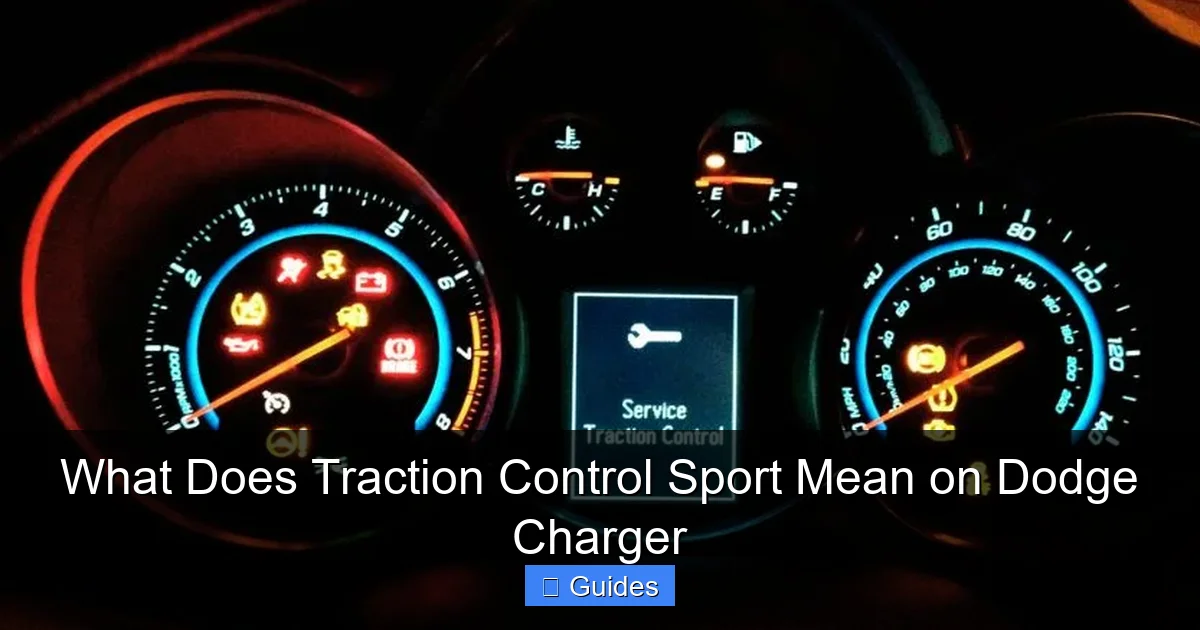
So, what exactly is Traction Control Sport? In the Dodge Charger, it’s a driving mode that modifies how the traction control and electronic stability systems behave. When you activate Traction Control Sport, the car’s computer allows for more wheel slip during acceleration and cornering before stepping in to correct the situation.
Think of it as a “sportier” version of traction control. It doesn’t disable the system—it just makes it less aggressive. This means you get more responsive throttle input, better acceleration out of corners, and a more engaging driving experience. But unlike turning traction control completely off, you still have a safety net if things go wrong.
This mode is especially useful on dry pavement, where grip is high and the risk of losing control is lower. It’s perfect for highway driving, canyon runs, or track days—any situation where you want to push the car a little harder without going full race mode.
How It Differs from Full Traction Control
The key difference between standard traction control and Traction Control Sport is the level of intervention. With full traction control on, the system is very quick to reduce power or apply brakes at the first sign of slip. This keeps the car stable but can feel restrictive.
In Traction Control Sport, the system waits longer before acting. It allows the tires to break traction slightly—just enough to feel the car responding to your inputs. This gives you more control over how the car behaves, especially during hard launches or fast cornering.
For example, if you’re accelerating out of a turn in a Charger Scat Pack, standard traction control might cut power the moment the rear wheels start to spin. But in Traction Control Sport, the car lets you keep the throttle down a bit longer, allowing for a more aggressive exit. The system only steps in if the slip becomes excessive.
How It Differs from Turning Traction Control Off
Now, you might be wondering: why not just turn traction control off completely? After all, that gives you full control, right?
Well, yes—but with a big risk. When traction control is fully off, the car won’t intervene at all if you lose grip. That means if you over-accelerate, over-correct in a turn, or hit a patch of ice, the car could spin out with no electronic help.
Traction Control Sport strikes a balance. It gives you more freedom than standard mode, but still keeps a watchful eye on things. If the system detects a dangerous loss of control—like a sudden oversteer or skid—it will still step in to help. This makes it a much safer option for spirited driving on public roads.
When and How to Use Traction Control Sport
Visual guide about What Does Traction Control Sport Mean on Dodge Charger
Image source: roadsumo.com
Knowing when to use Traction Control Sport is just as important as understanding what it does. This mode isn’t meant for every driving situation—it’s designed for specific conditions where you want more performance without sacrificing safety.
Best Conditions for Traction Control Sport
The ideal time to use Traction Control Sport is on dry, high-grip surfaces. Think smooth highways, racetracks, or winding back roads with good pavement. In these conditions, your tires have plenty of grip, and the risk of losing control is low—especially with the system still providing backup.
It’s also great for performance driving events, track days, or even just a fun weekend drive. If you’re pushing the car harder than usual, this mode lets you feel the power without constant electronic interference.
Avoid using Traction Control Sport in wet, icy, or snowy conditions. In low-traction environments, the system’s reduced intervention could lead to dangerous wheel spin or loss of control. In these cases, full traction control is your best friend.
How to Activate Traction Control Sport
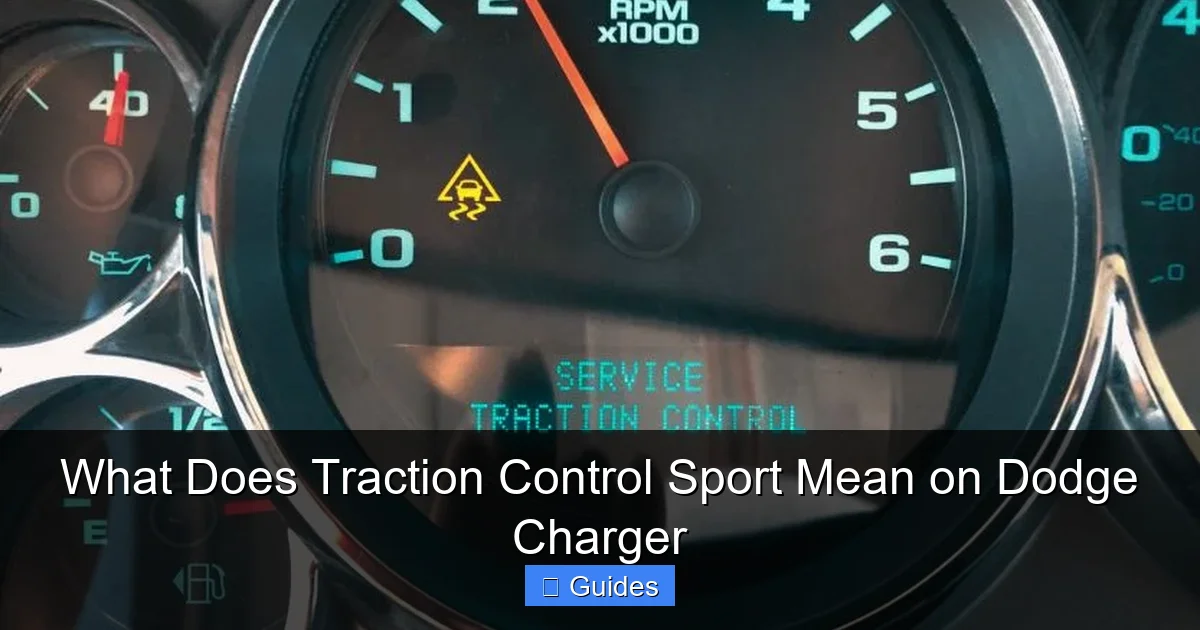
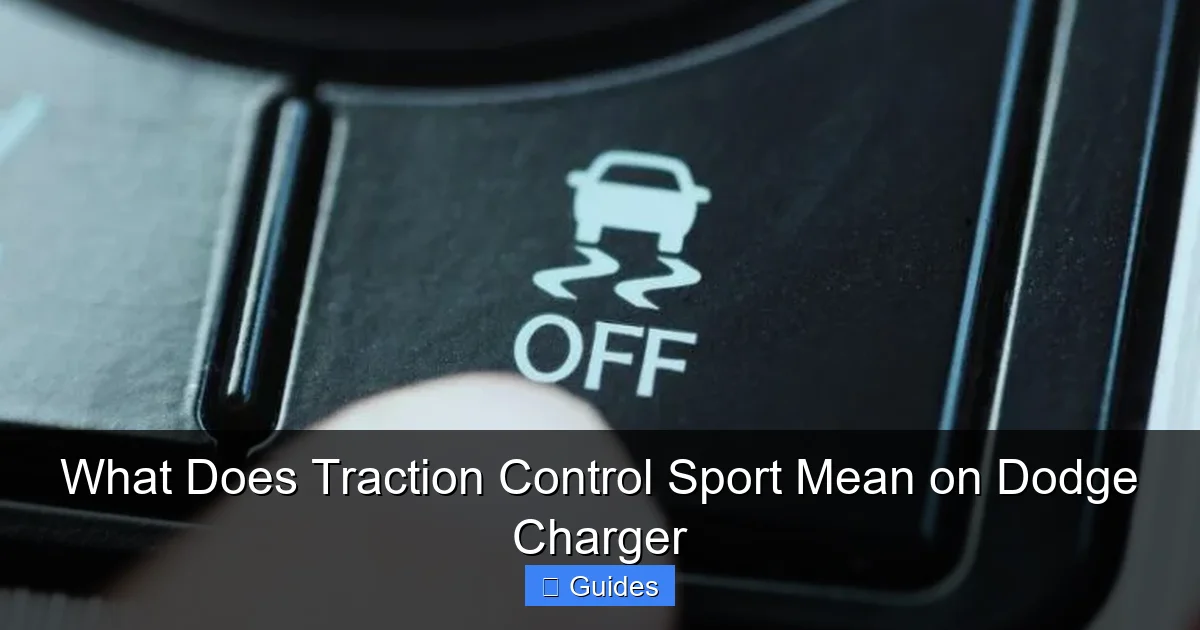
Activating Traction Control Sport is simple. On most Dodge Charger models, you’ll find a button on the center console or dashboard labeled “ESC” or “Traction Control.” Pressing it once usually turns off full traction control and activates Traction Control Sport. You may see a message on the instrument cluster confirming the change.
Some higher-end models, like the SRT or Hellcat, may have a dedicated drive mode selector with options like “Sport,” “Track,” or “Custom.” In these modes, Traction Control Sport is often enabled by default, along with other performance adjustments like stiffer suspension and quicker throttle response.
Practical Example: Accelerating Out of a Turn
Let’s say you’re driving your Charger on a twisty mountain road. You approach a corner, brake, and then accelerate out. With full traction control, the system might cut power as soon as the rear wheels start to spin, making the exit feel sluggish.
But in Traction Control Sport, the car allows a bit of wheel slip. You can keep the throttle down longer, feeling the car rotate slightly as the tires find grip. The system only steps in if the slip becomes too much. This gives you a more dynamic, responsive feel—like the car is working with you, not against you.
Benefits of Using Traction Control Sport
Visual guide about What Does Traction Control Sport Mean on Dodge Charger
Image source: roadsumo.com
There are several advantages to using Traction Control Sport, especially if you enjoy driving your Charger with enthusiasm. It’s not just about going faster—it’s about feeling more connected to the car.
Enhanced Throttle Response
One of the biggest benefits is improved throttle response. With less electronic interference, your inputs translate more directly to power delivery. When you press the gas, the car responds immediately—no lag or hesitation. This makes acceleration feel more aggressive and satisfying.
Better Cornering and Handling
Traction Control Sport also improves cornering dynamics. By allowing slight wheel slip, the system helps the car rotate more naturally through turns. This is especially helpful in rear-wheel-drive cars like the Charger, where power delivery can affect balance.
You’ll notice the car feels more planted and responsive, especially during hard cornering or quick lane changes. It’s not as extreme as a full race setup, but it’s a noticeable improvement over standard mode.
More Engaging Driving Experience
Let’s be honest—part of the fun of driving a Charger is feeling its power. Traction Control Sport lets you enjoy that power without constant electronic nannies stepping in. It’s more engaging, more exciting, and more in line with the car’s performance DNA.
Safer Than Full Off Mode
Unlike turning traction control completely off, Traction Control Sport still provides a safety net. If you make a mistake—like overcorrecting or hitting a bump mid-corner—the system can still intervene to help stabilize the car. This makes it a smarter choice for most drivers.
Traction Control Sport and Other Performance Systems
The Charger isn’t just about one system—it’s a symphony of performance technologies working together. Traction Control Sport doesn’t operate in isolation. It interacts with other features to deliver a cohesive driving experience.
Launch Control
On high-performance models like the Scat Pack and Hellcat, Launch Control is a key feature. It helps you achieve the fastest possible 0-60 mph times by managing engine power and traction during hard launches.
When Launch Control is active, Traction Control Sport is typically enabled by default. This allows the car to manage wheel slip more effectively, helping you launch harder without spinning the tires. It’s a perfect example of how these systems work together.
Adaptive Suspension
Many Charger trims come with adaptive suspension systems that adjust damping based on driving conditions. In Sport or Track mode, the suspension stiffens up for better handling.
When combined with Traction Control Sport, you get a car that’s not only more responsive but also more composed through corners. The suspension keeps the body flat, while the traction system manages power delivery—resulting in a balanced, high-performance ride.
Steering and Throttle Tuning
In performance modes, the Charger also adjusts steering weight and throttle sensitivity. Traction Control Sport complements these changes by allowing more aggressive inputs without triggering safety interventions.
The result? A car that feels alive, responsive, and ready to perform—whether you’re on a track or a country road.
Common Misconceptions About Traction Control Sport
Despite its benefits, there are some myths and misunderstandings about Traction Control Sport. Let’s clear them up.
“It’s the Same as Turning Traction Control Off”
This is a common mistake. While both modes reduce electronic intervention, Traction Control Sport still provides safety backup. Turning it off completely removes all assistance—making it riskier, especially in unexpected situations.
“It’s Only for Racing”
While it’s great for track use, Traction Control Sport is also useful on public roads. Any time you want a more engaging drive—like a weekend cruise or a fast highway merge—this mode can enhance the experience.
“It Wears Out Tires Faster”
Some drivers worry that allowing more wheel slip will wear tires prematurely. While aggressive driving can increase wear, moderate use of Traction Control Sport won’t cause significant damage. Just keep an eye on tire condition and rotate them regularly.
“It’s Unsafe”
On the contrary, Traction Control Sport is safer than full-off mode. It gives you more control while still providing electronic assistance when needed. It’s a smart compromise for performance-minded drivers.
Tips for Getting the Most Out of Traction Control Sport
To make the most of this feature, keep these tips in mind:
- Use it on dry roads only. Avoid wet, icy, or gravel surfaces where grip is low.
- Know your limits. This mode gives you more freedom, but it doesn’t make you invincible. Drive responsibly.
- Combine with other performance modes. Use Sport or Track mode for a full performance experience.
- Practice in a safe environment. If you’re new to the mode, try it on an empty road or track first.
- Switch back for daily driving. For commuting or bad weather, return to full traction control.
Conclusion
The Traction Control Sport mode on the Dodge Charger is more than just a button—it’s a gateway to a more engaging, responsive driving experience. It strikes the perfect balance between performance and safety, giving you more control without removing the safety net.
Whether you’re accelerating out of a corner, launching from a stoplight, or just enjoying a spirited drive, this mode lets you feel the full potential of your Charger. It’s designed for drivers who want to push the limits—without going over them.
So the next time you’re behind the wheel, don’t be afraid to flip that switch. Just remember to use it wisely, respect the conditions, and enjoy the ride. Your Charger was built for moments like these.
Frequently Asked Questions
What does Traction Control Sport do on a Dodge Charger?
Traction Control Sport reduces electronic intervention, allowing more wheel slip and throttle response for a sportier drive. It still provides safety backup, unlike fully turning off traction control.
Is Traction Control Sport safe for daily driving?
It’s safe on dry roads but not recommended for daily commuting in rain, snow, or ice. Use full traction control in poor weather for better safety.
Can I use Traction Control Sport on the track?
Yes, it’s ideal for track use. It enhances performance while still offering stability control if needed, making it a great option for performance driving.
Does Traction Control Sport improve acceleration?
Yes, it improves throttle response and allows harder launches by permitting slight wheel slip, resulting in quicker acceleration out of corners or from a stop.
How is Traction Control Sport different from turning traction control off?
Traction Control Sport still intervenes in dangerous situations, while turning it off removes all electronic assistance, increasing the risk of loss of control.
Which Dodge Charger models have Traction Control Sport?
Most performance trims like the Scat Pack, SRT, and Hellcat include Traction Control Sport, often as part of Sport, Track, or Custom drive modes.

At CarLegit, we believe information should be clear, factual, and genuinely helpful. That’s why every guide, review, and update on our website is created with care, research, and a strong focus on user experience.