
If your Nissan displays a “Warning Malfunction” message, it’s alerting you to a potential issue with a critical system like brakes, engine, or transmission. Ignoring it can lead to safety risks or costly repairs, so prompt diagnosis and action are essential.
In This Article
- 1 Key Takeaways
- 2 📑 Table of Contents
- 3 Understanding the “Warning Malfunction” Message on Your Nissan
- 4 Common Causes of Warning Malfunctions in Nissan Vehicles
- 5 Decoding Nissan Warning Lights and Symbols
- 6 What to Do When You See a Warning Malfunction
- 7 Preventing Warning Malfunctions: Maintenance Tips
- 8 When to Seek Professional Help
- 9 Conclusion
- 10 Frequently Asked Questions
- 10.1 What does “Warning Malfunction” mean on a Nissan?
- 10.2 Can I drive my Nissan with a warning malfunction light on?
- 10.3 Why does my Nissan say “Transmission Malfunction”?
- 10.4 How much does it cost to fix a warning malfunction on a Nissan?
- 10.5 Can a dead battery cause warning malfunctions?
- 10.6 How do I reset a warning malfunction light on my Nissan?
Key Takeaways
- Common Causes: Sensor failures, low fluid levels, electrical glitches, or worn components often trigger warning malfunction alerts.
- Dashboard Symbols Matter: The specific warning light (e.g., ABS, Check Engine, or Transmission) helps pinpoint the affected system.
- Safety First: Some malfunctions, like brake or steering issues, require immediate attention to avoid accidents.
- DIY Checks Help: Simple steps like checking fluid levels or tire pressure can resolve minor triggers before visiting a mechanic.
- Scan Tools Are Key: An OBD2 scanner reads error codes, giving you precise insight into what’s wrong.
- Regular Maintenance Prevents Issues: Routine service reduces the chance of unexpected warning malfunctions.
- Don’t Ignore It: Even if the car seems fine, hidden problems can worsen over time and lead to breakdowns.
📑 Table of Contents
- Understanding the “Warning Malfunction” Message on Your Nissan
- Common Causes of Warning Malfunctions in Nissan Vehicles
- Decoding Nissan Warning Lights and Symbols
- What to Do When You See a Warning Malfunction
- Preventing Warning Malfunctions: Maintenance Tips
- When to Seek Professional Help
- Conclusion
Understanding the “Warning Malfunction” Message on Your Nissan
You’re driving along, enjoying your Nissan’s smooth ride, when suddenly—a red or yellow warning light pops up on the dashboard. Maybe it says “Warning Malfunction” or shows a symbol you don’t recognize. Your first reaction? Panic? Confusion? Don’t worry—you’re not alone. Many Nissan owners have been there.
The “Warning Malfunction” message is your vehicle’s way of saying, “Hey, something’s not right.” It’s not just a random alert; it’s part of Nissan’s advanced onboard diagnostic system designed to protect you and your car. These systems monitor everything from engine performance to brake function, and when something goes outside normal parameters, the car speaks up.
But here’s the good news: most warning malfunctions aren’t emergencies. They’re early warnings. Think of it like your body feeling a little off before a cold—it’s giving you a heads-up so you can take action before things get serious. The key is understanding what the message means and responding appropriately.
Common Causes of Warning Malfunctions in Nissan Vehicles
Not all warning malfunctions are created equal. Some are minor and easy to fix, while others signal deeper mechanical issues. Let’s break down the most common causes so you know what to look for.
Visual guide about What Does Warning Malfunction Mean on a Nissan
Image source: dashboardwarning.com
Sensor Failures
Sensors are the eyes and ears of your Nissan. They constantly feed data to the car’s computer about things like engine temperature, oxygen levels, wheel speed, and more. When a sensor fails or sends incorrect data, the system may trigger a warning malfunction.
For example, a faulty oxygen (O2) sensor might cause the “Check Engine” light to come on. This sensor monitors exhaust gases to help the engine burn fuel efficiently. If it’s dirty or damaged, your car might run rough, use more gas, or fail an emissions test—all while showing a warning malfunction.
Other common sensor issues include:
- Mass Air Flow (MAF) sensor – affects fuel mixture and performance
- Crankshaft or Camshaft Position sensors – can cause stalling or no-start conditions
- Wheel Speed sensors – trigger ABS or traction control warnings
Low or Contaminated Fluids
Your Nissan relies on several fluids to operate smoothly: engine oil, transmission fluid, brake fluid, coolant, and power steering fluid. When these levels drop or become contaminated, it can trigger warning lights.
Low engine oil, for instance, can cause the oil pressure warning light to flash—a serious issue that can lead to engine damage if ignored. Similarly, dirty or low transmission fluid may trigger a “Transmission Malfunction” warning, especially in models like the Nissan Altima or Rogue.
Contamination is another culprit. Water in brake fluid reduces braking efficiency and can trigger ABS warnings. Old coolant with rust or debris can overheat the engine, setting off temperature alerts.
Electrical and Wiring Issues
Nissans, like all modern vehicles, are packed with electronics. A loose connection, corroded wire, or blown fuse can disrupt communication between components, leading to false or persistent warning malfunctions.
For example, a corroded ground wire near the engine might cause intermittent “Check Engine” lights. Or a damaged wiring harness in the door (common in older Maximas) could trigger false airbag or window malfunction warnings.
Even something as simple as a weak battery can cause electrical gremlins. A battery under 12 volts may not power sensors properly, leading to erratic dashboard behavior.
Worn or Failing Components
Over time, parts wear out. Spark plugs, brake pads, belts, and hoses all have lifespans. When they degrade, they can trigger warning malfunctions.
Worn brake pads, for instance, may trigger a “Brake System Malfunction” alert, especially if the wear sensor is activated. A slipping serpentine belt might cause the alternator to undercharge, setting off a battery warning.
In CVT (Continuously Variable Transmission) models like the Nissan Sentra or Pathfinder, worn transmission components can lead to shuddering, hesitation, and a “Transmission Malfunction” message.
Decoding Nissan Warning Lights and Symbols
Not all warning malfunctions look the same. Nissan uses a combination of text messages and symbols to communicate issues. Learning to read them can save you time, money, and stress.
Visual guide about What Does Warning Malfunction Mean on a Nissan
Image source: youcanic.com
Check Engine Light
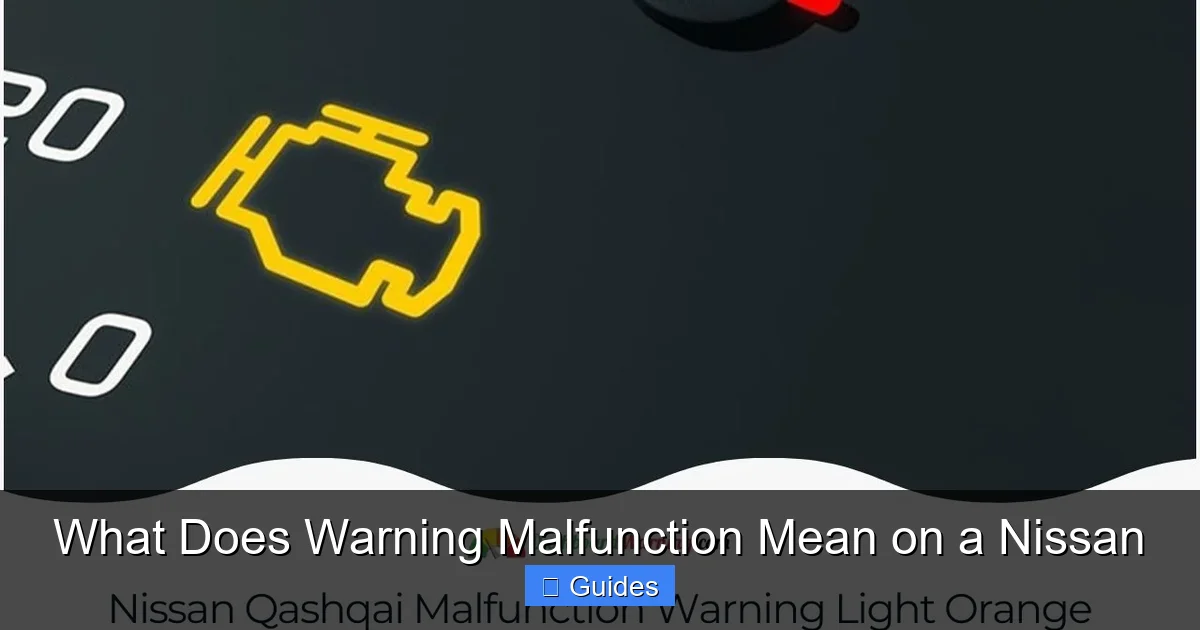
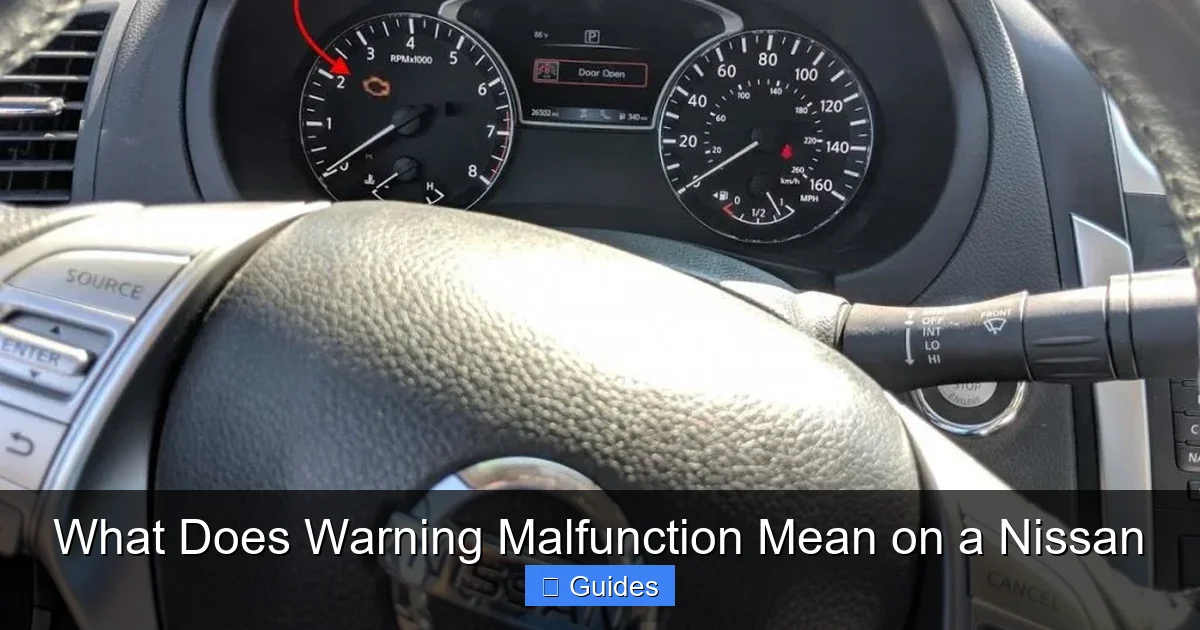
The “Check Engine” light is one of the most common—and misunderstood—warning indicators. It doesn’t always mean disaster. Sometimes it’s as simple as a loose gas cap.
When this light comes on, your Nissan’s computer has detected an issue with the engine or emissions system. It could be a faulty spark plug, a clogged fuel injector, or a malfunctioning catalytic converter.
Tip: If the light is steady, you might have time to diagnose it. But if it’s flashing, pull over safely—this indicates a severe problem like engine misfire that can damage the catalytic converter.
ABS and Brake System Warnings
The Anti-lock Braking System (ABS) light looks like a circle with “ABS” inside or a symbol resembling a brake drum with lines. If it’s on, your ABS may not function properly in an emergency stop.
This could be due to a bad wheel speed sensor, low brake fluid, or a failing ABS module. In some cases, the regular brake system warning (a red circle with an exclamation point) may also appear, indicating low fluid or worn pads.
Never ignore brake-related warnings. Even if your brakes feel fine, the ABS or electronic brakeforce distribution (EBD) might not work when you need it most.
Transmission Malfunction Alert
In Nissan vehicles with CVTs, the “Transmission Malfunction” warning is fairly common. It often appears as a gear symbol with an exclamation point or the words “Transmission Malfunction” on the display.
This could mean low fluid, overheating, or internal wear. CVTs are sensitive to driving habits—frequent hard acceleration or towing beyond capacity can shorten their life.
If you see this warning, avoid heavy driving and get it checked soon. Continuing to drive with a transmission issue can lead to complete failure.
Tire Pressure Monitoring System (TPMS)
The TPMS light looks like a horseshoe with an exclamation point. It means one or more tires are significantly underinflated.
Low tire pressure reduces fuel efficiency, increases wear, and can cause blowouts. In cold weather, tire pressure drops naturally, so check your tires monthly.
Many Nissans allow you to reset the TPMS after inflating the tires. Check your owner’s manual for the procedure.
Airbag and SRS Warnings
The Supplemental Restraint System (SRS) light looks like a person with a deployed airbag. If it’s on, your airbags may not deploy in a crash.
This could be due to a faulty sensor, clock spring, or wiring issue under the seat. Never ignore this warning—airbag systems are critical for safety.
What to Do When You See a Warning Malfunction
Seeing a warning malfunction can be unsettling, but staying calm and taking the right steps can prevent bigger problems. Here’s a practical action plan.
Visual guide about What Does Warning Malfunction Mean on a Nissan
Image source: dashboardwarning.com
Step 1: Stay Calm and Assess the Situation
First, don’t panic. Pull over safely if the warning is severe (like a flashing check engine light or brake warning). Turn on your hazard lights if needed.
Ask yourself: Is the car driving normally? Are there any unusual noises, smells, or vibrations? This helps determine urgency.
Step 2: Check the Dashboard for Details
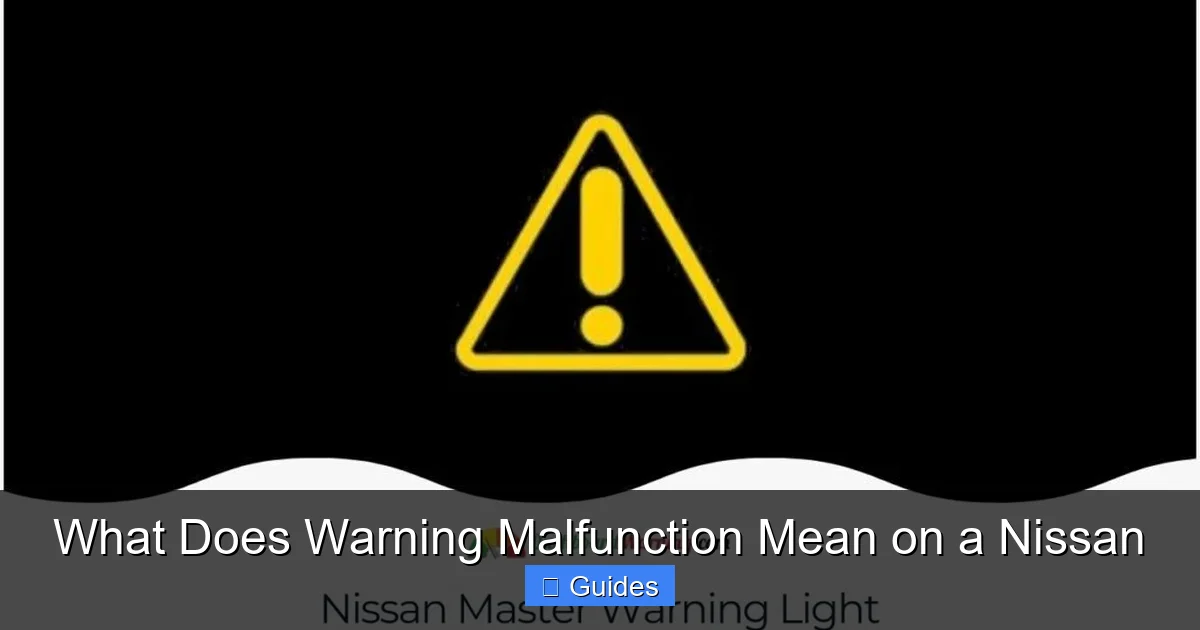
Look at the specific warning light or message. Is it a tire pressure alert? A transmission warning? The more you know, the better you can respond.
If your Nissan has a multi-information display, it may show a brief description like “Engine Malfunction” or “Low Washer Fluid.”
Step 3: Perform Basic Checks
Before calling a mechanic, try these quick fixes:
- Gas Cap: Tighten it if the check engine light is on. A loose cap can trigger an evaporative emissions fault.
- Fluid Levels: Check oil, coolant, brake fluid, and transmission fluid. Top off if low (use the correct type).
- Tire Pressure: Use a gauge to check all tires. Inflate to the recommended PSI (found on the driver’s door jamb).
- Battery Connections: Ensure terminals are tight and free of corrosion.
Step 4: Use an OBD2 Scanner
An OBD2 (On-Board Diagnostics) scanner is a small device that plugs into your Nissan’s diagnostic port (usually under the dashboard). It reads error codes stored in the car’s computer.
For example, code P0420 means “Catalyst System Efficiency Below Threshold”—likely a failing catalytic converter. Code C1145 might point to a bad wheel speed sensor.
You can buy a basic scanner for under $30 or use a free app with a Bluetooth adapter. Many auto parts stores (like AutoZone) also offer free code reading.
Step 5: Decide Whether to Drive or Tow
If the warning is minor (like a TPMS light), you can usually drive to a service station. But if it’s a brake, steering, or engine warning—especially if flashing—have the car towed.
Driving with a serious malfunction can cause expensive damage or put you at risk.
Step 6: Visit a Trusted Mechanic or Nissan Dealer
Even if the issue seems resolved, have a professional inspect it. Some problems, like intermittent sensor faults, may not show up again immediately but can return.
Nissan dealerships have specialized tools and software to diagnose brand-specific issues, especially with CVTs or advanced driver aids.
Preventing Warning Malfunctions: Maintenance Tips
The best way to deal with warning malfunctions is to avoid them altogether. Regular maintenance keeps your Nissan running smoothly and reduces the chance of unexpected alerts.
Follow the Maintenance Schedule
Your owner’s manual lists a recommended service schedule based on mileage and time. Stick to it. Key services include:
- Oil and filter changes every 5,000–7,500 miles
- Transmission fluid flush every 60,000–100,000 miles (depending on model)
- Brake fluid replacement every 2–3 years
- Coolant flush every 60,000–100,000 miles
- Tire rotation every 7,500 miles
Use Quality Parts and Fluids
Cheap oil or off-brand filters may save money upfront but can cause long-term issues. Use Nissan-recommended fluids and OEM (Original Equipment Manufacturer) parts when possible.
For example, CVT fluid is specially formulated—using the wrong type can damage the transmission.
Drive Responsibly
Aggressive driving—frequent hard braking, rapid acceleration, or towing beyond capacity—puts extra stress on your Nissan’s systems. Smooth driving extends the life of brakes, transmission, and engine.
Keep It Clean
Dirt and debris can clog sensors and vents. Regularly clean the mass air flow sensor, throttle body, and under-hood areas. Also, wash the wheel speed sensors if you drive on muddy or salty roads.
Monitor Warning Lights Early
Don’t wait for a full malfunction. If a light flickers or comes on briefly, have it checked. Early detection prevents bigger problems.
When to Seek Professional Help
While some warning malfunctions can be resolved at home, others require expert attention. Here’s when to call a pro.
Persistent or Recurring Warnings
If a warning light keeps coming back after you’ve addressed the obvious cause, there’s likely a deeper issue. For example, a check engine light that returns after replacing the gas cap may indicate a vacuum leak or EVAP system fault.
Multiple Warning Lights
If several lights come on at once—like check engine, ABS, and battery—it could signal a major electrical problem or computer failure. This needs immediate diagnosis.
Driving Performance Issues
If your Nissan is stalling, jerking, overheating, or losing power, don’t drive it. These symptoms often accompany serious malfunctions.
Airbag or Safety System Warnings
Never ignore airbag, seatbelt, or stability control warnings. These systems are vital for crash protection.
High Mileage or Older Models
Nissans with over 100,000 miles are more prone to sensor and component failures. Regular inspections can catch issues before they trigger warnings.
Conclusion
The “Warning Malfunction” message on your Nissan isn’t something to fear—it’s a helpful alert designed to keep you safe and your car running well. By understanding what it means, recognizing common causes, and knowing how to respond, you can avoid panic and prevent costly repairs.
Remember, most warning malfunctions are fixable, especially when caught early. Whether it’s a simple fluid top-off, a sensor replacement, or a transmission service, taking action promptly protects your investment and your safety.
Stay proactive with maintenance, keep an OBD2 scanner handy, and don’t ignore your car’s signals. Your Nissan is built to last—and with the right care, it will keep serving you reliably for years to come.
Frequently Asked Questions
What does “Warning Malfunction” mean on a Nissan?
It’s a general alert from your Nissan’s onboard computer indicating a problem with a critical system like the engine, brakes, transmission, or electronics. The specific cause depends on which warning light is on.
Can I drive my Nissan with a warning malfunction light on?
It depends on the warning. Minor issues like low tire pressure may allow short drives, but serious alerts like brake or engine warnings should not be ignored—have the car towed if necessary.
Why does my Nissan say “Transmission Malfunction”?
This usually points to low fluid, overheating, or internal wear in the CVT. Avoid hard driving and get it inspected soon to prevent transmission failure.
How much does it cost to fix a warning malfunction on a Nissan?
Costs vary widely—from $10 for a gas cap to over $2,000 for a transmission rebuild. Most sensor replacements range from $100–$400 parts and labor.
Can a dead battery cause warning malfunctions?
Yes. A weak or dying battery can cause erratic sensor readings and false warning lights. Replacing the battery often resolves these electrical glitches.
How do I reset a warning malfunction light on my Nissan?
Some lights reset automatically after the issue is fixed. Others require an OBD2 scanner or a specific procedure (like disconnecting the battery). Check your owner’s manual for details.

At CarLegit, we believe information should be clear, factual, and genuinely helpful. That’s why every guide, review, and update on our website is created with care, research, and a strong focus on user experience.