
After the car insurance adjuster comes out, your claim moves into evaluation and settlement. This phase includes damage assessment, repair estimates, negotiations, and final payout—understanding it helps you get fair compensation and avoid delays.
So, the car insurance adjuster has finally come out, taken photos, asked a few questions, and left. You’re left standing in your driveway or at the repair shop, wondering: *What happens next?* It’s a totally normal reaction. After all, this person just inspected your damaged vehicle and now holds a lot of influence over how much money you’ll get—and how quickly you can get back on the road.
The good news? The adjuster’s visit is just the beginning of the claims process, not the end. While it might feel like things are moving slowly, there’s actually a clear sequence of steps that follow. Understanding what comes after the inspection can help you stay in control, avoid surprises, and ensure you’re treated fairly. Whether you’re dealing with a minor scrape or a major collision, knowing your rights and the typical timeline makes a big difference.
In this guide, we’ll walk you through every stage that happens after the car insurance adjuster comes out—from receiving your estimate to getting your car repaired or receiving a settlement check. We’ll also share practical tips to help you navigate negotiations, avoid common pitfalls, and protect your interests throughout the process.
In This Article
- 1 Key Takeaways
- 2 📑 Table of Contents
- 3 1. The Adjuster Completes the Initial Inspection
- 4 2. You’ll Receive a Repair Estimate or Settlement Offer
- 5 3. Negotiating the Settlement
- 6 4. Approving Repairs and Choosing a Shop
- 7 5. Total Loss Claims: When Your Car Is “Totaled”
- 8 6. Finalizing the Claim and Moving Forward
- 9 Tips to Speed Up the Process and Avoid Stress
- 10 Conclusion
- 11 Frequently Asked Questions
- 11.1 How long does it take to get a settlement after the adjuster visits?
- 11.2 Can I choose my own repair shop after the adjuster comes out?
- 11.3 What if the adjuster misses damage during the inspection?
- 11.4 Will my insurance go up if I file a claim after the adjuster visit?
- 11.5 What happens if I disagree with the total loss value?
- 11.6 Do I need to pay my deductible before repairs begin?
Key Takeaways
- Damage Assessment Is Just the Beginning: The adjuster’s visit kicks off a detailed review process that determines how much your insurer will pay.
- You’ll Receive a Repair Estimate: Most adjusters provide a preliminary estimate, but you’re free to get independent quotes from body shops.
- Negotiation May Be Necessary: If the initial offer seems low, you can dispute it with evidence like photos, receipts, or expert opinions.
- Repairs Can Begin Once Approved: After settlement, you can choose your repair shop—many insurers don’t require using their network.
- Total Loss Claims Follow Different Rules: If your car is totaled, the payout is based on its actual cash value, not repair costs.
- Keep Detailed Records: Save all communications, estimates, and receipts—they’re crucial if disputes arise later.
- Timeline Varies by Complexity: Simple fender-benders may settle in days; complex or disputed claims can take weeks or months.
📑 Table of Contents
- 1. The Adjuster Completes the Initial Inspection
- 2. You’ll Receive a Repair Estimate or Settlement Offer
- 3. Negotiating the Settlement
- 4. Approving Repairs and Choosing a Shop
- 5. Total Loss Claims: When Your Car Is “Totaled”
- 6. Finalizing the Claim and Moving Forward
- Tips to Speed Up the Process and Avoid Stress
- Conclusion
1. The Adjuster Completes the Initial Inspection
Right after the adjuster leaves, they’ll begin compiling their findings. This isn’t just about snapping a few photos—they’re documenting everything: the extent of the damage, the make and model of your vehicle, the location of the incident, and any contributing factors like weather or road conditions. They may also review police reports, witness statements, and your policy details to determine coverage.
During this phase, the adjuster is essentially building a case file. They’ll note whether the damage is consistent with your description of the accident and check for pre-existing issues that might not be covered. For example, if your bumper was already cracked before the collision, the insurer likely won’t pay to fix that part.
What You Should Do During This Time
While the adjuster is working, don’t just sit and wait. Use this time wisely:
– Gather your own evidence: Take additional photos from multiple angles, especially if lighting or weather has changed since the accident.
– Write down your recollection: Jot down exactly what happened while it’s still fresh in your mind. Include time, location, weather, and any conversations with the other driver.
– Contact your repair shop: Even if you haven’t chosen one yet, call a few local body shops to ask about availability and get a sense of typical repair times.
Remember, the adjuster’s report will heavily influence your claim’s outcome. If you spot any inaccuracies later—like missing damage or incorrect details—you’ll want to address them quickly.
2. You’ll Receive a Repair Estimate or Settlement Offer
Visual guide about What Happens After the Car Insurance Adjuster Comes Out
Image source: livewell.com
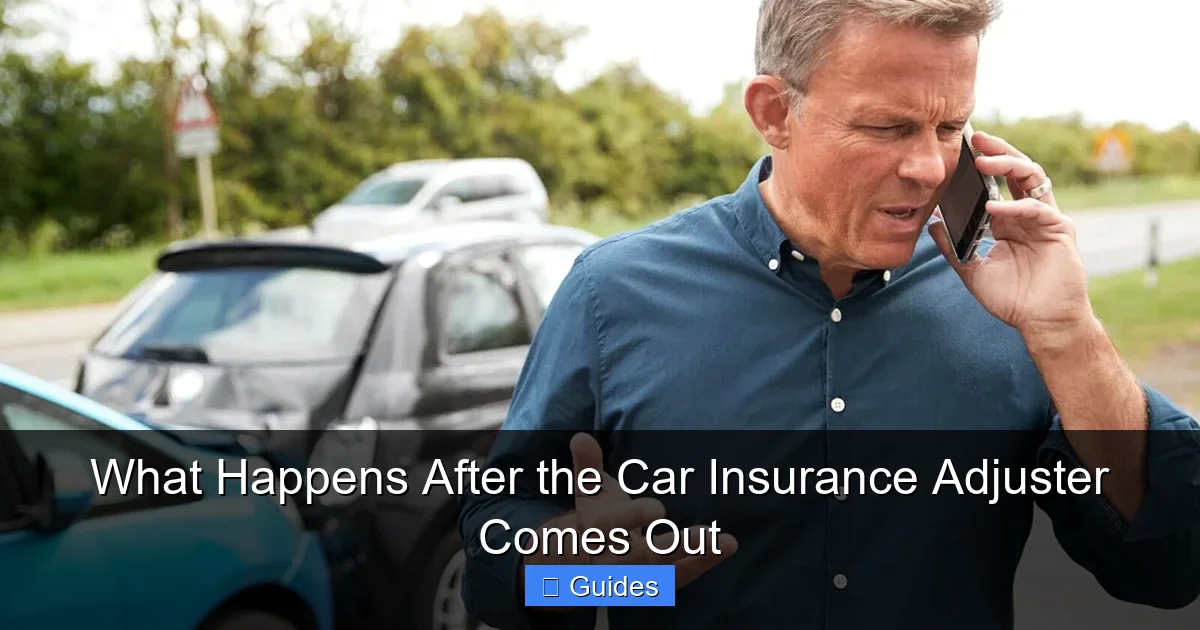
Within a few days (sometimes sooner), you’ll typically receive a written estimate or settlement offer from your insurer. This document outlines:
– The cost to repair your vehicle
– A breakdown of parts (OEM vs. aftermarket)
– Labor rates
– Any deductions for depreciation or deductibles
For minor accidents, this might come as a simple email or letter. For more complex claims, you may get a detailed estimate from a preferred repair shop or a third-party appraisal company.
Understanding the Estimate
It’s important to know that the adjuster’s estimate isn’t set in stone. Insurers often use software like CCC One or Audatex to generate these numbers, which can sometimes undervalue repairs—especially for older vehicles or unique models. For example, if your car has custom paint or aftermarket parts, the standard estimate might not account for those.
Also, some insurers will specify “like-kind and quality” parts instead of original equipment manufacturer (OEM) parts. While this is legal in most states, it can affect your car’s resale value and safety. If you prefer OEM parts, you may need to negotiate or pay the difference yourself.
What If the Estimate Seems Too Low?
Don’t panic—this is more common than you think. If the offer doesn’t cover the actual cost of repairs, you have options:
– Get a second opinion: Take the estimate to an independent body shop and ask for their assessment. Many shops will review it for free.
– Provide documentation: If you have receipts for recent repairs or upgrades, share them. This shows your car was in good condition before the accident.
– Request a re-inspection: Ask the adjuster to revisit the vehicle, especially if new damage is discovered during disassembly (which often happens once repairs begin).
In one real-world example, a driver in Texas received an initial estimate of $3,200 for front-end damage. After getting a quote from a local shop, they learned the actual cost was closer to $4,800. By submitting the independent estimate and photos of hidden frame damage, they successfully negotiated a revised settlement.
3. Negotiating the Settlement
Visual guide about What Happens After the Car Insurance Adjuster Comes Out
Image source: livewell.com
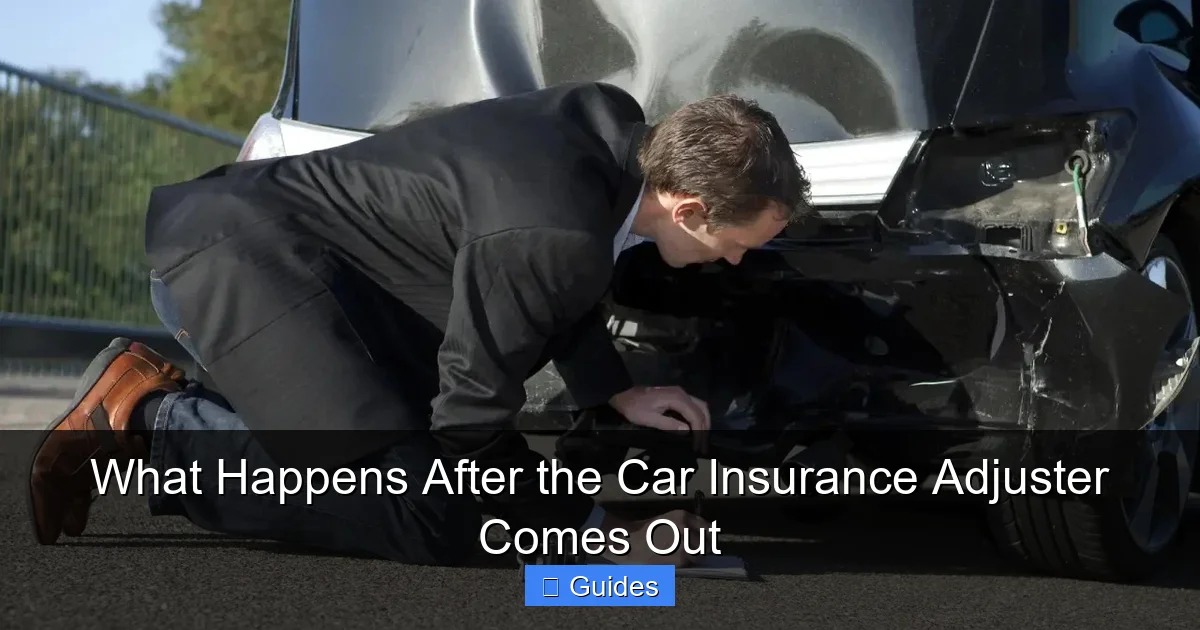
Negotiation is a normal—and often necessary—part of the claims process. Just because the insurer makes an offer doesn’t mean you have to accept it. In fact, many policyholders leave money on the table by not pushing back.
How to Negotiate Effectively
Start by reviewing the estimate line by line. Look for:
– Underestimated labor hours
– Missing components (e.g., sensors, trim pieces)
– Use of cheaper aftermarket parts when OEM is needed
Then, prepare your case. Gather:
– Photos of the damage
– Independent repair quotes
– Receipts for recent maintenance or upgrades
– Any relevant documentation (e.g., police report)
When you contact the adjuster, be polite but firm. Say something like:
“I appreciate the estimate, but based on the quote I received from [Shop Name], the labor and parts costs are significantly higher. I’d like to discuss adjusting the settlement to reflect the actual repair needs.”
Most adjusters have some flexibility, especially if you present clear evidence. If they refuse to budge, ask to speak with a supervisor or claims manager.
When to Consider Professional Help
If your claim involves significant damage, injuries, or disputes over fault, it may be worth consulting a public adjuster or attorney. Public adjusters work for you (not the insurer) and can help maximize your settlement—for a fee, usually 10–15% of the payout. Attorneys are especially helpful if the other driver is uninsured or if your insurer is acting in bad faith.
4. Approving Repairs and Choosing a Shop
Visual guide about What Happens After the Car Insurance Adjuster Comes Out
Image source: livewell.com
Once you’ve agreed on a settlement amount, you can move forward with repairs. Here’s where many people get confused: **you have the right to choose your own repair shop**, even if your insurer suggests one.
Insurance Networks vs. Independent Shops
Many insurers have “preferred” or “direct repair program” (DRP) shops. These shops have agreements with the insurer to use certain parts and labor rates, which can speed up the process. However, you’re not required to use them.
Independent shops may offer higher-quality parts, better craftsmanship, or more personalized service. The downside? They might take longer to get approval from the insurer, especially if they’re not in the network.
Getting Repairs Approved
Once you select a shop, they’ll usually contact your insurer to get authorization. The shop may need to:
– Submit photos of the damage
– Provide a detailed repair plan
– Wait for the insurer to approve specific procedures (e.g., frame straightening)
During this phase, communication is key. Stay in touch with both the shop and your adjuster to avoid delays. If the shop finds additional damage once they start working (called “supplemental damage”), they’ll need to get approval for extra costs—so don’t be surprised if the final bill is higher than the initial estimate.
What Happens If Repairs Take Too Long?
Delays are frustrating, but they’re not uncommon. Parts shortages, backlogged shops, or complex repairs can all slow things down. If your car is undriveable, ask your insurer about a rental car. Most policies include rental reimbursement, but there are usually limits—like $30–$50 per day and a maximum of 30 days.
If the delay is excessive, politely remind your adjuster that you need your vehicle back. In some cases, you may be able to switch shops or request expedited service.
5. Total Loss Claims: When Your Car Is “Totaled”
Not all claims end with repairs. If the cost to fix your car exceeds a certain percentage of its value (usually 70–80%, depending on your state), the insurer will declare it a total loss.
How Is a Total Loss Determined?
The adjuster compares the repair estimate to your car’s actual cash value (ACV). ACV is based on factors like:
– Make, model, and year
– Mileage
– Condition before the accident
– Local market prices
For example, if your 2018 Honda Accord is worth $15,000 and the repair estimate is $12,000, it may be totaled—especially if there’s frame damage or airbag deployment.
Receiving a Total Loss Settlement
If your car is totaled, the insurer will offer you a settlement equal to its ACV, minus your deductible. You’ll also need to sign over the title, and the insurer will typically sell the car for salvage.
But here’s a tip: **you can negotiate the ACV**. Use tools like Kelley Blue Book, Edmunds, or local listings to find comparable vehicles in your area. If similar cars are selling for more than the insurer’s offer, present that data and ask for a higher payout.
In one case, a driver in Florida was offered $11,200 for their totaled 2019 Toyota Camry. After researching local listings and finding several comparable models priced at $12,500–$13,000, they successfully negotiated a final settlement of $12,100.
What If You Want to Keep the Car?
In some states, you can buy back your totaled vehicle from the insurer. This is called a “retained salvage” option. You’ll pay a reduced price (usually the salvage value), but the car will have a salvage title, which can affect resale and insurance options. Only consider this if you plan to repair it yourself or use it for parts.
6. Finalizing the Claim and Moving Forward
Once repairs are complete or you’ve received your total loss payment, your claim is nearly closed. But there are a few final steps to ensure everything is wrapped up properly.
Inspecting the Repairs
Before signing off, inspect your vehicle thoroughly. Check:
– Paint match and finish
– Alignment and panel gaps
– Functionality of lights, sensors, and electronics
– Test drive to ensure smooth operation
If something doesn’t look or feel right, don’t hesitate to bring it up. Most reputable shops will fix issues at no extra cost, especially if they’re related to the original repair.
Releasing the Claim
Your insurer will ask you to sign a “release of liability” or “satisfaction of claim” form. This document confirms you’re satisfied with the settlement and won’t pursue further action. Read it carefully—once signed, you typically can’t reopen the claim.
If you’re unsure, ask for a few days to review. And if you’re still unhappy, consider consulting a lawyer before signing.
Impact on Your Insurance Premium
Finally, be aware that filing a claim—especially for an at-fault accident—can increase your premium. The exact impact depends on your insurer, driving history, and state regulations. In some cases, minor claims (under $1,000) may not affect your rate, but larger ones almost always will.
If you’re concerned about rate hikes, ask your agent about “accident forgiveness” programs or whether you can avoid filing a claim altogether by paying out of pocket.
Tips to Speed Up the Process and Avoid Stress
The claims process doesn’t have to be a headache. With a little preparation and proactive communication, you can keep things moving smoothly:
– Respond quickly: Return calls and emails from your adjuster within 24 hours.
– Stay organized: Keep a folder (digital or physical) with all claim-related documents.
– Be honest: Don’t exaggerate damage or omit details—it can lead to denial or legal issues.
– Know your policy: Understand your coverage limits, deductibles, and exclusions before you need them.
– Follow up regularly: If you haven’t heard back in a week, call to check on the status.
Remember, the adjuster is there to assess the claim—not to advocate for you. It’s your job to protect your interests and ensure you’re treated fairly.
Conclusion
So, what happens after the car insurance adjuster comes out? A lot, actually. From receiving your estimate to negotiating repairs or settling a total loss, the days and weeks that follow are full of important decisions. But with the right knowledge and a proactive approach, you can navigate this process with confidence.
The key is to stay informed, keep good records, and don’t be afraid to speak up if something doesn’t seem right. Whether you’re fixing a scratched bumper or replacing an engine, understanding your rights and the typical timeline helps you get back on the road—and back to normal—as quickly and fairly as possible.
And remember: the adjuster’s visit is just the start. What you do next can make all the difference in the outcome of your claim.
Frequently Asked Questions
How long does it take to get a settlement after the adjuster visits?
Most simple claims are settled within 5–10 business days after the inspection. Complex cases, disputes, or total loss evaluations may take 2–4 weeks or longer, depending on documentation and negotiations.
Can I choose my own repair shop after the adjuster comes out?
Yes, you have the legal right to choose any licensed repair shop, even if your insurer recommends one. Using an independent shop won’t affect your coverage, but may require additional approval steps.
What if the adjuster misses damage during the inspection?
You can request a re-inspection if new damage is discovered—especially during repairs. Provide photos and documentation, and ask the shop to note any supplemental damage in writing.
Will my insurance go up if I file a claim after the adjuster visit?
It depends. At-fault accidents typically increase premiums, while not-at-fault claims may not. Check your policy and ask your agent about accident forgiveness or claim-free discounts.
What happens if I disagree with the total loss value?
You can dispute the offer by providing evidence of your car’s value, such as recent maintenance records, upgrades, or comparable vehicle listings in your area. Most insurers will reconsider with strong documentation.
Do I need to pay my deductible before repairs begin?
Usually, the deductible is subtracted from the settlement payout. You may pay it directly to the repair shop or have it withheld from your check. Clarify this with your insurer and shop before work starts.

At CarLegit, we believe information should be clear, factual, and genuinely helpful. That’s why every guide, review, and update on our website is created with care, research, and a strong focus on user experience.