
Crashing a leased car can be stressful, but understanding your lease agreement and insurance coverage helps you navigate the aftermath. You’re still responsible for the vehicle’s value, repairs, or replacement—even if it’s not technically “yours.”
In This Article
- 1 Key Takeaways
- 2 📑 Table of Contents
- 3 What Happens If You Crash a Leased Car? A Complete Guide
- 4 Understanding Your Lease Agreement and Liability
- 5 Insurance Coverage: Your First Line of Defense
- 6 Steps to Take Immediately After a Crash
- 7 Repairing a Damaged Leased Car
- 8 Financial Implications and End-of-Lease Considerations
- 9 How to Protect Yourself When Leasing a Car
- 10 Conclusion
- 11 Frequently Asked Questions
- 11.1 Do I have to pay for repairs if I crash a leased car?
- 11.2 What happens if my leased car is totaled in an accident?
- 11.3 Can I go to any repair shop after a leased car accident?
- 11.4 Will a car accident affect my ability to lease another car?
- 11.5 Is gap insurance required on a leased car?
- 11.6 What should I do immediately after crashing a leased car?
Key Takeaways
- You’re financially responsible for the leased car: Even though you don’t own it, you’re liable for damages, repairs, or total loss under the lease agreement.
- Insurance is mandatory and critical: Most leases require comprehensive and collision coverage to protect the vehicle’s value.
- Gap insurance covers the difference: If the car is totaled, gap insurance pays the difference between the insurance payout and the remaining lease balance.
- Repairs must meet lease standards: Any damage must be repaired to the leasing company’s satisfaction before returning the vehicle.
- Accidents affect your driving record and future leasing: A crash can impact your insurance rates and ability to lease again.
- Document everything immediately: Photos, police reports, and witness info help support your insurance claim and protect your interests.
- Contact your leasing company ASAP: Most require prompt notification of any accident, regardless of fault.
📑 Table of Contents
- What Happens If You Crash a Leased Car? A Complete Guide
- Understanding Your Lease Agreement and Liability
- Insurance Coverage: Your First Line of Defense
- Steps to Take Immediately After a Crash
- Repairing a Damaged Leased Car
- Financial Implications and End-of-Lease Considerations
- How to Protect Yourself When Leasing a Car
- Conclusion
What Happens If You Crash a Leased Car? A Complete Guide
So, you’ve just been in a car accident—and it’s a leased vehicle. Your heart sinks. Not only are you dealing with the shock of the crash, but now you’re wondering: *What does this mean for my lease? Am I on the hook for thousands? Will I lose my security deposit?*
It’s a common fear, and for good reason. Leasing a car comes with a unique set of responsibilities. Unlike owning a car outright, you’re essentially renting it from a leasing company for a set period—usually two to four years. That means the vehicle still belongs to the finance company, and you’re contractually obligated to return it in good condition at the end of the lease. So when an accident happens, the stakes feel higher.
But don’t panic. While crashing a leased car is serious, it’s not the end of the world—especially if you’re prepared. The key is understanding your lease agreement, your insurance coverage, and the steps you need to take immediately after the accident. In this guide, we’ll walk you through exactly what happens if you crash a leased car, from the moment the collision occurs to the final resolution. Whether it’s a minor fender bender or a total loss, knowing your rights and responsibilities will help you handle the situation with confidence.
Understanding Your Lease Agreement and Liability
Visual guide about What Happens If You Crash a Leased Car
Image source: ohiotiger.com
When you sign a car lease, you’re entering into a legal contract with a leasing company—often a bank or finance arm of an automaker like Toyota Financial Services or GM Financial. This agreement outlines your responsibilities, including how you must maintain the vehicle and what happens if it’s damaged.
One of the most important things to know is that **you are financially responsible for the car**, even though you don’t own it. The leasing company owns the vehicle, but you’re the one using it and, therefore, liable for any damage that occurs during your lease term. This includes accidents, regardless of who is at fault.
What the Lease Says About Damage
Most lease agreements include a clause that requires you to return the vehicle in “good condition,” allowing only for “normal wear and tear.” This means dents, scratches, or mechanical issues caused by an accident are not considered normal wear—they’re your responsibility to fix.
For example, if you back into a pole and crack the bumper, you can’t just return the car like that at the end of the lease. The leasing company will charge you for the repair or deduct the cost from your security deposit. In some cases, they may even require you to fix it before returning the vehicle.
Who Pays: You or the Other Driver?
If the other driver is at fault, their insurance should cover the damages. But here’s the catch: you still need to work with your own insurance company to get the car repaired quickly. Most people don’t want to wait weeks for the at-fault party’s insurer to respond.
Once your insurer pays for the repairs (minus your deductible), they’ll pursue reimbursement from the other driver’s insurance company through a process called subrogation. This protects you from out-of-pocket costs—but only if the other party is clearly at fault and has adequate coverage.
If you’re at fault, your collision coverage will step in (assuming you have it). But again, you’re still responsible for the deductible and any costs that exceed your policy limits.
Insurance Coverage: Your First Line of Defense
Visual guide about What Happens If You Crash a Leased Car
Image source: cars311.com
Insurance isn’t just a good idea when you lease a car—it’s usually required. Most leasing companies mandate that you carry both **comprehensive** and **collision** coverage, in addition to liability insurance. This is because they want to protect their asset (the car) from damage, theft, or total loss.
Why Comprehensive and Collision Are Required
– **Collision coverage** pays for damage to your car from an accident with another vehicle or object, regardless of fault.
– **Comprehensive coverage** handles non-collision events like theft, vandalism, fire, or weather damage.
Without these, the leasing company can charge you for any damage that occurs—even if it’s not your fault. For example, if a tree falls on your leased car during a storm, comprehensive coverage will pay for repairs. Without it, you’d foot the bill.
The Role of Gap Insurance
This is where **gap insurance** becomes a lifesaver. Let’s say your leased car is totaled in an accident. Your auto insurance will pay the **actual cash value (ACV)** of the car at the time of the crash—what it’s worth, not what you owe on the lease.
But here’s the problem: cars depreciate fast. You might owe $25,000 on your lease, but the insurance payout is only $20,000. That’s a $5,000 gap—and without gap insurance, you’d have to pay that out of pocket.
Gap insurance covers that difference. It’s often included in the lease agreement or offered as an add-on when you sign. If you didn’t get it upfront, you can usually purchase it separately—but only before an accident occurs.
> **Pro Tip:** Always confirm whether gap insurance is included in your lease. If not, consider buying it. It typically costs $500–$800 over the life of the lease but can save you thousands.
Steps to Take Immediately After a Crash
Visual guide about What Happens If You Crash a Leased Car
Image source: 716help.com
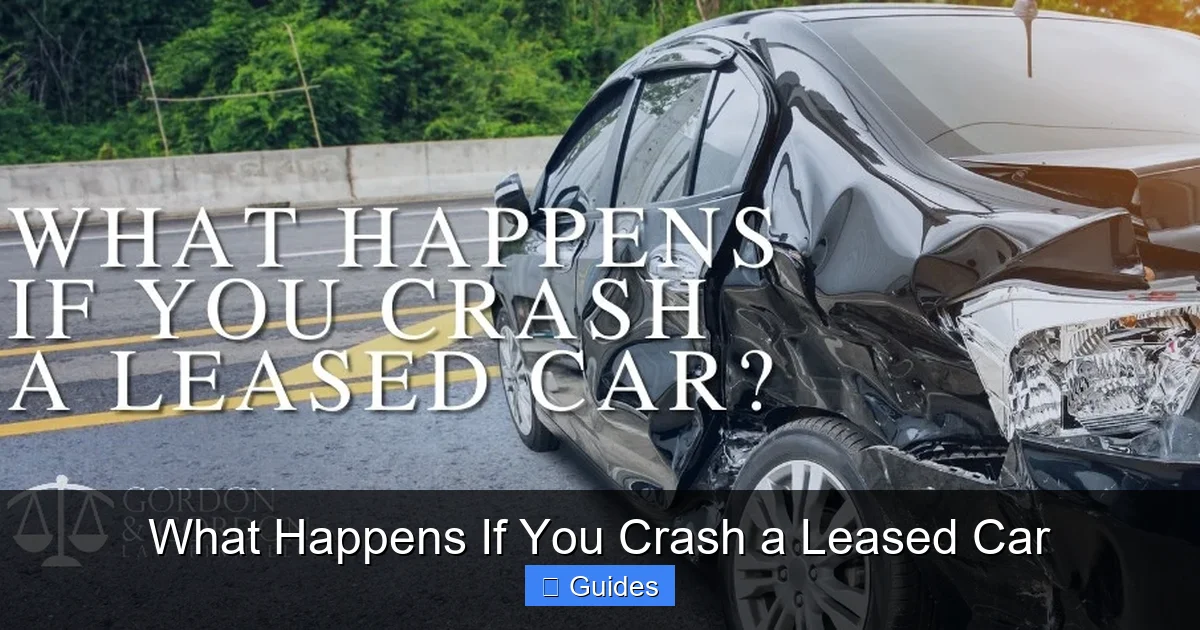
The moments after an accident are critical—not just for your safety, but for protecting your financial interests. Here’s what to do right away:
1. Ensure Safety First
Check yourself and others for injuries. If anyone is hurt, call 911 immediately. Even if it seems minor, get medical attention. Some injuries, like whiplash, don’t show symptoms right away.
2. Call the Police
Always report the accident to the police, especially if there’s significant damage or injuries. A police report creates an official record of what happened, which is invaluable for insurance claims and lease disputes.
3. Document the Scene
Use your phone to take photos of:
– The damage to all vehicles involved
– The license plates
– The surrounding area (traffic signs, skid marks, weather conditions)
– Any injuries
Also, get contact information from the other driver(s), witnesses, and police officers. Note the time, date, and location.
4. Notify Your Insurance Company
Call your insurer as soon as possible—most require prompt reporting. Provide all the details and submit your claim. They’ll assign an adjuster to assess the damage.
5. Contact Your Leasing Company
This step is often overlooked but crucial. Most lease agreements require you to notify the leasing company of any accident within a certain timeframe—usually 24 to 48 hours. Failure to do so could result in penalties or breach of contract.
When you call, ask:
– What documentation they need
– Whether they have a preferred repair shop
– If they require an independent inspection
Some leasing companies work directly with certified repair centers to ensure quality and compliance with lease terms.
Repairing a Damaged Leased Car
Once the insurance claim is processed, it’s time to get the car fixed. But with a leased vehicle, repairs aren’t just about making it drivable—they’re about restoring it to lease-compliant condition.
Choosing a Repair Shop
You have the right to choose where your car is repaired, but your leasing company may have recommendations or requirements. Some prefer OEM (original equipment manufacturer) parts over aftermarket ones, as they maintain the vehicle’s value and performance.
If you use a shop not approved by the leasing company, they may reject the repairs later—especially if the work doesn’t meet their standards.
> **Example:** Sarah leased a BMW and rear-ended another car. She took it to a local body shop that used aftermarket parts. When she returned the car at the end of the lease, BMW Financial flagged the bumper as “non-OEM” and charged her $1,200 for the difference in value.
Getting a Rental Car
If your car is in the shop for more than a day, check your insurance policy for rental reimbursement. Many comprehensive and collision policies include this coverage—typically $30–$50 per day for up to 30 days.
If you don’t have rental coverage, you’ll have to pay out of pocket. But remember: you still need transportation, so this is a necessary expense.
What If the Car Is a Total Loss?
If the damage exceeds a certain percentage of the car’s value (usually 70–80%), the insurance company will declare it a **total loss**. At that point, they’ll pay the leasing company the actual cash value of the vehicle.
Here’s how it works:
1. The insurer pays the leasing company the ACV.
2. Gap insurance covers the difference between the ACV and your remaining lease balance.
3. You’re released from further lease obligations—no need to keep making payments.
But be aware: if you have a low deductible and the payout is close to your lease balance, you might still owe a small amount. And if you didn’t have gap insurance, you could be on the hook for thousands.
Financial Implications and End-of-Lease Considerations
Even after repairs or a total loss, the financial impact of crashing a leased car can linger—especially as you approach the end of your lease term.
Excess Wear and Tear Charges
At the end of your lease, the car will be inspected for damage beyond “normal wear and tear.” If the leasing company finds unrepaired accident damage, they’ll charge you for it.
For example, a deep scratch on the door from a parking lot scrape might cost $200 to fix. But if you never repaired it, they’ll bill you at lease-end—plus a processing fee.
> **Tip:** Always fix minor damage during the lease. It’s cheaper than paying end-of-lease fees.
Impact on Your Credit and Future Leasing
If you fail to pay for repairs or violate your lease terms, the leasing company can report it to credit bureaus. This could hurt your credit score and make it harder to lease or finance a car in the future.
Also, leasing companies often check your driving record and insurance history before approving a new lease. A recent accident—especially if it was your fault—could lead to higher insurance premiums or denial of the lease.
Can You Still Buy the Car?
Some people choose to buy their leased car at the end of the term. If the vehicle was in an accident, this decision requires extra caution.
Ask for a full vehicle history report (like Carfax) and have a trusted mechanic inspect it. Even if it was repaired properly, there could be hidden issues affecting long-term reliability.
If the car was totaled and replaced, you won’t have the option to buy it—since it’s no longer in your possession.
How to Protect Yourself When Leasing a Car
The best way to handle a leased car accident is to prevent financial surprises before they happen. Here’s how:
1. Read Your Lease Agreement Thoroughly
Don’t just sign and forget. Understand your responsibilities regarding maintenance, damage, insurance, and end-of-lease conditions.
2. Maintain Proper Insurance Coverage
Always carry comprehensive, collision, and gap insurance. Review your policy limits annually to ensure they’re adequate.
3. Consider Lease Protection Add-Ons
Some leasing companies offer optional protection plans that cover excess wear and tear, tire damage, or even early termination. These can provide peace of mind—but weigh the cost against potential benefits.
4. Keep Detailed Records
Save receipts for all maintenance, repairs, and inspections. This documentation can help prove the car was well cared for—and protect you from unfair charges at lease-end.
5. Drive Defensively
The best way to avoid an accident is to drive safely. Avoid distractions, follow traffic laws, and maintain a safe following distance.
Conclusion
Crashing a leased car is undoubtedly stressful, but it doesn’t have to be a financial disaster. By understanding your lease agreement, maintaining proper insurance, and acting quickly after an accident, you can navigate the situation with confidence.
Remember: you’re responsible for the vehicle’s condition, but you’re not alone. Your insurance company, leasing company, and repair professionals are there to help. The key is to stay informed, document everything, and make smart decisions from the moment the crash occurs.
With the right preparation, you can protect your finances, preserve your credit, and walk away from the accident ready to move forward—whether that means repairing your current lease or moving on to your next vehicle.
Frequently Asked Questions
Do I have to pay for repairs if I crash a leased car?
Yes, you are responsible for repairing any damage to a leased car, whether you’re at fault or not. Your insurance may cover the cost, but you’ll still pay your deductible and any amounts over your policy limits.
What happens if my leased car is totaled in an accident?
If your leased car is totaled, your insurance will pay the actual cash value to the leasing company. Gap insurance covers the difference between that amount and your remaining lease balance, releasing you from further payments.
Can I go to any repair shop after a leased car accident?
You can choose your repair shop, but your leasing company may require OEM parts or have preferred vendors. Using non-approved shops could lead to rejected repairs or end-of-lease charges.
Will a car accident affect my ability to lease another car?
Yes, a recent accident—especially if it was your fault—can increase your insurance premiums and make leasing companies hesitant to approve you. A clean driving record helps secure better lease terms.
Is gap insurance required on a leased car?
Gap insurance is not always required, but it’s highly recommended. Many leases include it automatically, but if not, you should consider purchasing it to avoid paying out of pocket if the car is totaled.
What should I do immediately after crashing a leased car?
Ensure safety, call the police, document the scene, notify your insurance company, and contact your leasing company as soon as possible. Prompt action protects your rights and lease obligations.

At CarLegit, we believe information should be clear, factual, and genuinely helpful. That’s why every guide, review, and update on our website is created with care, research, and a strong focus on user experience.