
A car lease is a long-term rental agreement that lets you use a new vehicle for a set period—usually 24 to 36 months—while paying only for its depreciation during that time. Unlike buying, you don’t own the car at the end, but you often enjoy lower monthly payments and drive a newer model with warranty coverage.
In This Article
- 1 Key Takeaways
- 2 📑 Table of Contents
- 3 What Is a Car Lease?
- 4 How Does a Car Lease Work?
- 5 Car Lease vs. Buying: Which Is Better?
- 6 Pros and Cons of Leasing a Car
- 7 How to Get the Best Car Lease Deal
- 8 End-of-Lease Options: What Happens When Your Lease Ends?
- 9 Common Misconceptions About Car Leasing
- 10 Frequently Asked Questions
Key Takeaways
- Car leasing is like renting a vehicle: You pay to use the car for a fixed term, typically 2–4 years, without owning it outright.
- Lower monthly payments than buying: Since you’re only paying for the car’s depreciation during the lease term, monthly costs are often significantly lower than loan payments.
- Mileage and wear restrictions apply: Most leases limit how many miles you can drive and charge fees for excessive wear or damage.
- No equity buildup: Unlike buying, you don’t build ownership value—you return the car at the end of the lease.
- Early termination can be costly: Ending a lease early usually results in penalties, so it’s important to commit to the full term.
- Ideal for those who want newer cars frequently: Leasing allows you to upgrade to a new vehicle every few years with minimal hassle.
- Gap insurance is often included: Many leases come with gap coverage, protecting you if the car is totaled and the insurance payout falls short.
📑 Table of Contents
What Is a Car Lease?
So, you’re thinking about getting a new car—but you’re not sure whether to buy or lease. You’ve probably heard the term “car lease” thrown around, maybe at a dealership or in a commercial, but what does it actually mean?
Simply put, a car lease is a type of long-term rental agreement. Instead of purchasing the vehicle outright, you’re essentially borrowing it from the leasing company (often the car manufacturer’s finance arm) for a set period—usually 24, 36, or 48 months. During this time, you make monthly payments to use the car, and at the end of the lease, you return it to the dealer. You don’t own the car, but you get to drive a brand-new vehicle with the latest features, often with lower monthly payments than if you had financed a purchase.
Think of it like renting an apartment. You pay rent each month to live there, but you don’t own the place. When your lease is up, you move out—unless you decide to renew or buy. The same logic applies to leasing a car. It’s a popular option for people who want to drive a new vehicle every few years without the long-term commitment of ownership.
But leasing isn’t for everyone. It comes with rules, restrictions, and trade-offs. For example, you’re limited in how many miles you can drive each year, and you’ll be charged extra if you go over. You also can’t make major modifications to the car, and you’ll need to keep it in good condition. Still, for many drivers—especially those who value lower payments, warranty coverage, and the thrill of driving a new car every couple of years—leasing can be a smart financial move.
How Does a Car Lease Work?
Visual guide about What Is a Car Lease
Image source: financialservicesonline.com.au
Now that you know the basics, let’s break down how a car lease actually works—step by step.
When you lease a car, you’re entering into a contract with a leasing company. This company buys the vehicle from the dealership and then “leases” it to you. You agree to make monthly payments for a set number of months, and in return, you get to drive the car as if it were your own—within the terms of the lease.
Here’s how the process typically unfolds:
First, you choose the car you want to lease. This could be a brand-new sedan, SUV, or even a luxury vehicle. Once you’ve picked your model, you’ll negotiate the capitalized cost—this is essentially the price of the car, similar to the sticker price when buying. The lower the capitalized cost, the lower your monthly payments will be.
Next, the leasing company determines the car’s residual value—the estimated worth of the vehicle at the end of the lease. For example, if you lease a $30,000 car for 36 months and the residual value is set at 60%, the car is expected to be worth $18,000 at the end of the lease. The difference between the capitalized cost and the residual value—$12,000 in this case—is what you’re paying for during your lease term. This amount, plus interest (called the money factor), fees, and taxes, makes up your monthly payment.
You’ll also agree on a mileage limit—commonly 10,000, 12,000, or 15,000 miles per year. If you exceed this limit, you’ll be charged a per-mile fee, usually between 10 and 25 cents. Additionally, you’ll need to maintain the car according to the manufacturer’s recommendations and return it in good condition. Excessive wear and tear can result in additional charges.
At the end of the lease, you have a few options: return the car and walk away, lease a new vehicle, or in some cases, purchase the car at its residual value.
Key Components of a Car Lease
To truly understand how leasing works, it helps to know the key terms and components involved:
- Capitalized Cost: This is the negotiated price of the vehicle. It’s similar to the purchase price when buying, but you can often negotiate it down just like with a car loan.
- Residual Value: The estimated value of the car at the end of the lease. Higher residual values mean lower monthly payments because the car is expected to depreciate less.
- Money Factor: This is the interest rate on your lease, expressed as a decimal (e.g., 0.00250). To convert it to an approximate APR, multiply by 2,400. So 0.00250 × 2,400 = 6% APR.
- Lease Term: The length of the lease, typically 24, 36, or 48 months. Shorter terms mean higher monthly payments but less risk of mechanical issues.
- Mileage Allowance: The number of miles you’re allowed to drive each year. Going over incurs extra fees.
- Down Payment (Cap Cost Reduction): Some leases require an upfront payment to lower monthly costs. However, this increases your risk if the car is totaled early.
- Disposition Fee: A charge (often $300–$500) you may pay when returning the car at the end of the lease.
Understanding these components helps you compare lease offers and avoid surprises down the road.
Car Lease vs. Buying: Which Is Better?
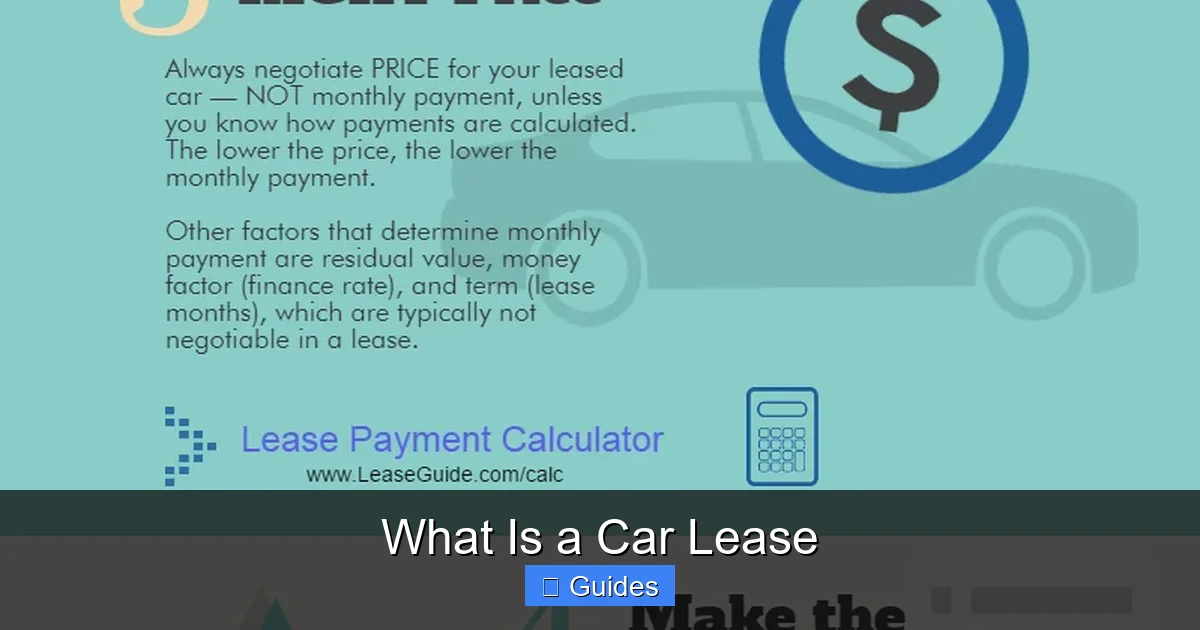
Visual guide about What Is a Car Lease
Image source: leaseguide.com
One of the most common questions people ask is: Should I lease or buy a car?
The answer depends on your lifestyle, driving habits, and financial goals. Let’s compare the two options side by side.
When you buy a car—either with cash or a loan—you own it once the loan is paid off. You can drive as many miles as you want, customize it, and keep it for as long as it runs. Over time, you build equity in the vehicle, and after the loan period, you have no more monthly payments (except for insurance, maintenance, and fuel).
Leasing, on the other hand, gives you temporary use of a car. You never own it, and you’ll always have a monthly payment as long as you keep leasing. But those payments are often lower than loan payments because you’re only covering depreciation, not the full value of the car.
Let’s look at an example. Say you’re choosing between a $35,000 SUV. If you buy it with a 60-month loan at 5% interest, your monthly payment might be around $660. If you lease the same SUV for 36 months with a $3,000 down payment, your monthly payment could be closer to $400. That’s a $260 difference—significant for many budgets.
But here’s the catch: after 36 months, the lease ends. You return the car and either lease a new one or walk away. With the purchase, you still have 24 more months of payments, but after that, the car is yours. If you keep it for another five years, those savings add up.
Another factor is maintenance. Leased cars are typically under warranty for the entire lease term, so repairs are usually covered. When you buy, warranty coverage may expire, and you’ll pay out of pocket for major repairs.
Also consider your driving habits. If you drive 20,000 miles a year, leasing might not make sense—you’ll constantly be over the mileage limit and paying extra fees. But if you drive 10,000 miles or less and like having a new car every few years, leasing could be ideal.
When Leasing Makes Sense
Leasing is a great choice if:
- You want lower monthly payments and can afford to always have a car payment.
- You prefer driving a new car every 2–4 years with the latest safety and tech features.
- You don’t drive a lot of miles annually.
- You want to avoid the hassle of selling a used car.
- You’re leasing a luxury or high-end vehicle that would be expensive to buy.
When Buying Is Better
Buying makes more sense if:
- You plan to keep the car for many years after the loan is paid off.
- You drive a lot of miles or want to customize your vehicle.
- You want to build equity and eventually own a paid-off car.
- You’re on a tight budget and want to eliminate car payments in the future.
- You’re concerned about long-term reliability and prefer to control maintenance.
Ultimately, the decision comes down to your personal preferences and financial situation. There’s no one-size-fits-all answer—just what works best for you.
Pros and Cons of Leasing a Car
Visual guide about What Is a Car Lease
Image source: signaturely.com
Like any financial decision, leasing a car has its advantages and disadvantages. Let’s take a balanced look at both sides.
Advantages of Leasing
Lower Monthly Payments: Since you’re only paying for the car’s depreciation during the lease term, monthly payments are typically much lower than loan payments for the same vehicle. This frees up cash for other expenses or savings.
Drive a New Car More Often: Leasing allows you to upgrade to a new vehicle every few years. You’ll always have the latest technology, safety features, and styling—without the hassle of selling your old car.
Warranty Coverage: Most leased cars are under the manufacturer’s warranty for the entire lease term. That means repairs due to defects or normal wear are usually covered, reducing out-of-pocket costs.
No Resale Hassle: When the lease ends, you simply return the car to the dealer. You don’t have to worry about selling it, negotiating with buyers, or dealing with depreciation.
Tax Benefits for Business Use: If you use the leased vehicle for business, you may be able to deduct a portion of the lease payments as a business expense—something that’s more complicated with a purchased vehicle.
Disadvantages of Leasing
No Ownership: You never own the car. At the end of the lease, you have nothing to show for your payments except the time you spent driving it.
Mileage Restrictions: Most leases limit you to 10,000–15,000 miles per year. Exceeding this limit results in per-mile charges that can add up quickly.
Wear and Tear Fees: You’re responsible for returning the car in good condition. Dents, scratches, or interior damage beyond “normal wear” can result in additional fees.
Early Termination Costs: Ending a lease early is expensive. You’ll likely have to pay a large penalty, equivalent to several months of payments.
Long-Term Cost: While monthly payments are lower, you’ll always have a car payment if you keep leasing. Over time, this can cost more than buying and keeping a car for 10+ years.
Customization Limits: You can’t make major modifications to a leased car. No aftermarket wheels, performance upgrades, or paint jobs—unless you’re willing to reverse them before returning the vehicle.
How to Get the Best Car Lease Deal
If you’ve decided leasing is right for you, the next step is getting the best possible deal. Here are some practical tips to help you save money and avoid common pitfalls.
Negotiate the Capitalized Cost
Just like when buying a car, you should negotiate the price of the vehicle. The lower the capitalized cost, the lower your monthly payments will be. Research the invoice price (what the dealer paid) and aim to lease at or below that number. Use online tools like Edmunds, Kelley Blue Book, or TrueCar to compare prices in your area.
Watch the Money Factor
The money factor is the lease equivalent of an interest rate. A lower money factor means lower financing costs. Ask the dealer to disclose the money factor and compare it to current auto loan rates. If it seems high, you may be able to negotiate it down—especially if you have good credit.
Choose the Right Lease Term and Mileage
Shorter lease terms (24 or 36 months) often have higher monthly payments but lower risk of mechanical issues. Longer terms may have lower payments but increase the chance of out-of-warranty repairs. Also, choose a mileage allowance that matches your driving habits. If you only drive 8,000 miles a year, don’t pay for a 15,000-mile lease.
Avoid Large Down Payments
Some dealers encourage large down payments (called a “cap cost reduction”) to lower monthly payments. But this is risky—if the car is totaled or stolen early in the lease, you may not get that money back. Instead, consider rolling any fees into the lease or making a small down payment.
Check for Lease Specials and Incentives
Manufacturers often offer lease promotions—such as reduced money factors, waived fees, or cash incentives—to move certain models. These can significantly reduce your monthly payment. Check the automaker’s website or ask the dealer about current offers.
Read the Fine Print
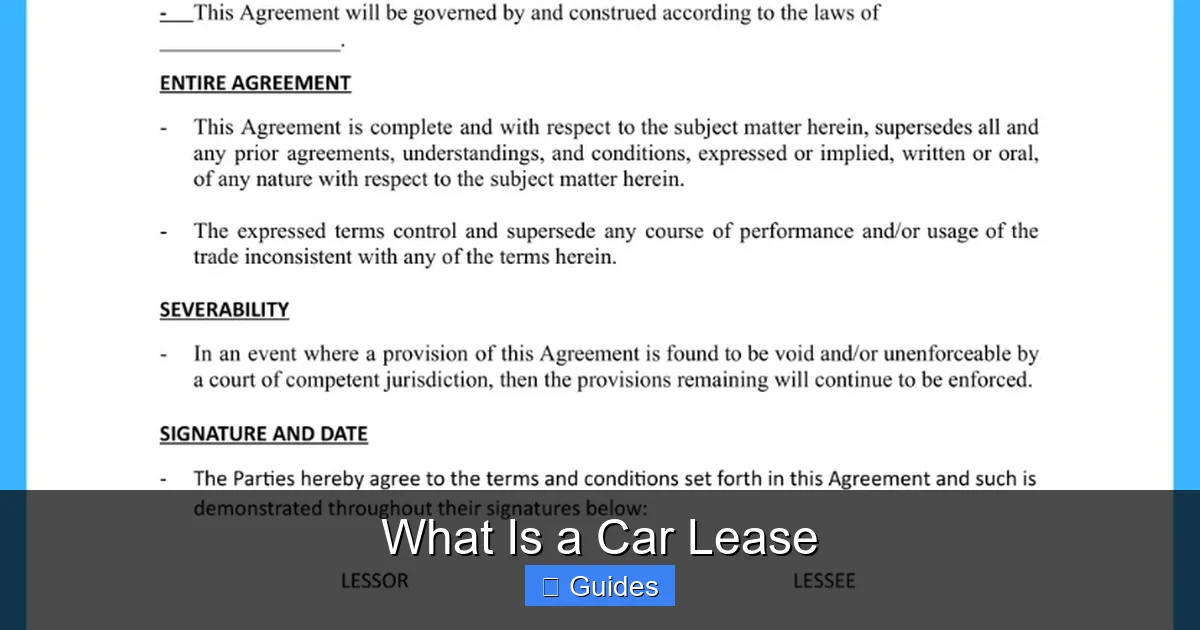
Before signing, review the lease agreement carefully. Look for hidden fees, early termination penalties, and wear-and-tear guidelines. Make sure you understand all terms, including what happens at the end of the lease.
Consider a Lease Buyout
At the end of the lease, you may have the option to buy the car at its residual value. This can be a good deal if the car has held its value well and you want to keep it. Compare the buyout price to the car’s market value to see if it’s worth it.
End-of-Lease Options: What Happens When Your Lease Ends?
After 24, 36, or 48 months, your lease term comes to an end. Now what?
You have three main options:
Return the Car
This is the most common choice. You bring the car back to the dealership, have it inspected for excess wear and mileage, and walk away. You may be charged a disposition fee (typically $300–$500) and any excess mileage or damage fees. But if you’ve stayed within the limits, you can simply lease a new car or go car-free.
Lease a New Vehicle
Many people choose to lease a new car right away. Dealers often offer incentives to lease again, such as waived acquisition fees or loyalty bonuses. This is a convenient way to keep driving a new vehicle without the hassle of ownership.
Purchase the Car
You can buy the car at its residual value—the price set at the beginning of the lease. This can be a good deal if the car has depreciated less than expected or if you’ve grown attached to it. You can pay cash, finance the purchase, or even trade it in later.
Some leases also offer a “walk-away” option, where you can return the car without purchasing it, even if you’ve exceeded mileage or have minor damage—though this usually comes at a higher cost.
Common Misconceptions About Car Leasing
Despite its popularity, car leasing is often misunderstood. Let’s clear up some common myths.
Myth 1: Leasing Is Always Cheaper Than Buying
Not necessarily. While monthly payments are lower, leasing doesn’t build equity. If you keep a car for 10 years after paying off a loan, the long-term cost is often lower than leasing multiple cars over the same period.
Myth 2: You Can’t Negotiate a Lease
You absolutely can. The capitalized cost, money factor, and even fees are negotiable. Don’t assume the first offer is the best one.
Myth 3: Leasing Is Only for Luxury Cars
Leasing is available for almost any new vehicle—from economy cars to trucks and SUVs. It’s not just for high-end brands.
Myth 4: You’re Stuck with the Car for the Full Term
While early termination is costly, it’s not impossible. Some leases allow transfer to another person, or you may be able to buy out the lease early.
Myth 5: Leasing Requires Perfect Credit
While good credit helps, many leasing companies work with buyers who have fair or even poor credit—though the terms may be less favorable.
Frequently Asked Questions
Can you lease a used car?
Typically, no—leases are almost always for new vehicles. However, some certified pre-owned programs or dealerships may offer lease-like financing options on used cars, but these are not true leases.
What happens if I go over my mileage limit?
You’ll be charged a per-mile fee, usually between 10 and 25 cents. For example, if your limit is 12,000 miles per year and you drive 15,000, you’ll pay extra for the 3,000 overage miles.
Can I end my car lease early?
Yes, but it’s usually expensive. Early termination fees can equal several months of payments. Some leases allow transfer to another person, which can reduce costs.
Is gap insurance included in a lease?
Most leases include gap insurance automatically. This covers the difference between what you owe and the car’s value if it’s totaled or stolen.
Can I modify a leased car?
Minor modifications may be allowed, but you’ll need to reverse them before returning the car. Major changes like engine upgrades or custom paint are typically prohibited.
Do I pay sales tax on a leased car?
Yes, but it’s usually rolled into your monthly payments rather than paid upfront. Some states also offer tax advantages for leasing over buying.

At CarLegit, we believe information should be clear, factual, and genuinely helpful. That’s why every guide, review, and update on our website is created with care, research, and a strong focus on user experience.