
A Jeep powertrain warranty covers major components like the engine, transmission, and drivetrain for a set period or mileage, offering peace of mind for new and certified pre-owned vehicles. This warranty is designed to protect against unexpected repair costs on critical mechanical systems, but it doesn’t include wear-and-tear parts or routine maintenance.
In This Article
- 1 Key Takeaways
- 2 📑 Table of Contents
- 3 Understanding the Jeep Powertrain Warranty: What You Need to Know
- 4 What Is a Powertrain Warranty and Why Does It Matter?
- 5 Core Components Covered by the Jeep Powertrain Warranty
- 6 Warranty Duration and Mileage Limits
- 7 What’s NOT Covered: Understanding the Exclusions
- 8 How to Maximize Your Jeep Powertrain Warranty
- 9 Filing a Warranty Claim: What to Expect
- 10 Conclusion: Peace of Mind for the Long Haul
- 11 Frequently Asked Questions
- 11.1 Does the Jeep powertrain warranty cover the transmission?
- 11.2 How long does the Jeep powertrain warranty last?
- 11.3 Are tires covered under the powertrain warranty?
- 11.4 Can I transfer my Jeep powertrain warranty to a new owner?
- 11.5 What happens if I modify my Jeep?
- 11.6 Is routine maintenance covered under the powertrain warranty?
Key Takeaways
- Engine Coverage: Includes internal components like pistons, crankshafts, and cylinder heads—key to your Jeep’s performance.
- Transmission Protection: Covers both automatic and manual transmissions, including torque converters and internal gears.
- Drivetrain Components: Front and rear axles, transfer cases, and differentials are included for 4×4 capability.
- Duration and Mileage: Typically lasts 5 years or 60,000 miles, whichever comes first, on new Jeeps.
- Certified Pre-Owned (CPO) Benefits: CPO Jeeps often come with extended powertrain coverage beyond the original warranty.
- Exclusions Apply: Routine maintenance, wear items, and damage from misuse aren’t covered.
- Transferable Coverage: The warranty can often be transferred to a new owner if you sell your Jeep.
📑 Table of Contents
- Understanding the Jeep Powertrain Warranty: What You Need to Know
- What Is a Powertrain Warranty and Why Does It Matter?
- Core Components Covered by the Jeep Powertrain Warranty
- Warranty Duration and Mileage Limits
- What’s NOT Covered: Understanding the Exclusions
- How to Maximize Your Jeep Powertrain Warranty
- Filing a Warranty Claim: What to Expect
- Conclusion: Peace of Mind for the Long Haul
Understanding the Jeep Powertrain Warranty: What You Need to Know
So, you’ve just bought a Jeep—or you’re thinking about it. Maybe it’s a rugged Wrangler ready for off-road adventures, a capable Grand Cherokee for family road trips, or a stylish Gladiator for weekend getaways. Whatever the model, one thing’s for sure: you want to know your investment is protected. That’s where the Jeep powertrain warranty comes in.
The powertrain warranty is one of the most important parts of your vehicle’s coverage. It’s not the same as a bumper-to-bumper warranty, which covers almost everything for a shorter time. Instead, the powertrain warranty focuses on the core mechanical systems that make your Jeep move. Think of it as the heart and soul of your vehicle’s performance. If something goes wrong with these critical components, the warranty steps in to help cover the repair costs—usually at no charge to you.
But here’s the catch: not everything under the hood is covered. The powertrain warranty is specific. It doesn’t include things like brakes, air conditioning, or electrical systems. It’s all about the engine, transmission, and drivetrain. Understanding exactly what’s included—and what’s not—can save you time, money, and headaches down the road.
What Is a Powertrain Warranty and Why Does It Matter?
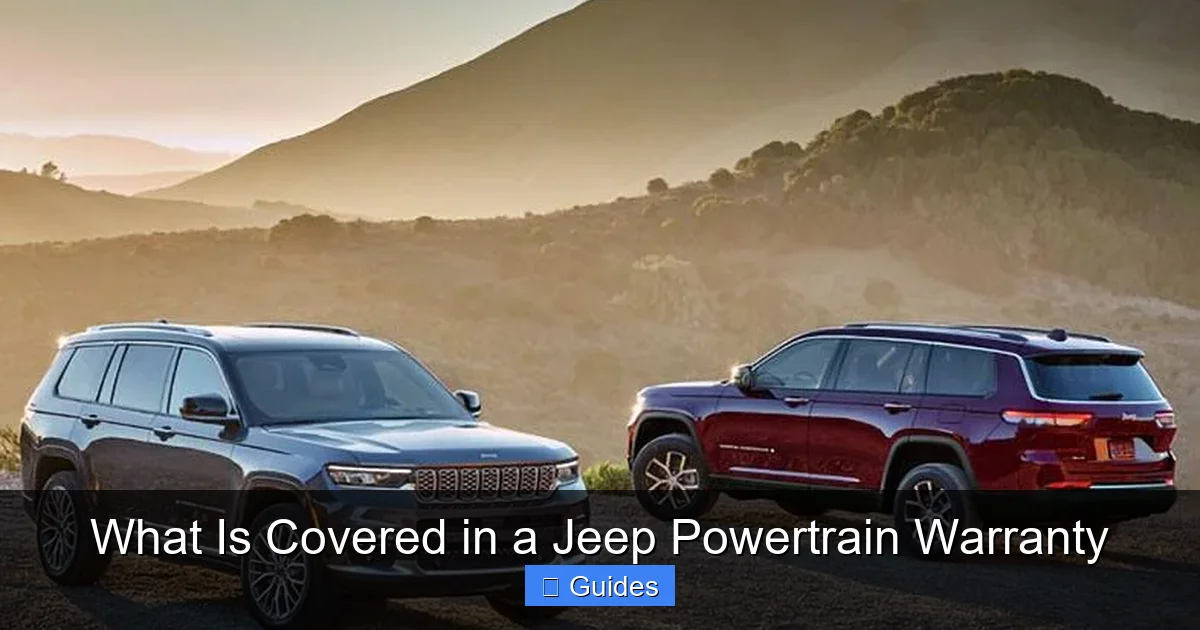
Visual guide about What Is Covered in a Jeep Powertrain Warranty
Image source: jeep.com
Let’s break it down in simple terms. A powertrain warranty is a manufacturer-backed guarantee that covers the major components responsible for generating and delivering power to your wheels. In other words, it protects the parts that make your Jeep go.
Why does this matter? Because these components are expensive to repair or replace. A blown engine or a failed transmission can cost thousands of dollars. Without warranty coverage, that bill comes straight out of your pocket. But with a solid powertrain warranty, Jeep (or FCA US LLC, the company behind Jeep) takes on that financial risk for you—at least for a certain period.
This kind of protection is especially valuable for vehicles like Jeeps, which are often driven in tough conditions. Whether you’re crawling over rocks in Moab or towing a trailer up a mountain pass, your powertrain is under constant stress. Over time, that can lead to wear and potential failure. The warranty gives you peace of mind, knowing that if a covered component fails due to a manufacturing defect or material flaw, you’re not left stranded—or stuck with a huge repair bill.
It’s also worth noting that the powertrain warranty is often longer than the basic bumper-to-bumper coverage. While the basic warranty might last 3 years or 36,000 miles, the powertrain warranty typically extends to 5 years or 60,000 miles. That extra time can make a big difference, especially if you drive a lot or plan to keep your Jeep for several years.
Core Components Covered by the Jeep Powertrain Warranty

Visual guide about What Is Covered in a Jeep Powertrain Warranty
Image source: chrysler-factory-warranty.com
Now, let’s get into the nitty-gritty. What exactly is covered under the Jeep powertrain warranty? The answer lies in three main systems: the engine, the transmission, and the drivetrain. Each plays a vital role in getting power from your gas pedal to your wheels.
The Engine: The Heart of Your Jeep
The engine is the powerhouse of your vehicle. It converts fuel into motion, and without it, your Jeep isn’t going anywhere. Under the powertrain warranty, the engine is fully covered—but only the internal components.
This means parts like the engine block, cylinder heads, pistons, crankshaft, camshaft, valves, and timing components are all protected. If any of these fail due to a defect in materials or workmanship, Jeep will repair or replace them at no cost to you.
For example, imagine your Jeep starts making a loud knocking noise and loses power. A diagnostic reveals a cracked cylinder head—a serious issue that could cost $3,000 or more to fix. If your vehicle is still under the powertrain warranty, that repair is covered. You pay nothing.
However, it’s important to note that external engine parts—like the alternator, starter motor, or fuel pump—are not covered under the powertrain warranty. Those fall under the basic bumper-to-bumper coverage, which has a shorter duration. So while the core engine is protected, accessories and peripherals may not be.
The Transmission: Shifting Gears with Confidence
The transmission is responsible for transferring power from the engine to the wheels at the right speed and torque. Whether you drive an automatic or a manual Jeep, the transmission is a complex and critical component.
Under the powertrain warranty, both types of transmissions are covered. This includes the transmission case, internal gears, clutch assemblies (in manuals), torque converters (in automatics), and related hydraulic systems. If your transmission starts slipping, failing to shift, or leaking fluid due to a manufacturing defect, the warranty will cover the repair.
Let’s say your Grand Cherokee starts jerking when shifting from second to third gear. A trip to the dealership reveals a faulty solenoid inside the transmission. Since this is an internal component, it’s covered under the powertrain warranty. You get it fixed for free, and you’re back on the road.
But again, not everything transmission-related is covered. External parts like the transmission control module (TCM) or wiring harnesses may fall under the basic warranty or electrical system coverage. Always check your specific warranty booklet to confirm.
The Drivetrain: Power to the Wheels
The drivetrain includes all the components that deliver power from the transmission to the wheels. In a Jeep, this is especially important because many models are built for four-wheel drive (4WD) or all-wheel drive (AWD). The drivetrain ensures that power is distributed evenly, whether you’re on pavement or off the beaten path.
Covered drivetrain components include:
– Front and rear axles
– Differential assemblies
– Transfer case (in 4WD/AWD models)
– Drive shafts and CV joints
– Constant velocity (CV) axles
For instance, if your Wrangler starts making a clicking noise when turning, it could be a failing CV joint. If this happens within the warranty period and is due to a defect, Jeep will replace it at no charge.
The transfer case is another key component. It’s what allows you to switch between 2WD and 4WD modes. If it fails internally—say, a gear breaks or a seal leaks—the powertrain warranty will cover the repair.
One thing to remember: tires, wheels, and suspension components like shocks and struts are not part of the drivetrain and are not covered under this warranty. Those fall under different categories, often with separate coverage terms.
Warranty Duration and Mileage Limits
Visual guide about What Is Covered in a Jeep Powertrain Warranty
Image source: trailandsummit.com
Now that you know what’s covered, let’s talk about how long that coverage lasts. The standard powertrain warranty on a new Jeep is **5 years or 60,000 miles**, whichever comes first. This is a generous term compared to many other automakers, and it reflects Jeep’s confidence in the durability of its vehicles.
But what does “whichever comes first” mean? It means that if you hit 60,000 miles in four years, your warranty ends—even though you haven’t reached the five-year mark. Conversely, if you only drive 10,000 miles a year and don’t hit 60,000 until year six, your warranty expires at the five-year point.
This is why mileage matters. If you’re someone who drives a lot—maybe for work or long commutes—you might hit the mileage limit before the time limit. On the other hand, if you’re a weekend warrior who only takes your Jeep out for adventures, you might hit the time limit first.
It’s also important to note that the warranty starts on the date the vehicle is first delivered to the original owner. So if you buy a Jeep that’s already been driven for a year by a dealer or previous owner, the clock is already ticking.
Certified Pre-Owned (CPO) Jeep Powertrain Coverage
If you’re buying a used Jeep, you might be wondering if the powertrain warranty still applies. The good news is that many used Jeeps come with extended coverage—especially if they’re part of the Certified Pre-Owned (CPO) program.
Jeep CPO vehicles undergo a rigorous 125-point inspection and come with a **7-year/100,000-mile limited powertrain warranty** from the original in-service date. That means even if the original 5-year/60,000-mile warranty has expired, you could still have several years and tens of thousands of miles of coverage left.
For example, if you buy a 3-year-old CPO Jeep with 40,000 miles, you’d have up to 4 more years or 60,000 more miles of powertrain protection. That’s a huge advantage over buying a non-CPO used vehicle, which may have little or no warranty left.
To qualify for CPO status, the vehicle must be within seven model years and have fewer than 80,000 miles. It also must pass the inspection and meet Jeep’s standards for condition and history.
What’s NOT Covered: Understanding the Exclusions
While the powertrain warranty offers strong protection, it’s not a free pass for all repairs. There are important exclusions you need to be aware of. Knowing what’s not covered can help you avoid surprises and take better care of your Jeep.
Routine Maintenance and Wear Items
The powertrain warranty does not cover normal wear and tear or routine maintenance. This includes:
– Oil changes
– Filter replacements (oil, air, fuel)
– Spark plugs
– Belts and hoses
– Brake pads and rotors
– Tires
These are considered part of regular vehicle upkeep. Just like you wouldn’t expect a warranty to cover new shoes when your old ones wear out, you can’t expect it to cover parts that naturally degrade over time.
For example, if your serpentine belt breaks after 70,000 miles, that’s normal wear—even if it’s inconvenient. The warranty won’t cover it. But if the belt breaks at 30,000 miles due to a manufacturing defect, that might be covered under the basic warranty (not the powertrain), depending on the cause.
Damage from Misuse or Neglect
The warranty also doesn’t cover damage caused by improper use, neglect, or lack of maintenance. This includes:
– Off-roading beyond the vehicle’s capabilities
– Towing beyond the rated capacity
– Driving through deep water (hydrolocking the engine)
– Failing to change the oil regularly
– Using the wrong type of fuel or fluids
Jeep vehicles are built tough, but they’re not indestructible. If you push your Wrangler through a river that’s too deep and water gets into the engine, causing it to seize, that’s considered misuse. The warranty won’t cover the repair.
Similarly, if you skip oil changes and sludge builds up, leading to engine failure, that’s neglect. The manufacturer can deny coverage based on maintenance records.
Modifications and Aftermarket Parts
Another common exclusion is damage caused by modifications or aftermarket parts. If you install a lift kit, bigger tires, or a performance tuner, and that leads to transmission or drivetrain failure, the warranty may be voided.
For example, adding a 4-inch lift and 35-inch tires increases stress on your axles and differentials. If one of those components fails prematurely, Jeep might argue that the modification caused the damage—and deny the claim.
This doesn’t mean you can’t modify your Jeep. But if you do, be aware that it could affect your warranty coverage. Always consult your dealer or warranty provider before making major changes.
How to Maximize Your Jeep Powertrain Warranty
Now that you know what’s covered and what’s not, here’s how to get the most out of your warranty and keep your Jeep running smoothly.
Follow the Maintenance Schedule
Your owner’s manual includes a detailed maintenance schedule. Stick to it. Regular oil changes, fluid checks, and inspections help prevent problems and keep your warranty valid.
For example, if your Jeep requires an oil change every 6,000 miles, don’t wait until 10,000. Delaying maintenance can lead to engine damage, and if that happens, the warranty may not cover it.
Keep all service records. If you have your oil changed at a dealership or reputable shop, they’ll keep digital records. If you do it yourself, save receipts and logs. These can be crucial if you ever need to file a warranty claim.
Use Genuine Jeep Parts and Fluids
When servicing your Jeep, use OEM (original equipment manufacturer) parts and recommended fluids. This ensures compatibility and performance.
For instance, using the wrong type of transmission fluid can cause shifting problems or even damage the transmission. If that happens, and you used an off-brand fluid, the warranty claim might be denied.
Stick to what Jeep recommends. It’s worth the extra cost for peace of mind.
Address Issues Early
If you notice a strange noise, vibration, or warning light, don’t ignore it. Bring your Jeep to a certified dealer as soon as possible.
Early diagnosis can prevent small problems from becoming big, expensive ones. And if the issue is covered under warranty, you’ll get it fixed for free.
For example, a small transmission fluid leak might seem minor. But if left unchecked, it can lead to low fluid levels, overheating, and transmission failure. Catching it early could save you thousands.
Keep Your Warranty Information Handy
Store your warranty booklet, VIN, and purchase date in a safe place. If you need to file a claim, you’ll need this information.
Most dealers can look up your warranty status using your VIN, but having your documents ready makes the process smoother.
Also, know the difference between your powertrain warranty and other coverage. If a non-powertrain component fails, it might still be covered under the basic warranty or a separate extended plan.
Filing a Warranty Claim: What to Expect
If a covered component fails, here’s how the process typically works:
1. **Visit a Jeep Dealership:** Take your vehicle to an authorized Jeep service center. They’re trained to handle warranty claims and have access to factory tools and parts.
2. **Diagnosis and Inspection:** The technician will inspect the problem and determine if it’s covered under the powertrain warranty. They’ll check for signs of misuse, neglect, or modifications.
3. **Claim Approval:** If the issue is covered, the dealer will file a claim with Jeep. This is usually done electronically and approved quickly.
4. **Repair or Replacement:** Once approved, the dealer will repair or replace the faulty component at no cost to you.
5. **Documentation:** You’ll receive a repair order detailing what was done. Keep this for your records.
In most cases, the process is straightforward—especially if you’ve maintained your Jeep properly. But if the dealer denies the claim, you have the right to appeal. Contact Jeep customer service or review your warranty terms for next steps.
Conclusion: Peace of Mind for the Long Haul
The Jeep powertrain warranty is a valuable protection plan that covers the most critical components of your vehicle. From the engine to the transmission to the drivetrain, it ensures that major mechanical failures don’t leave you with a hefty repair bill.
With coverage lasting up to 5 years or 60,000 miles—and even longer for CPO models—it’s one of the best safeguards you can have as a Jeep owner. But like any warranty, it comes with responsibilities. Regular maintenance, proper use, and timely repairs are key to keeping your coverage valid.
Whether you’re cruising down the highway or tackling a rocky trail, knowing your powertrain is protected lets you focus on the adventure—not the what-ifs. So take care of your Jeep, follow the guidelines, and enjoy the confidence that comes with a strong warranty.
After all, a Jeep isn’t just a vehicle. It’s a lifestyle. And your warranty helps keep that lifestyle going, mile after mile.
Frequently Asked Questions
Does the Jeep powertrain warranty cover the transmission?
Yes, the transmission is fully covered under the Jeep powertrain warranty, including internal components like gears, torque converters, and clutch assemblies. This applies to both automatic and manual transmissions.
How long does the Jeep powertrain warranty last?
The standard powertrain warranty on a new Jeep lasts 5 years or 60,000 miles, whichever comes first. Certified Pre-Owned Jeeps may have extended coverage up to 7 years or 100,000 miles.
Are tires covered under the powertrain warranty?
No, tires are not covered under the powertrain warranty. They are considered wear items and are typically covered under a separate tire warranty or the basic bumper-to-bumper coverage.
Can I transfer my Jeep powertrain warranty to a new owner?
Yes, the powertrain warranty is generally transferable to a new owner if you sell your Jeep. This can increase the resale value and provide peace of mind to the buyer.
What happens if I modify my Jeep?
Modifications like lift kits, larger tires, or performance tuners may void the warranty if they cause damage to covered components. Always consult your dealer before making changes.
Is routine maintenance covered under the powertrain warranty?
No, routine maintenance such as oil changes, filter replacements, and brake service is not covered. These are considered normal wear and tear and are the owner’s responsibility.

At CarLegit, we believe information should be clear, factual, and genuinely helpful. That’s why every guide, review, and update on our website is created with care, research, and a strong focus on user experience.