
Looking for the cheapest place to tint car windows? You’re not alone—many drivers want privacy, UV protection, and a sleek look without breaking the bank. The good news is that affordable options exist, from big-box retailers to local shops and even DIY kits, but knowing where to look and what to avoid is key to getting the best value.
In This Article
- 1 Key Takeaways
- 2 📑 Table of Contents
- 3 Introduction: Why Window Tinting Matters—and Why Cost Is a Big Factor
- 4 Big-Box Retailers: The Budget-Friendly Option
- 5 Local Tint Shops: Quality Meets Affordability
- 6 DIY Tinting: The Cheapest Option (But Not Always the Best)
- 7 Online Marketplaces and Mobile Tinters: Emerging Options
- 8 Factors That Affect Tinting Prices
- 9 Tips for Getting the Best Deal on Car Window Tinting
- 10 Conclusion: Finding the Best Value, Not Just the Lowest Price
- 11 Frequently Asked Questions
Key Takeaways
- Big-box retailers like Walmart and Costco often offer the lowest prices for basic window tinting, with prices starting as low as $99 for a full car.
- Local tint shops can be surprisingly affordable and provide higher-quality film and better craftsmanship than chain stores.
- DIY tinting kits are the cheapest upfront option, but they come with a steep learning curve and risk of bubbles, peeling, or uneven application.
- Always check local tinting laws before choosing a shade—illegal tint can result in fines or forced removal.
- Cheaper isn’t always better—low-cost services may use inferior film that fades, bubbles, or loses effectiveness over time.
- Look for seasonal promotions and package deals to save 20–30% on professional tinting services.
- Ask about warranties and film quality—ceramic and carbon films last longer and perform better than dyed films, even if they cost more initially.
📑 Table of Contents
- Introduction: Why Window Tinting Matters—and Why Cost Is a Big Factor
- Big-Box Retailers: The Budget-Friendly Option
- Local Tint Shops: Quality Meets Affordability
- DIY Tinting: The Cheapest Option (But Not Always the Best)
- Online Marketplaces and Mobile Tinters: Emerging Options
- Factors That Affect Tinting Prices
- Tips for Getting the Best Deal on Car Window Tinting
- Conclusion: Finding the Best Value, Not Just the Lowest Price
Introduction: Why Window Tinting Matters—and Why Cost Is a Big Factor
If you’ve ever sat in a car on a sunny summer day, you know how quickly the interior can heat up. The dashboard feels like a frying pan, the seats are too hot to touch, and even with the AC blasting, it takes forever to cool down. Window tinting isn’t just about looking cool—it’s a practical upgrade that improves comfort, protects your car’s interior, and even boosts privacy and security.
But let’s be real: not everyone wants to spend hundreds of dollars on a luxury upgrade. Whether you’re on a tight budget, driving an older vehicle, or just looking for the best deal, the question “What is the cheapest place to tint car windows?” is a common one. And it’s a smart question to ask. After all, window tinting can range from under $100 to over $500 depending on where you go, what kind of film you choose, and how much of the car you’re tinting.
The good news? You don’t have to sacrifice quality just to save money. With a little research and smart shopping, you can find affordable tinting options that still deliver great results. In this guide, we’ll break down the cheapest places to tint your car windows, compare the pros and cons of each, and help you make an informed decision that fits your budget and your needs.
Big-Box Retailers: The Budget-Friendly Option
Visual guide about What Is the Cheapest Place to Tint Car Windows
Image source: carxplorer.com
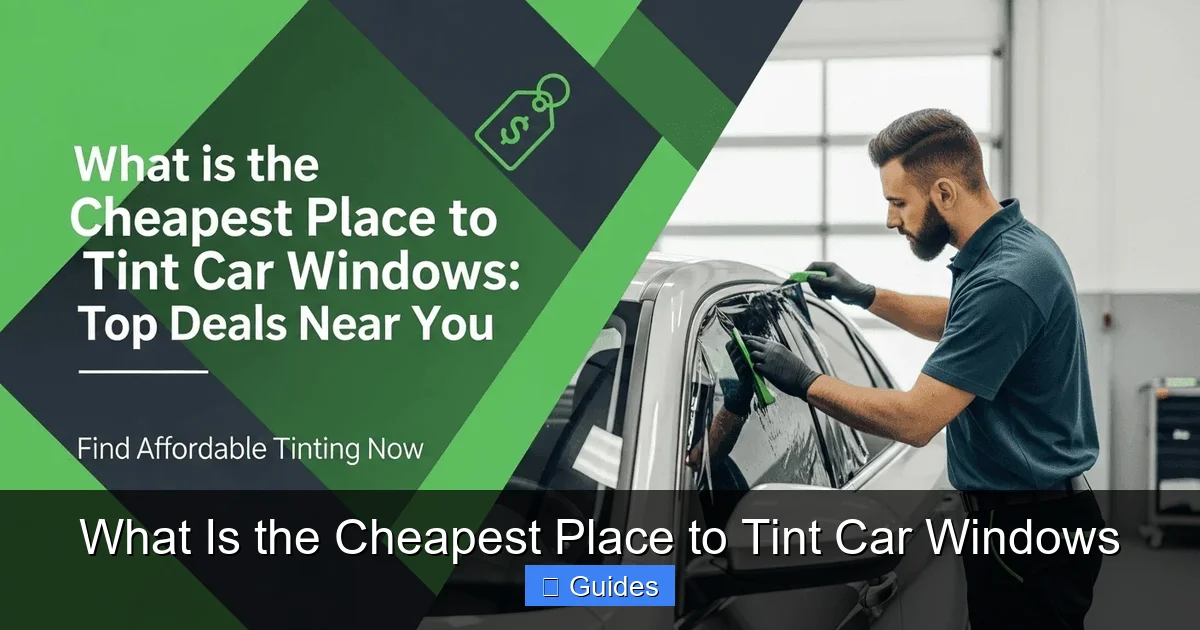
When it comes to affordability, big-box retailers like Walmart, Costco, and Sam’s Club are often the first places people think of—and for good reason. These stores frequently offer window tinting services at prices that are hard to beat, especially for basic jobs.
Walmart Auto Care Centers
Walmart is one of the most accessible options for cheap car window tinting. Their Auto Care Centers provide full-window tinting starting around $99 for a standard sedan. That price typically includes the front side windows, rear side windows, and the back windshield. Some locations may charge extra for the front windshield, which is often not tinted due to legal restrictions.
The tinting service at Walmart is usually performed by third-party contractors, not Walmart employees. This means the quality can vary by location. Some customers report excellent results—smooth application, no bubbles, and a clean finish. Others have had less positive experiences, including peeling edges or uneven shading.
One advantage of Walmart is convenience. You can drop off your car, run errands, and pick it up later the same day. Plus, if you’re already shopping for groceries or car accessories, it’s a one-stop solution.
Costco and Sam’s Club
Costco and Sam’s Club also offer window tinting through partner companies. Costco, for example, works with companies like Tint World or local certified installers in many regions. Prices are competitive, often starting around $120–$150 for a full car tint.
One major perk of using Costco is the membership-based model. Members often receive discounts or exclusive deals, and the service is typically held to a higher standard due to Costco’s reputation for quality. Sam’s Club operates similarly, offering tinting services at low prices with the added benefit of in-store convenience.
However, availability can be limited. Not all Costco or Sam’s Club locations offer tinting, and appointments may need to be booked weeks in advance. It’s also worth noting that these services are usually outsourced, so the actual installer may vary.
Pros and Cons of Big-Box Tinting
The biggest advantage of big-box retailers is price. For under $150, you can get a full tint job that would cost twice as much at a specialty shop. That’s a huge savings, especially if you’re on a tight budget.
But there are trade-offs. The film used is often basic dyed or hybrid film, which may not offer the same heat rejection or UV protection as higher-end options. Installation quality can also be inconsistent, depending on the technician and location.
If you’re looking for the absolute cheapest place to tint car windows and don’t mind a basic job, big-box stores are a solid choice. Just be sure to read recent reviews for your local store and ask about the type of film being used.
Local Tint Shops: Quality Meets Affordability
Visual guide about What Is the Cheapest Place to Tint Car Windows
Image source: wikihow.com
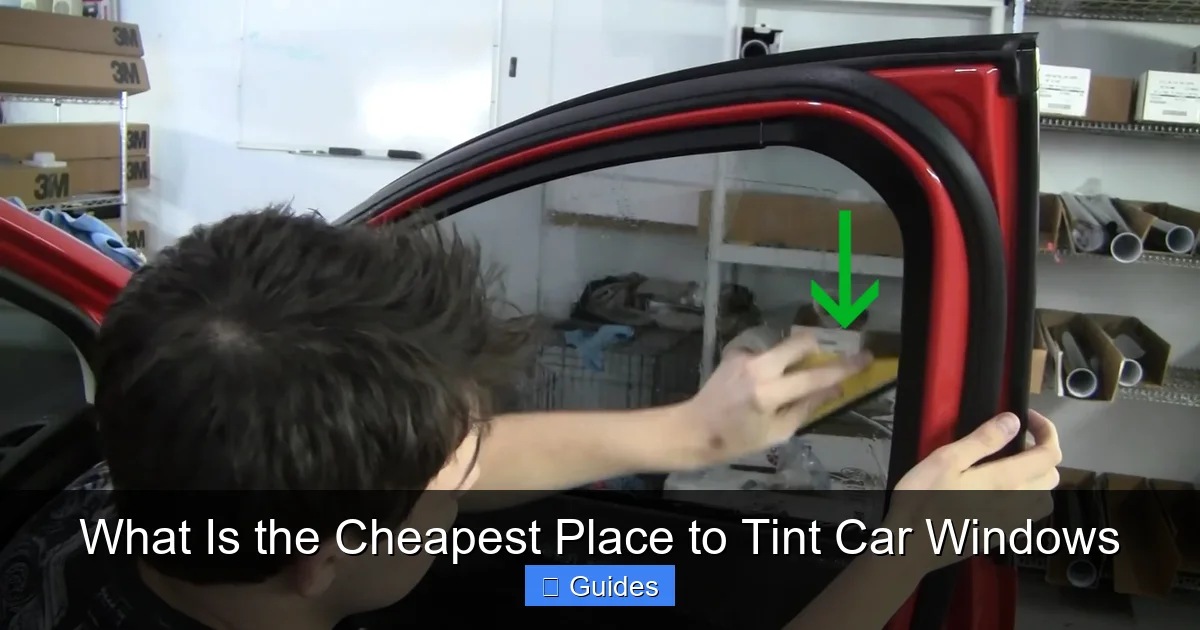
While big-box stores win on price, local tint shops often offer a better balance of cost, quality, and customer service. Many independent shops provide professional-grade tinting at prices that are still very reasonable—sometimes even cheaper than national chains when you factor in promotions and package deals.
Why Local Shops Can Be Cheaper Than You Think
It’s a common misconception that local shops are always more expensive. In reality, many small businesses keep overhead low and pass the savings on to customers. They may not have the massive advertising budgets of national chains, but they rely on word-of-mouth and repeat business, which encourages them to offer competitive pricing.
For example, a local tint shop in a mid-sized city might charge $150–$250 for a full car tint using mid-tier carbon or ceramic film. That’s only slightly more than Walmart, but the difference in quality can be significant. Local installers often have years of experience, use higher-grade materials, and take the time to ensure a flawless finish.
What to Look for in a Local Shop
Not all local shops are created equal. To find the best value, look for a shop that:
– Has good online reviews (Google, Yelp, Facebook)
– Offers a warranty on both film and labor
– Uses reputable film brands like 3M, Llumar, or SunTek
– Provides a free consultation and clear pricing
Many local shops also run seasonal promotions—especially in spring and summer when demand is high. You might find “$99 front windows only” deals or “20% off full car tint” specials. These can make local tinting nearly as cheap as big-box options, with far better results.
Personalized Service and Expertise
One of the biggest advantages of local shops is the personalized service. The technician can explain your options, help you choose the right shade and film type for your needs, and even show you samples before you commit. They’re also more likely to stand behind their work—if there’s an issue with the tint, they’ll usually fix it at no extra cost.
For example, a customer in Austin, Texas, shared that a local shop not only matched a competitor’s price but also upgraded her to a better film at no charge because they wanted to earn her trust. That kind of service is rare at big-box stores.
DIY Tinting: The Cheapest Option (But Not Always the Best)
Visual guide about What Is the Cheapest Place to Tint Car Windows
Image source: m.media-amazon.com
If you’re looking for the absolute cheapest way to tint your car windows, DIY tinting kits are hard to beat. You can find complete kits online or at auto parts stores for as little as $30–$60. That’s a fraction of the cost of professional installation.
How DIY Tinting Works
DIY kits typically include pre-cut tint film, a squeegee, a spray bottle, a razor blade, and instructions. The process involves cleaning the window thoroughly, spraying it with soapy water, applying the film, smoothing out bubbles, and trimming the edges.
It sounds simple—and in theory, it is. But in practice, DIY tinting is notoriously difficult. Even experienced DIYers can struggle with bubbles, dust particles, and uneven edges. One wrong move can ruin the film, and since most kits don’t include extras, you might have to buy a whole new one.
The Hidden Costs of DIY
While the upfront cost is low, DIY tinting can end up being more expensive in the long run. If the tint peels, bubbles, or looks unprofessional, you’ll likely need to remove it and hire a professional anyway. Removal can be tricky and may damage your defroster lines or window seals.
There’s also the time investment. A professional can tint a car in 2–4 hours. For a beginner, the same job can take an entire weekend—and still not look right.
When DIY Makes Sense
DIY tinting might be worth considering if:
– You’re tinting a single window (like a sunroof or rear windshield)
– You’re on an extremely tight budget and willing to accept imperfections
– You enjoy hands-on projects and want to learn a new skill
But for most people, the risk outweighs the reward. The cheapest place to tint car windows isn’t always the best—especially when a $150 professional job can last 10+ years with a warranty.
Online Marketplaces and Mobile Tinters: Emerging Options
The rise of on-demand services has brought new options for affordable car tinting. Platforms like Thumbtack, TaskRabbit, and even Facebook Marketplace connect customers with mobile tint installers who come to your home or office.
How Mobile Tinting Works
Mobile tinters bring all the equipment they need—film, tools, and a portable workspace—to your location. You don’t have to leave your car at a shop or wait in line. Many offer same-day or next-day service, and prices are often competitive with local shops.
For example, a mobile tinter in Phoenix might charge $180 for a full car tint using ceramic film, including removal of old tint. That’s comparable to a local shop, but with added convenience.
Pros and Cons of Mobile Services
The biggest advantage is convenience. You can work, run errands, or relax at home while your car gets tinted. Many mobile services also offer flexible scheduling, including evenings and weekends.
However, quality can vary. Since these are often independent contractors, there’s no centralized quality control. Be sure to check reviews, ask for proof of insurance, and verify the type of film being used.
Finding Reliable Mobile Tinters
To find a trustworthy mobile tinter, start with platforms that vet their providers. Thumbtack, for example, shows customer ratings, response times, and verified photos of past work. You can also ask for references or request a sample of their work.
Some mobile services even offer package deals—like “tint + paint correction” or “full car detail + tint”—which can save you money if you’re looking for multiple services.
Factors That Affect Tinting Prices
Now that we’ve covered the cheapest places to tint car windows, it’s important to understand what drives the cost. Knowing these factors can help you compare quotes and avoid overpaying.
Type of Film
Not all tint films are created equal. The three main types are:
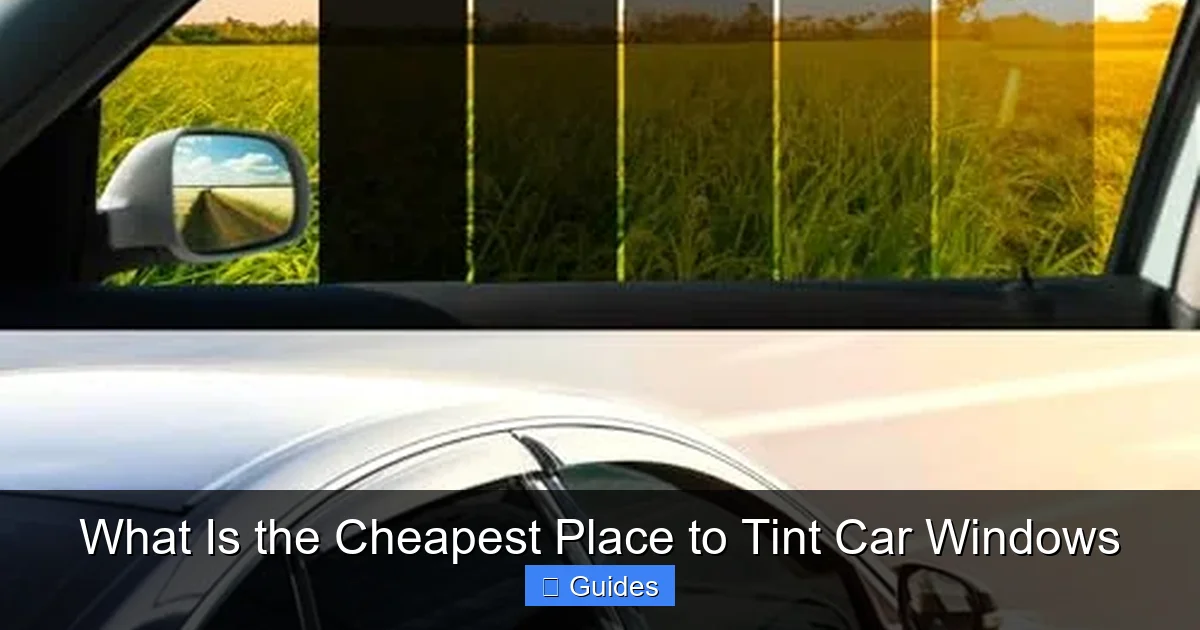
– Dyed film: The cheapest option, absorbs heat but offers minimal UV protection and can fade over time.
– Carbon film: More durable, blocks UV rays, and doesn’t fade. Mid-range in price.
– Ceramic film: Top-tier option, blocks up to 99% of UV rays, reduces heat significantly, and lasts the longest. Most expensive.
Higher-quality films cost more upfront but save money in the long run by lasting longer and performing better.
Car Size and Window Count
Larger vehicles like SUVs, trucks, and vans have more windows and larger surface areas, which increases labor and material costs. A full tint job on a compact car might cost $150, while the same job on an SUV could be $250 or more.
Removal of Old Tint
If your car already has tint, removal can add $50–$100 to the total cost. Some shops include it in the price, while others charge extra. Always ask upfront.
Geographic Location
Prices vary by region. Tinting in a major city like Los Angeles or New York will cost more than in a rural area. Labor rates, taxes, and demand all play a role.
Legal Restrictions
Every state has laws about how dark your tint can be, especially on front windows. If you need a lighter shade to stay legal, it might limit your film options and affect the price. Always check your state’s tinting laws before choosing a shade.
Tips for Getting the Best Deal on Car Window Tinting
Now that you know where to look and what affects pricing, here are some practical tips to help you save money without sacrificing quality.
1. Compare Multiple Quotes
Don’t settle for the first price you see. Get quotes from at least three different providers—big-box stores, local shops, and mobile services. Make sure each quote includes the same services (e.g., full car tint, film type, warranty) so you can compare apples to apples.
2. Ask About Promotions
Many shops run seasonal sales or offer discounts for first-time customers. A simple “Do you have any current promotions?” can save you $20–$50.
3. Choose the Right Film for Your Needs
You don’t need ceramic film if you’re on a tight budget. Carbon film offers a great balance of performance and price. Avoid the cheapest dyed films unless you’re planning to replace the tint in a few years.
4. Bundle Services
Some shops offer discounts if you combine tinting with other services like paint protection, ceramic coating, or interior detailing. A “car spa package” might cost less than booking each service separately.
5. Check for Warranties
A good warranty (5+ years on film, lifetime on labor) is a sign of quality. If a shop doesn’t offer one, it might be a red flag.
6. Avoid the Cheapest Option If It Seems Too Good to Be True
If a shop is offering full car tinting for $75, ask questions. What kind of film are they using? Do they have reviews? Are they insured? Extremely low prices often mean cutting corners.
Conclusion: Finding the Best Value, Not Just the Lowest Price
So, what is the cheapest place to tint car windows? The answer isn’t one-size-fits-all. For the absolute lowest price, big-box retailers like Walmart and Costco are hard to beat. For better quality at a still-affordable rate, local tint shops and mobile services offer excellent value. And while DIY kits are the cheapest upfront, they come with risks that often outweigh the savings.
The key is to balance cost with quality. A $150 tint job that lasts 10 years is a better deal than a $99 job that peels after two. Look for providers who use reputable film, offer warranties, and have positive reviews. And don’t forget to factor in convenience, customer service, and legal compliance.
Ultimately, the cheapest place to tint your car windows is the one that gives you the best combination of price, quality, and peace of mind. With the tips and insights in this guide, you’re well-equipped to make a smart, budget-friendly decision that keeps your car cool, protected, and looking great for years to come.
Frequently Asked Questions
Is it legal to tint car windows?
Yes, but laws vary by state. Most states allow tinting on rear and side windows, but front windshield and front side windows often have strict limits on darkness. Always check your local regulations before tinting.
How long does car window tinting take?
Professional tinting typically takes 2–4 hours for a full car, depending on the vehicle size and whether old tint needs to be removed. DIY jobs can take much longer, especially for beginners.
Can I wash my car after tinting?
It’s best to wait at least 3–5 days before washing your car to allow the tint to fully cure. Avoid rolling down the windows during this time to prevent peeling or bubbling.
Will tinting reduce heat inside my car?
Yes, especially with higher-quality films like carbon or ceramic. These can block up to 99% of UV rays and significantly reduce interior heat, improving comfort and protecting your dashboard.
Can I remove tint myself?
Yes, but it’s tricky. You’ll need a steamer or heat gun, razor blade, and cleaning solution. Improper removal can damage defroster lines or window seals, so many people prefer professional removal.
Do tinted windows affect visibility at night?
Darker tints can reduce visibility in low-light conditions, especially on side and rear windows. Choose a legal shade and consider lighter films for front windows to maintain safety.

At CarLegit, we believe information should be clear, factual, and genuinely helpful. That’s why every guide, review, and update on our website is created with care, research, and a strong focus on user experience.