
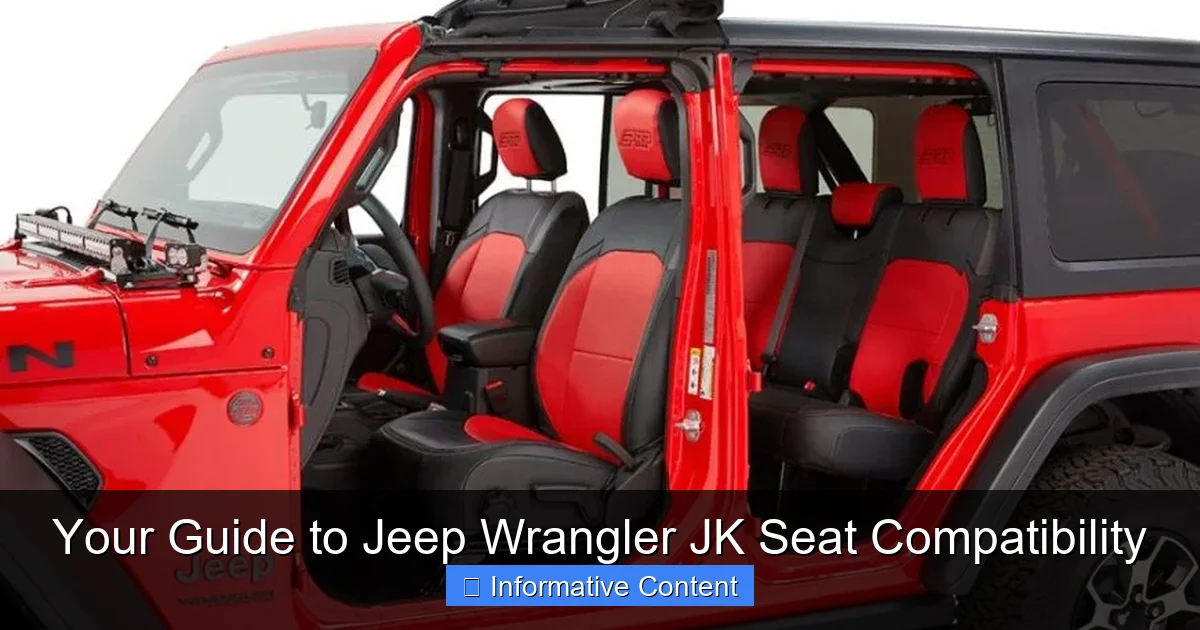
The Jeep Wrangler JK offers extensive seat compatibility, with many seats from other JK models, the newer JL, and numerous aftermarket brands designed as direct bolt-in replacements using the same mounting points. Always verify the bolt pattern and seat dimensions for your specific model year to ensure a perfect, safe fit. This interchangeability empowers you to easily upgrade for enhanced comfort, support, and style, truly personalizing your adventure vehicle.
So, you’re thinking about swapping out the seats in your Jeep Wrangler JK. Maybe that long-awaited road trip revealed the stock seats aren’t the plush thrones you dreamed of. Or perhaps you scored a great deal on some used seats and you’re crossing your fingers they’ll bolt right in. I’ve been there, staring at a perfectly good set of seats on a garage floor, wondering if the next few hours will end in triumph or a trip to the hardware store for a box of mismatched bolts.
The question, “What seats will fit in a Jeep Wrangler JK?” is more common than you might think. It’s the gateway to personalizing your ride for supreme comfort, better support on the trails, or just a fresh look. The good news? You have options. The better news? With a little know-how, you can navigate this project like a pro.
This guide is your roadmap. We’ll cut through the confusion, talk about what truly matters for Jeep Wrangler JK seat compatibility, and walk you through everything from factory swaps to full-blown aftermarket installations. Whether you’re a daily driver or a weekend warrior, let’s find you some new perches.
In This Article
- 1 Key Takeaways
- 2 📑 Table of Contents
- 3 Why Swap Your JK Seats in the First Place?
- 4 Understanding Factory JK Seat Options (2007-2018)
- 5 Venturing into Aftermarket Seat Territory
- 6 The Heart of Compatibility: JK Seat Brackets and Adapters
- 7 Don’t Forget the Back! JK Rear Seat Compatibility
- 8 Making Your Decision: A Practical Framework
- 9 Finding Your Perfect Fit
- 10 Frequently Asked Questions
- 10.1 What seats will fit in a Jeep Wrangler JK?
- 10.2 Can I install seats from a Jeep Wrangler JL in my JK?
- 10.3 What should I consider for Jeep Wrangler JK seat compatibility with aftermarket options?
- 10.4 Do seats from other vehicles fit a Jeep Wrangler JK?
- 10.5 How do I know if a seat is compatible with my Jeep Wrangler JK?
- 10.6 Are there any tips for ensuring seat compatibility in a Jeep Wrangler JK?
Key Takeaways
- Focus on bolt pattern compatibility: Ensure seat brackets match JK’s specific mounting points.
- Seats from other JK models fit best: Same generation ensures minimal modification needs.
- Modification kits are often required: For seats from non-Jeep vehicles or different years.
- Measure seat dimensions before buying: Avoid interference with roll bars and controls.
- Check electrical connections for power seats: Adaptors may be needed for full functionality.
- Aftermarket seats simplify installation: Many come with JK-specific brackets and hardware.
- Always test fit seats first: Ensure proper alignment and comfort before final installation.
📑 Table of Contents
- Why Swap Your JK Seats in the First Place?
- Understanding Factory JK Seat Options (2007-2018)
- Venturing into Aftermarket Seat Territory
- The Heart of Compatibility: JK Seat Brackets and Adapters
- Don’t Forget the Back! JK Rear Seat Compatibility
- Making Your Decision: A Practical Framework
- Finding Your Perfect Fit
Why Swap Your JK Seats in the First Place?
Before we dive into nuts and bolts, let’s talk motivation. Understanding why you want to change seats helps narrow down the endless choices. For most JK owners, it boils down to a few key reasons.
The Quest for Comfort
Let’s be honest: the base model JK seats, especially in earlier years, aren’t known for being lumbar-loving miracles. Long drives can leave you feeling every bump and wishing for more support. Upgrading to seats with better bolstering, adjustable lumbar, or simply plusher cushioning can transform your driving experience from “are we there yet?” to “already?”
Trail Toughness and Support
When you’re crawling over rocks at a 20-degree angle, you want to stay planted. Factory seats can leave you sliding around or bracing yourself with the “oh crap” handle. Aftermarket seats designed for off-roading offer deeper, more aggressive side bolsters to keep you securely in position, letting you focus on the line ahead, not your sliding posture.
Style and Personalization
Your Jeep is an extension of you. Swapping in seats from a higher trim like the Sahara or Rubicon, or going with a bold aftermarket design, is a fantastic way to refresh your interior’s look. It’s one of the most noticeable changes you can make inside the cabin.
The Practical Replacement
Sometimes, it’s not about upgrade, but replacement. Sun damage, tears, stains, or a broken mechanism are all solid reasons to look for new seats. This is where knowing about compatibility can save you a lot of money versus buying brand-new OEM seats from the dealership.
Understanding Factory JK Seat Options (2007-2018)
The first place many look for a seat swap is within the JK family itself. Jeep offered different seat styles across various model years and trim levels. Swapping between these can be a relatively straightforward plug-and-play affair, but there are details to know.
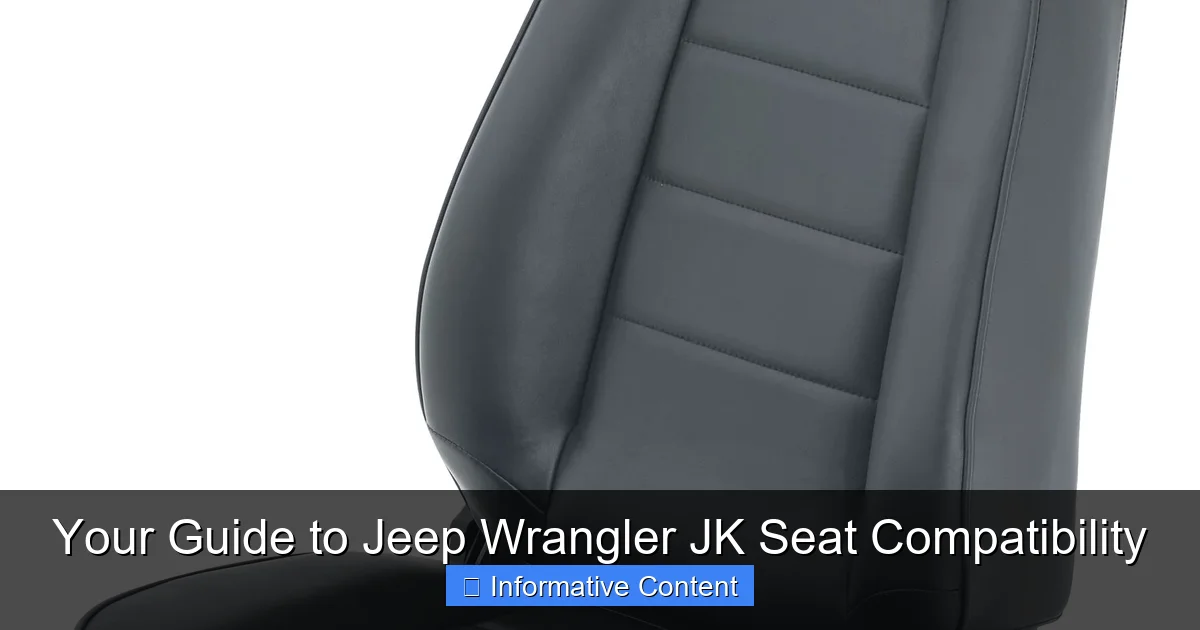
Visual guide about What Seats Will Fit In A Jeep Wrangler Jk
Image source: quadratec.com
Trim Level Differences: Sport, Sahara, Rubicon
Base Sport models typically came with simpler, manual-adjust vinyl or cloth seats. Sahara trims often added fancier upholstery, sometimes with leather and heating elements. Rubicon models might have unique badging or more bolstered seats. The core mounting points, however, are generally the same across all JK trims from 2007 to 2018.
Key Model Year Considerations
While the floor pan and core brackets stayed consistent, there were subtle changes. The most notable is the seatbelt design. Early JKs (2007-early 2011) had the seatbelt integrated into the seat itself. Later models (late 2011-2018) moved the seatbelt to the roll bar pillar (the B-pillar). This is a critical compatibility point. You can physically bolt early seats into a late JK, but you’ll have two seatbelt anchors (one on the seat, one on the pillar), which is not ideal. Going the other way (late seats into an early JK) leaves you with no integrated seatbelt, requiring you to use the pillar mount, which may feel awkward.
Power vs. Manual Seats
Some higher-trim JKs came with power seats. These require a wiring harness for full functionality. You can bolt a power seat into a JK that originally had manual seats, but it will likely only function as a manual seat unless you run power to it. It’s usually heavier, too.
Here’s a quick reference table for factory JK seats:
| Seat Type | Key Features | Compatibility Notes |
|---|---|---|
| Base Sport (Cloth/Vinyl) | Manual adjustments, basic comfort. | Universal fit for all JKs. Mind the seatbelt year split. |
| Sahara/Rubicon Cloth | Often better bolstering, premium cloth. | Direct bolt-in. Check for heated seat wiring if applicable. |
| Leather Trimmed | Heated seats available, power adjustment optional. | Bolt pattern is the same. Power/heat will need wiring to function. |
| Early Model (07-10.5) | Integrated seatbelt in the seat. | Best for same-year vehicles. Can install in later JKs but creates dual belts. |
| Late Model (10.5-18) | Seatbelt on B-pillar. | Best for same-year vehicles. Installing in an early JK means using the pillar belt only. |
Venturing into Aftermarket Seat Territory
This is where the world opens up—and gets a bit more complex. Aftermarket seats can offer superior materials, legendary comfort brands, and race-inspired designs. The key to making them work in your JK is the humble bracket.
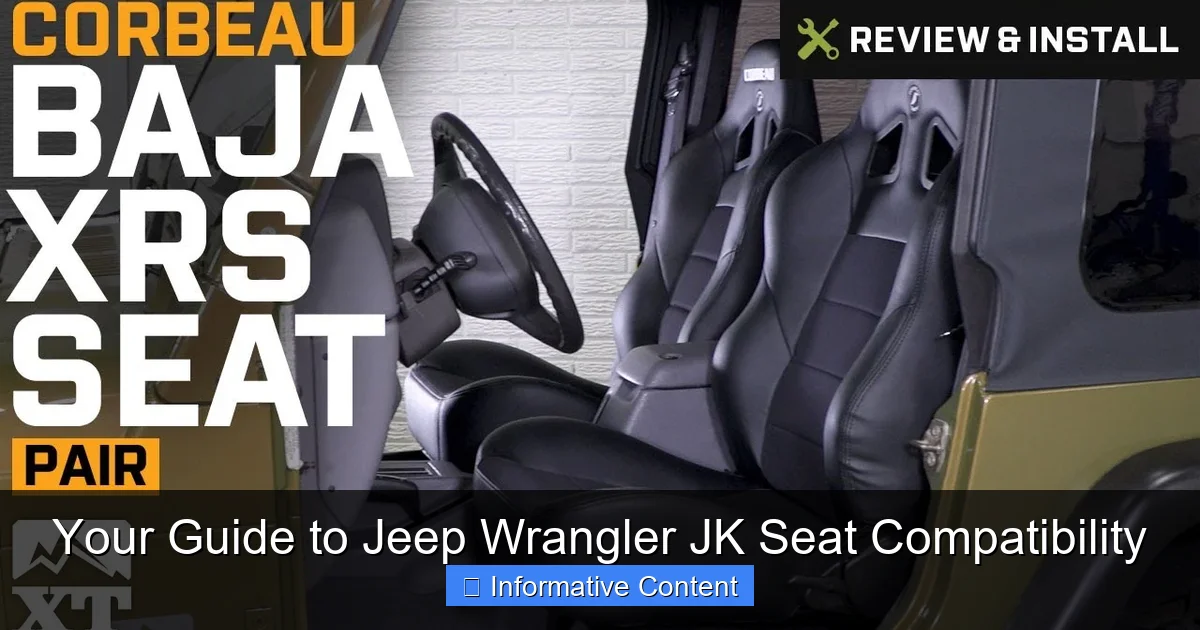
Visual guide about What Seats Will Fit In A Jeep Wrangler Jk
Image source: i.ytimg.com
The Universal Bracket Truth
Most aftermarket seats (from brands like Corbeau, PRP, MasterCraft, etc.) are sold as “universal fit.” This means the seat itself has standardized bolt patterns on its bottom. It does not mean it will bolt directly to your Jeep. To bridge the gap between the universal seat and your JK’s unique floor, you need two things: seat brackets (or sliders) and vehicle-specific seat adapters.
Vehicle-Specific Adapters: Your Best Friend
This is the magic piece. Companies like Planted Technology, Corbeau, and others sell steel adapter plates that are drilled on one side to match your JK’s floor bolts and on the other side to match a universal bracket or a specific aftermarket seat. Always purchase adapters specifically listed for the Jeep Wrangler JK. This guarantees the correct angle, bolt pattern, and ground clearance.
Popular Aftermarket Seat Styles for the JK
- Suspension Seats: Like the iconic MasterCraft or PRP seats. These have a suspended fabric base instead of solid foam, offering incredible comfort and temperature control on long days. A top choice for serious off-roaders.
- High-Backed Sport Seats: Brands like Corbeau and Sparco offer seats with deep side bolsters for holding you in place during aggressive driving. Great for mixed use and a sporty look.
- Standard Replacement Seats: These look more like OEM seats but with upgraded materials and comfort. They often maintain a more stock appearance while offering better quality.
The Heart of Compatibility: JK Seat Brackets and Adapters
Think of this as the foundation of your seat swap. Get this right, and the rest is straightforward. Get it wrong, and you’ll be drilling, grinding, and having a very frustrating day.
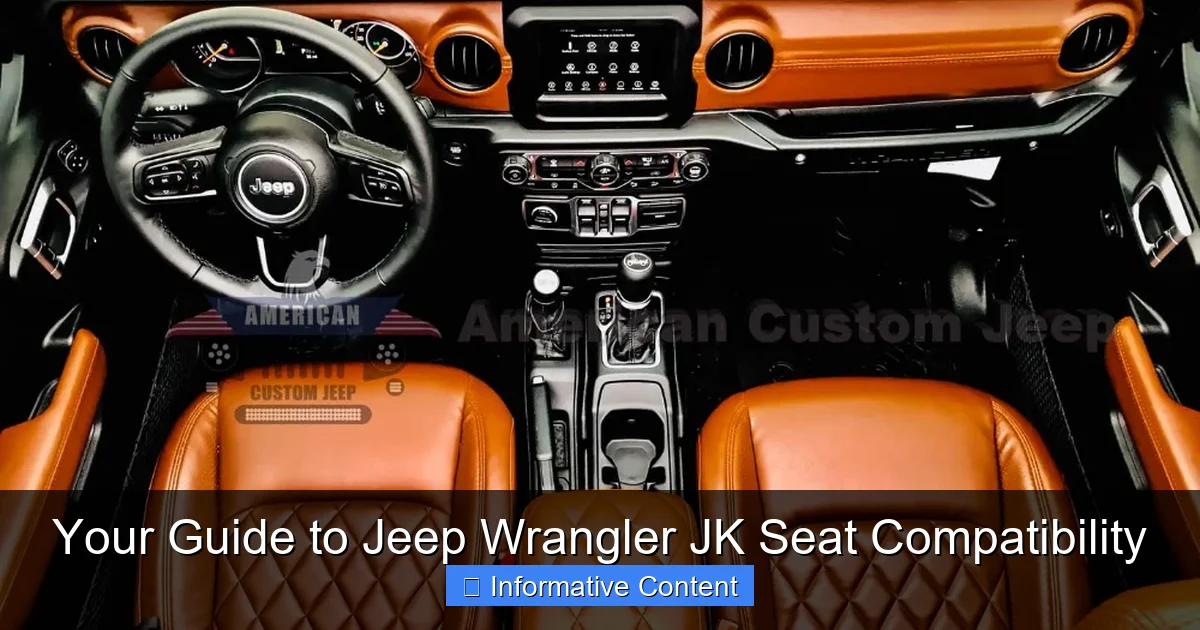
Visual guide about What Seats Will Fit In A Jeep Wrangler Jk
Image source: i.pinimg.com
OEM Seat Brackets
If you’re doing a direct factory seat swap (e.g., Rubicon seats into your Sport), you simply unbolt the four main bolts holding each seat bracket to the floor, swap the entire seat-and-bracket assembly, and bolt it back in. The brackets are integrated with the seat. This is the easiest type of swap.
Aftermarket Bracket Systems
For aftermarket seats, you typically buy a system:
1. The Vehicle Adapter: Bolts to the Jeep floor.
2. The Slider/Bracket: Bolts to the adapter and provides fore/aft adjustment.
3. The Seat: Bolts to the slider.
Sometimes the slider and adapter come as one kit. Always read product descriptions carefully.
Installation Tips and Gotchas
- Disconnect the Battery: Always! You’ll be near airbag connectors under the seats.
- Label Every Connector: Before unplugging any wiring (for power, heat, or airbags), take a photo or label them. It makes reinstallation foolproof.
- Mind the Airbag Light: If your JK had side airbags in the seats and you’re replacing them with seats without airbags, you will likely trigger an airbag warning light. This may require a resistor kit to fool the system or a programmer to disable it.
- Check Seat Height: Some bracket/adapter combos can raise the seat height significantly. If you’re tall, this is a critical factor to check in product reviews.
Don’t Forget the Back! JK Rear Seat Compatibility
The rear bench seat in a two-door JK is different from the one in a four-door Unlimited (JKU). They are not interchangeable due to width and mounting point differences. A JKU rear seat is much wider.
Swapping Within the JK Family
Just like fronts, you can swap a rear bench from a same-body-style JK (2-door to 2-door, 4-door to 4-door) across model years pretty easily. The main latch and leg mounting points are consistent. You might find upgrades in upholstery or a split-folding feature from higher trims.
Aftermarket and Deleted Options
Many off-road enthusiasts remove the rear seat entirely for cargo space. If you want to put it back in, ensure you get the correct one. There are also aftermarket options like heavy-duty vinyl benches or even suspension-style rear seats from brands like PRP for a full custom look, though these are less common and often custom-fitted.
Making Your Decision: A Practical Framework
With all this info, how do you choose? Walk through this simple decision tree.
- Define Your Budget: A used set of OEM leather seats might cost $500. A full new set of premium aftermarket suspension seats with brackets can run over $2000.
- Identify Your Primary Need: Is it daily-driver comfort, rock-crawling support, or fixing a torn-up interior? Let this guide your seat type.
- Check Your Model Year & Trim: Know your seatbelt type and if you have existing power/heat wiring you want to utilize.
- Research the Complete Cost: For aftermarket, remember: Seat Price + Adapter Bracket Kit + Slider (if not included) + Shipping. Don’t get surprised at checkout.
- Read JK-Specific Reviews: Look for forum posts or videos from other JK owners who installed the exact seat and bracket combo you’re considering. They’ll highlight any fitment quirks.
My personal anecdote? I installed a set of aftermarket seats in my 2012 JKU. The seats were great, but I cheaped out on the brackets initially. The generic ones I bought required modification and sat too high. I eventually bought the proper vehicle-specific adapters, and the difference was night and day—a secure, low, and solid mount. The right brackets are worth every penny.
Finding Your Perfect Fit
So, what seats will fit in your Jeep Wrangler JK? The answer is encouraging: more than you might think. With the right approach, you can enjoy everything from a simple factory upgrade to a full custom interior that transforms how you interact with your Jeep.
The golden rule for Jeep Wrangler JK seat compatibility is this: respect the bracket system. Whether you’re swapping in seats from another JK or venturing into the aftermarket world, the connection between the seat and the floor is what makes or breaks the project. Do your homework on model years, invest in the correct adapters, and you’ll be rewarded with a comfortable, stylish, and secure driving position for all the adventures ahead.
Now, go forth and find those perfect seats. Your back (and your Jeep’s interior) will thank you.
Frequently Asked Questions
What seats will fit in a Jeep Wrangler JK?
Many aftermarket and OEM seats from other Jeep models, like the JL or TJ, can fit with minimal modifications. However, it’s essential to check bolt patterns and seat dimensions to ensure proper compatibility and safety.
Can I install seats from a Jeep Wrangler JL in my JK?
Yes, seats from a Jeep Wrangler JL can often be adapted to fit a JK, but you may need custom brackets or adapters. Always verify the mounting points and seat rail systems before installation to avoid issues.
What should I consider for Jeep Wrangler JK seat compatibility with aftermarket options?
For aftermarket seats, prioritize models designed for the JK or those with universal kits that include adapters. Ensure the seats meet safety standards and account for factors like seat height and wiring for features like heating or power adjustment.
Do seats from other vehicles fit a Jeep Wrangler JK?
Seats from some trucks or SUVs might fit, but extensive modifications are usually required due to differing bolt patterns and sizes. It’s generally easier to stick with seats known for Jeep Wrangler JK compatibility to save time and effort.
How do I know if a seat is compatible with my Jeep Wrangler JK?
Compare the seat’s specifications, such as mounting hole distances and base width, with your JK’s factory measurements. Consulting installation guides or forums dedicated to Jeep modifications can provide practical insights from other owners.
Are there any tips for ensuring seat compatibility in a Jeep Wrangler JK?
Always test-fit seats before final installation and consider professional help if you’re unsure about modifications. Checking for included hardware or the need for additional brackets will streamline the process and enhance safety.

At CarLegit, we believe information should be clear, factual, and genuinely helpful. That’s why every guide, review, and update on our website is created with care, research, and a strong focus on user experience.