
Discover the essential steps to take when your car window is broken, from securing your vehicle to choosing the right repair service. This guide covers immediate actions, safety tips, insurance claims, and long-term solutions to get you back on the road safely and affordably.
In This Article
- 1 Key Takeaways
- 2 📑 Table of Contents
- 3 What to Do When Your Car Window Is Broken: A Complete Guide
- 4 Step 1: Ensure Your Safety and Assess the Situation
- 5 Step 2: Secure Your Vehicle Immediately
- 6 Step 3: Document the Damage and File Reports
- 7 Step 4: Choose the Right Repair or Replacement Option
- 8 Step 5: Prevent Future Window Damage
- 9 Final Thoughts: Stay Calm and Take Action
- 10 Frequently Asked Questions
Key Takeaways
- Act immediately to secure your vehicle: A broken window leaves your car exposed to theft, weather, and further damage—cover it right away.
- Ensure personal safety first: Avoid touching sharp glass edges and move to a safe location if the break occurred during an accident or break-in.
- Document the damage for insurance: Take clear photos and file a police report if needed to support your claim.
- Use temporary covers wisely: Plastic sheeting and tape can protect your interior short-term, but don’t rely on them for more than a few days.
- Choose professional auto glass repair: Certified technicians ensure proper installation, safety, and warranty coverage.
- Understand your insurance coverage: Comprehensive policies often cover window repairs with little or no deductible.
- Prevent future incidents: Park in secure areas, avoid leaving valuables in sight, and consider window security films.
📑 Table of Contents
- What to Do When Your Car Window Is Broken: A Complete Guide
- Step 1: Ensure Your Safety and Assess the Situation
- Step 2: Secure Your Vehicle Immediately
- Step 3: Document the Damage and File Reports
- Step 4: Choose the Right Repair or Replacement Option
- Step 5: Prevent Future Window Damage
- Final Thoughts: Stay Calm and Take Action
What to Do When Your Car Window Is Broken: A Complete Guide
Imagine this: You walk out to your car in the morning, coffee in hand, ready to start your day—only to find your side window shattered, glass scattered across the seat and pavement. Your heart sinks. Not only is your car exposed, but you’re also worried about theft, weather damage, and the cost of repairs.
Don’t panic. A broken car window is more common than you think, and with the right steps, you can handle it safely and efficiently. Whether it’s from vandalism, an accident, flying debris, or a break-in, knowing what to do next can save you time, money, and stress. This guide walks you through every step—from the moment you discover the damage to getting your window fully repaired or replaced.
In this article, we’ll cover immediate actions, safety precautions, temporary fixes, insurance tips, and how to choose the best repair service. By the end, you’ll feel confident and prepared, no matter how unexpected the breakage may be.
Step 1: Ensure Your Safety and Assess the Situation
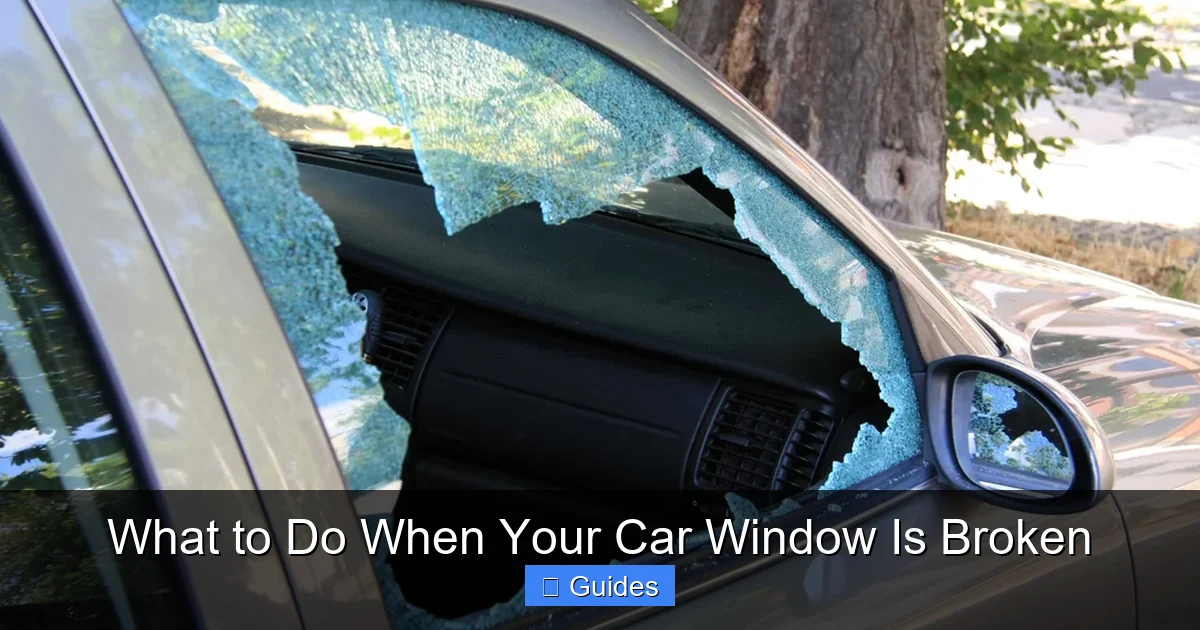
The first thing to do when you discover a broken car window is to pause and assess the situation calmly. Your safety—and the safety of others—comes first. A shattered window can mean sharp glass, potential danger, or even an ongoing threat if the break was due to a crime.
Visual guide about What to Do When Your Car Window Is Broken
Image source: glasshopperautoglass.com
Check for Immediate Danger
If the window broke due to an accident, such as a collision or falling object, make sure you and any passengers are uninjured. If you’re on the road, pull over to a safe location if possible. Turn on your hazard lights and stay inside the vehicle if it’s unsafe to exit.
In cases of vandalism or a break-in, look around for suspicious activity. If you suspect someone is still nearby or the area feels unsafe, call the police immediately. Do not confront anyone. Your priority is to get to a secure location and contact authorities.
Protect Yourself from Glass
Broken auto glass can be extremely sharp. Even if the window appears to have shattered into small, pebble-like pieces (common with laminated or tempered glass), there may still be jagged edges or loose shards. Always wear gloves—preferably thick work gloves—before touching the car or cleaning up glass.
Avoid leaning into the vehicle or reaching through the broken window. If glass has fallen inside, don’t sit in the car until it’s been cleared. Tiny fragments can embed in clothing or skin, causing irritation or injury.
Determine the Cause of the Break
Understanding why the window broke helps you decide your next steps. Common causes include:
- Accidents: Collisions, rollovers, or side impacts can crack or shatter windows.
- Vandalism: Intentional damage like smashing or keying.
- Break-ins: Thieves often break windows to unlock doors or steal items.
- Flying debris: Rocks kicked up by other vehicles, especially on highways.
- Extreme weather: Hailstorms, falling branches, or rapid temperature changes.
- Defective glass: Rare, but manufacturing flaws can cause spontaneous breakage.
Knowing the cause helps when filing insurance claims or police reports. For example, if it was a hit-and-run, you’ll need to report it to law enforcement. If it was due to a storm, your comprehensive insurance may cover it.
Step 2: Secure Your Vehicle Immediately
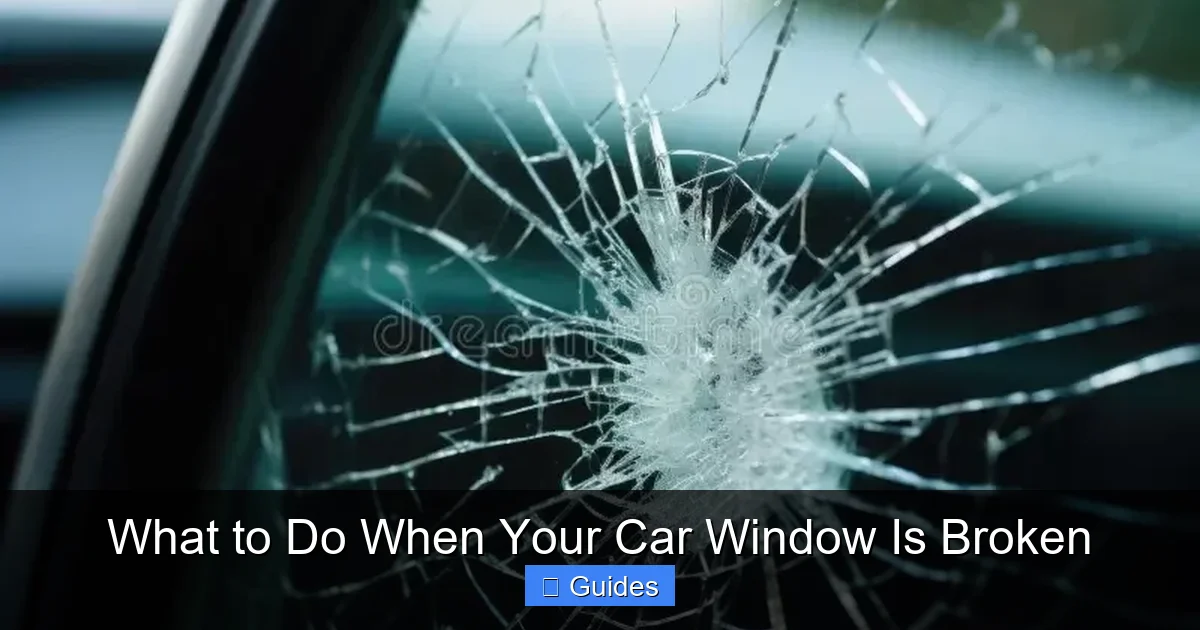
Once you’re safe, the next priority is protecting your car from further damage. A broken window leaves your vehicle exposed to rain, snow, dust, and—most importantly—theft. Even if you plan to get it fixed the same day, you need a temporary barrier.
Visual guide about What to Do When Your Car Window Is Broken
Image source: thumbs.dreamstime.com
Use Plastic Sheeting and Tape
The quickest and most effective temporary fix is heavy-duty plastic sheeting and strong tape. You can find these at hardware stores, auto parts shops, or even large supermarkets. Look for thick, clear plastic (at least 6 mil) and duct tape or packaging tape.
Here’s how to do it:
- Cut the plastic sheet large enough to cover the entire window opening, with extra to overlap the edges.
- Tape the plastic securely to the door frame, roof, and body panels around the window. Use overlapping strips to ensure a tight seal.
- Smooth out wrinkles to prevent flapping in the wind, which can loosen the tape.
- If it’s raining or snowing, double up the plastic for extra protection.
This method won’t be pretty, but it will keep out most weather and deter casual thieves. Just remember: this is a temporary solution. Don’t drive long distances with plastic covering your window, especially at high speeds, as it can tear or come loose.
Consider a Temporary Window Cover
If you’re near an auto glass shop or hardware store, you might find pre-cut temporary window covers made of rigid plastic or acrylic. These snap or clip into the window frame and offer better protection than plastic sheeting. They’re more durable and less likely to flap in the wind.
Some drivers also use cardboard as a quick fix, but this is not recommended for wet conditions. Cardboard absorbs moisture, weakens, and can disintegrate, leaving your car exposed.
Remove Valuables and Lock the Car
Even with a cover, your car is more vulnerable than usual. Remove any valuables—purses, electronics, bags, or even loose change—from the interior. If you can’t take them with you, hide them out of sight. A visible item can tempt thieves, especially when they see a broken window.
Lock the car doors and activate the alarm if you have one. While a broken window compromises security, locking the car still sends a signal that you’re aware of the damage and may deter opportunistic criminals.
Step 3: Document the Damage and File Reports
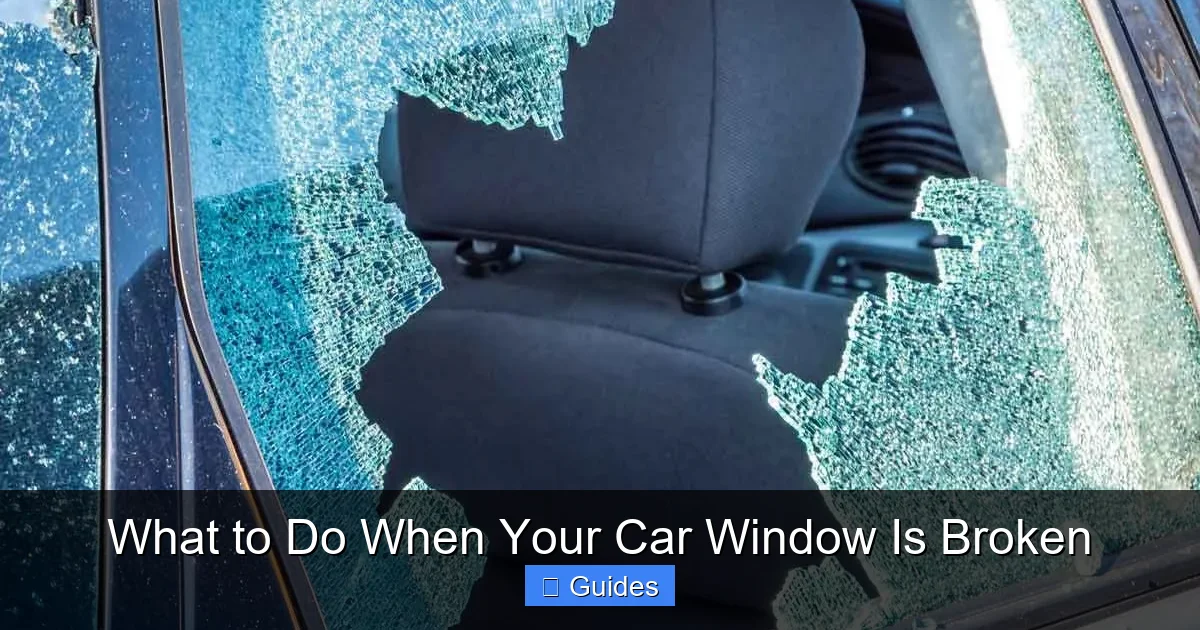
Before you start cleaning up or making repairs, take time to document the damage. This step is crucial for insurance claims, police reports, and potential legal action.
Visual guide about What to Do When Your Car Window Is Broken
Image source: familyhandyman.com
Take Clear Photos
Use your smartphone to take multiple photos of the broken window from different angles. Include:
- The entire window and surrounding area.
- Close-ups of the crack or shattered glass.
- Any signs of forced entry, like pry marks or scratches.
- Interior damage, such as stolen items or glass on seats.
- The vehicle’s license plate and VIN (visible through the windshield).
Good lighting is key. Take photos during daylight if possible. If it’s dark, use your phone’s flashlight or find a well-lit area. These images will serve as evidence and help your insurance adjuster assess the claim.
File a Police Report (If Necessary)
You should file a police report if:
- The break was due to vandalism or a break-in.
- Items were stolen from your vehicle.
- You suspect a hit-and-run or accident involving another party.
- Your insurance company requires a report for claims over a certain amount.
Call your local non-emergency police number to report the incident. Provide your location, vehicle details, and a description of what happened. The officer may come to inspect the car, or you may need to visit the station. Get a copy of the report or a case number—you’ll need it for insurance.
Contact Your Insurance Company
Most comprehensive auto insurance policies cover broken windows, regardless of fault. This includes damage from storms, vandalism, theft, and flying objects. Some policies even offer zero-deductible glass repair.
Call your insurer as soon as possible. Have your policy number, vehicle information, and photos ready. They’ll guide you through the claims process and may recommend approved repair shops. Be honest about how the damage occurred—misrepresenting the cause can void your claim.
If you’re not sure whether your policy covers glass damage, check your declarations page or call your agent. Many drivers are surprised to learn that windshield and window repairs are often fully covered.
Step 4: Choose the Right Repair or Replacement Option
Once your car is secure and reports are filed, it’s time to fix the window. You have two main options: repair or replacement. The best choice depends on the type of damage, the window involved, and your budget.
Can the Window Be Repaired?
Small chips or cracks—usually less than the size of a quarter—can often be repaired instead of replaced. This is especially true for windshields, where resin is injected to fill the damage and restore structural integrity.
However, side and rear windows are typically made of tempered glass, which shatters completely when broken. In these cases, repair isn’t possible—replacement is the only option.
Ask a professional auto glass technician to assess the damage. They’ll consider:
- The size, depth, and location of the crack or chip.
- Whether the damage is in the driver’s line of sight.
- The type of glass (laminated, tempered, or acoustic).
- Safety regulations in your state.
Find a Reputable Auto Glass Shop
Not all repair shops are created equal. Look for a certified technician with experience in your vehicle’s make and model. The Auto Glass Safety Council (AGSC) and National Windshield Repair Association (NWRA) certify qualified professionals.
Ask these questions when choosing a shop:
- Are you certified by AGSC or NWRA?
- Do you use OEM (Original Equipment Manufacturer) or high-quality aftermarket glass?
- What’s the warranty on the repair or replacement?
- Can you work with my insurance company?
- How long will the job take?
Many shops offer mobile services, coming to your home or workplace to replace the window. This is convenient, especially if your car isn’t drivable.
Understand the Replacement Process
Replacing a car window involves removing the old glass, cleaning the frame, applying new adhesive, and installing the new pane. The process typically takes 1–3 hours, depending on the window and vehicle.
For windshields, the adhesive needs time to cure—usually 30 minutes to an hour—before you can drive. Side and rear windows may allow driving sooner, but always follow the technician’s advice.
Modern vehicles often have sensors, cameras, and antennas embedded in the glass. A qualified technician will recalibrate these systems to ensure they work properly after replacement.
Step 5: Prevent Future Window Damage
While you can’t prevent every incident, there are steps you can take to reduce the risk of future broken windows.
Park Smart
Choose parking spots wisely. Avoid areas with heavy traffic, construction zones, or overhanging trees. Park in well-lit, secure locations—like garages or monitored lots—especially at night.
If you’re in a high-theft area, park near security cameras or in view of building entrances. Thieves are less likely to target cars in visible, busy areas.
Use Window Security Film
Security or safety film is a clear, adhesive layer applied to the inside of glass. It holds shattered pieces together, making it harder for thieves to break in and reducing the risk of injury from flying glass.
While it won’t prevent breakage, it can deter smash-and-grab thefts and give you extra time to react. Some films also offer UV protection and reduce glare.
Don’t Leave Valuables in Sight
An empty car is less tempting to thieves. Even small items like chargers, sunglasses, or loose change can attract attention. Use seat covers or sunshades to hide the interior, and always lock your doors.
Maintain Your Vehicle
Regular maintenance can prevent issues that lead to glass stress. Check for loose trim, damaged seals, or rust around window frames. These can weaken the structure and make glass more prone to cracking.
Also, avoid slamming doors or driving on rough roads with cracked windows. Existing damage can worsen quickly under stress.
Final Thoughts: Stay Calm and Take Action
Finding a broken car window is stressful, but it doesn’t have to be a disaster. By acting quickly, staying safe, and following the right steps, you can protect your vehicle, file a successful insurance claim, and get back on the road with minimal hassle.
Remember: temporary fixes are just that—temporary. Don’t delay repairs. A broken window compromises your safety, security, and the value of your car. Choose a certified technician, use quality materials, and take preventive measures to avoid future issues.
With this guide, you’re equipped to handle the unexpected. Stay prepared, stay safe, and drive with confidence—even when life throws you a curveball.
Frequently Asked Questions
Can I drive with a broken car window?
It depends on the severity and location of the damage. If the windshield is cracked but intact, you may be able to drive short distances cautiously. However, a fully shattered side or rear window exposes you to weather and safety risks—avoid driving until it’s covered or repaired.
Will my insurance cover a broken car window?
Most comprehensive auto insurance policies cover broken windows due to vandalism, theft, weather, or accidents. Check your policy or contact your insurer to confirm coverage and deductible amounts.
How much does it cost to replace a car window?
Costs vary by vehicle, window type, and labor rates. Side windows typically range from $100 to $400, while windshields can cost $200 to $1,000 or more. Insurance often covers the full cost with little or no deductible.
Can I fix a broken car window myself?
Small chips in windshields can sometimes be repaired with DIY kits, but full replacements require professional tools and expertise. Improper installation can compromise safety and lead to leaks or further damage.
How long does it take to replace a car window?
Most replacements take 1–3 hours. Windshields require additional time for adhesive to cure—usually 30 minutes to an hour before driving. Mobile services can often complete the job at your location.
What should I do if my car window breaks while driving?
Safely pull over, turn on hazard lights, and assess the situation. If glass is obstructing your view or the damage is severe, call for roadside assistance. Avoid driving until the window is secured or repaired.

At CarLegit, we believe information should be clear, factual, and genuinely helpful. That’s why every guide, review, and update on our website is created with care, research, and a strong focus on user experience.