
The best year for the Lexus LS 460 is 2013, offering a perfect balance of reliability, updated styling, advanced tech, and strong resale value. It avoids early-model quirks while including key safety and comfort upgrades, making it the smartest choice for buyers seeking a premium luxury sedan.
In This Article
- 1 Key Takeaways
- 2 📑 Table of Contents
- 3 Introduction: Why the Lexus LS 460 Still Matters
- 4 A Brief History of the Lexus LS 460
- 5 Performance and Engine Reliability
- 6 Interior Comfort and Technology
- 7 Safety and Driver Assistance Features
- 8 Ownership Costs and Value Retention
- 9 Which Year Is the Best Lexus LS 460?
- 10 Tips for Buying a Used Lexus LS 460
- 11 Conclusion: The LS 460 Is a Timeless Luxury Choice
- 12 Frequently Asked Questions
Key Takeaways
- 2013 is the top pick: Combines reliability, refreshed design, and modern features after a major mid-cycle update.
- Engine and performance: The 4.6L V8 delivers smooth, quiet power with 380 horsepower and excellent fuel economy for its class.
- Reliability shines after 2010: Early models (2007–2009) had more reported issues; post-2010 models show improved durability.
- Interior luxury and tech: High-quality materials, intuitive infotainment, and available Mark Levinson audio elevate the driving experience.
- Safety features improved over time: Later models include advanced driver aids like blind-spot monitoring and adaptive cruise control.
- Maintenance costs are reasonable: With proper care, the LS 460 remains affordable to own, especially compared to German rivals.
- Best value in 2012–2014 range: These years offer the most features for the price, with strong resale and lower depreciation.
📑 Table of Contents
- Introduction: Why the Lexus LS 460 Still Matters
- A Brief History of the Lexus LS 460
- Performance and Engine Reliability
- Interior Comfort and Technology
- Safety and Driver Assistance Features
- Ownership Costs and Value Retention
- Which Year Is the Best Lexus LS 460?
- Tips for Buying a Used Lexus LS 460
- Conclusion: The LS 460 Is a Timeless Luxury Choice
Introduction: Why the Lexus LS 460 Still Matters
The Lexus LS 460 isn’t just a luxury sedan—it’s a statement. Since its debut in 2007, this flagship model has redefined what it means to drive in comfort, silence, and sophistication. While newer luxury cars boast flashier tech or sharper handling, the LS 460 remains a benchmark for reliability and refinement. It’s the kind of car that whispers luxury instead of shouting it, with a ride so smooth it feels like floating on air.
But with over a decade of production, not every LS 460 is created equal. Some years stand out for their engineering, while others are best avoided due to known issues. If you’re shopping for a used luxury sedan that balances prestige, performance, and long-term value, you’re likely wondering: What year is the best Lexus LS 460? The answer isn’t as simple as picking the newest model. It’s about finding the sweet spot where design, technology, and reliability converge—without paying a premium for features you might not need.
A Brief History of the Lexus LS 460
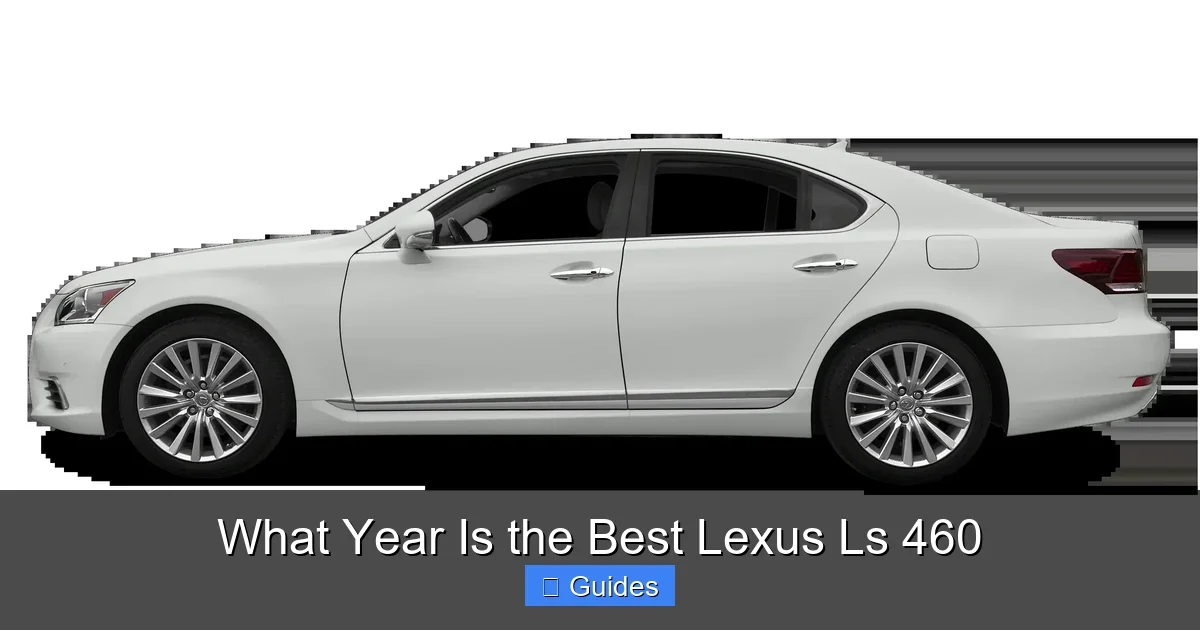
The Lexus LS 460 launched in 2006 as a 2007 model, replacing the LS 430 and marking a bold step forward for Toyota’s luxury division. It was built on the N platform and introduced a new 4.6-liter V8 engine, producing 380 horsepower and 367 lb-ft of torque. This powertrain was paired with an 8-speed automatic transmission, a rarity at the time, offering both smooth shifts and impressive fuel efficiency.
Visual guide about What Year Is the Best Lexus Ls 460
Image source: platform.cstatic-images.com
The First Generation (2007–2012)
The initial run of the LS 460 set a high bar for luxury. It featured a sleek, aerodynamic design, a whisper-quiet cabin, and a suspension system that absorbed road imperfections like a magic carpet. Inside, buyers were treated to hand-stitched leather, real wood trim, and a dual-screen infotainment system. The car also introduced Lexus’s first adaptive cruise control and lane departure warning systems.
However, the early years weren’t without flaws. Some 2007–2009 models experienced issues with the air suspension, particularly in colder climates, where components could fail prematurely. There were also occasional complaints about the infotainment system being slow or glitchy. Despite these hiccups, the LS 460 earned praise for its reliability compared to German competitors like the BMW 7 Series and Mercedes S-Class.
The Mid-Cycle Refresh (2013–2017)
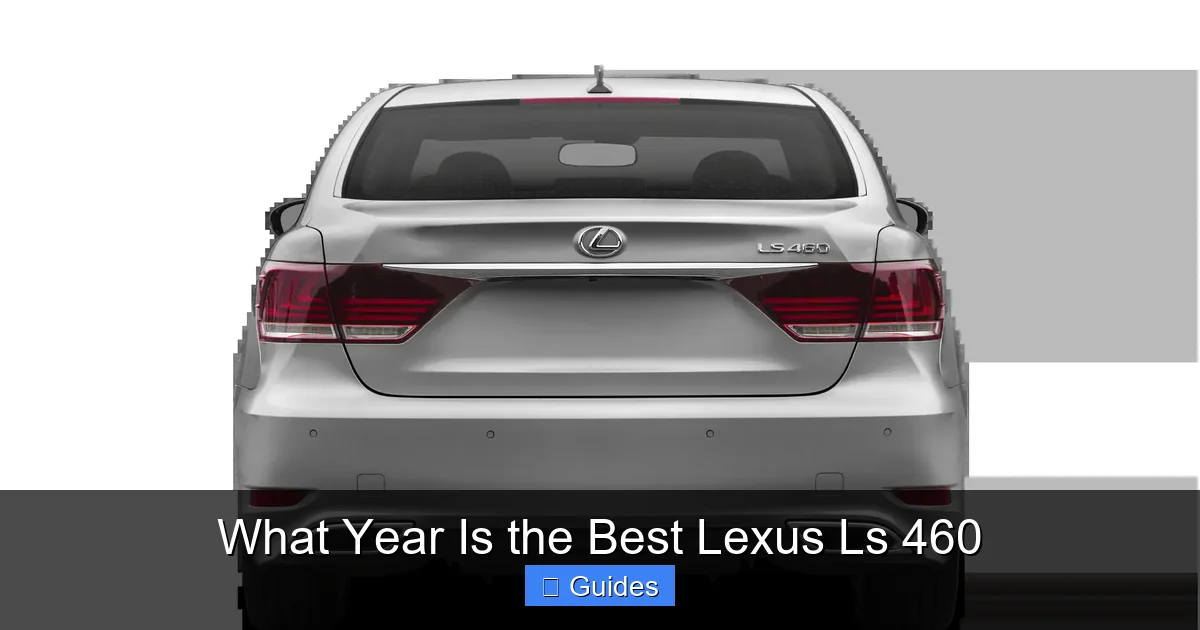
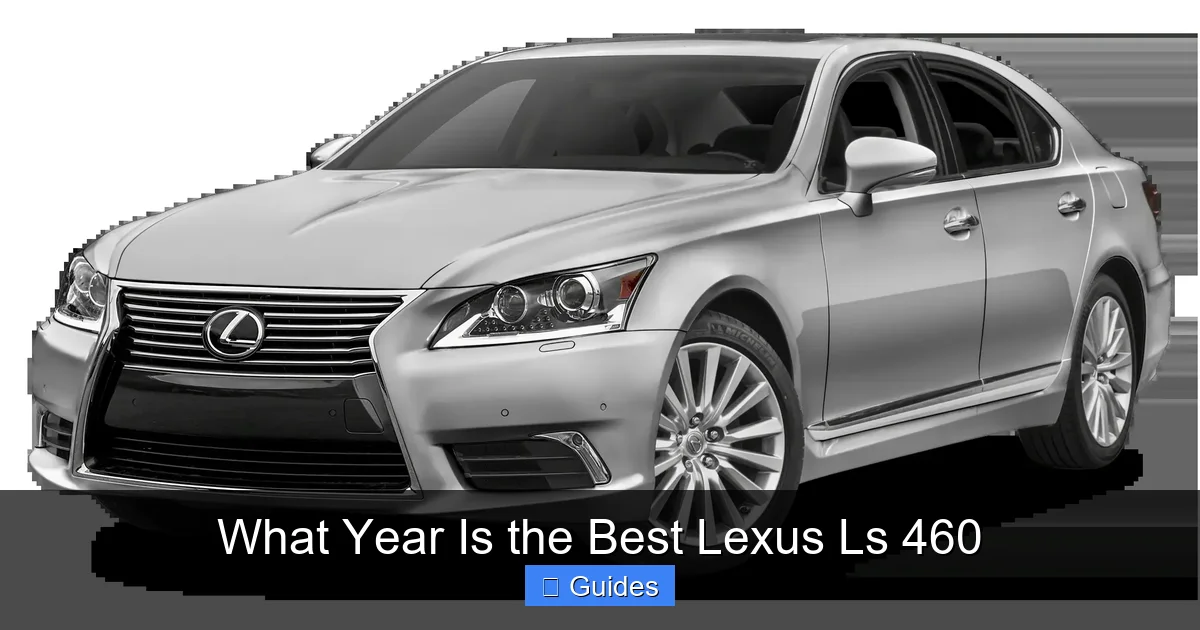
In 2013, Lexus gave the LS 460 a comprehensive refresh—both inside and out. The exterior received a bold new spindle grille, updated headlights with LED accents, and a more aggressive front fascia. The rear end was also redesigned with sleeker taillights and a revised bumper. These changes gave the LS 460 a more modern and confident appearance, aligning it with Lexus’s evolving design language.
Under the hood, the engine remained the same, but the transmission and suspension were fine-tuned for better responsiveness. The interior saw the biggest upgrades: a new 12.3-inch infotainment screen, improved navigation, and enhanced voice recognition. Safety tech also took a leap forward, with the addition of blind-spot monitoring, rear cross-traffic alert, and a pre-collision system. These updates made the 2013 and newer models significantly more appealing to tech-savvy buyers.
Performance and Engine Reliability
At the heart of every LS 460 is the 1UR-FE 4.6-liter V8 engine. This powerplant is renowned for its smoothness, durability, and surprisingly good fuel economy. With 380 horsepower and 367 lb-ft of torque, it delivers effortless acceleration, whether you’re merging onto a highway or cruising through city traffic. The 8-speed automatic transmission shifts seamlessly, and the all-wheel-drive option (available in most trims) adds confidence in wet or snowy conditions.
Visual guide about What Year Is the Best Lexus Ls 460
Image source: platform.cstatic-images.com
Real-World Driving Experience
Driving the LS 460 feels like being chauffeured in a private jet. The suspension—especially with the optional air suspension—damps out bumps and potholes with ease. Road noise is virtually nonexistent, thanks to extensive sound insulation and acoustic glass. Even at highway speeds, conversations happen at normal volume, and music sounds crisp and clear.
While the LS 460 isn’t built for track days, it handles corners with surprising grace for a large sedan. The steering is light and precise, and the car feels planted even during quick lane changes. For buyers who prioritize comfort over sportiness, the LS 460 is hard to beat.
Reliability and Common Issues
One of the LS 460’s strongest selling points is its reliability. According to Consumer Reports and J.D. Power, the LS 460 consistently ranks among the most dependable luxury sedans. The V8 engine is known to last well beyond 200,000 miles with regular maintenance. Oil changes every 5,000–7,500 miles, timely spark plug replacements, and using high-quality synthetic oil are key to longevity.
That said, not all years are equal. Early models (2007–2009) had a higher incidence of air suspension failures, especially in regions with harsh winters. The air compressor or air struts could wear out, leading to a sagging rear end or a warning light on the dashboard. Replacing these parts can cost $1,500–$2,500, so it’s wise to have the suspension inspected before buying an older model.
Other minor issues include occasional glitches in the infotainment system, particularly in pre-2013 models. Some owners reported slow response times or frozen screens, though these were rarely deal-breakers. The 2013 refresh addressed many of these concerns with updated software and hardware.
Interior Comfort and Technology
Step inside the LS 460, and you’re greeted by a cabin that feels more like a first-class lounge than a car interior. The materials are top-tier: soft-touch plastics, genuine leather, and real wood or aluminum trim depending on the trim level. Even the base model feels premium, but higher trims like the LS 460 L (long-wheelbase) or F Sport add even more luxury.
Visual guide about What Year Is the Best Lexus Ls 460
Image source: platform.cstatic-images.com
Seating and Space
The front seats are wide, supportive, and available with heating, cooling, and massage functions. In the long-wheelbase version, rear passengers enjoy limousine-like legroom, with optional power-reclining seats, footrests, and individual climate controls. It’s the kind of space that makes road trips feel effortless.
Even in the standard wheelbase, the LS 460 offers more rear legroom than most competitors. The seats are deeply cushioned, and the ride quality ensures that even the back seat feels like a VIP experience.
Infotainment and Connectivity
The infotainment system evolved significantly over the LS 460’s lifespan. Early models used a dual-screen setup with a small central display and a larger navigation screen. While functional, it felt dated compared to rivals.
The 2013 refresh introduced a single 12.3-inch high-resolution screen controlled by a touchpad on the center console. It supports Bluetooth, USB, and smartphone integration (Apple CarPlay and Android Auto were not available, but later models added them via software updates). The system is intuitive, with clear menus and responsive controls.
For audiophiles, the optional Mark Levinson surround sound system is a must. With 19 speakers and 450 watts of power, it delivers concert-hall-quality audio. Whether you’re listening to classical music or hip-hop, the sound is rich, detailed, and immersive.
Climate Control and Air Quality
The LS 460 features a four-zone automatic climate control system, allowing each passenger to set their ideal temperature. The system includes an air purifier and deodorizer, which helps remove allergens and odors—especially useful for drivers with sensitivities.
In later models, Lexus added a “nanoe” air purification system, which releases charged particles to reduce bacteria and mold. It’s a small touch, but it adds to the sense of cleanliness and care that defines the LS experience.
Safety and Driver Assistance Features
Safety has always been a priority for Lexus, and the LS 460 reflects that commitment. Over the years, the car has earned top ratings from the IIHS and NHTSA, thanks to its robust construction and advanced safety tech.
Standard and Available Safety Tech
Even the earliest LS 460 models came with a full suite of airbags, stability control, and anti-lock brakes. As the years progressed, Lexus added more driver assistance features:
- Adaptive Cruise Control (2007+): Maintains a set distance from the car ahead, slowing or accelerating automatically.
- Lane Departure Warning (2007+): Alerts you if you drift out of your lane without signaling.
- Blind-Spot Monitoring (2013+): Uses sensors to detect vehicles in your blind spot and alerts you with a light on the side mirror.
- Rear Cross-Traffic Alert (2013+): Warns you of approaching traffic when backing out of a parking spot.
- Pre-Collision System (2013+): Detects potential collisions and can automatically apply the brakes.
These features made the LS 460 one of the safest luxury sedans of its era. The 2013 and newer models, in particular, offer a near-complete suite of modern driver aids, rivaling even today’s entry-level luxury cars.
Real-World Safety Performance
In crash tests, the LS 460 consistently earned “Good” ratings across all categories. Its high-strength steel frame and crumple zones help protect occupants in the event of a collision. Owners also praise the car’s visibility, with large windows and well-placed mirrors making it easy to see around the vehicle.
While the LS 460 doesn’t have the semi-autonomous capabilities of newer models like the LS 500, its safety systems are reliable and effective. For buyers who value peace of mind, the 2013–2017 models offer the best balance of safety and value.
Ownership Costs and Value Retention
One of the biggest advantages of the LS 460 is its affordability compared to German luxury sedans. While a new BMW 7 Series or Mercedes S-Class can cost $90,000+, a well-maintained used LS 460 can be found for $20,000–$35,000, depending on year and mileage.
Depreciation and Resale Value
The LS 460 holds its value better than most luxury cars. According to Kelley Blue Book, a 2013 LS 460 with average mileage retains about 45–50% of its original value after five years. That’s impressive for a car in this class.
Depreciation is steepest in the first three years, so buying a 3–5-year-old model offers the best value. The 2012–2014 range is particularly attractive, as these cars have already taken the biggest depreciation hit but still offer modern features and strong reliability.
Maintenance and Repair Costs
Routine maintenance on the LS 460 is straightforward and affordable. Oil changes cost $80–$120, and major services (like timing belt replacements) are needed every 90,000–100,000 miles. The V8 engine is durable, and parts are widely available.
However, some components can be pricey. Air suspension repairs, as mentioned earlier, can run into the thousands. Similarly, replacing the infotainment screen or Mark Levinson amplifier can cost $1,000+. That’s why it’s important to get a pre-purchase inspection from a trusted mechanic.
Insurance costs are moderate for a luxury sedan. Expect to pay $1,200–$1,800 per year, depending on your location and driving history. Fuel economy is respectable for a V8: around 16 mpg city and 24 mpg highway.
Which Year Is the Best Lexus LS 460?
After weighing performance, reliability, technology, and value, the 2013 Lexus LS 460 emerges as the best overall choice. It benefits from the major mid-cycle refresh, which brought updated styling, a better infotainment system, and enhanced safety features. It also avoids the early-model issues that plagued 2007–2009 versions.
Why 2013 Stands Out
- Refreshed Design: The new spindle grille and LED lighting give it a modern, upscale look.
- Improved Tech: The 12.3-inch screen and updated software make it more user-friendly.
- Better Safety: Blind-spot monitoring, rear cross-traffic alert, and pre-collision systems come standard.
- Proven Reliability: By 2013, Lexus had ironed out most of the early quirks.
- Strong Resale: It holds value well and is widely available in the used market.
That said, the 2012 and 2014 models are also excellent choices. The 2012 offers many of the same features as the 2013 at a slightly lower price, while the 2014 includes minor tech updates and improved fuel economy. The 2015–2017 models are even more refined but come at a higher cost.
If budget is a concern, a well-maintained 2010 or 2011 model can still be a great buy—just be sure to check the air suspension and service history.
Tips for Buying a Used Lexus LS 460
Buying a used luxury car requires diligence, but the LS 460 is one of the safer bets in the segment. Here are some tips to help you find the right one:
Get a Pre-Purchase Inspection
Always have the car inspected by a mechanic familiar with Lexus vehicles. They can check the air suspension, transmission, and engine for hidden issues.
Check the Service History
Look for records of regular oil changes, timing belt replacements, and any major repairs. A well-documented history is a good sign.
Test Drive in Different Conditions
Drive the car on highways, city streets, and rough roads to assess ride quality, noise levels, and handling.
Verify All Features Work
Test the infotainment system, climate controls, seat functions, and safety features. Make sure the air suspension doesn’t sag or make unusual noises.
Consider Certified Pre-Owned (CPO)
Lexus CPO vehicles come with extended warranties and thorough inspections. They cost more but offer extra peace of mind.
Conclusion: The LS 460 Is a Timeless Luxury Choice
The Lexus LS 460 may not have the flash of a supercar or the cutting-edge tech of a Tesla, but it delivers something rarer: consistent excellence. It’s a car that prioritizes comfort, reliability, and refinement over trends. Whether you’re commuting to work or taking a cross-country trip, the LS 460 makes every mile feel effortless.
So, what year is the best Lexus LS 460? For most buyers, the answer is 2013. It strikes the perfect balance between modern features, proven reliability, and strong value. But even older or newer models can be great choices with the right care and attention. If you’re looking for a luxury sedan that won’t let you down, the LS 460 remains one of the smartest investments you can make.
Frequently Asked Questions
Is the Lexus LS 460 reliable?
Yes, the LS 460 is highly reliable, especially models from 2010 and later. The V8 engine and 8-speed transmission are known for longevity, often exceeding 200,000 miles with proper maintenance.
What are common problems with the LS 460?
Early models (2007–2009) may have air suspension issues, especially in cold climates. Some owners also report infotainment glitches, but these were largely resolved in the 2013 refresh.
Does the LS 460 have Apple CarPlay?
No, Apple CarPlay and Android Auto were not available in the LS 460. However, later models support smartphone integration via Bluetooth and USB.
Is the LS 460 expensive to maintain?
Maintenance costs are reasonable for a luxury sedan. Routine services are affordable, but air suspension or infotainment repairs can be costly if issues arise.
What’s the best trim level for the LS 460?
The LS 460 L (long-wheelbase) offers the most luxury, with extra rear legroom and premium features. The F Sport trim adds sportier styling and suspension tuning.
How does the LS 460 compare to the BMW 7 Series?
The LS 460 is more reliable and comfortable, while the 7 Series offers sharper handling and more advanced tech. The LS is better for long-term ownership and lower running costs.

At CarLegit, we believe information should be clear, factual, and genuinely helpful. That’s why every guide, review, and update on our website is created with care, research, and a strong focus on user experience.