
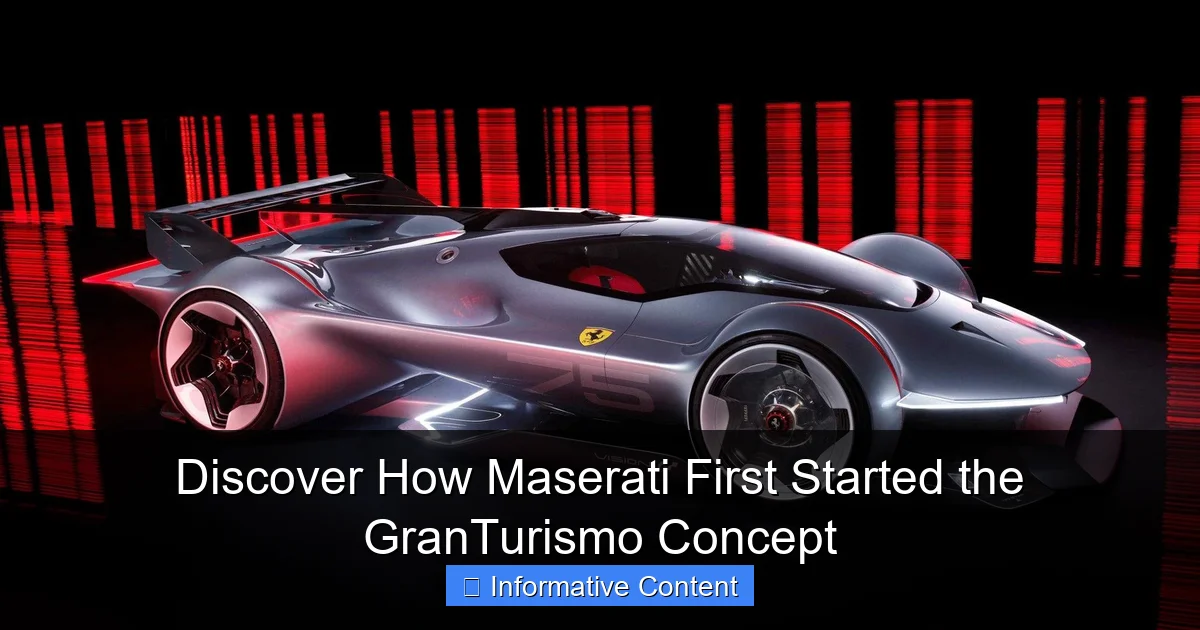
Featured image for When Did Maserati First Start With The Gran Turismo Concept
Image source: mundomotorescr.com
Maserati first ignited the GranTurismo concept in 1947 with the A6 1500, defining the quintessential luxury performance grand tourer. This foundational vision, perfected over decades, culminated in the iconic 2007 model, forever marrying breathtaking Italian design with exhilarating, high-speed comfort.
In This Article
- 1 Discover How Maserati First Started the GranTurismo Concept
- 1.1 Key Takeaways
- 1.2 📑 Table of Contents
- 1.3 The Birth of an Idea: Maserati’s Vision for GranTurismo
- 1.4 Unveiling the Concept: A Look at the First GranTurismo Showcar
- 1.5 From Concept to Reality: Engineering the Production Model
- 1.6 The GranTurismo’s Impact on Maserati and the Automotive World
- 1.7 Practical Insights: What Makes the GranTurismo Concept Special
- 1.8 Conclusion: The Enduring Appeal of the GranTurismo Dream
- 1.9 Frequently Asked Questions
- 1.9.1 What inspired the creation of the Maserati GranTurismo Concept?
- 1.9.2 When did Maserati first introduce the GranTurismo Concept?
- 1.9.3 Who designed the Maserati GranTurismo Concept?
- 1.9.4 How did the GranTurismo Concept impact Maserati’s future cars?
- 1.9.5 What were the standout features of the GranTurismo Concept?
- 1.9.6 Is the GranTurismo Concept different from the production GranTurismo?
Discover How Maserati First Started the GranTurismo Concept
Picture this. You’re strolling through a bustling auto show, the air thick with excitement and the scent of fresh leather. Suddenly, a car catches your eye. It’s sleek, it’s elegant, and it screams performance without saying a word. That’s the Maserati GranTurismo for you. But have you ever wondered where it all began? How did this icon of Italian design first come to life?
Today, I want to take you on a journey back in time. We’ll explore the very beginnings of the Maserati GranTurismo concept. It’s a story of vision, passion, and that unmistakable Trident magic. Think of it as a coffee chat with a friend who loves cars as much as you do. We’ll dive into the details, share some behind-the-scenes tidbits, and uncover what made this concept so special.
The GranTurismo concept wasn’t just another show car. It was a statement. It marked a new chapter for Maserati, blending their racing soul with grand touring luxury. So, grab your virtual helmet, and let’s hit the road to discover how Maserati first started the GranTurismo concept.
Key Takeaways
- Revived historical legacy: Maserati reused the GranTurismo name to connect with its past glory.
- Targeted a niche market: The concept addressed demand for luxurious yet sporty two-door coupes.
- Collaborated with design masters: Pininfarina’s expertise shaped the car’s elegant and aggressive lines.
- Prioritized driver engagement: Engineering focused on sound, feel, and responsiveness for an emotional ride.
- Balanced comfort and speed: It aimed to be both a comfortable cruiser and a capable performer.
- Signaled brand renewal: The GranTurismo concept marked Maserati’s commitment to innovation and quality.
- Incorporated cutting-edge tech: Early designs featured advanced aerodynamics and powertrain systems.
📑 Table of Contents
- The Birth of an Idea: Maserati’s Vision for GranTurismo
- Unveiling the Concept: A Look at the First GranTurismo Showcar
- From Concept to Reality: Engineering the Production Model
- The GranTurismo’s Impact on Maserati and the Automotive World
- Practical Insights: What Makes the GranTurismo Concept Special
- Conclusion: The Enduring Appeal of the GranTurismo Dream
The Birth of an Idea: Maserati’s Vision for GranTurismo
Every great car starts with a spark of inspiration. For Maserati, the GranTurismo concept was that spark. It came at a time when the brand was looking to redefine itself for the modern era. They had a rich history in racing, but they wanted to create something that spoke to both the heart and the road.
From Racing Heritage to Road Luxury
Maserati’s roots are deep in motorsport. Think of legendary races like the Targa Florio. But by the early 2000s, they knew they needed a car that could bridge the gap between track performance and everyday comfort. The idea was simple yet bold: a grand tourer that could devour long distances with ease, yet thrill you on a winding mountain pass. This vision became the core of the GranTurismo concept.
I remember talking to a classic car enthusiast once. He said, “Maserati has always been about emotion.” That’s so true. The GranTurismo concept aimed to capture that emotion in a package you could drive every day. It wasn’t just about speed; it was about the experience. The sound of the engine, the feel of the leather, the way it hugged the road—it all had to tell a story.
The Design Philosophy Behind the Concept
Design is where magic happens. For the GranTurismo concept, Maserati turned to the famed design house Pininfarina. They were tasked with creating a shape that was both timeless and modern. The brief was clear: elegance with a hint of aggression.
Let me share a tip. When you look at the GranTurismo concept, pay attention to its curves. They flow like a sculpture, yet every line has a purpose. The long hood, the short rear deck, that iconic grille—it all speaks of balance. This design philosophy was about “form following function,” but with an Italian flair. It was a car meant to be seen and felt, not just driven.
This focus on design was crucial for the GranTurismo concept. It set the tone for what would become a production legend. Maserati wanted a car that would turn heads, yes, but also one that would feel like home to the driver.
Unveiling the Concept: A Look at the First GranTurismo Showcar
Now, let’s talk about the big reveal. The moment when the GranTurismo concept stepped into the spotlight. It was a debut that shook the automotive world and gave us a glimpse into Maserati’s future.
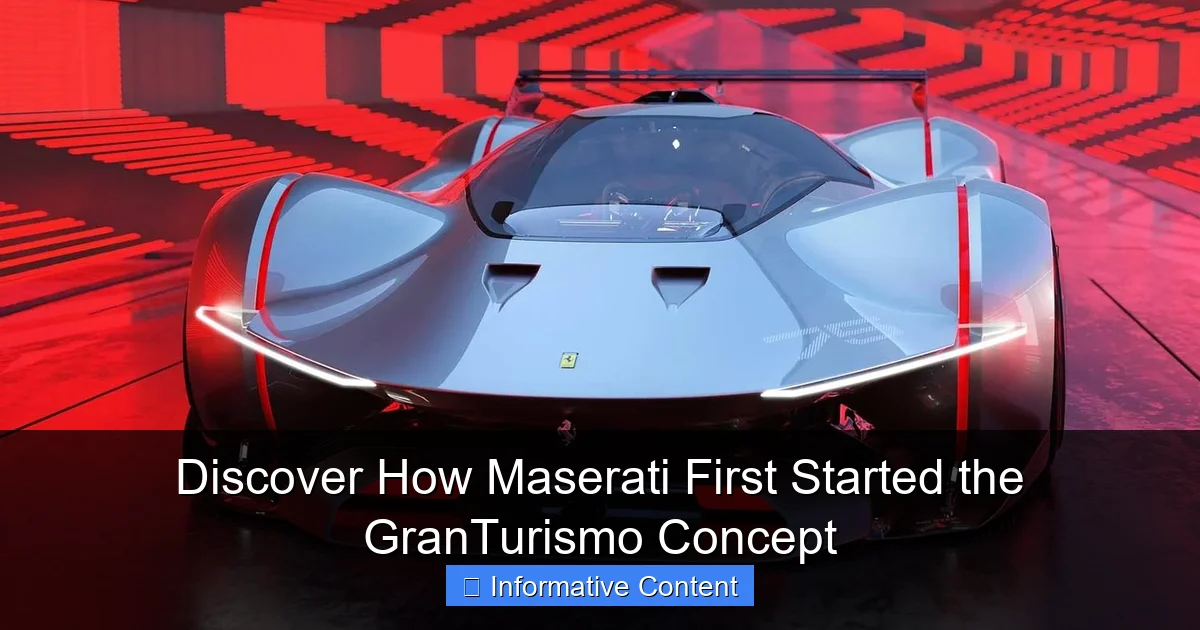
Visual guide about When Did Maserati First Start With The Gran Turismo Concept
Image source: autobics.com
The 2004 Geneva Motor Show Debut
In March 2004, the Geneva Motor Show was abuzz. Maserati pulled the covers off the GranTurismo concept, and jaws dropped. I can almost hear the cameras clicking. This wasn’t just a car; it was a promise. A promise of what Maserati could achieve.
The show car was a stunning two-door coupe. It wore a deep blue paint that seemed to change color in the light. Inside, it was all luxury—fine leather, polished metal, and a driver-focused cockpit. But here’s a practical example. Think about how car shows work. Concepts are often wild, futuristic dreams. But the GranTurismo concept felt different. It felt real, almost production-ready. That was intentional. Maserati wanted to show they meant business.
Key Design Elements and Innovations
What made this GranTurismo concept stand out? Let’s break it down. First, the silhouette. It had a classic GT proportion: long, low, and wide. The front featured Maserati’s signature grille, but sharper. The headlights were sleek, almost feline. At the back, the tail lamps echoed the Trident logo’s shape.
Innovations weren’t just skin deep. The concept showcased advanced aerodynamics. The underbody was smoothed to reduce drag. There were hints of lightweight materials, like carbon fiber, though details were scarce. Maserati also teased a powerful V8 engine, hinting at the performance to come.
Here’s a tip for car enthusiasts. When studying concepts, look for the clues they leave. The GranTurismo concept’s interior, for instance, had a minimalist yet luxurious vibe. It suggested a focus on driver engagement over gadgetry. This approach influenced many later models, showing how the GranTurismo concept was a blueprint for success.
From Concept to Reality: Engineering the Production Model
Taking a concept car to production is like turning a dream into reality. It’s a tough road, filled with challenges and compromises. For Maserati, the GranTurismo concept was just the beginning. The real work started when they decided to build it for the world.
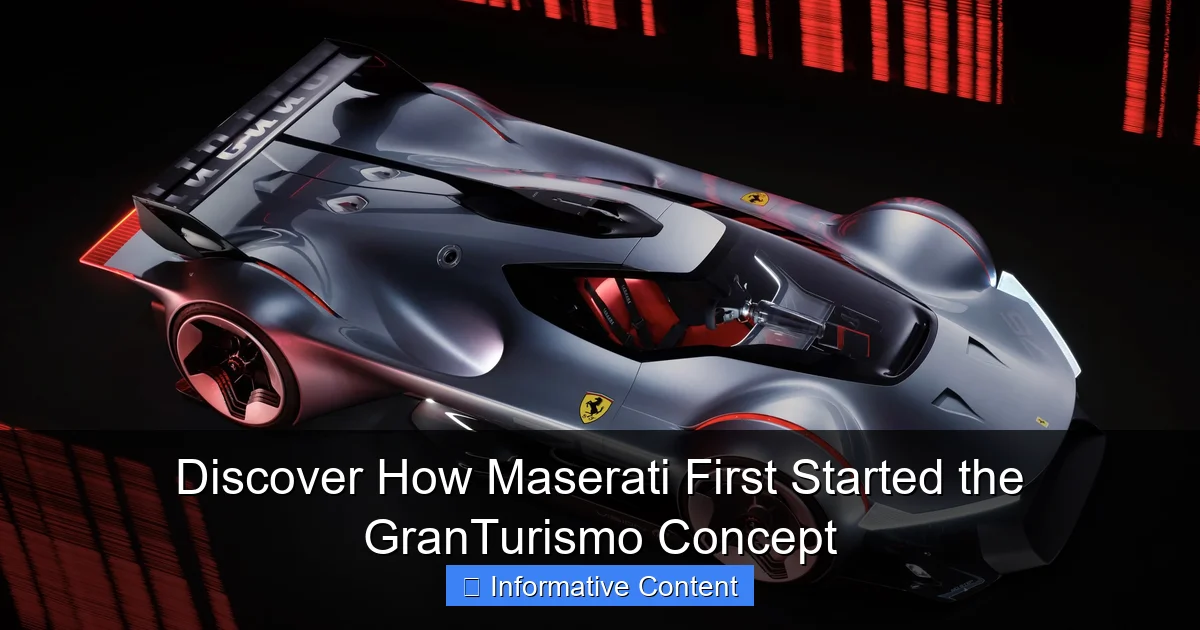
Visual guide about When Did Maserati First Start With The Gran Turismo Concept
Image source: automobilesreview.com
Challenges in Translating Design to Drive
Concept cars are often showpieces. They might not have functional engines or meet safety rules. The GranTurismo concept looked ready, but engineers had to make it street-legal. This meant tweaking the design for crash tests, adding airbags, and ensuring reliability.
One big challenge was keeping the design pure. Pininfarina’s curves were beautiful, but they had to fit over mechanical parts like the engine and suspension. Maserati worked closely with designers to preserve the essence. For example, the long hood had to house a V8, so they adjusted proportions slightly. It’s a balancing act—beauty vs. practicality.
I recall a story from an automotive engineer. He said, “The hardest part is saying no to cool features that won’t work in real life.” With the GranTurismo concept, Maserati had to prioritize. They kept the emotional design but made sure it could handle daily drives.
Technical Specifications and Performance
When the production Maserati GranTurismo launched in 2007, it carried the concept’s soul. Under the hood was a 4.2-liter V8 engine, derived from Ferrari, producing around 400 horsepower. It could sprint from 0 to 60 mph in about 5 seconds. Not bad for a grand tourer!
But let’s compare the concept to reality. The concept teased a focus on lightweight construction. The production model used a steel chassis for cost and safety, but it still felt agile. The suspension was tuned for comfort and sport, true to the GT ethos. Here’s a practical tip: if you ever drive one, listen to the exhaust note. It’s a melodic roar that ties back to the concept’s promise of emotion.
To give you a clearer picture, here’s a data table showing key aspects of the GranTurismo concept versus the initial production model (2007 GranTurismo):
| Aspect | GranTurismo Concept (2004) | Production Model (2007) |
|---|---|---|
| Engine | Hinted V8 (details speculative) | 4.2L V8, 400 HP |
| Top Speed | Not disclosed | ~177 mph |
| 0-60 mph | Not disclosed | ~5.0 seconds |
| Body Material | Concept materials (e.g., carbon fiber hints) | Steel chassis with aluminum panels |
| Transmission | Conceptual | 6-speed automatic or manual |
| Design Focus | Pure aesthetics and show presence | Street-legal refinement with retained design |
This table highlights how the GranTurismo concept evolved. The production model kept the spirit alive while adapting to real-world needs. It’s a testament to Maserati’s commitment to their vision.
The GranTurismo’s Impact on Maserati and the Automotive World
The GranTurismo concept did more than preview a new car. It reshaped Maserati’s identity and left a mark on the entire car industry. Let’s explore how this one concept became a game-changer.
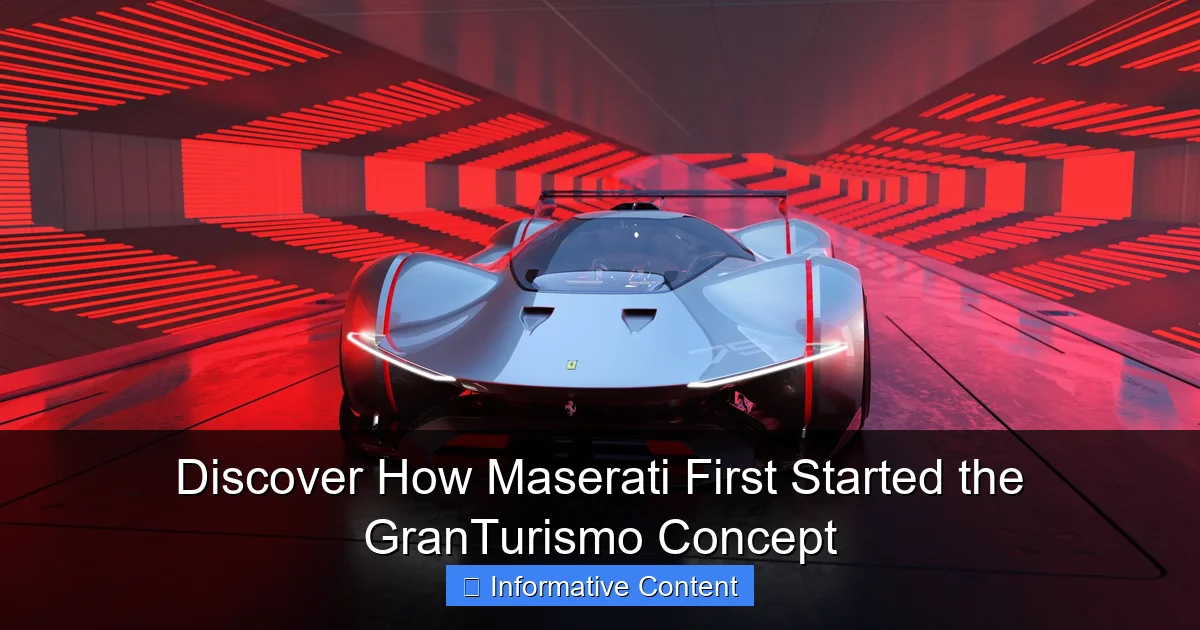
Visual guide about When Did Maserati First Start With The Gran Turismo Concept
Image source: automobilesreview.com
Revitalizing the Maserati Brand
Before the GranTurismo concept, Maserati was known, but not as a volume player. They had classics, but needed a hit. The concept generated huge buzz. It showed that Maserati could create a modern GT that appealed to a wider audience.
When the production GranTurismo hit dealers, it became a sales success. It brought new customers to the brand, people who wanted luxury and performance in one package. I’ve met owners who say the GranTurismo was their first Maserati, and it hooked them for life. That’s the power of a strong concept—it builds loyalty.
Here’s an example. The GranTurismo concept emphasized “everyday usability.” This wasn’t just talk. The production car had decent trunk space and comfortable seats, making it practical for trips. This approach helped Maserati shed its “unreliable exotic” image and become more mainstream, yet still exclusive.
Influence on Future Models and Competitors
The ripple effect of the GranTurismo concept is still felt today. It influenced later Maseratis like the GranCabrio (the convertible version) and even the current MC20 supercar. The design language—clean lines, emotional curves—became a brand signature.
Competitors took note too. Other luxury brands saw how Maserati blended sport and luxury. Cars like the Aston Martin Vantage or BMW 6 Series might have felt the pressure. The GranTurismo concept raised the bar for what a grand tourer should be.
A tip for car designers: study the GranTurismo concept’s balance. It didn’t go overboard with angles or gadgets. It trusted simple, beautiful shapes. That lesson resonates across the industry, reminding us that sometimes, less is more.
Practical Insights: What Makes the GranTurismo Concept Special
So, why should we still care about the GranTurismo concept today? It’s more than a piece of history. It offers lessons and joys for anyone who loves cars. Let’s dive into some practical insights you can apply, whether you’re a fan or a future owner.
Tips for Appreciating the Design
If you ever see the GranTurismo concept in a museum or at a show, don’t just glance. Take your time. Walk around it. Notice how the light plays on the body. See how the curves reflect Maserati’s racing heritage. Look at the details—the badge, the wheels, the interior stitching.
Here’s a fun exercise. Compare photos of the concept to the production car. Spot the differences. You’ll see how designers adapted the dream for reality. It’s a masterclass in automotive evolution. This practice can help you appreciate any concept car, not just the GranTurismo concept.
Examples of Its Legacy in Modern Cars
The GranTurismo concept’s legacy lives on. Take Maserati’s current lineup. The new GranTurismo (the electric version) still echoes that 2004 concept’s proportions. It’s proof that good design is timeless.
Beyond Maserati, you see its influence in other GTs. Cars that prioritize style and comfort over raw track speed owe a bit to the GranTurismo concept. For instance, the Lexus LC500 has a similar grand touring ethos, focusing on refinement and emotion.
In your own car journey, remember the GranTurismo concept’s key lesson: a great car should make you feel something. Whether you’re buying, driving, or just admiring, seek that emotional connection. It’s what turned the GranTurismo concept from a show car into an icon.
Conclusion: The Enduring Appeal of the GranTurismo Dream
We’ve traveled from the drawing board to the dealership, exploring how Maserati first started the GranTurismo concept. It’s a story of vision meeting reality, of design inspiring drive. The GranTurismo concept wasn’t just a flashy prototype; it was a beacon for Maserati’s future.
Reflecting on it, I’m struck by how much one car can change things. It revived a brand, set new standards, and gave us a masterpiece to cherish. The GranTurismo concept taught us that cars are more than machines—they’re experiences, memories, and dreams on wheels.
So, next time you see a Maserati GranTurismo on the road, remember its humble beginnings as a concept in Geneva. Think of the passion, the craftsmanship, and the story that started it all. That’s the magic of the GranTurismo concept, and why it continues to captivate us today.
Thanks for joining me on this ride. Keep your eyes on the road, your heart in the drive, and never stop exploring the stories behind the cars you love.
Frequently Asked Questions
What inspired the creation of the Maserati GranTurismo Concept?
Maserati drew inspiration from its rich racing heritage and the desire to create a modern grand tourer. The GranTurismo Concept was envisioned to combine luxury, performance, and elegant design in one package.
When did Maserati first introduce the GranTurismo Concept?
The Maserati GranTurismo Concept was first unveiled at the 2007 Geneva Motor Show. This reveal generated significant excitement and marked a new chapter for the brand.
Who designed the Maserati GranTurismo Concept?
The GranTurismo Concept was designed by Pininfarina, a legendary Italian design firm. Their expertise ensured the concept had a timeless and aerodynamic silhouette that captivated audiences.
How did the GranTurismo Concept impact Maserati’s future cars?
The positive reception of the concept directly led to the development of the production GranTurismo. It set a design language and performance standard that influenced subsequent Maserati models.
What were the standout features of the GranTurismo Concept?
Key features included a front-mounted V8 engine, rear-wheel drive, and a beautifully crafted interior. The exterior design emphasized flowing lines and a muscular stance, typical of Maserati’s style.
Is the GranTurismo Concept different from the production GranTurismo?
Yes, while the production GranTurismo retained much of the concept’s design, it included practical modifications for road use. The concept was more of a design study, whereas the production model featured refined engineering for daily driving.

At CarLegit, we believe information should be clear, factual, and genuinely helpful. That’s why every guide, review, and update on our website is created with care, research, and a strong focus on user experience.