
Finding the battery in a 2001 Buick LeSabre is straightforward once you know where to look. Unlike some modern vehicles that hide the battery under seats or in trunks, this classic sedan keeps it in a traditional, accessible spot under the hood. With a few simple steps, you can safely access, inspect, or replace the battery yourself.
In This Article
- 1 Key Takeaways
- 2 📑 Table of Contents
- 3 Introduction: Why Knowing Your Battery Location Matters
- 4 Where Is the Battery in a 2001 Buick LeSabre?
- 5 Step-by-Step Guide to Accessing the Battery
- 6 Battery Specifications and Replacement Options
- 7 Safety Tips and Best Practices
- 8 Common Issues and Troubleshooting
- 9 Conclusion: Simple Access, Reliable Performance
- 10 Frequently Asked Questions
- 10.1 Where exactly is the battery located in a 2001 Buick LeSabre?
- 10.2 What size battery does a 2001 Buick LeSabre use?
- 10.3 Can I replace the battery myself?
- 10.4 Do I need to disconnect the battery when working on the car?
- 10.5 How often should I replace the battery in my 2001 LeSabre?
- 10.6 Is the battery in the trunk of a 2001 Buick LeSabre?
Key Takeaways
- Location: The battery in a 2001 Buick LeSabre is located in the engine compartment on the driver’s side, near the front of the vehicle.
- Easy Access: No special tools or disassembly are required—just open the hood and look toward the left front corner.
- Standard Size: The battery is a Group 75 size, commonly available at auto parts stores and compatible with many GM vehicles.
- Maintenance Tips: Regularly check terminals for corrosion and ensure connections are tight to prevent starting issues.
- Replacement Time: Most people can replace the battery in under 30 minutes with basic hand tools.
- Safety First: Always disconnect the negative terminal first and reconnect it last to avoid electrical shorts.
- Trunk Battery Myth: Despite rumors, the 2001 LeSabre does not have a trunk-mounted battery—it’s firmly under the hood.
📑 Table of Contents
- Introduction: Why Knowing Your Battery Location Matters
- Where Is the Battery in a 2001 Buick LeSabre?
- Step-by-Step Guide to Accessing the Battery
- Battery Specifications and Replacement Options
- Safety Tips and Best Practices
- Common Issues and Troubleshooting
- Conclusion: Simple Access, Reliable Performance
Introduction: Why Knowing Your Battery Location Matters
Owning a car means being prepared for the unexpected—especially when it comes to something as essential as the battery. Whether you’re jump-starting a dead battery, replacing an old one, or simply performing routine maintenance, knowing exactly where your battery is located can save you time, frustration, and even a trip to the mechanic. For owners of the 2001 Buick LeSabre, this knowledge is particularly important because this model blends classic American sedan design with practical engineering that makes DIY maintenance surprisingly accessible.
The 2001 Buick LeSabre is a full-size, front-wheel-drive sedan that was part of Buick’s long-standing tradition of comfort and reliability. While it may not have the flashy tech of newer vehicles, it’s built with simplicity and durability in mind. One of the areas where this shows is in the placement of the battery. Unlike some modern cars that tuck the battery under the rear seat, inside the trunk, or behind interior panels—requiring partial disassembly to access—the LeSabre keeps things straightforward. This makes it an excellent choice for DIYers who want to handle basic repairs without needing specialized tools or a mechanic’s expertise.
Where Is the Battery in a 2001 Buick LeSabre?
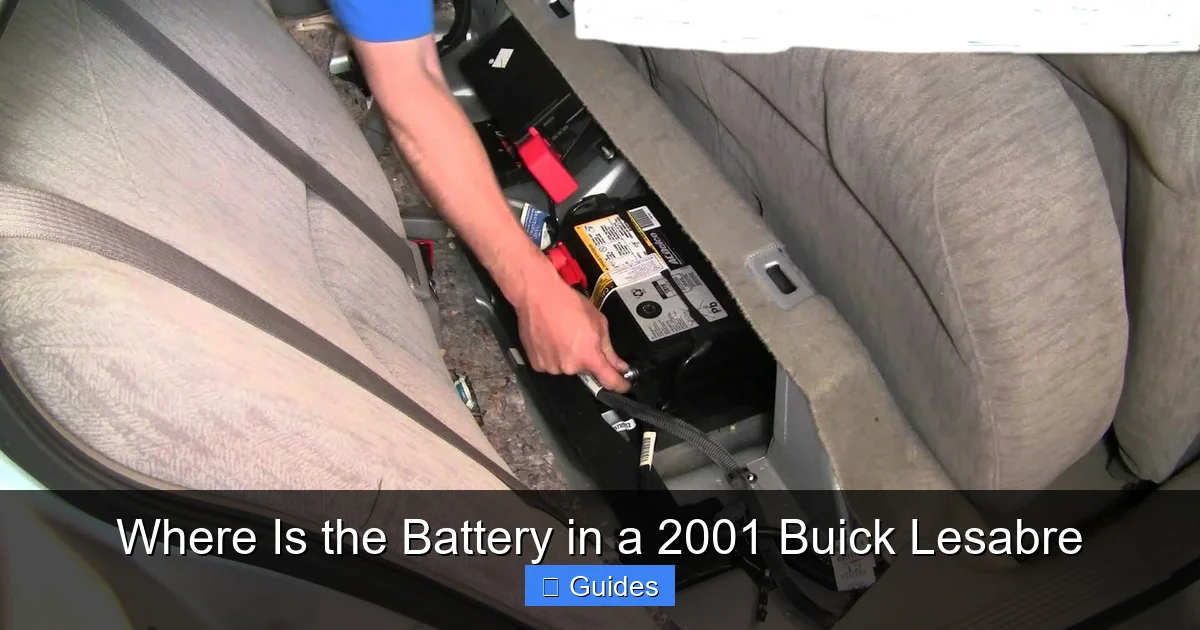
The battery in a 2001 Buick LeSabre is located in the engine compartment, specifically on the driver’s side near the front of the vehicle. Once you open the hood, you’ll see it positioned toward the left (driver’s) side, close to the radiator support and firewall. It sits in a plastic tray and is secured with a metal hold-down clamp. The battery is clearly visible and doesn’t require removing any covers or panels to access it.
Visual guide about Where Is the Battery in a 2001 Buick Lesabre
Image source: static.cargurus.com
This placement is consistent with most GM vehicles of that era, including other Buick, Chevrolet, and Oldsmobile models. The driver’s side location makes it easy to reach from the front of the engine bay, and the orientation of the terminals (positive on the right, negative on the left when facing the battery) is standard for easy identification. If you’ve worked on other early 2000s GM sedans, you’ll find the setup very familiar.
Visual Identification Tips
When you pop the hood, look for a rectangular black or dark gray box with two large terminals sticking out the top. The positive terminal is usually marked with a red cover or a “+” symbol, while the negative terminal has a black cover or a “–” marking. The battery itself may have a label indicating the brand (such as AC Delco, Optima, or Interstate) and the group size, which for the 2001 LeSabre is typically Group 75.
If you’re unsure, you can also check the battery tray—there’s often a label or stamp indicating the correct battery size. Additionally, the hold-down clamp is usually a metal bracket secured with one or two bolts. This clamp keeps the battery from shifting during driving and must be removed before you can lift the battery out.
Why It’s Not in the Trunk (Debunking the Myth)
Some car owners, especially those new to older GM models, mistakenly believe that the battery in a 2001 Buick LeSabre is located in the trunk. This myth may stem from certain European or luxury vehicles that place batteries in the rear for better weight distribution. However, the 2001 LeSabre follows traditional American sedan design, with all major components—engine, transmission, and battery—located under the hood.
There is no battery in the trunk of this model. Doing so would require extensive wiring runs and compromise accessibility for routine maintenance. Buick engineers prioritized ease of service, which is why the battery remains in its conventional front-left position. If you ever hear someone say the battery is in the trunk, they’re likely confusing the LeSabre with a different vehicle or a later model that may have different configurations.
Step-by-Step Guide to Accessing the Battery
Accessing the battery in a 2001 Buick LeSabre is a simple process that requires only basic tools and a few minutes of your time. Whether you’re replacing the battery, cleaning terminals, or jump-starting the car, these steps will guide you safely through the process.

Visual guide about Where Is the Battery in a 2001 Buick Lesabre
Image source: dygtyjqp7pi0m.cloudfront.net
Tools You’ll Need
- A 10mm socket wrench or combination wrench
- A battery terminal cleaner or wire brush (optional, for maintenance)
- Safety gloves and eye protection (recommended)
- A memory saver device (optional, to preserve radio settings)
Step 1: Open the Hood and Locate the Battery
Start by pulling the hood release lever inside the car, usually located under the dashboard on the driver’s side. Then, go to the front of the vehicle and lift the hood. Secure it with the prop rod. Once the hood is open, look toward the driver’s side front corner of the engine bay. You should see the battery immediately—it’s the large, rectangular box with two terminals.
Step 2: Disconnect the Negative Terminal First
Safety is critical when working with car batteries. Always disconnect the negative terminal first to prevent accidental short circuits. Use your 10mm wrench to loosen the nut on the negative terminal (marked with a “–” or black cover). Once loose, carefully wiggle the terminal clamp off the battery post. Tuck it aside so it doesn’t touch any metal parts of the car.
Pro Tip: If the terminal is stuck, gently rock it back and forth while pulling upward. Avoid using excessive force, as this can damage the terminal or battery post.
Step 3: Disconnect the Positive Terminal
Next, repeat the process with the positive terminal (marked with a “+” or red cover). Loosen the nut with your wrench and remove the clamp. Again, keep it away from any metal surfaces to prevent sparks.
Step 4: Remove the Hold-Down Clamp
Locate the metal hold-down clamp that secures the battery in place. It’s usually bolted to the battery tray with one or two 10mm bolts. Use your wrench to remove these bolts, then lift the clamp out of the way. Some models may have a plastic clip or bracket instead—simply unclip or unscrew it.
Step 5: Lift Out the Battery
With the terminals disconnected and the clamp removed, you can now lift the battery straight up and out of the tray. Car batteries are heavy—typically 30 to 50 pounds—so use proper lifting technique: bend your knees, keep your back straight, and lift with your legs. If the battery is old or leaking, wear gloves and place it in a plastic tray or on a non-conductive surface.
Step 6: Inspect and Clean (Optional)
While the battery is out, take a moment to inspect the tray for corrosion, debris, or damage. Clean the tray with a mixture of baking soda and water if there’s white powdery residue (a sign of acid leakage). Use a wire brush to clean the terminal clamps and posts before reinstalling.
Battery Specifications and Replacement Options
Knowing the correct battery specifications ensures you get a compatible replacement that fits properly and delivers reliable performance. The 2001 Buick LeSabre uses a Group 75 battery, which is a common size used in many GM vehicles from the late 1990s and early 2000s.
Visual guide about Where Is the Battery in a 2001 Buick Lesabre
Image source: 2040-parts.com
Group 75 Battery Details
A Group 75 battery measures approximately 9.5 inches long, 6.9 inches wide, and 7.5 inches tall. It features top-mounted terminals with the positive terminal on the right side (when facing the battery) and the negative on the left. This configuration matches the LeSabre’s battery tray and cable routing perfectly.
In terms of performance, the stock battery typically has a cold cranking amp (CCA) rating between 600 and 700, which is sufficient for most climates. However, if you live in a colder region, consider upgrading to a battery with a higher CCA rating (750 or more) for better cold-weather starting.
Recommended Battery Brands
Several reputable brands offer high-quality Group 75 batteries compatible with the 2001 LeSabre. These include:
- AC Delco: The original equipment manufacturer (OEM) for Buick, AC Delco batteries are designed specifically for GM vehicles and offer reliable performance.
- Interstate: Known for durability and long life, Interstate batteries are a popular aftermarket choice with excellent warranties.
- Optima: If you want premium performance, Optima’s RedTop or YellowTop AGM batteries offer superior vibration resistance and longer cycle life, though at a higher price point.
- Duralast (AutoZone): A budget-friendly option with solid performance and a good warranty.
When to Replace the Battery
Most car batteries last between 3 to 5 years, depending on climate, driving habits, and maintenance. Signs that your battery may need replacing include:
- Slow engine crank when starting
- Dim headlights or interior lights
- Check Engine or Battery warning light on the dashboard
- Swollen or bulging battery case
- Corrosion around terminals
- Age (if the battery is over 4 years old)
If you experience any of these symptoms, it’s a good idea to have the battery tested at an auto parts store. Many offer free battery testing and can confirm whether it’s time for a replacement.
Safety Tips and Best Practices
Working with car batteries involves risks, including electrical shock, acid burns, and fire. Following safety guidelines ensures you stay protected and avoid damaging your vehicle.
Always Disconnect Negative First
As mentioned earlier, always disconnect the negative terminal before the positive. This prevents accidental grounding of tools or metal objects, which can cause sparks or short circuits. When reconnecting, attach the positive terminal first, then the negative.
Wear Protective Gear
Battery acid is corrosive and can damage skin and eyes. Wear safety goggles and gloves when handling the battery. If acid gets on your skin, rinse immediately with plenty of water.
Avoid Open Flames and Sparks
Batteries emit hydrogen gas, which is highly flammable. Never smoke, use open flames, or create sparks near the battery. Work in a well-ventilated area and keep the battery away from heat sources.
Use a Memory Saver (Optional)
If you’re replacing the battery and want to preserve your radio presets, clock settings, and other electronic memory, consider using a memory saver device. These plug into the OBD-II port or cigarette lighter and draw power from a 9V battery to keep systems active during the swap.
Dispose of Old Batteries Properly
Car batteries contain lead and sulfuric acid, making them hazardous waste. Never throw them in the trash. Most auto parts stores and recycling centers accept old batteries for free recycling. Some even offer a small credit toward a new purchase.
Common Issues and Troubleshooting
Even with proper maintenance, battery-related problems can occur. Here are some common issues and how to address them.
Corroded Terminals
White or blue-green powder around the terminals indicates corrosion. This can prevent proper electrical contact and cause starting issues. Clean the terminals with a mixture of baking soda and water, then scrub with a wire brush. Apply a thin layer of petroleum jelly or terminal protector spray to prevent future buildup.
Loose or Damaged Cables
Over time, battery cables can loosen or fray. Check the connections regularly and tighten any loose clamps. If the cables are cracked or corroded, replace them to ensure a solid connection.
Battery Won’t Hold a Charge
If the battery dies frequently, it may be old or damaged. Have it tested at an auto parts store. If the test shows low voltage or poor capacity, replacement is likely needed. Also, check for parasitic drains—devices that draw power when the car is off, such as a faulty alarm system or interior light.
Difficulty Removing the Battery
If the battery is stuck due to corrosion or rust, gently wiggle it while lifting. Avoid prying with metal tools, as this can damage the tray or battery case. In extreme cases, a battery extraction tool or strap can help lift it safely.
Conclusion: Simple Access, Reliable Performance
The 2001 Buick LeSabre may not be the flashiest car on the road, but its thoughtful design makes routine maintenance—like battery access—surprisingly easy. With the battery located in a clear, accessible spot under the hood on the driver’s side, owners can perform inspections, cleanings, or replacements without hassle. Whether you’re a seasoned DIYer or a first-time car owner, knowing where the battery is and how to work with it empowers you to keep your LeSabre running smoothly for years to come.
By following the steps outlined in this guide, you can safely and confidently handle battery-related tasks. Remember to prioritize safety, use the right tools, and choose a quality replacement when needed. With a little care and attention, your 2001 Buick LeSabre will continue to deliver the comfort and reliability that made it a favorite among American sedan drivers.
Frequently Asked Questions
Where exactly is the battery located in a 2001 Buick LeSabre?
The battery is located in the engine compartment on the driver’s side, near the front of the vehicle. It’s clearly visible once you open the hood and doesn’t require removing any panels or covers.
What size battery does a 2001 Buick LeSabre use?
The 2001 Buick LeSabre uses a Group 75 battery, which is a standard size for many GM vehicles of that era. It features top-mounted terminals with the positive on the right and negative on the left.
Can I replace the battery myself?
Yes, replacing the battery is a straightforward DIY task. With basic tools like a 10mm wrench, you can disconnect the terminals, remove the hold-down clamp, and swap in a new battery in under 30 minutes.
Do I need to disconnect the battery when working on the car?
It’s recommended to disconnect the battery when performing electrical work to prevent short circuits or damage to sensitive components. Always disconnect the negative terminal first.
How often should I replace the battery in my 2001 LeSabre?
Most car batteries last 3 to 5 years. If your battery is over 4 years old or showing signs of weakness—like slow cranking or dim lights—it’s time to consider a replacement.
Is the battery in the trunk of a 2001 Buick LeSabre?
No, the battery is not in the trunk. Despite some misconceptions, the 2001 LeSabre has its battery under the hood on the driver’s side, consistent with traditional American sedan design.

At CarLegit, we believe information should be clear, factual, and genuinely helpful. That’s why every guide, review, and update on our website is created with care, research, and a strong focus on user experience.