
If you’ve noticed your Geico car insurance premium increasing, you’re not alone. Several factors—from driving habits to location changes—can cause rate hikes, even if you haven’t had an accident. Understanding these triggers helps you take control and possibly reduce your costs.
In This Article
- 1 Key Takeaways
- 2 📑 Table of Contents
- 3 Why Did My Car Insurance Go Up Geico? Understanding the Surprise Increase
- 4 Common Reasons Your Geico Premium Increased
- 5 External Factors Beyond Your Control
- 6 How Geico Calculates Your Premium
- 7 What You Can Do About a Rate Increase
- 8 When to Contact Geico About Your Rate Increase
- 9 Conclusion: Take Control of Your Car Insurance Costs
- 10 Frequently Asked Questions
- 10.1 Why did my Geico car insurance go up even though I have no accidents or tickets?
- 10.2 How often does Geico raise rates?
- 10.3 Can I lower my Geico premium after a rate increase?
- 10.4 Does my spouse’s driving record affect my Geico premium?
- 10.5 Will my rate go down if I fix my credit score?
- 10.6 Should I switch insurers if my Geico rate goes up?
Key Takeaways
- Rate increases are common and often unrelated to your driving record: Even safe drivers may see higher premiums due to external factors like inflation or regional claims trends.
- Your driving history plays a major role: Tickets, accidents, or even a single speeding violation can significantly impact your Geico rates.
- Credit score affects your premium in most states: Geico uses credit-based insurance scores to assess risk, so a drop in credit can mean higher costs.
- Vehicle type and usage matter: Driving a newer, high-value car or increasing your annual mileage can raise your insurance costs.
- Location changes can trigger rate adjustments: Moving to an area with higher traffic, theft, or accident rates often leads to increased premiums.
- Discounts may have expired or changed: Some Geico discounts are time-limited or based on usage, so losing one can increase your bill.
- You can take action to lower your rate: Review your policy, maintain good credit, drive safely, and ask about available discounts.
📑 Table of Contents
- Why Did My Car Insurance Go Up Geico? Understanding the Surprise Increase
- Common Reasons Your Geico Premium Increased
- External Factors Beyond Your Control
- How Geico Calculates Your Premium
- What You Can Do About a Rate Increase
- When to Contact Geico About Your Rate Increase
- Conclusion: Take Control of Your Car Insurance Costs
Why Did My Car Insurance Go Up Geico? Understanding the Surprise Increase
You just got your latest Geico bill—and your jaw dropped. The premium is higher than last time, even though you haven’t had an accident, gotten a ticket, or changed your car. What gives? If you’ve asked yourself, “Why did my car insurance go up Geico?” you’re not alone. Thousands of policyholders experience unexpected rate hikes each year, and while it can be frustrating, there are usually clear reasons behind the increase.
Car insurance isn’t a fixed cost like your Netflix subscription. It’s dynamic, meaning it changes based on a wide range of factors—some within your control, others not. Geico, like all insurers, uses complex algorithms to assess risk and set premiums. These algorithms consider everything from your driving behavior to national economic trends. So even if you’ve been a model driver, your rate might still go up due to factors outside your personal record.
The good news? Most rate increases aren’t arbitrary. Once you understand the why, you can take steps to manage or even reduce your premium. In this guide, we’ll break down the most common reasons your Geico car insurance went up, how to spot them, and what you can do about it. Whether you’re a long-time customer or new to Geico, this information will help you stay informed and in control of your insurance costs.
Common Reasons Your Geico Premium Increased
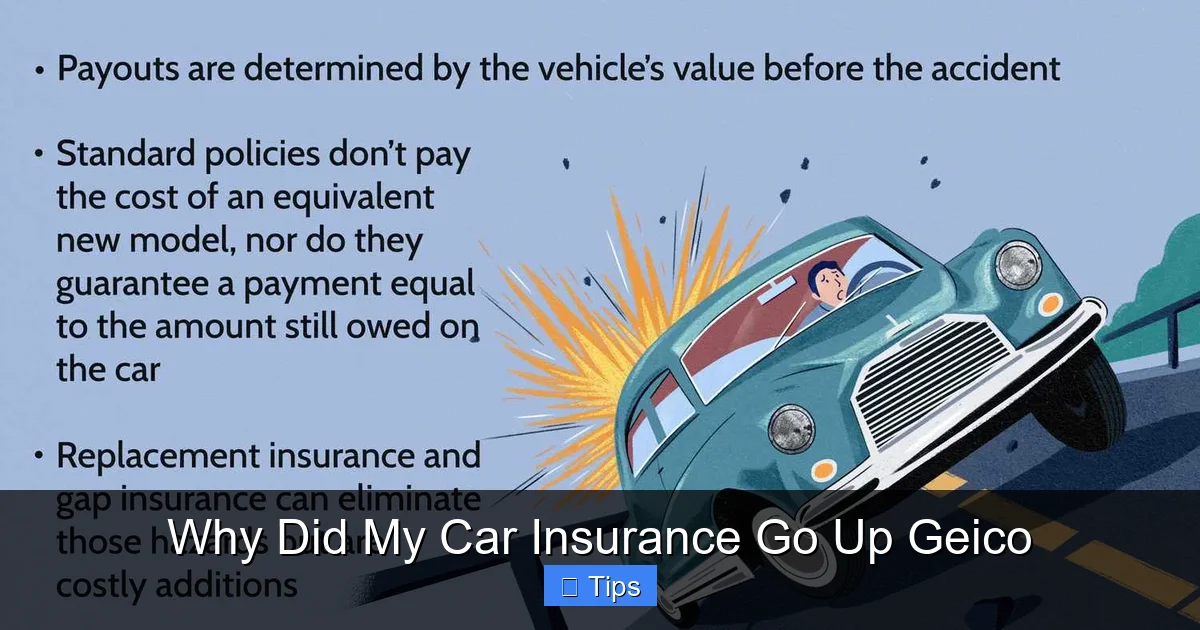
Visual guide about Why Did My Car Insurance Go Up Geico
Image source: carglassadvisor.com
There’s no single answer to “Why did my car insurance go up Geico?”—but there are several frequent culprits. Let’s explore the top reasons your premium might have jumped, starting with the most common.
Driving Record Changes
Your driving history is one of the biggest factors in determining your insurance rate. Even a single incident can trigger an increase. For example, if you recently received a speeding ticket or were involved in a fender bender, Geico may classify you as a higher-risk driver. This doesn’t just apply to major accidents—minor violations like running a red light or failing to yield can also impact your premium.
Let’s say you got a 15 mph over the limit ticket six months ago. You might not have thought much of it at the time, but insurers often review records annually or semi-annually. When Geico updates your risk profile, that ticket could now be factored into your rate. In some states, even at-fault accidents stay on your record for up to five years.
Another surprise? Your spouse or another household member’s driving record can affect your policy too—especially if they’re listed as a driver. So if your teen got their license and had a minor scrape in the driveway, that could indirectly raise your premium.
Credit Score Fluctuations
In most states (except California, Hawaii, and Massachusetts), Geico uses your credit-based insurance score to help determine your rate. This score is different from your regular credit score but is based on similar factors: payment history, credit utilization, length of credit history, and types of credit used.
If your credit score dropped—maybe due to a missed payment, maxed-out credit card, or new loan—your insurance premium could increase. Insurers believe that people with lower credit scores are more likely to file claims, so they charge them more to offset that perceived risk.
For example, imagine you recently financed a new laptop and your credit utilization jumped from 20% to 60%. Even if you’re still making payments on time, that change could lower your credit-based insurance score. When Geico recalculates your rate, you might see a noticeable bump.
The good news? Improving your credit can help lower your premium over time. Paying bills on time, reducing debt, and checking your credit report for errors are all smart moves.
Changes in Vehicle Usage or Type
Did you start driving more? Or maybe you traded in your old sedan for a brand-new SUV? Both changes can affect your Geico premium.
Mileage is a key factor. If you began working from home during the pandemic and now commute again, your annual mileage has likely increased. More time on the road means more exposure to risk, so insurers charge more. Geico may have updated your mileage estimate based on your renewal or a change in your driving habits.
Similarly, switching to a newer or more expensive vehicle can raise your premium. Newer cars cost more to repair or replace, and high-end models often come with advanced tech that’s costly to fix. Even if your new car is safer, the higher value means higher coverage costs.
For instance, upgrading from a 2015 Honda Civic to a 2023 Tesla Model 3 could increase your premium by hundreds of dollars per year—even if you’re the same safe driver. That’s because the Tesla has expensive parts, specialized repair needs, and a higher market value.
Location-Based Rate Adjustments
Where you live plays a huge role in your insurance rate. If you recently moved—even within the same state—your premium might go up. Urban areas with heavy traffic, higher crime rates, or frequent accidents typically have higher insurance costs than rural areas.
For example, moving from a small town in Ohio to downtown Chicago could significantly increase your Geico premium. Chicago has more traffic congestion, higher rates of vehicle theft, and more frequent accidents, all of which raise the risk for insurers.
Even if you didn’t move, your area might have seen an increase in claims. If there’s been a spike in accidents, vandalism, or natural disasters in your ZIP code, Geico may raise rates across the board to cover potential losses. This is called a “territorial rate adjustment,” and it affects everyone in that region—not just individuals with claims.
Expiration or Loss of Discounts
Geico offers a variety of discounts, from safe driver and multi-policy to good student and defensive driving course discounts. But some of these are time-limited or based on ongoing conditions. If you no longer qualify, your premium could go up.
For example, the good student discount typically applies only while you’re enrolled in school and maintaining a certain GPA. Once you graduate or your grades drop, that discount disappears. Similarly, if you completed a defensive driving course two years ago, the discount might have expired.
Another common discount is the low-mileage discount. If you previously qualified because you drove under 7,500 miles per year but now commute daily, you may no longer be eligible. When Geico updates your policy, that discount is removed, and your rate increases.
It’s also possible that a household member lost a discount. If your spouse had a clean driving record but recently got a ticket, their safe driver discount could be revoked—affecting the entire policy.
External Factors Beyond Your Control
Visual guide about Why Did My Car Insurance Go Up Geico
Image source: i.insider.com
Sometimes, your Geico premium goes up not because of anything you did—but because of broader trends affecting the entire insurance industry. These external factors can impact rates even for the most responsible drivers.
Inflation and Rising Repair Costs
Inflation affects nearly everything, including car insurance. As the cost of parts, labor, and medical care rises, so do insurance claims. For example, if a fender bender used to cost $2,000 to repair but now costs $3,500 due to parts shortages and higher labor rates, insurers have to charge more to cover those claims.
Geico adjusts its rates periodically to keep up with these rising costs. This means your premium might increase even if your personal risk hasn’t changed. It’s not personal—it’s economics.
Increased Frequency of Claims
If there’s been a rise in accidents, thefts, or weather-related damage in your area, Geico may raise rates to maintain profitability. For instance, after a major hailstorm or flood, claims surge. Insurers need to recoup those losses, so they spread the cost across policyholders.
Even if you didn’t file a claim, you might still see a rate hike. This is because insurers use pooled risk models—everyone contributes to cover the losses of a few. When overall claims go up, everyone’s premium may increase slightly.
Regulatory and Legal Changes
State laws and regulations can also impact insurance rates. For example, if your state passes a law requiring higher minimum coverage limits, your premium will likely go up to meet those new requirements.
Similarly, changes in liability laws or court rulings that increase payout amounts can lead to higher premiums. Insurers pass these costs on to consumers to stay financially stable.
How Geico Calculates Your Premium

Visual guide about Why Did My Car Insurance Go Up Geico
Image source: cardinalinsurancegroup.com
To truly understand why your Geico premium increased, it helps to know how the company calculates rates. Geico uses a combination of personal data, statistical models, and market trends to determine how much you pay.
Risk Assessment Models
Geico’s underwriting process relies on predictive modeling. The company analyzes millions of data points to estimate how likely you are to file a claim. Factors include your age, gender (in states where it’s allowed), driving record, credit score, vehicle type, and location.
For example, a 25-year-old male with a sports car and a speeding ticket will pay more than a 45-year-old female with a minivan and a clean record—even if they live in the same neighborhood. That’s because statistics show younger male drivers are more likely to be involved in accidents.
Usage-Based Insurance and Telematics
Geico offers programs like DriveEasy, which uses your smartphone to track your driving behavior. If you enroll, the app monitors things like speed, hard braking, and phone usage while driving. Safe drivers can earn discounts, but if your driving habits worsen, your rate could increase.
Even if you’re not enrolled, Geico may use aggregated telematics data to adjust regional rates. If drivers in your area are braking harder or speeding more, overall risk increases—and so do premiums.
Renewal and Reunderwriting
When your policy renews, Geico reevaluates your risk profile. This is when many rate changes happen. The company pulls updated data on your driving record, credit score, and claims history. If anything has changed—even slightly—it could affect your premium.
For example, if you had a clean record last year but got a parking ticket this year, that minor violation might not seem like a big deal. But during reunderwriting, Geico sees it and adjusts your rate accordingly.
What You Can Do About a Rate Increase
Finding out your Geico premium went up can be frustrating, but you’re not powerless. There are several steps you can take to understand, manage, or even reduce your rate.
Review Your Policy and Billing Statement
Start by carefully reviewing your renewal notice or billing statement. Geico usually explains any changes in a summary section. Look for notes about new violations, expired discounts, or updated mileage.
If something seems off—like a ticket you didn’t get or a discount that disappeared—contact Geico immediately. Mistakes happen, and they can often be corrected.
Ask About Available Discounts
Geico offers over a dozen discounts, and you might qualify for ones you’re not using. Call your agent or log into your account to see what’s available. Common discounts include:
– Multi-policy (bundling home and auto)
– Good student
– Defensive driving course
– Low mileage
– Anti-theft device
– Military or federal employee
Even small discounts can add up. For example, a 10% multi-policy discount on a $1,200 annual premium saves you $120 per year.
Improve Your Credit Score
Since credit affects your rate in most states, boosting your credit score can lower your premium. Focus on paying bills on time, keeping credit card balances low, and avoiding new debt.
Check your credit report annually at AnnualCreditReport.com to spot errors. If you find inaccuracies, dispute them with the credit bureau. A higher score won’t fix your rate overnight, but it can help at your next renewal.
Drive Safely and Avoid Violations
The best way to keep your rate low is to maintain a clean driving record. Obey speed limits, avoid distractions, and follow traffic laws. Even one ticket can increase your premium for years.
Consider taking a defensive driving course. Many states allow you to remove a ticket from your record or earn a discount. Geico often offers discounts for completing approved courses.
Adjust Your Coverage or Deductible
If your rate is too high, you might consider adjusting your coverage. For example, if you have an older car, you could drop collision or comprehensive coverage to save money. Just make sure you’re not underinsured.
You can also raise your deductible—the amount you pay out of pocket before insurance kicks in. A higher deductible means lower premiums, but be sure you can afford the out-of-pocket cost if you need to file a claim.
Shop Around and Compare Quotes
If Geico’s rate increase is too steep, it might be time to shop around. Get quotes from other insurers like State Farm, Progressive, or Allstate. You might find a better deal—especially if you’ve improved your credit or driving record.
But don’t cancel your Geico policy immediately. Let them know you’re considering other options. Sometimes, insurers will offer a retention discount to keep you as a customer.
When to Contact Geico About Your Rate Increase
If your premium went up and you’re unsure why, don’t stay in the dark. Contact Geico to get answers. Here’s when and how to reach out.
Right After You Receive the Notice
As soon as you see the increase, call Geico or message them through your online account. Ask for a detailed explanation of the rate change. A customer service rep can walk you through the factors that contributed.
If You Spot an Error
Mistakes happen. Maybe a ticket was reported incorrectly, or your mileage was overestimated. If you believe there’s an error, provide documentation—like a court dismissal or odometer reading—and ask for a correction.
Before Your Renewal Date
If you know your rate will increase at renewal, contact Geico a few weeks in advance. You might be able to lock in a lower rate by adjusting your policy or qualifying for a new discount.
When Considering Cancellation
If you’re thinking about switching insurers, talk to Geico first. They may offer a discount or adjust your policy to match a competitor’s quote. Many customers are surprised by the offers they receive when they express interest in leaving.
Conclusion: Take Control of Your Car Insurance Costs
So, why did your car insurance go up Geico? The answer is rarely simple, but it’s almost always explainable. Whether it’s a change in your driving record, a drop in credit score, a move to a new city, or broader economic trends, understanding the cause is the first step to managing your premium.
The key takeaway? You’re not at the mercy of your insurer. By staying informed, maintaining good habits, and taking advantage of discounts, you can keep your car insurance costs in check. Don’t wait for the next surprise bill—review your policy regularly, monitor your credit, and drive safely.
And if your rate does go up, don’t panic. Ask questions, explore your options, and remember that a higher premium today doesn’t have to mean higher costs forever. With the right approach, you can get back on the road to affordable coverage.
Frequently Asked Questions
Why did my Geico car insurance go up even though I have no accidents or tickets?
Your premium may have increased due to factors like inflation, rising repair costs, or changes in your credit score or location. Even safe drivers can see rate hikes because of external trends or expired discounts.
How often does Geico raise rates?
Geico typically reviews and adjusts rates at policy renewal, which is usually every six or twelve months. However, rates can also change mid-term if there’s a significant event like a move or new driver added.
Yes. You can ask about discounts, improve your credit score, take a defensive driving course, or adjust your coverage. Shopping around and comparing quotes may also help you find a better rate.
Yes, if your spouse is listed as a driver on your policy, their driving record can impact your premium—especially if they have accidents or violations.
Will my rate go down if I fix my credit score?
In most states, yes. A higher credit-based insurance score can lead to lower premiums over time. Improve your credit by paying bills on time and reducing debt.
Should I switch insurers if my Geico rate goes up?
Not necessarily. First, contact Geico to understand the increase and ask about discounts. If the rate is still too high, compare quotes from other insurers—but don’t cancel without exploring all options.

At CarLegit, we believe information should be clear, factual, and genuinely helpful. That’s why every guide, review, and update on our website is created with care, research, and a strong focus on user experience.