

If your camper smells like sewer, it’s usually due to trapped waste gases, dry P-traps, or a faulty plumbing vent. This guide breaks down the top causes and offers practical fixes so you can enjoy a fresh, odor-free RV experience on your next adventure.
In This Article
- 1 Key Takeaways
- 2 📑 Table of Contents
- 3 Why Does My Camper Smell Like Sewer? A Complete Guide to Solving the Stink
- 4 Understanding Your Camper’s Plumbing System
- 5 Common Causes of Sewer Smells in Campers
- 6 How to Diagnose the Source of the Smell
- 7 Step-by-Step Solutions to Eliminate Sewer Odors
- 8 Prevention Tips to Keep Your Camper Smelling Fresh
- 9 When to Call a Professional
- 10 Conclusion
- 11 Frequently Asked Questions
- 11.1 Why does my camper smell like sewer even after dumping the tank?
- 11.2 Can I use bleach in my RV black water tank?
- 11.3 How often should I clean my black water tank?
- 11.4 Why does my camper smell like rotten eggs?
- 11.5 Can a cracked black water tank cause sewer smells?
- 11.6 How do I stop sewer smells when storing my camper?
Key Takeaways
- Empty and flush your black water tank regularly: Residual waste and sludge buildup are common causes of sewer smells. Always rinse the tank after dumping.
- Check and refill P-traps with water: Dry P-traps allow sewer gases to escape into your camper. Keep them filled by running water in sinks and showers.
- Inspect the roof vent and plumbing vent system: A blocked or improperly installed vent prevents proper airflow, leading to pressure imbalances and odors.
- Use a high-quality tank treatment: Enzyme-based treatments break down waste and reduce odors more effectively than chemical alternatives.
- Seal all plumbing connections and gaskets: Loose or worn seals around toilets, drains, and pipes can leak odors into your living space.
- Clean the gray water tank too: Gray water can also produce foul smells if food particles or grease accumulate and decompose.
- Prevent future odors with routine maintenance: A simple weekly and monthly checklist can keep your camper smelling fresh all season long.
📑 Table of Contents
- Why Does My Camper Smell Like Sewer? A Complete Guide to Solving the Stink
- Understanding Your Camper’s Plumbing System
- Common Causes of Sewer Smells in Campers
- How to Diagnose the Source of the Smell
- Step-by-Step Solutions to Eliminate Sewer Odors
- Prevention Tips to Keep Your Camper Smelling Fresh
- When to Call a Professional
- Conclusion
Why Does My Camper Smell Like Sewer? A Complete Guide to Solving the Stink
So you’re all set for a weekend getaway—packing snacks, charging your devices, and dreaming of mountain views—only to open your camper door and be greeted by a wave of sewer smell. Ugh. It’s not just unpleasant; it’s a real buzzkill. But don’t worry—you’re not alone. Thousands of RV owners face this exact problem every year, and the good news is that most sewer-like odors are fixable with a little know-how and some elbow grease.
The truth is, your camper’s plumbing system is designed to handle waste safely and discreetly. But when something goes slightly off—like a dry drain trap, a clogged vent, or leftover sludge in the tank—those nasty gases can sneak back into your living space. These aren’t just annoying; they can also be a sign of a bigger issue that needs attention. The good news? Most causes are preventable and relatively easy to fix once you know what to look for.
In this guide, we’ll walk you through the most common reasons your camper smells like sewer, how to diagnose the problem, and—most importantly—how to fix it for good. Whether you’re a full-time RVer or a weekend warrior, keeping your camper fresh and odor-free is essential for comfort and peace of mind. Let’s dive in.
Understanding Your Camper’s Plumbing System
Visual guide about Why Does My Camper Smell Like Sewer
Image source: gocarlife.com
Before we tackle the smells, it helps to understand how your camper’s plumbing actually works. Think of it like a mini version of a house plumbing system, but with some key differences that make it more prone to odors.
Your RV has two main waste tanks: the black water tank (for toilet waste) and the gray water tank (for sink and shower runoff). Both tanks are connected to drains inside your camper via pipes that lead to a central dump valve. These pipes are designed to hold water in certain areas—like under your sink or shower—to create a seal that blocks sewer gases from rising up into your living space. This water-filled U-shaped pipe is called a P-trap, and it’s your first line of defense against odors.
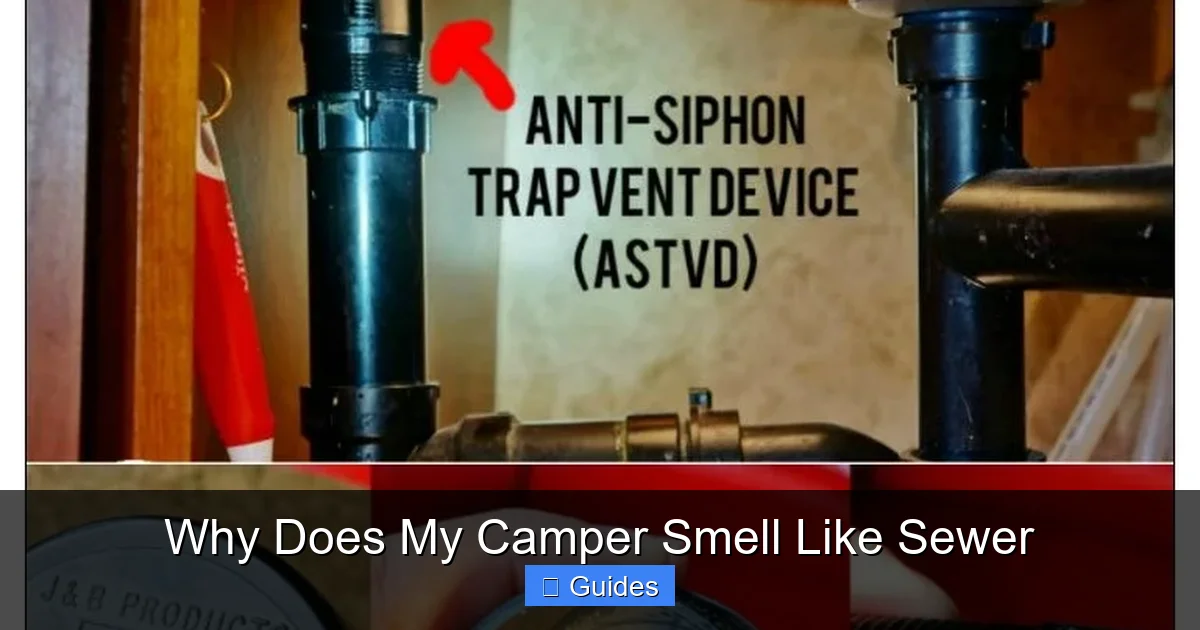
Now, here’s the catch: unlike a house, your camper’s plumbing relies heavily on gravity and venting to move waste and allow air to flow. The roof vent (also called the plumbing vent or stack vent) lets air enter the system so water can drain smoothly. Without proper airflow, you get suction that can pull water out of the P-traps—and that’s when the stink starts.
Also, because RVs are used intermittently, it’s easy for P-traps to dry out between trips. If you haven’t used your sink or shower in a few weeks, the water in the trap may have evaporated, leaving a direct path for gases to escape. Combine that with a poorly maintained black tank, and you’ve got a recipe for disaster.
How Sewer Gases Enter Your Camper
Sewer gases are a mix of methane, hydrogen sulfide, ammonia, and other compounds produced by decomposing waste. In a properly functioning system, these gases are safely vented through the roof and dispersed into the air. But when something blocks that flow or breaks the seal, they can back up into your camper.
The most common entry points are:
– Dry P-traps in sinks, showers, or floor drains
– Cracked or loose toilet seals
– Improperly vented plumbing systems
– Overfilled or poorly maintained black water tanks
– Leaks in waste lines or tank fittings
Even a small crack or loose connection can let odors seep in. And because RVs are small, enclosed spaces, even a faint smell can become overwhelming quickly.
Common Causes of Sewer Smells in Campers

Visual guide about Why Does My Camper Smell Like Sewer
Image source: cdn.shopify.com
Now that you understand the basics, let’s look at the most frequent culprits behind that dreaded sewer smell. Identifying the source is the first step to fixing it.
1. Dry P-Traps
This is hands-down the #1 cause of sewer odors in campers—especially after your RV has been sitting unused for a while. The P-trap under your sink or shower holds a small amount of water that acts as a barrier between your living space and the waste system. But if you haven’t used the drain in weeks, that water can evaporate, especially in hot or dry climates.
Once the trap is dry, sewer gases from the gray or black tank can travel up the pipe and into your camper. You might notice the smell strongest near the kitchen sink, bathroom sink, or shower drain.
How to fix it: Simply run water down the drain for 30–60 seconds to refill the P-trap. Do this for every drain—kitchen sink, bathroom sink, shower, and even the floor drain if your camper has one. If the smell disappears after refilling, you’ve found your problem.
2. Black Water Tank Issues
Your black water tank is where all toilet waste goes. If it’s not emptied regularly, or if it’s not cleaned properly, waste can build up and produce strong odors. Over time, sludge and toilet paper can stick to the walls and sensors, creating a breeding ground for bacteria and gases.
Even if you empty the tank, residual waste can remain if you don’t rinse it thoroughly. And if you use too much toilet paper or don’t use a proper tank treatment, decomposition can accelerate, leading to more gas production.
Signs of a problematic black tank:
– Persistent sewer smell near the toilet
– Slow draining or gurgling sounds
– Tank sensors showing inaccurate levels (a sign of buildup)
– Odor returning shortly after dumping
How to fix it: Always empty your black tank at a proper dump station. After dumping, use a tank rinse system or a wand to flush the tank with clean water. Add a high-quality enzyme-based treatment to break down waste and reduce odors. Avoid using harsh chemicals like bleach, which can kill beneficial bacteria and damage seals.
3. Blocked or Improperly Vented Plumbing System
Your camper’s roof vent is crucial for maintaining proper airflow in the plumbing system. If it’s blocked by leaves, bird nests, or debris, air can’t flow in, creating negative pressure that pulls water out of the P-traps. This is known as “siphoning,” and it’s a common cause of sudden odors.
Additionally, some older or poorly designed RVs have inadequate venting, which can lead to slow drainage and odor buildup. If your drains gurgle or take forever to empty, poor venting might be the issue.
How to fix it: Inspect the roof vent regularly. Use a flashlight to check for blockages. You can also pour a cup of water down the vent (from the roof) to see if it drains freely. If it doesn’t, use a plumber’s snake or compressed air to clear the blockage. For persistent issues, consider installing an aftermarket vent filter or upgrading your vent system.
4. Faulty or Worn Toilet Seal
The toilet in your camper is connected to the black tank via a seal—usually a rubber flapper or gasket. Over time, this seal can wear out, crack, or become misaligned, allowing gases to escape directly into the bathroom.
This is especially common in older RVs or those that have been used frequently. You might notice the smell strongest when you flush or when the toilet hasn’t been used in a while.
How to fix it: Inspect the toilet seal for cracks, warping, or looseness. Most RV toilets have a removable seal that can be replaced with a new one (available at RV supply stores). If you’re not comfortable doing it yourself, a mobile RV technician can help.
5. Gray Water Tank Odors
While the black tank gets most of the blame, the gray water tank can also be a source of foul smells. Gray water comes from sinks and showers and can contain food particles, grease, soap scum, and hair. If these materials aren’t flushed out, they can decompose and produce a rotten egg or sewage-like odor.
This is especially common in the kitchen sink, where food waste can accumulate in the drain trap or pipe. Over time, bacteria grow and release sulfur compounds that smell terrible.
How to fix it: Regularly clean your gray water tank by flushing it with hot water and a mild cleaner. Use a tank treatment designed for gray water, or add a cup of white vinegar to the sink drain weekly to break down grease and bacteria. Avoid pouring grease or oil down the drain.
6. Leaks in Waste Lines or Connections
Cracked pipes, loose fittings, or damaged hoses can allow sewer gases—or even liquid waste—to escape into your camper’s walls or underbelly. These leaks are often hidden, so you might not see them, but you’ll definitely smell them.
Common leak points include:
– Connections between the toilet and black tank
– Hose connections at the dump valve
– Cracks in the tank itself (more common in older RVs)
– Loose clamps on drain pipes
How to fix it: Inspect all visible plumbing connections for signs of moisture, corrosion, or loose fittings. Tighten clamps and replace damaged hoses. If you suspect a crack in the tank, have it inspected by a professional—some cracks can be repaired with epoxy, while others may require tank replacement.
How to Diagnose the Source of the Smell
Visual guide about Why Does My Camper Smell Like Sewer
Image source: shunauto.com
Now that you know the common causes, how do you figure out which one is affecting your camper? Here’s a simple step-by-step process to help you pinpoint the problem.
Step 1: Locate the Smell
Start by identifying where the odor is strongest. Is it near the toilet? The kitchen sink? The shower? The floor drain? This will help narrow down the source.
– Toilet area: Likely a black tank or toilet seal issue.
– Kitchen sink: Could be a dry P-trap or gray tank problem.
– Shower or bathroom sink: Often a dry P-trap or venting issue.
– General musty smell: Could be mold or mildew, not necessarily sewer gas.
Step 2: Check the P-Traps
Run water in every drain for about a minute. If the smell disappears, you likely had a dry P-trap. If it returns after a few hours, the problem may be deeper.
Step 3: Inspect the Black Water Tank
Check the tank level and condition. Is it overfull? Are the sensors accurate? When was the last time you rinsed it? If it’s been a while, a thorough cleaning may be in order.
Step 4: Examine the Roof Vent
Go up on the roof (safely!) and look at the vent. Is it clogged? Can you see light through it? Try pouring water down it to test drainage.
Step 5: Smell Test the Toilet
Flush the toilet and see if the smell gets worse. If it does, the seal may be compromised. Also, check around the base of the toilet for moisture or odors.
Step 6: Look for Leaks
Inspect under sinks, around the toilet, and near the dump valve for signs of leaks. Use a flashlight and check for dampness, mold, or corrosion.
Step-by-Step Solutions to Eliminate Sewer Odors
Once you’ve identified the cause, it’s time to take action. Here’s how to fix the most common issues.
Fix 1: Refill All P-Traps
This is the easiest fix and should be your first step. Run water in every drain—kitchen sink, bathroom sink, shower, and floor drain—for at least 30 seconds. This refills the P-traps and re-establishes the water seal.
Pro tip: Add a capful of RV-safe drain cleaner or white vinegar to each drain weekly to prevent buildup and keep the water fresh.
Fix 2: Clean and Maintain Your Black Water Tank
Step 1: Empty the tank at a dump station. Make sure the valve opens fully and the tank drains completely.
Step 2: Rinse the tank using a tank rinse system or a wand. Let the rinse water run for several minutes to flush out residue.
Step 3: Add a high-quality enzyme treatment. These products contain bacteria that break down waste and reduce odors naturally. Follow the instructions on the label.
Step 4: Add a few gallons of water and drive around for 10–15 minutes to slosh the treatment around and coat the tank walls.
Step 5: Let it sit for a few hours or overnight before dumping again.
Fix 3: Clear the Roof Vent
Use a ladder to safely access the roof. Remove any visible debris from the vent opening. Then, use a plumber’s snake or a long, flexible brush to clear any blockages inside the pipe. You can also use compressed air to blow out debris.
If the vent is damaged or rusted, consider replacing it with a new one. Some RVers install vent filters to prevent future clogs.
Fix 4: Replace the Toilet Seal
Turn off the water supply to the toilet. Flush to empty the bowl. Remove the toilet seat and disconnect the water line. Carefully lift the toilet and inspect the seal between the toilet and the tank.
Remove the old seal and install a new one, making sure it’s seated properly. Reattach the toilet and turn the water back on. Test for leaks and odors.
Fix 5: Clean the Gray Water Tank
Dump the gray tank at a dump station. Then, fill it with a few gallons of hot water and a cup of baking soda or RV-safe cleaner. Drive around to agitate the solution, then dump again.
For extra cleaning, use a gray tank treatment or add a cup of white vinegar to the sink drain weekly.
Fix 6: Seal Leaks and Tighten Connections
Use a wrench to tighten all hose clamps and fittings. Replace any cracked hoses or pipes. For minor tank cracks, use an RV-safe epoxy designed for plastic tanks. For major damage, consult a professional.
Prevention Tips to Keep Your Camper Smelling Fresh
The best way to deal with sewer smells is to prevent them from happening in the first place. Here are some simple habits to keep your camper fresh all season long.
Use Enzyme-Based Tank Treatments
These are far superior to chemical treatments because they actually break down waste instead of just masking odors. Look for products with live bacteria and enzymes, and use them after every dump.
Flush Tanks Regularly
Even if you’re not using your camper, flush the black and gray tanks every few weeks to prevent buildup. This is especially important in hot weather.
Keep P-Traps Full
If you’re storing your camper, pour a cup of RV-safe antifreeze or water with a bit of vinegar into each drain to keep the P-traps sealed and prevent evaporation.
Ventilate Your Camper
When parked, crack a window or use a vent fan to improve airflow. This helps reduce moisture and prevents odors from building up.
Clean Drains Monthly
Pour a mixture of hot water, baking soda, and vinegar down each drain once a month to break down grease and bacteria.
Inspect Plumbing Seasonally
Check all seals, hoses, and connections at the start of each camping season. Replace worn parts before they cause problems.
When to Call a Professional
Most sewer smells can be fixed with DIY solutions, but sometimes you need expert help. Call an RV technician if:
– You suspect a cracked tank
– The smell persists after trying all fixes
– You’re not comfortable working on plumbing systems
– You notice leaks or structural damage
A professional can perform a pressure test, inspect hidden areas, and make repairs safely and effectively.
Conclusion
A camper that smells like sewer is frustrating, but it’s rarely a sign of a major disaster. Most odors come from simple issues like dry P-traps, poor tank maintenance, or blocked vents—problems that are totally fixable with the right approach.
By understanding your RV’s plumbing system and following a regular maintenance routine, you can keep your camper smelling fresh and enjoy every trip without worry. Remember: prevention is key. A little effort now saves you from a lot of stink later.
So the next time you catch a whiff of something unpleasant, don’t panic. Grab your tools, follow this guide, and get back to what really matters—making memories on the road.
Frequently Asked Questions
Why does my camper smell like sewer even after dumping the tank?
This usually means there’s still residue in the tank or the P-traps are dry. Rinse the black tank thoroughly and run water in all drains to refill the traps. Also check the toilet seal and roof vent.
Can I use bleach in my RV black water tank?
It’s not recommended. Bleach can kill beneficial bacteria, damage rubber seals, and create harmful fumes. Use enzyme-based treatments instead for safer, more effective odor control.
How often should I clean my black water tank?
Clean it every 2–4 weeks during heavy use, or at least once per season. Always rinse after dumping and use a tank treatment to prevent buildup and odors.
Why does my camper smell like rotten eggs?
Rotten egg smells are often caused by sulfur-producing bacteria in the gray water tank or drain traps. Clean the gray tank and use vinegar or a bacterial treatment to eliminate the source.
Can a cracked black water tank cause sewer smells?
Yes. Even small cracks can leak gases or waste. Inspect the tank for damage and repair with epoxy or replace it if necessary. Persistent odors after cleaning may indicate a crack.
How do I stop sewer smells when storing my camper?
Refill all P-traps with water, add a cup of RV-safe antifreeze or vinegar to each drain, and use a tank treatment in both black and gray tanks. Cover vents to prevent pests.

At CarLegit, we believe information should be clear, factual, and genuinely helpful. That’s why every guide, review, and update on our website is created with care, research, and a strong focus on user experience.