
If your Kia smells like vinegar, it’s usually due to a clogged AC drain, mold in the evaporator, or a battery leak. This guide explains the top causes and how to fix them quickly and safely.
In This Article
- 1 Key Takeaways
- 2 📑 Table of Contents
- 3 Why Does My Car Smell Like Vinegar Kia? Understanding the Mystery Behind the Odor
- 4 Common Causes of a Vinegar Smell in Your Kia
- 5 How to Diagnose the Source of the Vinegar Smell
- 6 DIY Fixes to Eliminate the Vinegar Smell
- 7 When to See a Professional
- 8 Preventing Future Vinegar Smells in Your Kia
- 9 Conclusion
- 10 Frequently Asked Questions
- 10.1 Why does my Kia smell like vinegar when I turn on the AC?
- 10.2 Can a dirty cabin air filter cause a vinegar smell?
- 10.3 Is a vinegar smell in my car dangerous?
- 10.4 How often should I clean my Kia’s AC system?
- 10.5 Can I use vinegar to clean my car’s interior?
- 10.6 Should I be concerned if the smell comes and goes?
Key Takeaways
- Understanding Why Does My Car Smell Like Vinegar Kia: Provides essential knowledge
📑 Table of Contents
Why Does My Car Smell Like Vinegar Kia? Understanding the Mystery Behind the Odor
You’re driving your Kia, windows down, enjoying the breeze—until suddenly, a sharp, sour smell hits your nose. It’s unmistakable: that tangy, vinegar-like odor creeping through the vents. You wrinkle your nose and wonder, “Why does my car smell like vinegar, Kia?” You’re not alone. Many Kia owners have experienced this puzzling and unpleasant scent, especially during or after using the air conditioning.
At first, you might think it’s just a one-time thing—maybe something spilled in the backseat or a forgotten lunchbox. But when the smell keeps coming back, especially when you turn on the AC, it’s time to dig deeper. The good news? This odor is usually fixable. The bad news? Ignoring it could lead to bigger problems down the road, from reduced air quality to potential mechanical issues.
In this comprehensive guide, we’ll walk you through the most common reasons your Kia might smell like vinegar, how to identify the source, and what you can do to eliminate the odor for good. Whether you drive a Kia Sportage, Sorento, Forte, or Soul, these tips apply across models. We’ll cover everything from simple DIY fixes to when it’s time to visit your local Kia service center.
Common Causes of a Vinegar Smell in Your Kia
So, what’s really causing that vinegar-like stench? Let’s break down the top culprits. While the smell might seem random, it’s almost always tied to moisture, bacteria, or chemical reactions inside your vehicle. Here are the most frequent causes:
1. Clogged or Blocked AC Drain Line
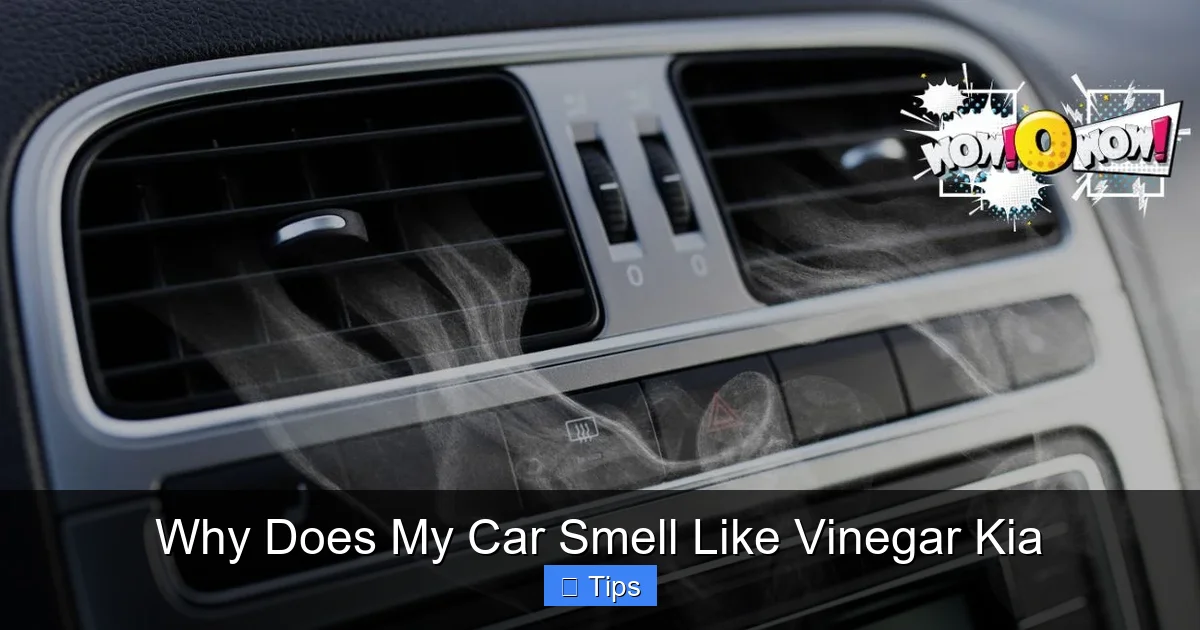
Your car’s air conditioning system works by pulling moisture from the air to cool it down. This moisture collects on the evaporator coil and drips into a drain pan, then exits the vehicle through a small tube called the AC drain line. But if this drain line gets clogged—usually with dirt, leaves, or debris—the water can’t escape. Instead, it pools inside the system.
Visual guide about Why Does My Car Smell Like Vinegar Kia
Image source: wowowow.com
Stagnant water becomes a breeding ground for bacteria and mold. As these microorganisms grow, they produce organic acids and volatile compounds that smell sour—very similar to vinegar. When you turn on the AC, the blower fan pushes this smelly air through the vents and into your cabin.
This is one of the most common reasons for a vinegar smell in Kias, especially in humid climates or after heavy rain. The longer the drain stays clogged, the stronger the odor becomes. In some cases, the smell is strongest when you first start the car or after the AC has been running for a while.
2. Mold and Mildew Growth in the Evaporator Core
Even if the drain line isn’t completely blocked, moisture can still linger inside the evaporator core—the part of the AC system that cools the air. This dark, damp environment is perfect for mold and mildew to thrive. Over time, these fungi release spores and organic compounds that create a musty, sour odor.
You might notice the smell is worse when you first turn on the AC, especially after the car has been sitting overnight. That’s because the system has had time to accumulate moisture and allow mold to grow. The smell often fades after a few minutes as the system dries out, but it returns the next time you use the AC.
Kia models with automatic climate control are especially prone to this issue because they often run the AC compressor even in “fan-only” mode to dehumidify the air. This constant moisture exposure increases the risk of mold buildup.
3. Car Battery Leak or Overcharging
Here’s a less obvious but serious cause: a leaking or overcharged car battery. Your Kia’s 12-volt battery contains sulfuric acid, which can produce hydrogen sulfide gas when it leaks or overheats. This gas has a strong, vinegar-like or rotten egg smell.
If the battery is cracked, overfilled, or overcharged by a faulty alternator, it can release these vapors into the engine bay. From there, they can enter the cabin through the HVAC system’s air intake, especially if the vehicle is running the recirculation mode.
This is a safety concern. Hydrogen sulfide is toxic in high concentrations and can cause headaches, dizziness, or respiratory irritation. If you smell a strong vinegar or rotten egg odor near the engine or inside the car, especially when the engine is running, have your battery and charging system checked immediately.
4. Spilled Cleaning Products or Food
Sometimes, the source of the vinegar smell is simpler than you think. Did you recently clean your car with a vinegar-based solution? Or maybe you spilled salad dressing, pickles, or another acidic food in the cabin? These substances can seep into carpets, seat cushions, or under floor mats, where they ferment and produce a sour odor.
Even small spills can cause big problems if they’re not cleaned thoroughly. Vinegar-based cleaners, in particular, are popular for their natural disinfecting properties—but they can leave behind a lingering smell if not rinsed properly.
This type of odor is usually localized and may not come through the vents. Instead, you’ll notice it when you open the doors or sit in certain seats. A thorough interior cleaning with an odor-neutralizing cleaner can usually resolve it.
5. Fuel System or EVAP System Issues
In rare cases, a vinegar-like smell could be linked to the fuel system. If fuel becomes contaminated with water or bacteria (a condition known as “fuel souring”), it can produce acidic byproducts that smell sour. Additionally, problems with the evaporative emissions (EVAP) system—such as a cracked charcoal canister or faulty purge valve—can allow fuel vapors to escape into the cabin.
While this is uncommon in modern Kias with sealed fuel systems, it’s worth considering if the smell is accompanied by other symptoms like poor fuel economy, rough idling, or a check engine light. A diagnostic scan can help rule out fuel-related issues.
How to Diagnose the Source of the Vinegar Smell
Now that you know the possible causes, how do you figure out which one is affecting your Kia? Diagnosing the source of the odor is the first step toward fixing it. Here’s a step-by-step approach to help you narrow it down:
Step 1: Note When the Smell Occurs
Pay attention to when the vinegar smell appears. Does it happen only when you turn on the AC? Is it stronger in the morning or after rain? Does it come from the vents or seem to be inside the cabin?
Visual guide about Why Does My Car Smell Like Vinegar Kia
Image source: ik.imagekit.io
If the smell is tied to the AC, it’s likely related to the evaporator, drain line, or mold. If it’s present all the time—even with the AC off—it could be a battery leak, spilled substance, or fuel issue.
Step 2: Inspect the Cabin Air Filter
The cabin air filter is your first line of defense against odors and pollutants. Over time, it can become clogged with dust, pollen, and debris, which can trap moisture and promote mold growth. A dirty filter can also restrict airflow, making the AC system work harder and increasing the risk of condensation.
Locate your Kia’s cabin air filter (usually behind the glove box or under the dashboard) and inspect it. If it’s black, slimy, or smells musty, it’s time to replace it. Most Kia models recommend replacing the filter every 12,000 to 15,000 miles or once a year.
Step 3: Check the AC Drain Line
The AC drain line is typically located under the car, near the firewall on the passenger side. Look for a small rubber or plastic tube dripping water when the AC is running. If no water is coming out, the line may be clogged.
You can try clearing it yourself using compressed air or a thin wire. Be gentle—forcing debris through can damage the line. If you’re not comfortable doing this, a mechanic can flush the drain line safely.
Step 4: Smell Near the Battery
Pop the hood and carefully inspect the battery. Look for signs of corrosion (white or green powder around the terminals), cracks in the casing, or fluid leaks. If the battery smells strongly of vinegar or rotten eggs, it may be leaking acid.
Also, check the battery voltage with a multimeter. A healthy battery should read around 12.6 volts when the engine is off and 13.7–14.7 volts when running. If the voltage is too high, the alternator may be overcharging the battery.
Step 5: Search for Spills or Hidden Residue
Check under seats, in door pockets, and under floor mats for spills or residue. Use a flashlight to look into tight spaces. If you find anything, clean it thoroughly with a mixture of water and baking soda or a commercial odor eliminator.
For deep cleaning, consider using a carpet extractor or steam cleaner. This can remove embedded odors that regular cleaning misses.
DIY Fixes to Eliminate the Vinegar Smell
Once you’ve identified the likely cause, it’s time to take action. Many vinegar smells in Kias can be resolved with simple DIY steps. Here’s how to tackle the most common issues:
Clean the AC System with an Evaporator Cleaner
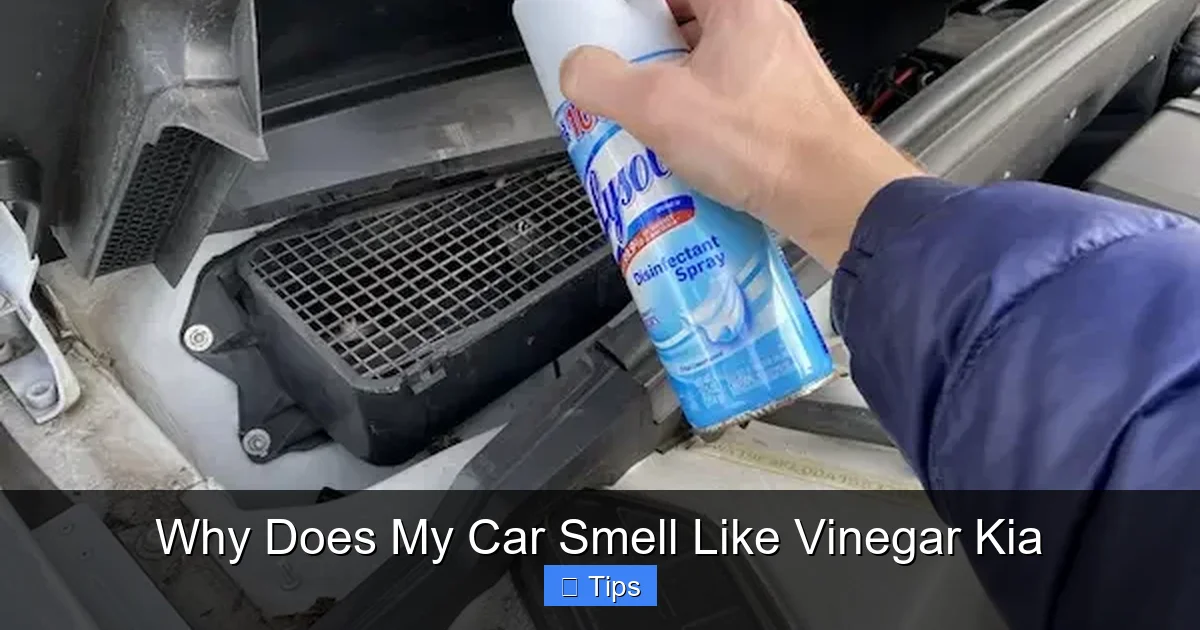
To kill mold and bacteria in the evaporator, use an AC evaporator cleaner spray. These products are designed to be sprayed into the air intake (usually located near the windshield wipers) while the AC is running on recirculation mode.

Visual guide about Why Does My Car Smell Like Vinegar Kia
Image source: autoily.com
Follow the instructions on the can—most require you to run the AC for 10–15 minutes to allow the cleaner to circulate through the system. The foam or mist will coat the evaporator and kill mold spores. Afterward, run the AC on fresh air for a few minutes to clear out any residue.
Popular brands include Lysol AC Cleaner, Klima-Clean, and BG Frigi-Fresh. Repeat the process every 6–12 months as preventive maintenance.
Replace the Cabin Air Filter
A new cabin air filter can make a big difference in air quality. Choose a high-quality filter with activated carbon, which helps absorb odors. Installation is usually straightforward—just remove the old filter and insert the new one in the same orientation.
For Kia owners, OEM (original equipment manufacturer) filters are recommended for the best fit and performance. However, reputable aftermarket brands like Fram, Bosch, or K&N also offer excellent options.
Clear the AC Drain Line
To unclog the drain line, locate the tube under the car and gently insert a piece of stiff wire or a pipe cleaner. Push it in just far enough to break up any blockage. Then, use compressed air to blow out the debris.
Alternatively, you can pour a small amount of warm water mixed with vinegar or bleach down the drain to dissolve organic buildup. Let it sit for 10 minutes, then flush with clean water.
Clean Interior Surfaces
For spills or residue, clean affected areas with a mixture of warm water and mild detergent. For tougher odors, use a solution of 1 part white vinegar to 2 parts water, then rinse with clean water. Avoid soaking carpets—excess moisture can lead to mold.
After cleaning, sprinkle baking soda on carpets and seats, let it sit for a few hours, then vacuum thoroughly. Baking soda neutralizes odors and absorbs moisture.
Run the AC on High with Fresh Air
After cleaning, run the AC on the highest fan setting with the fresh air mode (not recirculation) for 15–20 minutes. This helps dry out the system and clear any remaining odor.
Do this on a warm, dry day for best results. The heat and airflow will evaporate residual moisture and help prevent future mold growth.
When to See a Professional
While many vinegar smells can be fixed at home, some issues require professional attention. Here’s when you should visit a Kia service center:
Persistent or Strong Odors
If the smell returns after cleaning or is extremely strong, there may be a deeper issue—such as a cracked evaporator housing or extensive mold growth—that requires disassembly of the HVAC system.
Battery or Electrical Concerns
If you suspect a battery leak or overcharging, don’t delay. Have a technician inspect the battery, alternator, and charging system. A leaking battery is a safety hazard and should be replaced immediately.
Check Engine Light or Performance Issues
If the vinegar smell is accompanied by a check engine light, poor fuel economy, or rough running, there could be a fuel system or EVAP problem. A diagnostic scan can pinpoint the issue.
Warranty or Recall Considerations
If your Kia is still under warranty, avoid DIY repairs that could void coverage. Instead, take it to an authorized Kia dealer. They can diagnose and fix the issue at no cost if it’s covered.
Also, check for any open recalls related to the HVAC or battery systems. Kia has issued recalls in the past for AC compressor issues that could contribute to odors.
Preventing Future Vinegar Smells in Your Kia
Once you’ve eliminated the odor, take steps to keep it from coming back. Prevention is key to maintaining a fresh-smelling cabin and a healthy AC system.
Replace the Cabin Air Filter Regularly
Set a reminder to replace the filter every 12,000 miles or once a year. This simple maintenance task can prevent mold, bacteria, and odors from building up.
Use the AC Regularly
Even in winter, run the AC for 5–10 minutes once a week. This keeps the system lubricated and prevents seals from drying out, which can lead to leaks and moisture buildup.
Park in the Shade or Use a Sunshade
Heat accelerates mold growth and can cause plastics and adhesives to off-gas, contributing to odors. Parking in the shade or using a windshield sunshade helps keep the interior cooler.
Keep the Interior Clean
Vacuum regularly and wipe down surfaces to remove dust and spills. Avoid eating in the car, and clean up any spills immediately.
Use Odor Eliminators
Place odor-absorbing products like activated charcoal bags or baking soda containers in the cabin. These help neutralize smells between cleanings.
Conclusion
So, why does your car smell like vinegar, Kia? In most cases, it’s due to moisture-related issues in the AC system—like a clogged drain or mold in the evaporator. Less commonly, it could be a battery leak, spilled substances, or fuel system problems. The good news is that many of these causes are fixable with simple DIY steps, from cleaning the evaporator to replacing the cabin air filter.
However, if the smell persists or is accompanied by other symptoms, don’t hesitate to seek professional help. Your safety and comfort are worth it. Regular maintenance and preventive care can keep your Kia smelling fresh and running smoothly for years to come.
Remember: a little attention now can prevent a big headache later. So the next time you catch a whiff of vinegar, don’t ignore it—take action and breathe easy.
Frequently Asked Questions
Why does my Kia smell like vinegar when I turn on the AC?
This is usually caused by mold or bacteria growing in the evaporator core due to trapped moisture. A clogged AC drain line often contributes to the problem by preventing water from escaping.
Can a dirty cabin air filter cause a vinegar smell?
Yes. A clogged or dirty cabin air filter can trap moisture and debris, creating an environment where mold and bacteria thrive, leading to sour or vinegar-like odors.
Is a vinegar smell in my car dangerous?
Most of the time, the smell itself isn’t harmful, but it can indicate underlying issues like mold growth or a battery leak. A strong vinegar or rotten egg smell near the engine could signal a battery problem and should be checked immediately.
How often should I clean my Kia’s AC system?
It’s a good idea to clean the AC evaporator and replace the cabin air filter every 12,000 to 15,000 miles or once a year. Use an AC cleaner spray every 6–12 months to prevent mold buildup.
Can I use vinegar to clean my car’s interior?
Yes, diluted white vinegar is a natural cleaner, but rinse surfaces thoroughly to avoid lingering odors. Avoid using it on leather or sensitive materials without testing first.
Should I be concerned if the smell comes and goes?
Intermittent smells are common with AC-related issues, especially in humid weather. However, if the odor is strong or persistent, it’s best to investigate further to prevent long-term damage.

At CarLegit, we believe information should be clear, factual, and genuinely helpful. That’s why every guide, review, and update on our website is created with care, research, and a strong focus on user experience.