
Michigan has the highest average car insurance rates in the U.S., largely due to its unique no-fault insurance system and unlimited personal injury protection (PIP) benefits. While reforms in 2020 brought some relief, drivers still face high premiums because of medical costs, fraud, and regional risk factors.
If you’ve ever gotten a car insurance quote in Michigan and done a double-take at the price, you’re not alone. Michigan consistently ranks as the most expensive state for car insurance in the United States. In 2023, the average annual premium for full coverage in Michigan was over $3,000—nearly double the national average. That’s a staggering amount, especially when you consider that many drivers in other states pay less than $1,500 for similar coverage.
So, what’s going on? Why is car insurance so expensive in Michigan? The answer isn’t simple. It’s a mix of unique state laws, high medical costs, urban challenges, and a history of insurance abuse. But the good news is that recent reforms have started to bring some relief—though not enough to make Michigan affordable overnight. Understanding the root causes can help you make smarter decisions about your coverage and find ways to lower your bill.
Let’s break it down. Michigan’s car insurance system is unlike any other in the country. It’s built around a “no-fault” model, which means that after an accident, your own insurance pays for your medical bills and lost wages, no matter who was at fault. This sounds fair in theory—no waiting for lawsuits or fault determinations—but in practice, it’s led to sky-high costs. Combine that with unlimited medical benefits (until recently), high healthcare prices, and a culture of fraud, and you’ve got a perfect storm for expensive premiums.
In This Article
- 1 Key Takeaways
- 2 📑 Table of Contents
- 3 The No-Fault Insurance System: A Double-Edged Sword
- 4 Unlimited PIP: The Hidden Cost Driver
- 5 High Medical Costs and Provider Rates
- 6 Insurance Fraud and Abuse
- 7 Urban Challenges: Accidents, Theft, and Congestion
- 8 Limited Competition Among Insurers
- 9 How to Lower Your Car Insurance Costs in Michigan
- 10 Conclusion
- 11 Frequently Asked Questions
- 11.1 Why is Michigan car insurance so expensive compared to other states?
- 11.2 Did the 2020 auto insurance reform lower my rates?
- 11.3 Can I opt out of PIP coverage in Michigan?
- 11.4 Does where I live in Michigan affect my insurance cost?
- 11.5 How can I reduce my Michigan car insurance premium?
- 11.6 Is car insurance fraud really a problem in Michigan?
Key Takeaways
- No-fault insurance system: Michigan requires drivers to carry Personal Injury Protection (PIP), which covers medical expenses regardless of who caused the accident, leading to higher claims and costs.
- Unlimited PIP benefits (pre-2020): Before recent reforms, Michigan was the only state with truly unlimited medical coverage for crash injuries, driving up insurer payouts and premiums.
- 2020 auto insurance reform: New laws allow drivers to choose PIP coverage levels, reducing costs for some, but many still pay more than in other states.
- High medical and rehabilitation costs: Michigan’s medical providers charge some of the highest rates in the nation for crash-related care, increasing claim expenses.
- Insurance fraud and abuse: Staged accidents and inflated medical claims contribute to higher premiums across the board.
- Urban congestion and accident rates: Cities like Detroit and Flint have higher accident frequencies and theft rates, pushing up insurance costs.
- Limited competition among insurers: A few major companies dominate the market, reducing competitive pricing pressure.
📑 Table of Contents
- The No-Fault Insurance System: A Double-Edged Sword
- Unlimited PIP: The Hidden Cost Driver
- High Medical Costs and Provider Rates
- Insurance Fraud and Abuse
- Urban Challenges: Accidents, Theft, and Congestion
- Limited Competition Among Insurers
- How to Lower Your Car Insurance Costs in Michigan
- Conclusion
The No-Fault Insurance System: A Double-Edged Sword
Michigan’s no-fault insurance law has been in place since 1973. The idea was to reduce lawsuits, speed up claims, and ensure that accident victims got immediate medical care. And in many ways, it worked. Michigan drivers don’t have to wait months or years for a court to decide who pays for injuries. Instead, their own insurer steps in right away.
But this system comes at a cost. Because your insurance company pays for your medical expenses regardless of fault, there’s less incentive to drive carefully—or to avoid fraud. And because Michigan requires every driver to carry Personal Injury Protection (PIP), which covers medical bills, rehabilitation, and even lost income, the financial burden on insurers is enormous.
How No-Fault Works in Practice
Let’s say you’re in a fender bender in Detroit. Even if the other driver ran a red light, your own insurance company pays for your medical treatment, up to your PIP limit. The other driver’s insurer pays for their injuries. This avoids the need for a lawsuit over who’s to blame.
But here’s the catch: Michigan used to require unlimited PIP coverage. That meant if you were seriously injured, your insurer could be on the hook for millions of dollars in medical bills. For example, a person with a spinal injury might need lifelong care, including surgeries, physical therapy, home modifications, and 24/7 nursing. Before 2020, insurance companies had to cover all of it—no cap.
This led to massive payouts. In 2019, Michigan insurers paid out over $2.5 billion in PIP claims alone. That’s more than double what they paid in 2010. And those costs get passed on to drivers in the form of higher premiums.
The Shift Toward Reform
Recognizing the unsustainable cost, Michigan passed major auto insurance reform in 2019, which took effect in 2020. One of the biggest changes? Drivers are no longer required to carry unlimited PIP coverage. Instead, you can now choose from several coverage levels:
– Unlimited PIP (still available)
– $500,000
– $250,000
– $50,000
– Or opt-out entirely if you have qualifying health insurance
This gives drivers more control over their premiums. For example, a healthy 30-year-old with good health insurance might choose the $50,000 PIP limit and save hundreds per year. But even with these options, many drivers still pay more than they would in other states.
Unlimited PIP: The Hidden Cost Driver
Visual guide about Why Is Car Insurance So Expensive in Michigan
Image source: 1866hirejoe.com
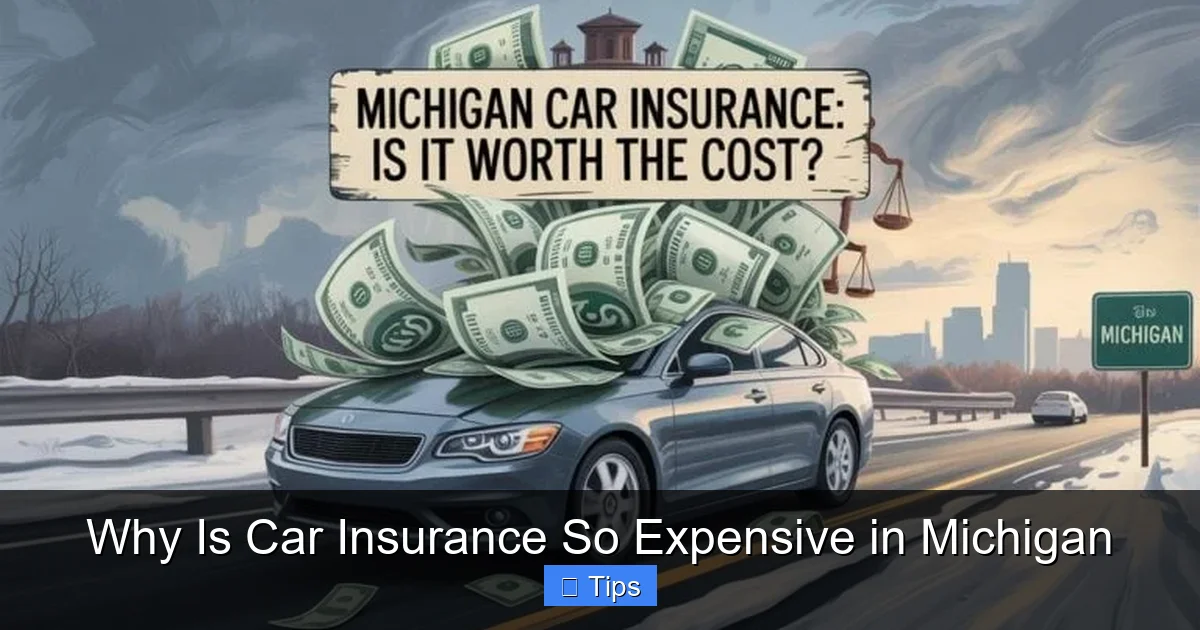
Before the 2020 reform, Michigan was the only state in the U.S. with truly unlimited medical coverage for car accident injuries. That meant no matter how expensive the treatment, your insurer had to pay. And in a state with high medical costs, that created a financial time bomb.
Why Unlimited Coverage Was So Expensive
Imagine a driver gets into a serious crash and suffers a traumatic brain injury. They might need years of therapy, home health aides, and specialized equipment. In Michigan, that could easily cost $1 million or more over a lifetime. And because the PIP coverage was unlimited, the insurer had to pay every penny.
Now multiply that by thousands of accidents each year, and you start to see why premiums were so high. Insurers weren’t just covering minor whiplash cases—they were funding long-term care for catastrophic injuries.
The Impact on Premiums
Because of unlimited PIP, Michigan drivers were paying an average of $1,500 per year just for PIP coverage—more than double the cost of liability and collision coverage combined. That’s why even safe drivers with clean records were stuck with huge bills.
The 2020 reform helped. Now, drivers who choose lower PIP limits can save significantly. For example, opting for $250,000 instead of unlimited coverage can reduce your annual premium by $500 or more. But even with these savings, Michigan’s PIP costs remain high compared to other states.
High Medical Costs and Provider Rates

Visual guide about Why Is Car Insurance So Expensive in Michigan
Image source: vermontrepublic.org
Another major reason car insurance is so expensive in Michigan is the cost of medical care. Michigan’s healthcare providers charge some of the highest rates in the nation for crash-related treatment. And because insurers are required to pay these bills, those costs get passed on to consumers.
Why Are Medical Bills So High?
Several factors contribute to Michigan’s high medical costs:
– **Hospital monopolies:** In many parts of the state, a single health system dominates the market, reducing competition and allowing them to charge higher prices.
– **Fee schedules:** Michigan doesn’t regulate how much medical providers can charge for auto injury care. This means hospitals and clinics can bill insurers at rates far above what Medicare or private health insurance would pay.
– **Long treatment durations:** Because PIP covers unlimited care (or high limits), some patients stay in treatment longer than medically necessary, driving up costs.
For example, a simple MRI might cost $800 in Ohio but $2,500 in Michigan. Physical therapy sessions can run $200 or more per visit. These inflated prices add up fast.
Case Study: The Cost of a Whiplash Claim
Let’s say two drivers—one in Michigan, one in Indiana—both suffer whiplash in a minor rear-end collision. In Indiana, the average claim might cost $3,000, including a few doctor visits and physical therapy. In Michigan, the same injury could cost $10,000 or more due to higher provider rates and longer treatment plans.
This isn’t because Michigan drivers are more injured—it’s because the system allows for higher billing. And insurers, bound by law to pay these bills, have no choice but to raise premiums for everyone.
Insurance Fraud and Abuse
Visual guide about Why Is Car Insurance So Expensive in Michigan
Image source: images.autoinsurance.com
Fraud is a hidden but powerful driver of high car insurance costs in Michigan. While most drivers are honest, a small percentage exploit the system, staging accidents or inflating claims to collect payouts. These fraudulent activities cost insurers millions each year—and those losses are passed on to honest policyholders.
Common Types of Fraud in Michigan
– **Staged accidents:** Criminals deliberately cause collisions, often by braking suddenly in front of another car. They then file PIP claims for fake or exaggerated injuries.
– **Medical mills:** Some clinics specialize in treating auto injury patients and bill insurers for unnecessary tests, treatments, or extended therapy sessions.
– **Phantom passengers:** Fraudsters claim there were more people in the car than there actually were, increasing the number of PIP claims.
– **Inflated repair bills:** Body shops overcharge for repairs or perform unnecessary work, then bill the insurer.
In Detroit alone, insurance fraud is estimated to cost over $100 million per year. That’s money that could go toward lowering premiums—but instead, it drives them up.
How Michigan Is Fighting Back
The state has taken steps to combat fraud. The Michigan Automobile Insurance Placement Facility (MAIP) and the Insurance Fraud Prevention Authority (IFPA) investigate suspicious claims. In 2022, the IFPA helped recover over $50 million in fraudulent claims.
But fraud remains a challenge. Because PIP covers so many services—from chiropractic care to massage therapy—it’s easy for bad actors to slip through the cracks. And until the system becomes more transparent and tightly regulated, fraud will continue to inflate costs.
Urban Challenges: Accidents, Theft, and Congestion
Where you live in Michigan also plays a big role in how much you pay for car insurance. Urban areas like Detroit, Flint, and Pontiac have higher accident rates, more vehicle thefts, and greater traffic congestion—all of which increase risk and, therefore, premiums.
Higher Accident Rates in Cities
Cities have more cars on the road, more intersections, and more distracted drivers. This leads to more accidents. In Detroit, the accident rate is nearly 50% higher than the state average. And because accidents mean claims, insurers charge more to cover drivers in high-risk zip codes.
Vehicle Theft and Vandalism
Michigan, especially Detroit, has one of the highest vehicle theft rates in the country. In 2022, over 15,000 cars were stolen in Detroit alone. Comprehensive coverage—which pays for theft, vandalism, and weather damage—is required for leased or financed vehicles, and it’s expensive in high-theft areas.
Even if you don’t live in the city, living nearby can affect your rate. Insurers use zip code data to assess risk, so a driver in a suburban area just outside Detroit might still pay urban-level premiums.
Traffic Congestion and Distracted Driving
Heavy traffic increases the chances of fender benders and low-speed collisions. And with more people using phones while driving, distracted driving accidents are on the rise. These small claims add up, increasing overall costs for insurers.
Limited Competition Among Insurers
Another factor driving up Michigan car insurance costs is the lack of competition. A handful of companies—like State Farm, Progressive, and Geico—dominate the market. When there are fewer players, there’s less pressure to offer lower prices or better deals.
Why Competition Matters
In states with many insurers, companies compete for customers by lowering rates, offering discounts, and improving service. But in Michigan, the top five insurers control over 70% of the market. This reduces incentives to innovate or cut costs.
Additionally, because Michigan’s no-fault system is so complex, smaller insurers often avoid entering the market. They don’t want to deal with the high PIP claims and regulatory hurdles. This leaves drivers with fewer choices and higher prices.
What You Can Do
Even with limited competition, you can still shop around. Getting quotes from multiple insurers—including regional companies like Auto-Owners or AAA—can help you find a better rate. And taking advantage of discounts (like safe driver, multi-car, or good student) can lower your premium.
How to Lower Your Car Insurance Costs in Michigan
Despite the challenges, there are ways to reduce your car insurance bill. Here are some practical tips:
Choose a Lower PIP Limit
If you have good health insurance, consider opting for a lower PIP limit, like $250,000 or $50,000. This can save you hundreds per year. Just make sure your health plan covers accident-related injuries.
Bundling Policies
Many insurers offer discounts if you bundle your auto and home or renters insurance. This can save 10–20% on your total premium.
Maintain a Clean Driving Record
Safe driving pays off. Avoiding tickets and accidents can qualify you for safe driver discounts and keep your rates low over time.
Increase Your Deductible
Raising your collision or comprehensive deductible from $500 to $1,000 can lower your premium by 15–30%. Just make sure you can afford to pay the deductible if you need to file a claim.
Take a Defensive Driving Course
Some insurers offer discounts for completing an approved defensive driving course. It’s a small investment that can lead to big savings.
Review Your Coverage Annually
Your insurance needs change over time. If you’ve paid off your car or no longer drive frequently, you might be able to drop collision or comprehensive coverage.
Conclusion
So, why is car insurance so expensive in Michigan? The answer lies in a combination of unique state laws, high medical costs, fraud, urban risks, and limited competition. Michigan’s no-fault system—especially the former requirement for unlimited PIP—created a system where insurers faced massive payouts, which they passed on to drivers in the form of high premiums.
But change is happening. The 2020 reform gave drivers more control over their coverage and helped reduce costs for many. While Michigan still has the highest average rates in the country, the gap is narrowing. And with smart shopping, discounts, and informed choices, you can still find affordable coverage.
The key is understanding the system and taking action. Don’t just accept the first quote you get. Compare options, adjust your coverage, and take advantage of every discount available. Because even in the most expensive state for car insurance, there are ways to save.
Frequently Asked Questions
Why is Michigan car insurance so expensive compared to other states?
Michigan has the highest car insurance rates in the U.S. due to its no-fault system, high medical costs, and history of unlimited PIP coverage. These factors lead to larger claims and higher premiums for all drivers.
Did the 2020 auto insurance reform lower my rates?
Yes, for many drivers. The reform allowed you to choose lower PIP limits, which can reduce your premium by hundreds of dollars per year. However, rates are still higher than in most states.
Can I opt out of PIP coverage in Michigan?
Yes, but only if you have qualifying health insurance that covers auto injuries. You must submit proof to your insurer to opt out of PIP entirely.
Does where I live in Michigan affect my insurance cost?
Absolutely. Drivers in urban areas like Detroit and Flint pay more due to higher accident rates, theft, and fraud. Even nearby suburbs can have elevated rates.
Shop around, choose a lower PIP limit, bundle policies, maintain a clean driving record, and take advantage of discounts. Increasing your deductible can also help.
Is car insurance fraud really a problem in Michigan?
Yes. Staged accidents, inflated medical claims, and phantom passengers cost insurers millions each year. These losses contribute to higher premiums for honest drivers.

At CarLegit, we believe information should be clear, factual, and genuinely helpful. That’s why every guide, review, and update on our website is created with care, research, and a strong focus on user experience.