
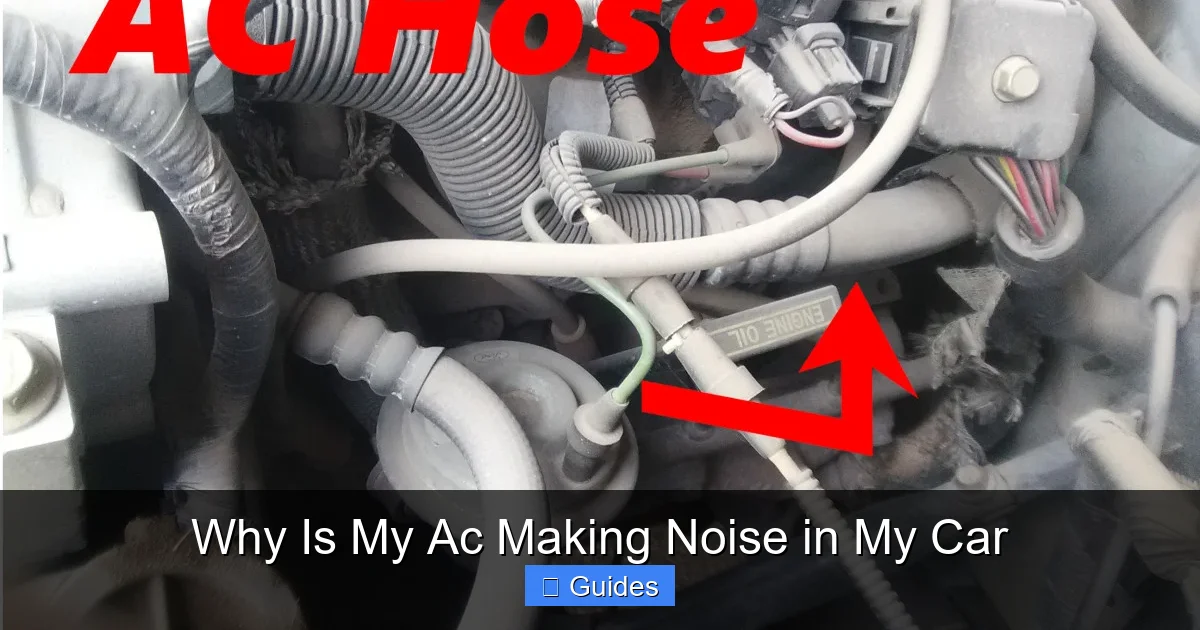
If your car’s AC is making noise, it’s usually a sign of a mechanical issue that shouldn’t be ignored. From loose parts to failing compressors, understanding the source of the sound can help you fix it quickly and avoid costly repairs down the road.
In This Article
- 1 Key Takeaways
- 2 📑 Table of Contents
- 3 Why Is My AC Making Noise in My Car? Understanding the Sounds and What They Mean
- 4 Common Types of AC Noises and What They Indicate
- 5 Top Causes of AC Noise in Cars
- 6 How to Diagnose AC Noise at Home
- 7 When to See a Mechanic
- 8 Preventing AC Noise: Maintenance Tips
- 9 Conclusion: Don’t Ignore AC Noise—Act Early
- 10 Frequently Asked Questions
Key Takeaways
- Unusual AC noises often signal underlying mechanical problems that require prompt attention to prevent further damage.
- Common causes include a failing compressor, loose belts, debris in the blower fan, or low refrigerant levels—each producing distinct sounds.
- Regular maintenance, such as changing cabin air filters and inspecting belts, can prevent many noise-related issues before they start.
- Ignoring AC noises may lead to complete system failure, reduced cooling efficiency, or even engine strain in severe cases.
- Some noises, like hissing, may indicate refrigerant leaks, which are not only inefficient but potentially harmful to the environment.
- Professional diagnosis is recommended for persistent or loud noises, especially if accompanied by poor cooling performance.
- Early intervention saves money and extends the lifespan of your car’s AC system—don’t wait until it stops working entirely.
📑 Table of Contents
Why Is My AC Making Noise in My Car? Understanding the Sounds and What They Mean
You’re cruising down the highway on a hot summer day, windows up, AC blasting—only to be interrupted by a strange noise coming from your dashboard. It might be a rattle, a squeal, a grinding sound, or even a hiss. Your first thought? “Why is my AC making noise in my car?” You’re not alone. Thousands of drivers experience this every year, and while some noises are harmless, others can signal serious problems.
Car air conditioning systems are complex. They involve multiple components working together under pressure and heat. When one part starts to fail or becomes misaligned, it often announces itself with an audible warning. The good news? Most AC noises are fixable—if you catch them early. The bad news? Ignoring them can lead to expensive repairs or even a complete system breakdown.
In this guide, we’ll walk you through the most common reasons your car’s AC is making noise, what each sound typically means, and what you can do about it. Whether you’re a DIY enthusiast or prefer to leave it to the pros, understanding these noises will help you make informed decisions and keep your ride cool and quiet.
Common Types of AC Noises and What They Indicate

Visual guide about Why Is My Ac Making Noise in My Car
Image source: images.saymedia-content.com
Not all AC noises are created equal. Different sounds point to different issues. Learning to identify them can help you diagnose the problem faster. Let’s break down the most common types of noises and what they usually mean.
Rattling or Clunking Sounds
If you hear a rattling or clunking noise when you turn on the AC, it’s often coming from inside the dashboard or near the blower motor. This could be due to loose components, such as screws, panels, or even debris stuck in the blower fan. Over time, vibrations from the engine and road can loosen small parts, causing them to rattle when the AC fan spins.
Another possibility is a failing blower motor. As the motor wears out, its internal bearings can become loose, creating a knocking or clunking sound. This is especially noticeable when you change fan speeds.
What to do: Start by checking the cabin air filter. A clogged or dirty filter can restrict airflow and cause the blower to work harder, leading to noise. If the filter is clean, inspect the blower motor area for loose parts. If the noise persists, have a mechanic check the blower motor and mounting brackets.
Squealing or Squeaking Noises
A high-pitched squeal when you turn on the AC is often related to the serpentine belt or the AC compressor clutch. The serpentine belt drives multiple components, including the AC compressor. If it’s worn, loose, or misaligned, it can slip and produce a squealing sound—especially when the compressor kicks in.
Another cause could be a failing compressor clutch. When the clutch engages to start the compressor, it should do so smoothly. If the clutch is worn or damaged, it may squeal or chirp as it tries to grip the pulley.
What to do: Inspect the serpentine belt for cracks, fraying, or glazing. If it looks worn, replace it. Also, check the belt tension—too loose, and it will slip; too tight, and it can damage bearings. If the belt is fine, the issue may be with the compressor clutch, which requires professional attention.
Grinding or Whirring Sounds
A grinding or whirring noise from the AC system is usually a red flag. This often indicates a problem with the compressor itself. The compressor contains internal components like pistons and bearings that can wear out over time. When these parts fail, they can produce a grinding noise, especially when the AC is first turned on.
In some cases, the noise may come from the blower motor if its bearings are worn. This is more common in older vehicles or those with high mileage.
What to do: A grinding compressor is a serious issue. Continuing to run the AC can cause further damage and may lead to complete failure. Turn off the AC and have the system inspected immediately. Replacing a compressor is costly, but catching the problem early can prevent additional damage to other components.
Hissing or Bubbling Sounds
A hissing noise from the AC, especially near the dashboard or under the hood, often points to a refrigerant leak. Refrigerant is under high pressure, and when it escapes through a small hole or crack in a hose, line, or seal, it creates a hissing sound. You might also hear a bubbling noise if the leak is inside the evaporator core.
Low refrigerant levels not only reduce cooling efficiency but can also cause the compressor to overwork, leading to premature failure.
What to do: Hissing is a sign of a leak that needs immediate attention. Do not attempt to recharge the system yourself unless you’re certified. A professional can locate the leak, repair it, and properly recharge the system with the correct amount of refrigerant.
Clicking or Ticking Noises
Clicking or ticking sounds when the AC is on are usually harmless and often related to the expansion valve or pressure switches. These components regulate refrigerant flow and can make clicking sounds as they open and close.
However, if the clicking is loud or constant, it could indicate a problem with the compressor clutch or electrical relays. A failing relay may click repeatedly as it tries to engage the compressor.
What to do: Occasional clicking is normal. But if it’s persistent or accompanied by poor cooling, have the electrical components and compressor clutch checked by a technician.
Top Causes of AC Noise in Cars
Visual guide about Why Is My Ac Making Noise in My Car
Image source: i.ytimg.com
Now that we’ve covered the sounds, let’s dive into the root causes. Understanding what’s behind the noise helps you address the issue effectively.
Failing AC Compressor
The compressor is the heart of your car’s AC system. It pumps refrigerant through the system, creating the cooling effect. When it starts to fail, it can produce a range of noises—grinding, whirring, or knocking—especially when it engages.
Common causes of compressor failure include lack of use (many people only use AC in summer), low refrigerant levels, or contamination from moisture or debris. A failing compressor may also cause the clutch to slip or not engage at all.
Example: Sarah noticed a loud grinding noise every time she turned on her AC. After a diagnostic check, her mechanic found metal shavings in the compressor, indicating internal wear. The compressor had to be replaced, but catching it early prevented damage to the condenser and evaporator.
Loose or Worn Belts
The serpentine belt (or drive belt) powers the AC compressor, alternator, power steering pump, and other components. Over time, belts can become loose, cracked, or glazed, causing them to slip and squeal—especially under load, like when the AC kicks in.
A loose belt can also cause a flapping or slapping sound as it whips around the pulleys.
Tip: Check your belt every 6 months or during oil changes. Look for visible wear and ensure it has proper tension. Most belts should have about ½ inch of play when pressed.
Debris in the Blower Fan
Leaves, dirt, or small objects can get sucked into the blower fan housing, especially if the cabin air filter is missing or damaged. Once inside, they can hit the fan blades, creating a rattling or scraping noise.
This is more common in vehicles parked under trees or in areas with heavy foliage.
What to do: Remove the cabin air filter and inspect the blower fan. Use a flashlight to look for debris. If you see anything, carefully remove it with tweezers or compressed air. Replace the filter if it’s dirty or damaged.
Low Refrigerant Levels
Refrigerant doesn’t “run out” under normal conditions—it’s a closed system. But leaks can cause levels to drop. Low refrigerant reduces cooling performance and can cause the compressor to cycle on and off rapidly, creating a clicking or chattering noise.
Additionally, low pressure can cause the expansion valve to make a hissing sound as it struggles to regulate flow.
Important: Never add refrigerant without checking for leaks. Recharging a leaking system is a temporary fix and can be dangerous if done improperly.
Faulty Blower Motor
The blower motor powers the fan that pushes air through the vents. If the motor is failing, it may produce a whining, grinding, or humming noise. This is often due to worn bearings or electrical issues.
A failing blower motor may also cause inconsistent airflow or only work on certain speeds.
DIY Check: Turn the fan on different speeds and listen for changes in noise. If the sound gets louder or changes pitch, the motor may need replacement.
How to Diagnose AC Noise at Home
Visual guide about Why Is My Ac Making Noise in My Car
Image source: daveandraysauto.com
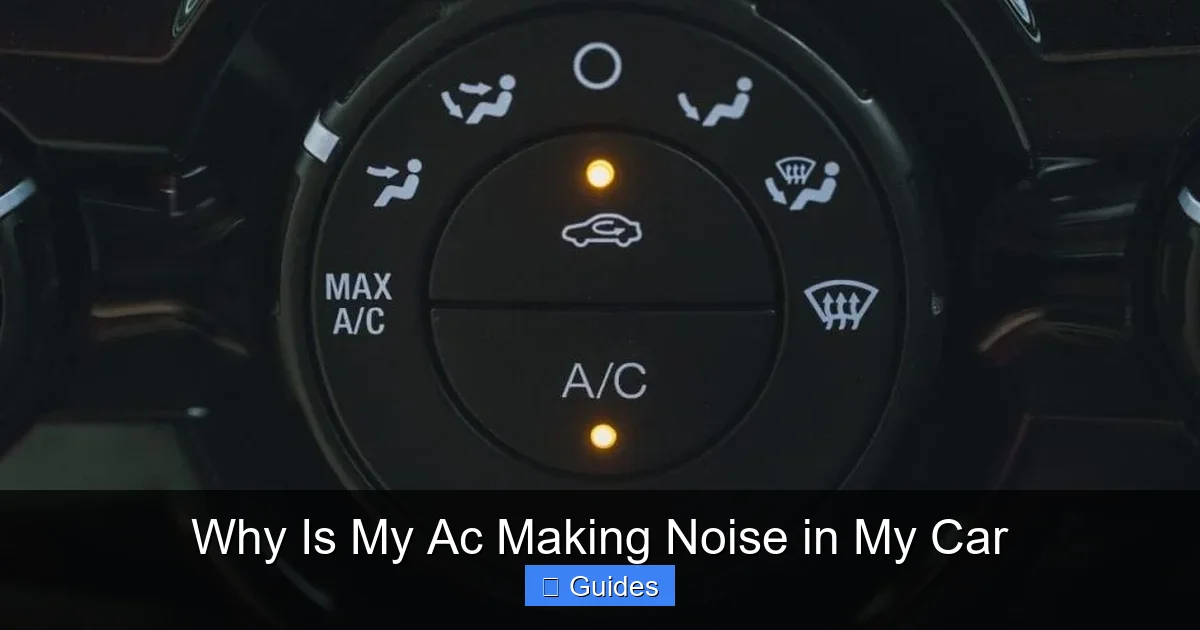
You don’t always need a mechanic to figure out why your AC is making noise. With a few simple steps, you can narrow down the cause and decide whether it’s something you can fix or if you need professional help.
Step 1: Identify When the Noise Occurs
Pay attention to when the noise happens. Does it start when you first turn on the AC? Does it happen only at certain fan speeds? Does it go away after a few minutes?
For example:
– Noise at startup: Could be compressor or clutch issue.
– Noise only on high fan: Likely blower motor or debris.
– Noise when AC cycles on/off: May indicate low refrigerant or electrical problem.
Step 2: Check the Cabin Air Filter
A dirty or clogged cabin air filter restricts airflow, forcing the blower motor to work harder. This can cause noise and reduce cooling efficiency.
How to check: Locate the filter (usually behind the glove box or under the dashboard), remove it, and inspect it. If it’s dirty, replace it. Most filters should be changed every 12,000 to 15,000 miles.
Step 3: Inspect the Serpentine Belt
Open the hood and locate the serpentine belt. Look for cracks, fraying, or shiny spots (glazing). Press on the belt—it should have minimal give. If it’s loose or damaged, it may need adjustment or replacement.
Step 4: Listen for Hissing
With the engine off, listen around the AC lines, compressor, and firewall for a hissing sound. This could indicate a refrigerant leak. Use a leak detection kit or UV dye if you’re comfortable doing so—but remember, handling refrigerant requires certification.
Step 5: Test the Blower Motor
Turn the fan on different speeds and listen carefully. If the noise changes with speed, it’s likely related to the blower. If it’s constant, the issue may be elsewhere.
When to See a Mechanic
While some AC noises can be resolved with simple fixes, others require professional attention. Here’s when you should call a mechanic:
– The noise is loud, persistent, or getting worse.
– The AC is not cooling properly.
– You hear grinding or metal-on-metal sounds.
– There’s a strong smell of burning or electrical odor.
– The compressor clutch doesn’t engage when the AC is turned on.
A certified technician can perform a full diagnostic, including checking refrigerant levels, inspecting electrical components, and testing system pressure. They can also safely handle refrigerant and repair leaks.
Pro Tip: If your car is still under warranty, have the dealer inspect the AC system. Many compressor and electrical issues are covered under powertrain or AC warranties.
Preventing AC Noise: Maintenance Tips
The best way to avoid AC noise is through regular maintenance. A well-maintained system runs quietly and efficiently.
Change the Cabin Air Filter Regularly
A clean filter ensures proper airflow and reduces strain on the blower motor. Check it every 6 months and replace it as needed.
Inspect Belts and Hoses
Check the serpentine belt and AC hoses during routine maintenance. Look for wear, cracks, or leaks. Replace belts every 60,000 to 100,000 miles.
Run the AC Year-Round
Even in winter, run your AC for 10 minutes every few weeks. This keeps the compressor lubricated and prevents seals from drying out.
Use the Recirculation Mode
Using recirculation mode reduces the load on the system by reusing cool air instead of pulling in hot outside air. This can reduce wear and tear.
Get Annual AC Inspections
Have a professional inspect your AC system once a year, especially before summer. They can check refrigerant levels, test components, and catch small issues before they become big problems.
Conclusion: Don’t Ignore AC Noise—Act Early
If your car’s AC is making noise, it’s not just annoying—it’s a warning. Whether it’s a squeal, rattle, hiss, or grind, that sound is telling you something is wrong. Ignoring it can lead to bigger problems, higher repair bills, and a sweltering ride on hot days.
By learning to identify the sounds and understanding the common causes, you can take action before minor issues become major failures. Simple maintenance like changing filters and inspecting belts can go a long way in keeping your AC quiet and efficient.
But when in doubt, don’t hesitate to consult a professional. Your comfort, safety, and wallet will thank you. Remember: a quiet AC is a happy AC. Keep it that way with regular care and prompt attention to any unusual noises.
Frequently Asked Questions
Why is my car AC making a rattling noise?
A rattling noise is often caused by loose components inside the dashboard or debris in the blower fan. Check the cabin air filter and inspect the blower motor area for loose parts. If the noise persists, the blower motor itself may be failing.
What does a squealing AC mean?
A squealing sound usually indicates a problem with the serpentine belt or AC compressor clutch. The belt may be loose or worn, or the clutch may be slipping. Inspect the belt for damage and have the clutch checked if the noise continues.
Can low refrigerant cause AC noise?
Yes, low refrigerant can cause the compressor to cycle rapidly, creating a clicking or chattering noise. It can also lead to hissing if there’s a leak. Always have leaks repaired before recharging the system.
Is it safe to drive with a noisy AC?
It depends on the noise. Grinding or metal-on-metal sounds indicate serious issues and should be addressed immediately. Minor rattling or clicking may be safe temporarily, but have it checked soon to avoid further damage.
How much does it cost to fix a noisy car AC?
Costs vary widely. Replacing a cabin air filter costs $10–$30, while a new blower motor may cost $200–$400. A compressor replacement can range from $600 to $1,200, including labor and refrigerant.
Can I fix AC noise myself?
Some issues, like replacing a cabin filter or clearing debris, can be DIY. However, refrigerant handling and compressor repairs require certification and specialized tools. When in doubt, consult a professional.

At CarLegit, we believe information should be clear, factual, and genuinely helpful. That’s why every guide, review, and update on our website is created with care, research, and a strong focus on user experience.