
Your car overheating all of a sudden can signal serious engine trouble. From low coolant levels to a failing water pump, identifying the root cause quickly can save you from costly repairs and keep you safe on the road.
In This Article
- 1 Key Takeaways
- 2 📑 Table of Contents
- 3 Why Is My Car Overheating All of a Sudden?
- 4 What Causes Sudden Car Overheating?
- 5 Warning Signs Your Car Is Overheating
- 6 What to Do If Your Car Overheats
- 7 How to Prevent Sudden Overheating
- 8 When to See a Mechanic
- 9 Conclusion
- 10 Frequently Asked Questions
- 10.1 Why did my car overheat when I was just driving normally?
- 10.2 Can low coolant cause sudden overheating?
- 10.3 Is it safe to drive with an overheating engine?
- 10.4 Why does my car overheat in traffic but not on the highway?
- 10.5 Can a bad radiator cause sudden overheating?
- 10.6 How much does it cost to fix a car that overheats?
Key Takeaways
- Low coolant levels are the most common cause: A sudden drop in coolant due to leaks or evaporation can lead to rapid overheating.
- A malfunctioning thermostat can trap coolant: If the thermostat gets stuck closed, coolant can’t flow to the radiator, causing the engine to overheat.
- Radiator issues block heat dissipation: Clogs, leaks, or damaged fins reduce the radiator’s ability to cool the engine.
- Water pump failure stops coolant circulation: A broken or leaking water pump means coolant isn’t moving, leading to overheating.
- Cooling fan problems prevent airflow: If electric fans don’t turn on, especially in traffic, the engine can overheat quickly.
- Head gasket failure is a serious concern: A blown head gasket can allow coolant to leak into the engine, causing sudden overheating and white smoke.
- Ignoring overheating can destroy your engine: Continuing to drive when overheating can warp engine parts and lead to complete engine failure.
📑 Table of Contents
Why Is My Car Overheating All of a Sudden?
You’re cruising down the highway, enjoying the breeze through your open window, when suddenly the temperature gauge spikes into the red. Your dashboard lights up with a warning, and you smell something hot—maybe even see steam rising from under the hood. Your car is overheating, and it’s happening out of nowhere.
It’s a scary moment. Overheating doesn’t just mean your AC stops working—it can mean serious damage to your engine. But why does it happen so suddenly? Most drivers assume overheating builds slowly, but in reality, it can strike without warning. A small leak, a failed part, or even a clogged component can cause your engine to overheat in minutes.
The good news? Most sudden overheating issues are preventable—and fixable—if you know what to look for. In this guide, we’ll walk you through the most common reasons your car might overheat all of a sudden, how to spot the warning signs, and what you can do to protect your engine. Whether you’re a weekend driver or a daily commuter, understanding these causes can save you time, money, and stress.
What Causes Sudden Car Overheating?
Visual guide about Why Is My Car Overheating All of a Sudden
Image source: motorvanguard.com
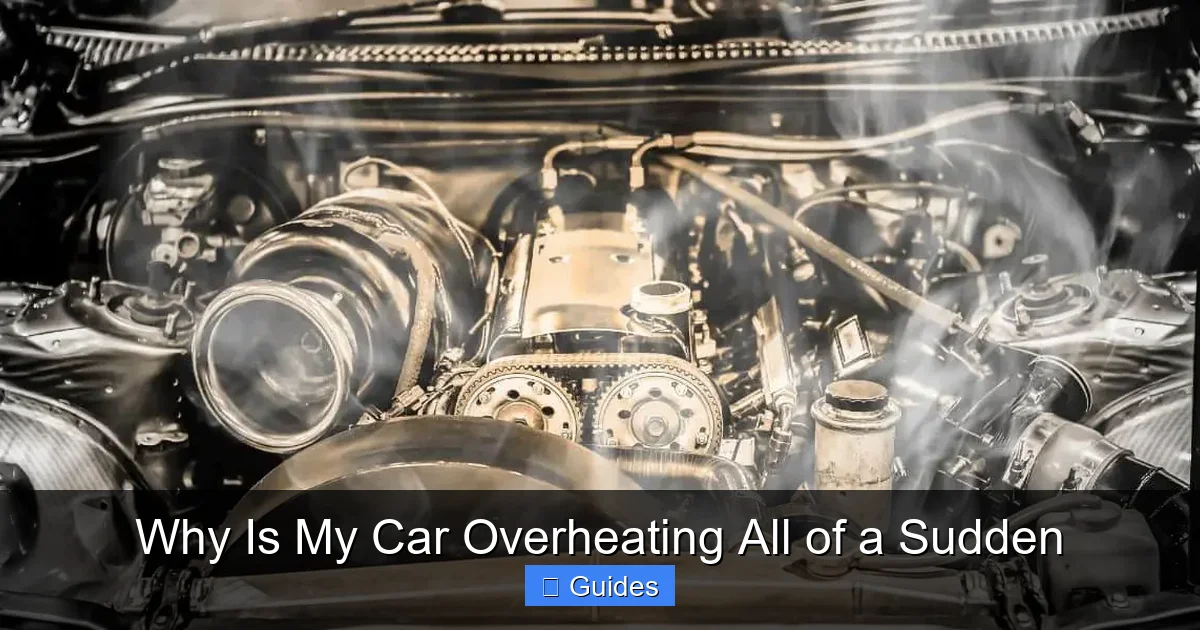
Overheating happens when your engine generates more heat than the cooling system can handle. Your car’s cooling system is designed to keep the engine at a safe operating temperature—usually between 195°F and 220°F. When something goes wrong, that balance breaks, and temperatures rise fast.
But why does it happen so suddenly? Unlike gradual wear and tear, some failures occur without much warning. A hose bursts, a belt snaps, or a sensor fails—and boom, your engine is in trouble. The key is understanding the most common culprits behind sudden overheating.
Let’s break down the top causes, from the simple to the serious.
Low Coolant Levels
The most common reason for sudden overheating is low coolant. Coolant—also called antifreeze—absorbs heat from the engine and carries it to the radiator, where it’s cooled by air. If there’s not enough coolant, the engine can’t shed heat, and temperatures rise quickly.
You might think, “I just topped it off last month!” But coolant doesn’t just disappear. If your levels are low, there’s likely a leak. Common leak spots include:
– Radiator seams or core
– Water pump gasket
– Heater core
– Radiator hoses
– Head gasket (more on that later)
Even a small leak can cause a big problem over time. For example, a pinhole in a hose might drip just a few drops a day, but after a week, you could be dangerously low.
Tip: Check your coolant level regularly. Most cars have a translucent reservoir tank with “MIN” and “MAX” markings. If it’s below MIN, top it off—but also look for signs of a leak, like puddles under your car or white residue around engine parts.
Thermostat Failure
The thermostat is a small but mighty part of your cooling system. It acts like a gatekeeper, controlling when coolant flows from the engine to the radiator. When the engine is cold, the thermostat stays closed, letting the engine warm up quickly. Once it reaches operating temperature, the thermostat opens, allowing coolant to circulate.
But if the thermostat gets stuck closed, coolant can’t reach the radiator. The engine heats up fast—sometimes in just a few minutes of driving. This is a classic case of sudden overheating.
You might notice other symptoms too:
– The temperature gauge rises quickly
– The heater doesn’t blow warm air
– Coolant reservoir bubbles or overflows
Thermostats can fail due to age, corrosion, or debris in the coolant. Replacing one is relatively inexpensive—usually under $100 for parts and labor—but ignoring it can lead to engine damage.
Example: Sarah noticed her car overheated every time she drove more than 10 minutes. She took it to a mechanic, who found the thermostat was stuck shut. A $75 fix saved her from a potential $3,000 engine repair.
Radiator Problems
The radiator is the heart of your cooling system. It’s a network of thin tubes and fins that cools the hot coolant as air flows through it. But if the radiator is clogged, damaged, or leaking, it can’t do its job.
Common radiator issues include:
– Internal clogs from rust or debris
– External blockages from dirt, bugs, or debris
– Leaks from corrosion or impact damage
– Damaged fins that reduce airflow
A clogged radiator might not show symptoms right away. But over time, coolant flow slows, and heat builds up. In some cases, a sudden blockage—like a piece of debris getting stuck—can cause immediate overheating.
You might also notice:
– Coolant leaks under the front of the car
– Overheating in traffic but not on the highway (less airflow)
– A sweet smell from the engine bay
Tip: Inspect your radiator regularly. Look for bent fins, dirt buildup, or signs of leakage. If you see green, orange, or pink fluid under your car, it’s likely coolant.
Water Pump Failure
The water pump is what keeps coolant moving through the engine and radiator. It’s driven by a belt (serpentine or timing belt) and uses an impeller to push coolant through the system. If the pump fails, coolant stops circulating—and your engine heats up fast.
Signs of a failing water pump include:
– Coolant leaks near the front of the engine
– A whining or grinding noise from the pump area
– Overheating, especially at idle or low speeds
– Steam or smoke from the engine bay
Water pumps can fail due to worn bearings, a broken impeller, or a leaking seal. In some cases, the pump might work fine at high speeds but fail at low RPMs, causing overheating in traffic.
Example: Mark’s car overheated every time he was stuck in rush hour. At highway speeds, it was fine. A mechanic found the water pump impeller was broken, so coolant wasn’t circulating at low speeds. Replacing the pump fixed the issue.
Cooling Fan Malfunction
Your radiator needs airflow to cool the coolant. At high speeds, air moves through the radiator naturally. But in traffic or when idling, your car relies on electric cooling fans to pull air through.
If the fans don’t turn on, the radiator can’t cool the coolant, and the engine overheats—even if everything else is working.
Common fan problems include:
– Blown fuse or relay
– Faulty temperature sensor
– Bad fan motor
– Wiring issues
You might notice:
– Overheating only when stopped or in slow traffic
– The fan doesn’t spin when the AC is on (it should)
– A burning smell if the motor is overheating
Tip: Turn on your AC and see if the fan kicks on. If it doesn’t, there’s likely an electrical issue. Check fuses first—they’re cheap and easy to replace.
Head Gasket Failure
This is the big one. A blown head gasket is a serious problem that can cause sudden, severe overheating. The head gasket seals the engine block and cylinder head, keeping coolant, oil, and combustion gases separate.
If it fails, coolant can leak into the combustion chamber or oil passages. This not only reduces coolant levels but can also cause:
– White smoke from the exhaust (steam from burning coolant)
– Milky oil on the dipstick (coolant mixing with oil)
– Bubbles in the coolant reservoir
– Loss of power or rough running
Head gasket failure can happen suddenly due to overheating, engine stress, or manufacturing defects. It’s expensive to fix—often $1,500 to $2,500—but ignoring it can destroy your engine.
Warning: If you see white smoke, milky oil, or bubbles in the coolant, stop driving immediately. Continuing to drive can warp the cylinder head or crack the engine block.
Warning Signs Your Car Is Overheating
Visual guide about Why Is My Car Overheating All of a Sudden
Image source: cdn.carpassionate.com
Overheating doesn’t always happen in a flash. Sometimes, there are warning signs you can catch early. Knowing what to look for can help you avoid a breakdown.
Rising Temperature Gauge
The most obvious sign is the temperature gauge climbing into the red zone. Most cars have a gauge on the dashboard that shows engine temperature. If it’s in the middle, you’re fine. If it’s near the top, pull over.
Some cars have a warning light instead of a gauge. It usually looks like a thermometer or says “TEMP.” If it comes on, stop driving.
Steam or Smoke from the Hood
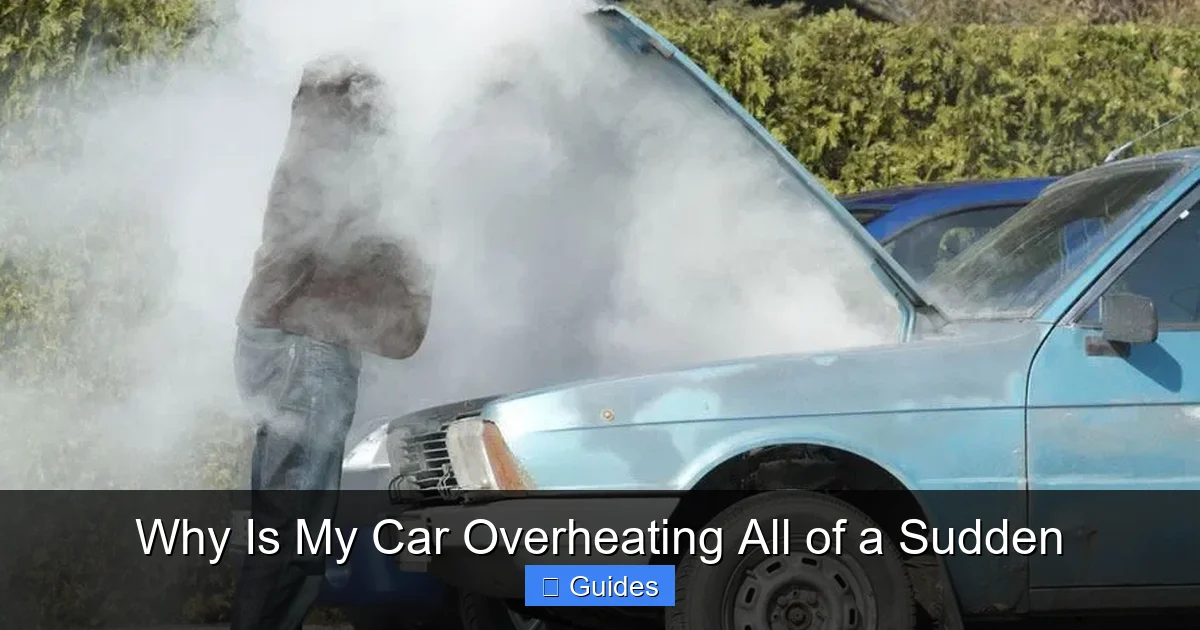
If you see steam or smoke coming from under the hood, your engine is overheating badly. Steam usually means coolant is boiling and escaping. Smoke could mean oil or coolant is burning.
Important: Do not open the hood immediately. The radiator cap is under pressure and can spray scalding hot coolant. Wait 15–20 minutes for the engine to cool before checking.
Sweet Smell
Coolant has a sweet, syrupy smell. If you smell it inside the car or near the engine, you might have a leak. It could be from the heater core, radiator, or hoses.
Reduced Engine Performance
An overheating engine may run rough, lose power, or stall. This happens because hot metal expands and can seize moving parts.
Coolant Leaks
Look for puddles under your car. Coolant is usually green, orange, or pink and has a slimy texture. If you see a puddle, check the color and smell.
What to Do If Your Car Overheats
Visual guide about Why Is My Car Overheating All of a Sudden
Image source: cdn.carpassionate.com
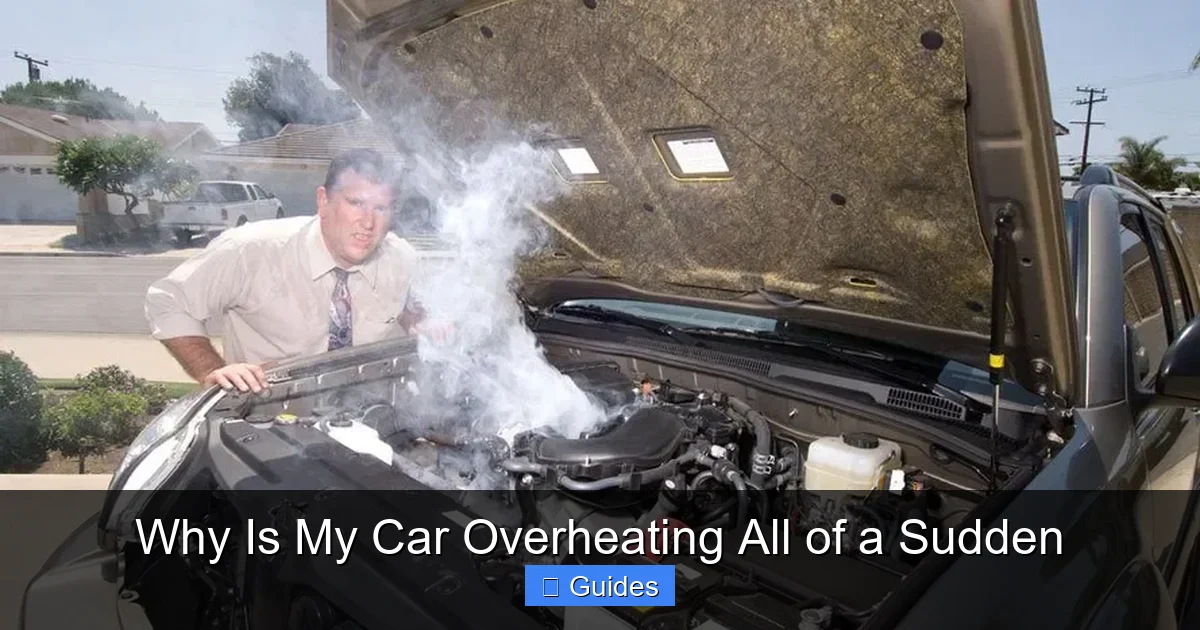
If your car overheats, don’t panic. Follow these steps to stay safe and minimize damage.
Pull Over Safely
As soon as you notice the temperature rising, turn off the AC and turn on the heater to full blast. This pulls heat away from the engine. Then, pull over to a safe location—preferably off the road.
Turn Off the Engine
Once stopped, turn off the engine. Let it cool for at least 15–20 minutes. Do not open the radiator cap while the engine is hot—it can cause severe burns.
Check Coolant Level
After the engine cools, check the coolant reservoir. If it’s low, add coolant or water (in an emergency). Use a 50/50 mix of coolant and water if possible.
Inspect for Leaks
Look under the hood for signs of leaks—puddles, wet spots, or white residue. Check hoses, the radiator, water pump, and thermostat housing.
Call for Help
If you can’t find the problem or don’t feel safe driving, call a tow truck or roadside assistance. Driving with an overheating engine can cause irreversible damage.
Get It Checked
Even if you fix the issue temporarily, have a mechanic inspect your car. Overheating can cause hidden damage, like warped cylinder heads or cracked blocks.
How to Prevent Sudden Overheating
The best way to deal with overheating is to stop it before it starts. Regular maintenance can catch problems early.
Check Coolant Regularly
Check your coolant level every month. Top it off if needed, and look for leaks. Replace coolant every 30,000 to 50,000 miles, or as recommended in your owner’s manual.
Inspect Hoses and Belts
Look for cracks, bulges, or soft spots in coolant hoses. Replace them if they’re worn. Check the serpentine belt for wear and proper tension.
Clean the Radiator
Keep the radiator clean. Use a garden hose to gently spray the front and back, removing dirt, bugs, and debris. Be careful not to bend the fins.
Test the Thermostat
If your car runs hot or cold inconsistently, have the thermostat tested. A mechanic can check if it’s opening and closing properly.
Monitor the Cooling Fan
Make sure the cooling fan turns on when the engine is hot or the AC is running. If it doesn’t, check fuses and relays.
Watch for Warning Signs
Pay attention to changes in how your car runs. Unusual smells, noises, or performance issues can signal cooling system problems.
When to See a Mechanic
Some overheating issues are easy to fix at home—like topping off coolant or replacing a fuse. But others require professional help.
See a mechanic if:
– You see white smoke from the exhaust
– The oil looks milky
– The engine overheats repeatedly
– You hear grinding or whining noises
– The temperature gauge spikes suddenly
Ignoring these signs can lead to costly repairs. A $100 thermostat replacement is much cheaper than a $3,000 engine rebuild.
Conclusion
Your car overheating all of a sudden is more than an inconvenience—it’s a warning that something is wrong with your cooling system. Whether it’s low coolant, a stuck thermostat, or a blown head gasket, the cause can often be traced to a single failing component.
The key is to act quickly. Pull over, let the engine cool, and assess the situation. Don’t ignore warning signs like steam, strange smells, or performance issues. And most importantly, don’t keep driving if your car is overheating.
Regular maintenance is your best defense. Check coolant levels, inspect hoses, and listen for unusual noises. A little attention now can prevent a major breakdown later.
Remember, your car’s cooling system is designed to protect your engine. When it fails, your engine pays the price. By understanding why your car might overheat all of a sudden, you can stay one step ahead—and keep your ride running smoothly for miles to come.
Frequently Asked Questions
Why did my car overheat when I was just driving normally?
Your car can overheat suddenly due to a failing part like the thermostat, water pump, or cooling fan. Even normal driving can trigger overheating if a component fails without warning.
Can low coolant cause sudden overheating?
Yes, low coolant is one of the most common causes. A leak or evaporation can drop levels quickly, reducing the system’s ability to cool the engine.
Is it safe to drive with an overheating engine?
No. Driving while overheating can warp engine parts, crack the block, or destroy the head gasket. Pull over immediately and let the engine cool.
Why does my car overheat in traffic but not on the highway?
This usually points to a cooling fan issue. At highway speeds, airflow cools the radiator, but in traffic, the fan must do the work. If it’s not working, the engine overheats.
Can a bad radiator cause sudden overheating?
Yes. A clogged, leaking, or damaged radiator can’t cool the coolant properly, leading to rapid temperature spikes, especially under load or in hot weather.
How much does it cost to fix a car that overheats?
Costs vary. Simple fixes like a thermostat or coolant top-off cost $50–$150. Serious issues like a blown head gasket can cost $1,500 or more. Early diagnosis saves money.

At CarLegit, we believe information should be clear, factual, and genuinely helpful. That’s why every guide, review, and update on our website is created with care, research, and a strong focus on user experience.