
If your Jeep is making a ticking noise, it’s often due to normal engine operation, low oil, or valve train issues. While some ticking is harmless, persistent or loud sounds may signal a problem needing attention. This guide breaks down the most common causes and what you can do about them.
In This Article
Key Takeaways
- Normal engine operation: Light ticking from fuel injectors or valve lifters is common and usually not a concern.
- Low or dirty oil: Insufficient or degraded oil can cause increased engine noise and wear.
- Hydraulic lifter issues: Worn or clogged lifters may produce a rhythmic ticking sound, especially when cold.
- Timing chain or belt problems: A loose or worn timing component can create a metallic ticking noise.
- Exhaust leaks: A small leak near the manifold can mimic a ticking sound due to escaping gases.
- Spark plug or ignition issues: Loose or faulty spark plugs may cause irregular engine noise.
- When to see a mechanic: If ticking is loud, worsening, or accompanied by performance issues, get it checked immediately.
📑 Table of Contents
Why Is My Jeep Making a Ticking Noise?
You’re cruising down the highway or idling at a stoplight when you hear it—a faint but persistent ticking noise coming from under the hood. Your first thought? “Is my Jeep broken?” Don’t panic just yet. Ticking noises in Jeeps are surprisingly common, and in many cases, they’re not a sign of serious trouble. But that doesn’t mean you should ignore them either.
Jeeps, especially models like the Wrangler, Cherokee, and Grand Cherokee, are built for performance and durability. Their engines are designed to handle tough terrain, heavy loads, and long drives. But like any mechanical system, they can develop quirks over time. The ticking noise you’re hearing could be something as simple as your fuel injectors doing their job—or it could point to a deeper issue that needs attention.
The good news? Most ticking noises are manageable, especially if you catch them early. The key is understanding what’s normal and what’s not. In this guide, we’ll walk you through the most common reasons your Jeep might be ticking, how to identify the source, and what steps you can take to fix it. Whether you’re a seasoned off-roader or a daily commuter, this information will help you keep your Jeep running smoothly and quietly.
Understanding Normal Engine Sounds vs. Warning Signs
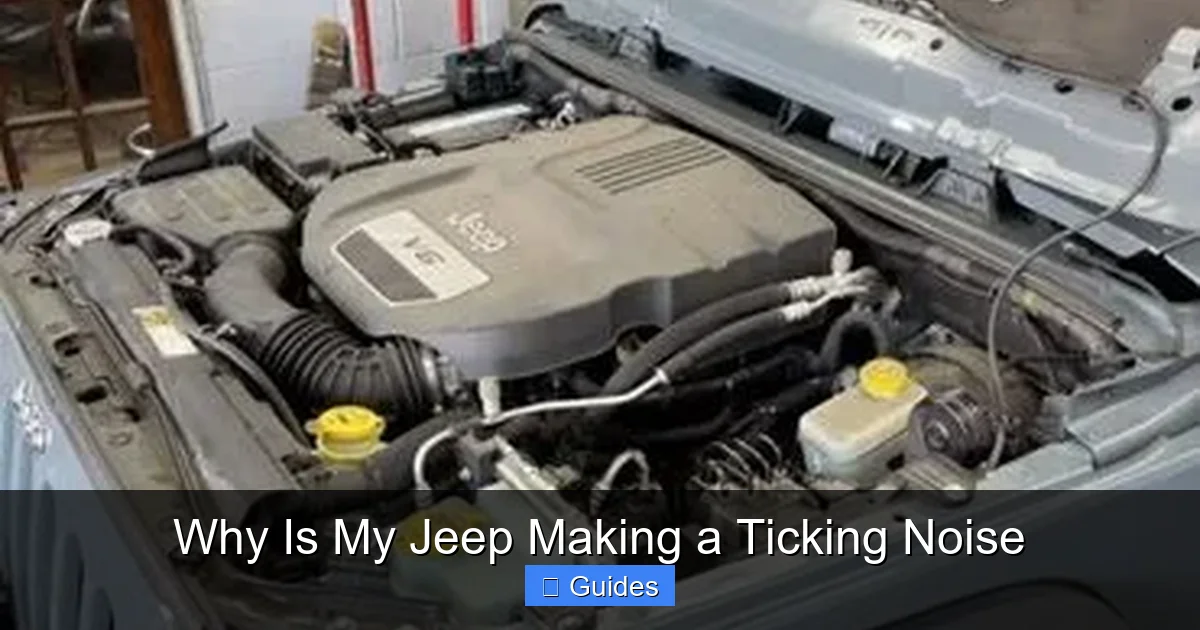
Visual guide about Why Is My Jeep Making a Ticking Noise
Image source: smartvehiclecare.com
Before jumping to conclusions, it’s important to distinguish between normal engine sounds and potential red flags. Every engine makes noise—it’s a complex machine with hundreds of moving parts working together. But not all sounds are created equal.
A light, rhythmic ticking that comes and goes—especially when the engine is cold—is often perfectly normal. This is typically caused by the fuel injectors pulsing as they deliver fuel into the combustion chamber. Modern Jeeps use direct injection systems, which operate at high pressure and can produce a distinct ticking or clicking sound. You might hear this more clearly when you’re sitting in the driver’s seat with the windows up and the radio off.
Similarly, hydraulic lifters (also called hydraulic lash adjusters) can make a soft ticking noise as they adjust valve clearance. These components are designed to self-adjust, but they can sometimes produce a faint tick, particularly during startup or when the engine is under load. Again, this is usually nothing to worry about.
However, if the ticking becomes louder, more frequent, or changes in rhythm, it’s time to pay attention. A sudden increase in noise, especially if it’s accompanied by a drop in performance, reduced fuel efficiency, or warning lights on the dashboard, could indicate a developing problem. For example, a loud, metallic ticking that gets worse as the engine revs might point to a mechanical issue like a failing lifter or timing chain.
The key is consistency. If the ticking has been the same since you bought the Jeep and hasn’t changed over time, it’s likely normal. But if it’s a new sound—or one that’s getting progressively worse—it’s worth investigating.
How to Listen Like a Pro
One of the best ways to diagnose engine noise is to listen carefully and note when the ticking occurs. Ask yourself:
– Does the ticking happen only when the engine is cold?
– Is it louder at idle or under acceleration?
– Does it change when you turn the steering wheel or shift gears?
– Is the noise coming from the front, side, or back of the engine?
Using a mechanic’s stethoscope or even a long screwdriver (carefully placed against metal parts) can help you pinpoint the source. Just be cautious—never touch moving parts or hot surfaces.
You can also try revving the engine slightly while listening. If the ticking increases with engine speed, it’s likely related to internal components like lifters or injectors. If it stays the same or disappears, it might be something else—like an exhaust leak.
Common Causes of Ticking Noises in Jeeps

Visual guide about Why Is My Jeep Making a Ticking Noise
Image source: koala.sh
Now that you know how to listen, let’s dive into the most common reasons your Jeep might be ticking. Understanding these causes will help you determine whether it’s a quick fix or a job for a professional.
1. Fuel Injector Operation
One of the most frequent—and often misunderstood—sources of ticking is the fuel injectors. These small solenoid valves open and close multiple times per second to spray fuel into the engine’s cylinders. Because they operate at high pressure, especially in direct injection systems, they can produce a noticeable ticking or clicking sound.
In many Jeeps, particularly those with the 3.6L Pentastar V6 or 2.0L turbocharged engines, this noise is completely normal. You might hear it more clearly when the engine is idling or under light load. The sound is often described as a rapid, metallic tick—like a Geiger counter—and it’s usually most noticeable in quiet environments.
So how do you know if it’s normal? First, check your owner’s manual. Many manufacturers acknowledge that injector noise is common and not a cause for concern. Second, consider the context. If the ticking has been present since you bought the vehicle and hasn’t changed, it’s likely just the injectors doing their job.
However, if the ticking becomes excessively loud, irregular, or is accompanied by rough idling, poor fuel economy, or a check engine light, it could indicate a problem with the injectors themselves. Clogged or malfunctioning injectors can disrupt the fuel spray pattern, leading to incomplete combustion and increased noise.
2. Hydraulic Lifter Tick
Another common culprit is the hydraulic lifter. These components sit between the camshaft and the valves, using oil pressure to maintain proper valve clearance. Over time, lifters can become clogged with sludge or wear out, leading to a ticking noise—especially when the engine is cold.
The ticking from a faulty lifter is often rhythmic and may disappear as the engine warms up and oil pressure stabilizes. It’s usually most noticeable at idle and may lessen under acceleration. If you hear a consistent tick that follows the engine’s RPM, it’s a strong indicator of lifter issues.
One of the main causes of lifter problems is poor oil maintenance. If you haven’t changed your oil regularly or have used low-quality oil, sludge can build up in the engine, blocking oil passages and starving the lifters of proper lubrication. This is especially common in Jeeps that are driven in stop-and-go traffic or used for towing, where the engine runs hotter and oil breaks down faster.
In some cases, a simple oil change with a high-quality synthetic oil and a engine flush can resolve the issue. But if the lifters are severely worn or damaged, they may need to be replaced—a job that typically requires removing the valve covers and, in some cases, the cylinder heads.
3. Low or Dirty Engine Oil
Oil is the lifeblood of your engine. It lubricates moving parts, reduces friction, and helps dissipate heat. When oil levels are low or the oil is old and contaminated, engine components can start to rub against each other, creating noise—including ticking.
Low oil pressure is a major cause of ticking, especially in the valve train. If the oil pump isn’t delivering enough pressure, lifters and other components may not be properly pressurized, leading to clattering or ticking sounds. This is often worse when the engine is cold, as cold oil is thicker and flows more slowly.
Dirty or degraded oil can also contribute to noise. Over time, oil breaks down and collects contaminants like dirt, metal particles, and combustion byproducts. This sludge can clog oil passages and reduce lubrication, increasing wear and noise.
The fix? Regular oil changes. Most Jeep models recommend changing the oil every 5,000 to 7,500 miles, depending on driving conditions. If you do a lot of city driving, towing, or off-roading, you may need to change it more frequently. Always use the oil grade recommended in your owner’s manual—typically 5W-20 or 0W-20 for newer models.
4. Timing Chain or Belt Issues
The timing chain (or belt, depending on your Jeep model) synchronizes the rotation of the crankshaft and camshaft, ensuring that valves open and close at the right time. A loose, worn, or damaged timing component can produce a metallic ticking or rattling noise, especially at idle or low RPM.
In Jeeps with timing chains—like the 3.6L V6—the noise may be more of a rattle than a tick, but it can still be mistaken for other issues. Timing chains are designed to last the life of the engine, but they can stretch or wear over time, particularly if oil changes are neglected.
A failing timing chain may also cause the engine to run rough, misfire, or even fail to start. In extreme cases, it can lead to catastrophic engine damage if a valve collides with a piston.
If you suspect a timing issue, it’s best to have it inspected by a professional. Replacing a timing chain is a complex and expensive job, but catching it early can prevent more serious problems down the road.
5. Exhaust Manifold Leaks
An exhaust leak near the manifold can produce a ticking or hissing sound that mimics engine noise. As hot exhaust gases escape through a small crack or loose bolt, they create a rhythmic puffing sound—especially when the engine is cold and the metal contracts.
This type of ticking often changes with engine load and may disappear as the engine warms up and the manifold expands, sealing the leak. You might also notice a drop in fuel efficiency or a sulfur smell from the exhaust.
To check for an exhaust leak, inspect the manifold and gaskets for signs of soot, rust, or loose bolts. A mechanic can also perform a pressure test to confirm the leak.
6. Spark Plug or Ignition Problems
Loose or improperly torqued spark plugs can cause a ticking noise as they vibrate in their sockets. This is often accompanied by misfires, rough idling, or a check engine light.
If you’ve recently had your spark plugs replaced, double-check that they were installed correctly. Otherwise, have them inspected and tightened or replaced as needed.
When to Worry: Red Flags to Watch For

Visual guide about Why Is My Jeep Making a Ticking Noise
Image source: cartireinflator.com
Not all ticking noises are created equal. While some are harmless, others can signal serious problems. Here’s how to tell the difference.
If the ticking is loud, persistent, or getting worse over time, it’s time to take action. A sudden increase in noise—especially if it’s accompanied by a loss of power, rough running, or warning lights—could indicate a mechanical failure.
Other red flags include:
– Ticking that only occurs under acceleration or load
– A change in engine performance, such as hesitation or stalling
– Oil pressure warnings or low oil levels
– Smoke from the exhaust or a burning smell
– Visible leaks under the vehicle
If you notice any of these signs, don’t wait. Have your Jeep inspected by a qualified mechanic as soon as possible. Ignoring the problem could lead to costly repairs or even engine failure.
DIY Fixes and Preventive Maintenance
The good news is that many ticking noises can be prevented—or even fixed—with simple maintenance.
Regular Oil Changes
As mentioned earlier, clean oil is essential for quiet engine operation. Stick to the recommended oil change interval and use high-quality synthetic oil. Consider using an oil additive designed to clean sludge and improve lubrication.
Use Fuel System Cleaners
Over time, fuel injectors can become clogged with carbon deposits. Using a quality fuel system cleaner every 3,000 to 5,000 miles can help keep them clean and functioning properly.
Inspect and Maintain the Engine
Regularly check your engine for leaks, loose components, and worn parts. Listen for changes in noise and address them early.
Warm Up the Engine
Allow your Jeep to warm up for a minute or two before driving, especially in cold weather. This helps oil circulate and reduces stress on cold components.
Conclusion
Hearing a ticking noise from your Jeep can be unsettling, but in most cases, it’s not a cause for alarm. Light ticking from fuel injectors or lifters is often normal, especially in modern engines. However, if the noise is loud, worsening, or accompanied by performance issues, it’s important to investigate further.
By understanding the common causes—and knowing when to seek professional help—you can keep your Jeep running smoothly and quietly for years to come. Regular maintenance, attentive listening, and timely repairs are the keys to a healthy engine.
Remember: your Jeep is built to handle tough conditions, but it still needs care and attention. Don’t ignore the ticking—listen to it, learn from it, and take action when needed. Your engine will thank you.
Frequently Asked Questions
Is a ticking noise in my Jeep normal?
Yes, a light ticking noise is often normal, especially from fuel injectors or hydraulic lifters. It’s common in modern Jeeps and usually not a cause for concern if it’s consistent and not worsening.
Why does my Jeep tick when I start it cold?
Cold engines have thicker oil, which flows more slowly. This can cause temporary ticking from lifters or injectors until the oil warms up and pressure stabilizes.
Can low oil cause a ticking noise?
Yes, low or dirty oil can reduce lubrication and increase engine noise. Always check your oil level and change it regularly to prevent ticking and wear.
How do I know if the ticking is serious?
If the ticking is loud, getting worse, or accompanied by performance issues, warning lights, or smoke, it could indicate a serious problem. Have it inspected by a mechanic.
Can I fix a lifter tick myself?
In some cases, an oil change with high-quality synthetic oil and an engine flush can resolve minor lifter ticking. However, severe cases may require professional repair.
Should I worry about timing chain noise?
Yes, a ticking or rattling noise from the timing chain can indicate wear or looseness. This is a serious issue that should be checked immediately to avoid engine damage.

At CarLegit, we believe information should be clear, factual, and genuinely helpful. That’s why every guide, review, and update on our website is created with care, research, and a strong focus on user experience.