
If your Nissan Altima is making a whining noise, it’s often a sign of an underlying mechanical issue that shouldn’t be ignored. From transmission problems to worn-out belts and low fluid levels, identifying the source early can save you time, money, and prevent major engine damage.
In This Article
- 1 Key Takeaways
- 2 📑 Table of Contents
- 3 Introduction: That Annoying Whine in Your Nissan Altima
- 4 Common Causes of Whining Noises in the Nissan Altima
- 5 How to Diagnose the Whining Noise Yourself
- 6 When to See a Mechanic
- 7 Prevention: How to Avoid Whining Noises in the Future
- 8 Conclusion: Don’t Ignore That Whine
- 9 Frequently Asked Questions
- 9.1 Why is my Nissan Altima making a whining noise when I accelerate?
- 9.2 Can a bad serpentine belt cause a whining noise?
- 9.3 Is a whining power steering pump dangerous?
- 9.4 How much does it cost to fix a whining noise in a Nissan Altima?
- 9.5 Can I drive my Altima if it’s making a whining noise?
- 9.6 How often should I change the transmission fluid in my Nissan Altima?
Key Takeaways
- Transmission issues are a leading cause: Low or degraded transmission fluid can create a high-pitched whine, especially during acceleration or shifting.
- Serpentine belt wear matters: A loose, cracked, or glazed belt can produce a squealing or whining sound, particularly when starting the car or using accessories.
- Power steering problems may be to blame: Low power steering fluid or a failing pump can cause a whine when turning the steering wheel.
- Alternator and accessory bearings wear out: Failing alternator, idler, or tensioner pulleys often emit a whining or grinding noise under load.
- Differential or axle issues in AWD models: All-wheel-drive Altimas may whine due to worn differential gears or CV joints.
- Early diagnosis prevents costly repairs: Addressing whining noises promptly can avoid major component failure and extend your vehicle’s lifespan.
- Regular maintenance is key: Routine fluid checks, belt inspections, and scheduled service help prevent many noise-related issues.
📑 Table of Contents
Introduction: That Annoying Whine in Your Nissan Altima
You’re driving your Nissan Altima down the highway, windows down, enjoying the ride—until you hear it. A persistent, high-pitched whining noise that seems to get louder when you accelerate. It’s not a knock or a clunk. It’s not even a rattle. It’s a smooth, almost musical whine that makes you wonder: *What on earth is going on under the hood?*
If this sounds familiar, you’re not alone. Many Nissan Altima owners—especially those with models from 2007 to 2019—report similar whining noises at some point. While it might seem minor at first, that whine is rarely just a quirk. It’s often your car’s way of saying, “Hey, something’s not right here.” Ignoring it could lead to bigger, more expensive problems down the road.
The good news? Most whining noises in the Nissan Altima are diagnosable and fixable—especially if you catch them early. Whether it’s a simple fluid top-off, a belt replacement, or a transmission service, understanding the root cause is the first step toward peace and quiet behind the wheel.
Common Causes of Whining Noises in the Nissan Altima
Visual guide about Why Is My Nissan Altima Making a Whining Noise
Image source: drivinglife.net
Whining noises in your Nissan Altima can stem from several mechanical systems. The key is to listen carefully—when does the noise happen? Is it during acceleration, deceleration, or when turning? Does it change with engine speed or vehicle speed? These clues can help pinpoint the source.
Below are the most frequent culprits behind that annoying whine. We’ll break them down one by one, so you know what to look for and what to do about it.
1. Transmission Issues
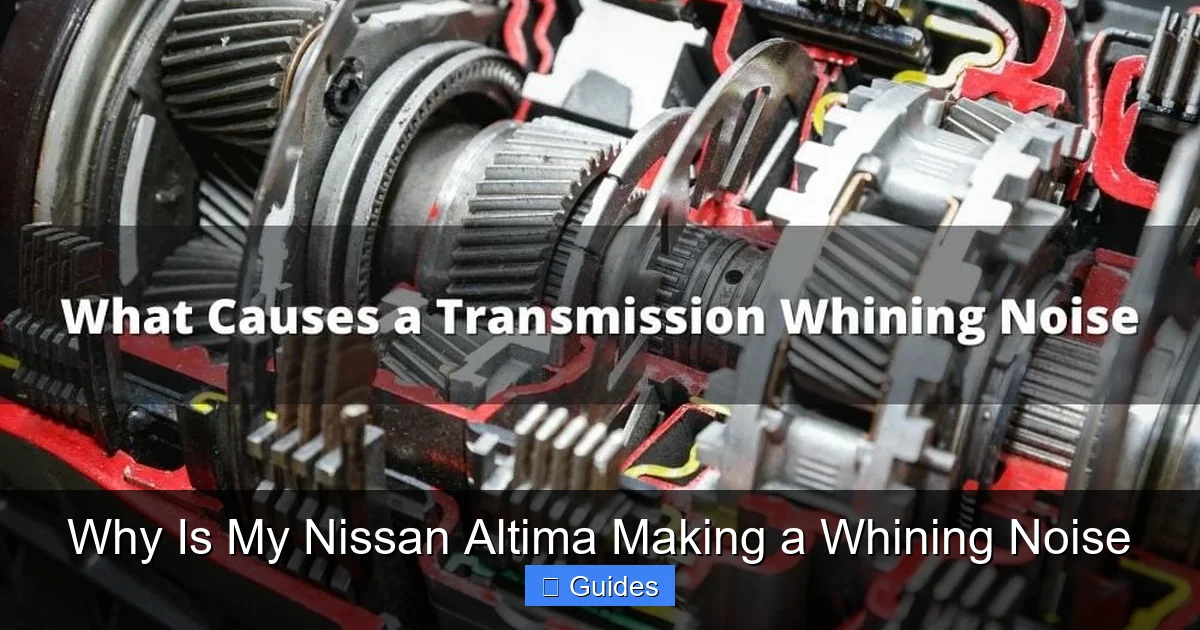
One of the most common reasons for a whining noise in the Nissan Altima is a problem with the transmission—especially in models equipped with the continuously variable transmission (CVT), which has been used in Altimas since 2007.
The CVT is designed for smooth, seamless acceleration, but it’s also more sensitive to fluid condition and internal wear. When the transmission fluid is low, dirty, or degraded, it can’t properly lubricate the internal components. This leads to increased friction and a high-pitched whine, often most noticeable when accelerating from a stop or climbing hills.
For example, if you notice the whine gets louder when you press the gas pedal but fades when you coast, your transmission could be the issue. In some cases, the noise may also be accompanied by hesitation, slipping, or delayed shifting.
Regular transmission fluid changes are critical for CVT longevity. Nissan recommends changing the fluid every 30,000 to 60,000 miles, depending on driving conditions. If you’ve skipped this service, it could be time to visit a trusted mechanic or dealership for a fluid inspection and possible flush.
2. Serpentine Belt and Tensioner Problems
The serpentine belt is a long, ribbed belt that powers essential components like the alternator, power steering pump, air conditioning compressor, and water pump. Over time, this belt can wear out, crack, or become glazed from heat and friction.
When the belt slips or loses tension, it can produce a loud whining or squealing noise—especially when starting the engine, turning on the AC, or accelerating. You might also notice the noise is worse in cold weather, as rubber belts stiffen and lose grip.
The tensioner pulley, which keeps the belt tight, can also fail. If the tensioner is worn or seized, the belt won’t stay properly aligned, leading to slippage and noise. In some cases, you might even see the belt visibly wobbling or misaligned when the engine is running.
Replacing a serpentine belt is relatively inexpensive and can often be done in under an hour. However, it’s important to inspect the tensioner and idler pulleys at the same time. Replacing just the belt without addressing a faulty tensioner is like putting a new tire on a bent rim—it won’t solve the real problem.
3. Power Steering System Malfunctions
If the whining noise occurs primarily when you turn the steering wheel—especially at low speeds, like when parking or making a U-turn—your power steering system might be the culprit.
The power steering pump relies on fluid to create hydraulic pressure that makes steering easier. When the fluid level is low, or the fluid is old and contaminated, the pump has to work harder. This strain can cause a whining or groaning sound.
In some cases, air can get trapped in the system (known as “aeration”), creating a whining noise that sounds almost like a tea kettle. This often happens after a fluid leak or improper bleeding during a repair.
Check your power steering fluid reservoir (usually located near the firewall on the driver’s side). The fluid should be clean and at the proper level. If it’s dark, gritty, or low, top it off with the correct type of fluid (check your owner’s manual). If the noise persists, the pump itself may be failing and will need replacement.
4. Alternator and Accessory Bearings
The alternator charges your car’s battery and powers electrical systems while the engine runs. It’s mounted on the engine and driven by the serpentine belt. Inside the alternator are bearings that allow the rotor to spin smoothly. Over time, these bearings can wear out.
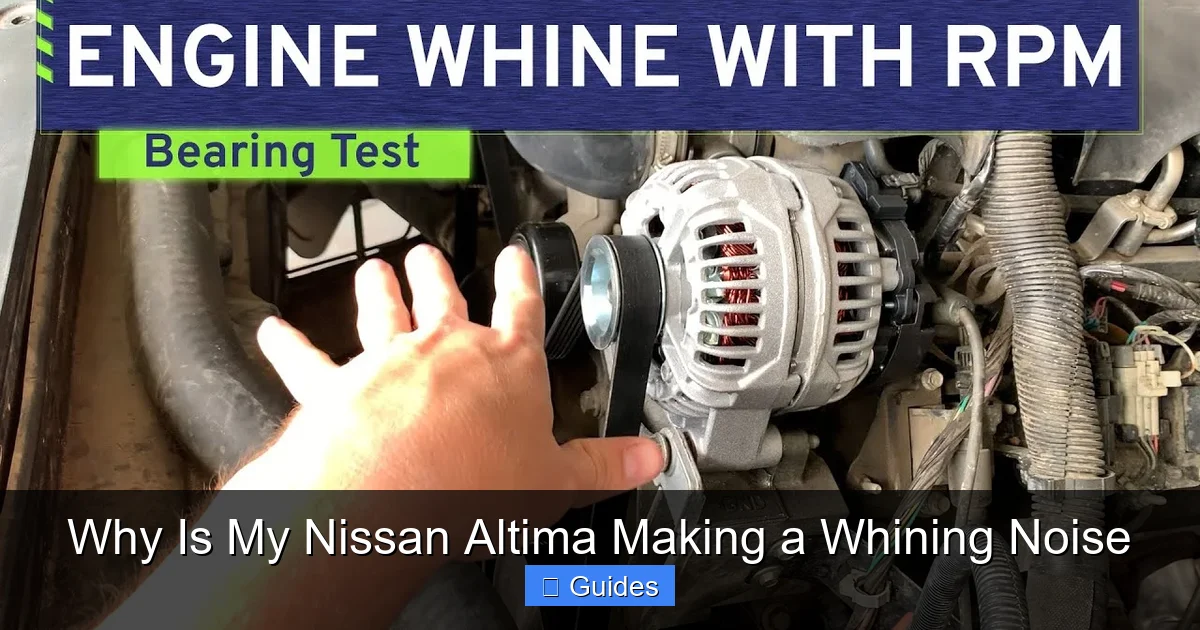
When alternator bearings fail, they often produce a high-pitched whine or grinding noise that increases with engine RPM. You might also notice electrical issues, such as dimming headlights, a weak battery, or warning lights on the dashboard.
Similarly, idler pulleys and tensioner pulleys have internal bearings that can wear out. These small but critical components help guide and tension the serpentine belt. When their bearings go bad, they emit a whining or chirping sound, especially under load.
Diagnosing bearing noise can be tricky because it often sounds similar to belt noise. One way to test is to remove the serpentine belt and spin each pulley by hand. If any pulley feels rough, gritty, or makes noise when spun, it’s likely the source of the problem.
Replacing a failing alternator or pulley is best left to professionals, as it requires proper belt routing and tensioning. But catching it early can prevent a dead battery or roadside breakdown.
5. Differential or Axle Issues (AWD Models)
If you drive a Nissan Altima with all-wheel drive (AWD), the whining noise could be coming from the rear differential or CV axles. The differential transfers power from the transmission to the rear wheels, and it contains gears that must be properly lubricated.
When differential fluid is low or contaminated, the gears can wear prematurely, leading to a whining or howling noise—especially during acceleration or deceleration. This noise may be more noticeable at highway speeds.
CV (constant velocity) joints, which connect the axles to the wheels, can also cause whining or clicking sounds when they wear out. While CV joint issues typically produce clicking during turns, severe wear can lead to a constant whine or vibration.
AWD Altimas are less common than front-wheel-drive models, but if you have one, it’s important to include the differential in your regular maintenance routine. Fluid changes every 30,000 to 50,000 miles can help prevent costly repairs.
6. Engine Accessories and Mounts
Sometimes, the whining noise isn’t from a major component but from smaller engine accessories or worn mounts. For example, the water pump has internal bearings that can fail over time. A failing water pump may produce a whining or grinding noise and can lead to overheating if not addressed.
Engine mounts, which secure the engine to the chassis, can also contribute to noise. While they don’t typically whine themselves, worn mounts can allow engine vibrations to transfer more directly into the cabin, amplifying other sounds.
If you’ve ruled out the major systems above, consider having a mechanic perform a thorough inspection of all engine accessories and mounts. A stethoscope or mechanic’s listening tool can help isolate the exact source of the noise.
How to Diagnose the Whining Noise Yourself
Visual guide about Why Is My Nissan Altima Making a Whining Noise
Image source: vehiclefreak.com
Before rushing to the mechanic, you can do some basic troubleshooting at home. Here’s a step-by-step guide to help you narrow down the cause of the whine.
Step 1: Listen Carefully
Pay attention to when the noise occurs:
– Does it happen only when accelerating?
– Is it louder when turning the steering wheel?
– Does it change with engine speed or vehicle speed?
– Is it present at idle?
These details are crucial. For example, a noise that increases with engine RPM is likely belt- or accessory-related. A noise that changes with vehicle speed may point to the transmission or differential.
Step 2: Check Fluid Levels
Pop the hood and inspect key fluid levels:
– Transmission fluid (use the dipstick if equipped; some CVTs require a scan tool)
– Power steering fluid
– Engine oil
– Coolant
Low or dirty fluid is a red flag. Top off fluids as needed, using the correct type specified in your owner’s manual.
Step 3: Inspect the Serpentine Belt
Look at the serpentine belt for signs of wear:
– Cracks or fraying
– Glazing (shiny, smooth patches)
– Missing ribs
Gently press on the belt—it should have about ½ inch of play. If it’s too loose or too tight, the tensioner may be faulty.
Step 4: Test the Accessories
With the engine off, try spinning the alternator, idler, and tensioner pulleys by hand. They should spin smoothly and quietly. Any roughness, grinding, or noise indicates a bad bearing.
You can also use a mechanic’s stethoscope (or a long screwdriver pressed against the component and your ear) to listen for noise while the engine is running. Be careful around moving parts!
Step 5: Take It for a Test Drive
Drive the car and note when the noise occurs. Try turning the AC on and off, shifting gears, and accelerating gently. This can help determine if the noise is load-dependent.
If you’re still unsure, don’t guess. A professional diagnostic can save you from replacing the wrong part.
When to See a Mechanic
Visual guide about Why Is My Nissan Altima Making a Whining Noise
Image source: i.ytimg.com
While some whining noises can be resolved with simple fixes, others require expert attention. Here’s when you should definitely visit a qualified mechanic or Nissan dealership:
– The noise is getting louder or more frequent
– You notice warning lights on the dashboard (especially the check engine or transmission light)
– The car is hesitating, slipping, or shifting roughly
– You smell burning or see fluid leaks under the car
– The noise is accompanied by vibrations or steering issues
Modern vehicles like the Nissan Altima have complex systems that often require specialized tools and knowledge to diagnose. For example, CVT transmissions may need a scan tool to read fault codes and check fluid temperature.
A professional mechanic can perform a road test, use diagnostic equipment, and inspect internal components that you can’t access at home. While it may cost $100–$200 for a diagnostic, it’s far cheaper than replacing a transmission or alternator unnecessarily.
Prevention: How to Avoid Whining Noises in the Future
The best way to deal with a whining noise is to prevent it from happening in the first place. Regular maintenance is your best defense.
Follow the Maintenance Schedule
Your Nissan Altima’s owner’s manual includes a detailed maintenance schedule. Stick to it. Key services include:
– Oil and filter changes every 5,000–7,500 miles
– Transmission fluid changes every 30,000–60,000 miles (especially for CVT models)
– Serpentine belt inspection every 30,000 miles
– Power steering fluid flush every 50,000 miles
– Differential fluid change (AWD models) every 30,000–50,000 miles
Use Quality Fluids and Parts
Don’t skimp on fluids. Use only Nissan-recommended transmission fluid, power steering fluid, and engine oil. Cheap or incompatible fluids can damage seals and reduce component life.
When replacing belts or pulleys, choose OEM (original equipment manufacturer) or high-quality aftermarket parts. They may cost more upfront but last longer and perform better.
Listen to Your Car
Make it a habit to listen for unusual sounds, especially after long trips, extreme weather, or recent repairs. Early detection is key to avoiding major repairs.
Address Leaks Promptly
Fluid leaks—whether from the transmission, power steering, or engine—can lead to low levels and component damage. If you notice a puddle under your car, identify the fluid and fix the leak ASAP.
Conclusion: Don’t Ignore That Whine
A whining noise in your Nissan Altima is more than just an annoyance—it’s a warning sign. Whether it’s coming from the transmission, serpentine belt, power steering pump, or a worn bearing, ignoring it can lead to costly repairs or even leave you stranded.
The good news is that most causes are preventable with regular maintenance and early intervention. By listening carefully, checking fluids, and knowing when to seek help, you can keep your Altima running smoothly and quietly for years to come.
Remember: your car talks to you. That whine? It’s saying, “Pay attention.” So don’t wait. Diagnose it, fix it, and get back to enjoying the ride.
Frequently Asked Questions
Why is my Nissan Altima making a whining noise when I accelerate?
This is often due to low or degraded transmission fluid, especially in CVT models. The noise increases with engine load and may indicate the transmission is struggling to lubricate internal components properly.
Can a bad serpentine belt cause a whining noise?
Yes. A worn, loose, or glazed serpentine belt can slip on the pulleys, creating a high-pitched whine. The noise is often worst at startup or when using accessories like the AC.
Is a whining power steering pump dangerous?
Not immediately, but it can lead to steering difficulty if the pump fails completely. Low fluid or a failing pump should be addressed quickly to avoid being stranded with heavy steering.
How much does it cost to fix a whining noise in a Nissan Altima?
Costs vary widely. A belt replacement may cost $100–$200, while a transmission service can run $300–$600. Alternator or pump replacement may cost $400–$800, including labor.
Can I drive my Altima if it’s making a whining noise?
You can drive short distances if the noise is mild, but prolonged driving with a serious issue (like low transmission fluid) can cause major damage. Have it checked as soon as possible.
How often should I change the transmission fluid in my Nissan Altima?
Nissan recommends changing CVT fluid every 30,000 to 60,000 miles, depending on driving conditions. Severe use (towing, stop-and-go traffic) may require more frequent changes.

At CarLegit, we believe information should be clear, factual, and genuinely helpful. That’s why every guide, review, and update on our website is created with care, research, and a strong focus on user experience.