
Applying a ceramic coating over paint protection film (PPF) creates a powerful dual-layer defense for your vehicle. This combination boosts gloss, repels contaminants, and extends the life of both products, offering superior protection and easier maintenance.
So, you’ve just invested in paint protection film (PPF) for your car—smart move. PPF is one of the best ways to guard your vehicle’s paint from rock chips, scratches, and road debris. It’s like putting a clear, invisible shield over your car’s most vulnerable areas: the hood, fenders, mirrors, and bumper. But here’s the thing: even the best PPF isn’t perfect on its own. Over time, it can attract dirt, stain from environmental contaminants, and lose its slickness. That’s where ceramic coating comes in.
Now, you might be thinking, “Wait—if PPF already protects the paint, why add another layer?” Great question. The truth is, combining ceramic coating with PPF isn’t redundant—it’s strategic. Think of it like wearing a raincoat (PPF) and then applying a water-repellent spray (ceramic coating). The raincoat blocks the heavy downpour, but the spray makes water bead up and roll off instantly, keeping you even drier. Similarly, ceramic coating enhances what PPF already does, creating a synergistic effect that boosts protection, appearance, and ease of care.
This combo isn’t just for luxury car owners or detailing fanatics. Whether you drive a daily commuter or a weekend cruiser, layering ceramic coating over PPF gives you peace of mind. It’s about proactive care—protecting your investment so your car looks newer, longer. And in today’s world, where environmental pollutants, hard water, and harsh UV rays are constant threats, that extra layer makes all the difference.
In This Article
- 1 Key Takeaways
- 2 📑 Table of Contents
- 3 Understanding Paint Protection Film (PPF)
- 4 What Is Ceramic Coating?
- 5 The Synergy: Why Combine Ceramic Coating and PPF?
- 6 Benefits of Ceramic Coating Over PPF
- 7 Application Process: How to Do It Right
- 8 Common Misconceptions and Mistakes to Avoid
- 9 Cost vs. Value: Is It Worth It?
- 10 Conclusion
- 11 Frequently Asked Questions
Key Takeaways
- Enhanced Protection: Ceramic coating adds a hydrophobic, chemical-resistant layer on top of PPF, shielding against UV rays, bird droppings, and acid rain.
- Improved Appearance: The coating enhances depth and clarity, giving your car a showroom-quality shine that lasts longer.
- Easier Maintenance: Dirt, water, and grime slide off the slick surface, reducing washing time and effort.
- Extended PPF Lifespan: The coating reduces oxidation and staining on the film, helping it last 8–10 years instead of 5–7.
- Cost-Effective Long-Term: While upfront costs are higher, the combo reduces detailing frequency and protects resale value.
- Professional Application Recommended: Proper surface prep and curing are critical—DIY mistakes can lead to streaks or poor adhesion.
- Not All Coatings Are Equal: Use PPF-safe, non-solvent-based ceramic coatings to avoid damaging the film.
📑 Table of Contents
Understanding Paint Protection Film (PPF)
Paint protection film, often called clear bra, is a thermoplastic urethane film applied to a vehicle’s exterior surfaces. It’s designed to absorb impacts from small rocks, gravel, and other road debris, preventing them from chipping or scratching the paint underneath. Modern PPF is optically clear, self-healing (minor scratches disappear with heat), and highly durable—lasting anywhere from 5 to 10 years with proper care.
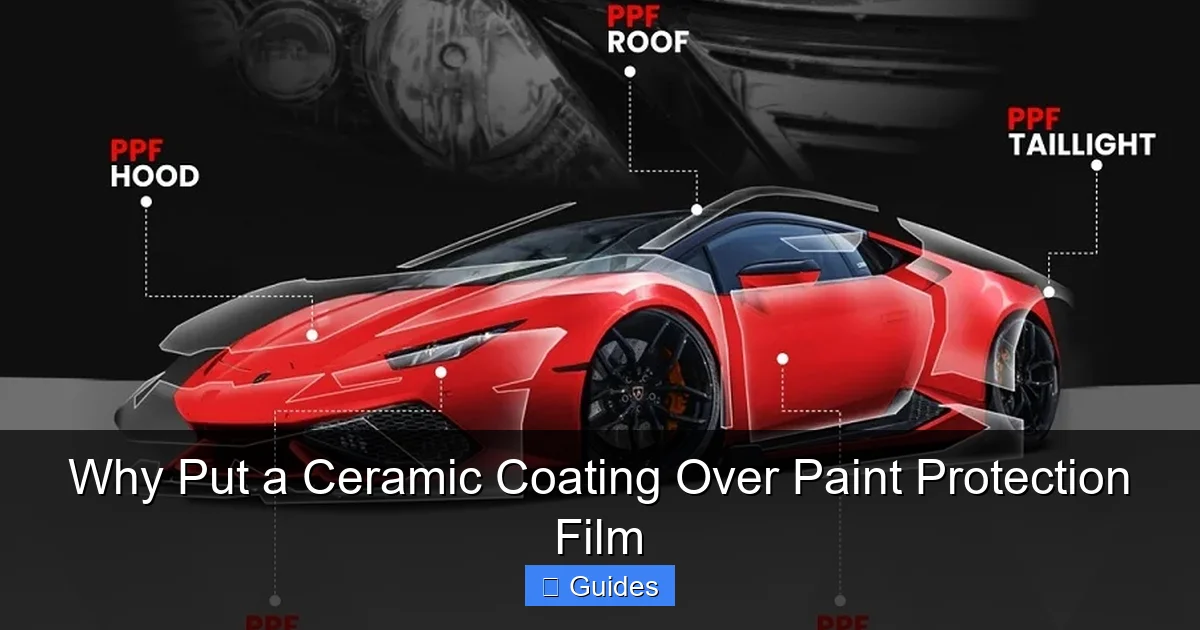
PPF works by acting as a sacrificial layer. Instead of your paint taking the hit, the film does. It’s especially useful on high-impact zones like the front bumper, hood, fenders, side mirrors, and door edges. Many car owners also apply it to headlights, rocker panels, and even interior trim pieces for added protection.
But PPF isn’t invincible. While it shields against physical damage, it doesn’t repel water, oil, or contaminants as effectively as some might hope. Over time, the film can develop a hazy appearance, attract stubborn stains from tree sap or bird droppings, and lose its smooth texture. This is where many people stop—thinking PPF alone is enough. But that’s like wearing a helmet and forgetting the visor. You’re protected, but not optimized.
How PPF Works
PPF is made from a flexible, clear material that adheres tightly to the car’s surface. When a rock hits the film, the energy is dispersed across the material, preventing it from transferring to the paint. Some high-end films even have self-healing properties—light scratches vanish when exposed to heat, like sunlight or a warm cloth.
Limitations of PPF Alone
Despite its strengths, PPF can still suffer from oxidation, water spots, and chemical etching. It doesn’t repel water or oils, so contaminants can bond to the surface. Without regular cleaning, the film can look dull and dirty, even if the paint beneath is perfectly intact. This is why adding a ceramic coating makes sense—it addresses these weaknesses head-on.
What Is Ceramic Coating?
Ceramic coating is a liquid polymer that bonds with a vehicle’s paint (or in this case, PPF) to create a semi-permanent protective layer. Unlike wax or sealants, which sit on top of the surface and wear off quickly, ceramic coatings chemically bond at a molecular level, forming a hard, glass-like shield.
The main ingredient in most ceramic coatings is silicon dioxide (SiO2), derived from quartz or sand. When applied correctly, it creates a hydrophobic (water-repelling) surface that causes water, dirt, and grime to bead up and roll off. This not only makes cleaning easier but also reduces the risk of water spots and mineral deposits.
Ceramic coatings also offer UV protection, preventing oxidation and color fading. They resist chemicals like acid rain, bird droppings, and road salt, which can degrade both paint and PPF over time. And because they create a slick, smooth surface, they enhance the car’s gloss and depth—giving it that “just detailed” look for months, even years.
But here’s the key: ceramic coating isn’t a replacement for PPF. It’s a complement. While PPF handles physical damage, ceramic coating handles chemical and environmental threats. Together, they form a comprehensive defense system.
How Ceramic Coating Works
When applied, the liquid coating penetrates the microscopic pores of the surface and cures into a hard, transparent layer. This layer is resistant to heat, UV rays, and chemicals. It also creates a smooth surface that reduces friction, making it harder for dirt to stick.
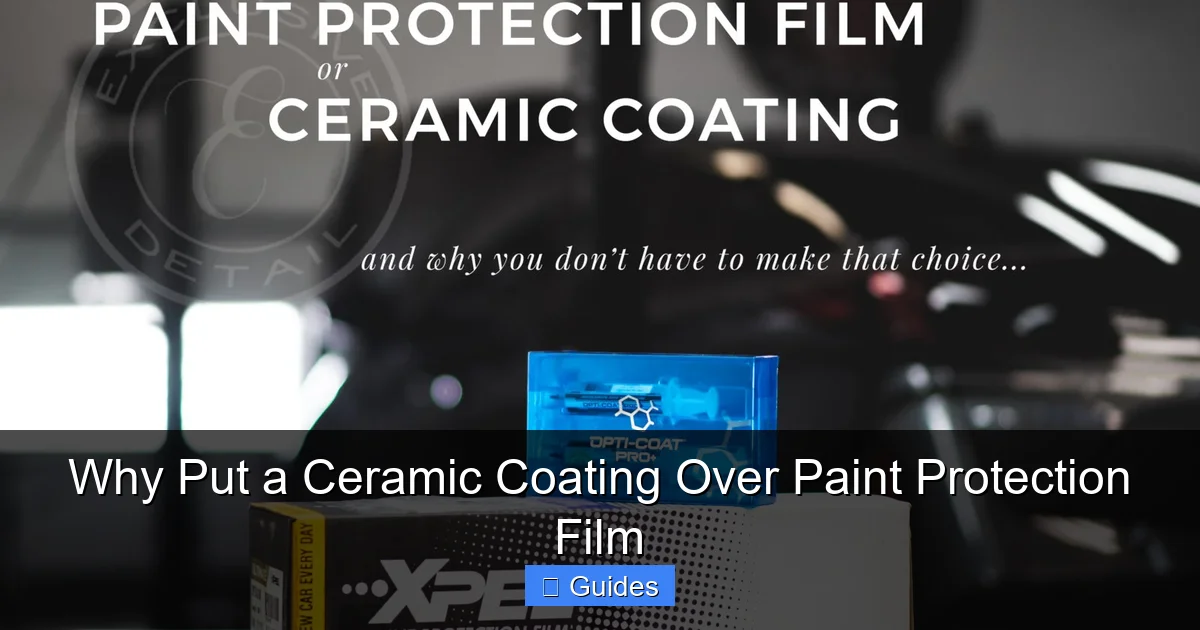
Visual guide about Why Put a Ceramic Coating Over Paint Protection Film
Image source: exclusivepaintprotection.com
Types of Ceramic Coatings
- Professional-Grade Coatings: Applied by certified detailers, these can last 2–5 years and offer the highest level of protection and gloss.
- Consumer-Grade Coatings: DIY kits available online or at auto stores. Easier to apply but may not last as long or perform as well.
- PPF-Safe Coatings: Specifically formulated to bond with urethane films without causing hazing or delamination. Always check compatibility before use.
The Synergy: Why Combine Ceramic Coating and PPF?
Now that we understand both products individually, let’s talk about why combining them is a game-changer. It’s not just about doubling up on protection—it’s about creating a smarter, more effective system.
Imagine your car is a fortress. PPF is the thick stone walls—strong, durable, and great at stopping invaders (like rocks and scratches). But what if rain, snow, and pollution can still seep through the cracks? That’s where ceramic coating comes in. It’s like adding a waterproof roof and sealed windows. Now, not only are you protected from attacks, but the interior stays clean, dry, and pristine.
This synergy works in several key ways:
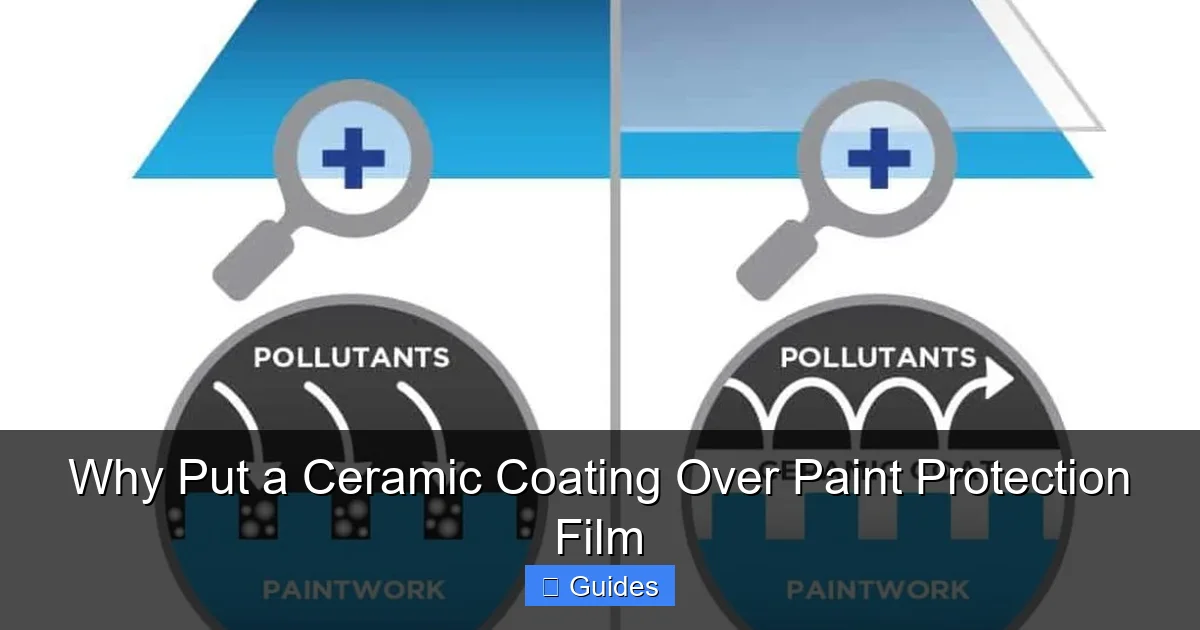
First, ceramic coating enhances the hydrophobic properties of PPF. While some PPF has a slight water-repellent quality, it’s not as strong as a dedicated coating. Adding ceramic coating makes water bead up instantly and roll off, taking dirt and contaminants with it. This reduces the need for frequent washing and minimizes the risk of water spots.
Second, the coating protects the PPF itself. Over time, PPF can oxidize, especially in sunny or humid climates. This leads to a yellowish tint or hazy appearance. Ceramic coating acts as a barrier, blocking UV rays and preventing oxidation. It also resists chemical stains from bird droppings, tree sap, and road tar—substances that can etch into the film if left untreated.
Third, the combination improves the overall appearance. PPF can sometimes look slightly dull or plasticky, especially after months of exposure. Ceramic coating restores depth and clarity, giving the film a wet, glass-like shine. It’s like putting a high-gloss finish on a matte surface—transformative.
Finally, maintenance becomes much easier. With both layers in place, you’ll spend less time scrubbing and more time enjoying your car. A quick rinse often removes most dirt, and drying is faster because water doesn’t cling to the surface.
Real-World Example
Take Sarah, a daily commuter in Los Angeles. She had PPF installed on her Tesla Model 3 to protect against highway debris. After six months, she noticed the film on her hood was starting to look hazy and attracted dust. She applied a PPF-safe ceramic coating, and within a week, the haze was gone. Water now beads up like marbles, and she washes her car half as often. “It’s like having a new car again,” she says.
Visual guide about Why Put a Ceramic Coating Over Paint Protection Film
Image source: xpelboise.com
Benefits of Ceramic Coating Over PPF
Let’s break down the specific advantages of applying ceramic coating over paint protection film. These benefits go beyond just looking good—they impact longevity, performance, and cost over time.
1. Superior Hydrophobic Properties
Ceramic coating creates an ultra-slick surface that repels water with ease. When rain or sprinklers hit your car, water beads up and rolls off, taking dirt and grime with it. This reduces the chance of water spots, which are especially common in areas with hard water. PPF alone doesn’t offer this level of water repellency, so adding a coating makes a noticeable difference.
Visual guide about Why Put a Ceramic Coating Over Paint Protection Film
Image source: detailingdevils.com
2. Enhanced Gloss and Depth
One of the most immediate benefits is the visual upgrade. Ceramic coating amplifies the clarity and shine of PPF, giving your car a deep, wet look. It’s especially noticeable on dark-colored vehicles, where the contrast between coated and uncoated areas is striking. This isn’t just cosmetic—it reflects the health of the surface beneath.
3. Chemical and UV Resistance
Environmental contaminants like acid rain, bird droppings, and tree sap can degrade both paint and PPF. Ceramic coating forms a chemical-resistant barrier that prevents these substances from bonding to the surface. UV rays, which cause fading and oxidation, are also blocked, helping your car retain its original color longer.
4. Easier Cleaning and Maintenance
With a ceramic-coated PPF, dirt and grime don’t stick as easily. A quick rinse with a hose often removes most contaminants. You’ll also find that drying is faster and more effective, reducing water spots. This means fewer trips to the car wash and less time spent detailing.
5. Extended Lifespan of PPF
By protecting the film from oxidation, staining, and UV damage, ceramic coating can significantly extend the life of your PPF. While PPF typically lasts 5–7 years, adding a coating can push that to 8–10 years. That’s a big return on investment, especially considering the cost of reapplying film.
6. Increased Resale Value
A well-maintained car with both PPF and ceramic coating will look newer and cleaner, which can boost its resale value. Buyers notice the difference—especially when the paint is chip-free and the finish is glossy. It’s a subtle but powerful selling point.
Application Process: How to Do It Right
Applying ceramic coating over PPF isn’t as simple as spraying and wiping. It requires careful preparation, the right products, and proper technique. Here’s a step-by-step guide to ensure success.
Step 1: Choose the Right Coating
Not all ceramic coatings are safe for PPF. Avoid products with high solvent content, as they can cause hazing, bubbling, or delamination. Look for coatings specifically labeled “PPF-safe” or “urethane film compatible.” Brands like CarPro, Gtechniq, and AvalonKing offer excellent options.
Step 2: Clean the Surface Thoroughly
Before applying the coating, the PPF must be spotless. Use a pH-neutral car shampoo and a microfiber wash mitt to remove dirt and grime. Follow up with a clay bar to eliminate embedded contaminants. Any residue left behind can interfere with bonding.
Step 3: Decontaminate and Dry
Use an iron remover and tar remover to tackle stubborn contaminants. Rinse thoroughly and dry the surface with a clean microfiber towel. Even a small water spot can ruin the finish, so take your time.
Step 4: Apply the Coating
Work in small sections—about 2×2 feet at a time. Apply the coating with an applicator pad in thin, even layers. Avoid over-applying, as this can lead to streaks or high spots. Allow the coating to flash (haze) for 30–60 seconds, then buff off with a clean microfiber towel.
Step 5: Cure and Maintain
Let the coating cure for at least 24 hours before exposing the car to water. Avoid washing for 7–14 days, depending on the product. After curing, maintain with a ceramic boost spray every 3–6 months to refresh the hydrophobic effect.
Pro Tip: Work in the Shade
Never apply ceramic coating in direct sunlight or on a hot surface. Heat causes the product to flash too quickly, making it hard to buff off evenly. Choose a cool, shaded area for best results.
Common Misconceptions and Mistakes to Avoid
Despite the benefits, there are several myths and mistakes that can derail your ceramic coating project. Let’s clear them up.
Myth: Ceramic Coating Makes PPF Self-Healing
No—ceramic coating doesn’t enhance the self-healing properties of PPF. That feature comes from the film’s thermoplastic properties, not the coating. The coating protects the surface but won’t help the film heal scratches faster.
Mistake: Using the Wrong Product
Applying a standard ceramic coating not designed for PPF can damage the film. Solvents in some coatings can break down the urethane, causing it to bubble or peel. Always verify compatibility before use.
Mistake: Skipping Surface Prep
Even the best coating won’t bond properly if the surface isn’t clean. Skipping the clay bar or decontamination step is a recipe for failure. Take the time to prep—it’s the most important part of the process.
Mistake: Applying Too Thick
More isn’t better. Applying too much coating leads to streaks, high spots, and difficulty buffing. Thin, even layers are key. If you see residue, it’s likely due to over-application.
Myth: Ceramic Coating Is Permanent
While ceramic coatings last longer than wax or sealants, they’re not permanent. Most last 1–5 years, depending on quality, climate, and maintenance. Regular upkeep helps extend their life.
Cost vs. Value: Is It Worth It?
Let’s talk money. Adding ceramic coating over PPF isn’t cheap. A professional application can cost anywhere from $500 to $1,500, depending on the vehicle size and coating quality. PPF itself can run $1,000 to $3,000 or more. So why spend even more?
The answer lies in long-term value. Consider this: without a coating, your PPF may need more frequent cleaning, touch-ups, or even early replacement due to staining or oxidation. With a coating, you reduce maintenance time, protect the film, and keep your car looking better, longer.
Over a 5-year period, the combo can save you hundreds in detailing costs and protect your car’s resale value. It’s an investment in appearance, protection, and peace of mind. For many owners, that’s worth every penny.
DIY vs. Professional Application
While DIY kits are available, professional application is recommended for best results. Detailers have the tools, experience, and controlled environments needed for a flawless finish. A botched DIY job can cost more to fix than hiring a pro from the start.
Conclusion
Putting a ceramic coating over paint protection film isn’t just a trend—it’s a smart, strategic move for anyone serious about car care. Together, these two layers create a powerful defense system that protects against physical damage, environmental threats, and the wear of daily driving.
The ceramic coating enhances the PPF’s performance, making it more hydrophobic, easier to clean, and longer-lasting. It boosts the car’s appearance, giving it a deep, glossy finish that turns heads. And while the upfront cost may seem high, the long-term benefits in protection, maintenance, and resale value make it a worthwhile investment.
Whether you’re protecting a new car or refreshing an older one, this combo offers unmatched peace of mind. So don’t stop at PPF—take it to the next level with ceramic coating. Your car—and your future self—will thank you.
Frequently Asked Questions
Can you put ceramic coating over paint protection film?
Yes, you can—and should—apply ceramic coating over PPF. It enhances protection, improves appearance, and makes maintenance easier. Just use a PPF-safe coating to avoid damage.
Will ceramic coating damage PPF?
Only if you use the wrong product. Avoid coatings with high solvent content. Choose ones specifically designed for urethane films to prevent hazing or delamination.
How long does ceramic coating last on PPF?
With proper care, ceramic coating can last 2–5 years on PPF. Regular maintenance with a ceramic boost spray helps extend its life.
Do I need to reapply ceramic coating?
Yes, eventually. Over time, the coating will wear down from UV exposure and washing. Reapplication every 2–3 years keeps the protection and shine at peak levels.
Can I apply ceramic coating myself?
Yes, but professional application is recommended for best results. DIY kits are available, but improper technique can lead to streaks or poor adhesion.
Does ceramic coating replace wax?
Yes, ceramic coating is far superior to wax. It lasts longer, offers better protection, and provides a more durable hydrophobic effect. Wax is no longer needed once coated.

At CarLegit, we believe information should be clear, factual, and genuinely helpful. That’s why every guide, review, and update on our website is created with care, research, and a strong focus on user experience.