
Ferrari won’t sue you for wrapping your car—but there are important legal and brand-related considerations. While the automaker discourages modifications that alter its iconic designs, vinyl wrapping is generally allowed as long as it’s temporary and doesn’t misrepresent the vehicle.
So, you’ve just bought a Ferrari—congratulations! Whether it’s a sleek 488 GTB, a roaring F8 Tributo, or a classic Testarossa, you’re now the proud owner of one of the most iconic machines on the road. But now comes the fun part: personalizing it. And what better way to stand out than with a bold, custom vinyl wrap?
But wait—before you rush to the nearest wrap shop and slap on a chrome gold or galaxy-themed design, you might be wondering: Will Ferrari sue me for wrapping the car?
It’s a fair question. Ferrari is known for its fierce protection of its brand, heritage, and image. The prancing horse logo is more than just a symbol—it’s a global icon of luxury, performance, and exclusivity. So, it’s natural to worry that modifying your Ferrari, even with something as reversible as a wrap, might cross some invisible line.
The good news? You’re probably in the clear. Ferrari won’t sue you for wrapping your car—at least, not just for the act of wrapping it. But there are nuances, caveats, and best practices you should know about before you commit to that matte black or iridescent blue transformation.
In this guide, we’ll dive deep into the world of Ferrari wraps, covering everything from legal concerns and brand policies to practical tips for choosing the right wrap and installer. By the end, you’ll know exactly what’s allowed, what’s risky, and how to personalize your Ferrari without stepping on any legal or brand landmines.
In This Article
- 1 Key Takeaways
- 2 📑 Table of Contents
- 3 Understanding Ferrari’s Brand Protection Policies
- 4 Is Wrapping Your Ferrari Legal?
- 5 Will Ferrari Void Your Warranty for a Wrap?
- 6 What Wraps Are Safe (and Which to Avoid)
- 7 Choosing the Right Wrap and Installer
- 8 Resale Value and Collector Considerations
- 9 Conclusion: Wrapping Your Ferrari—Yes, But Do It Right
- 10 Frequently Asked Questions
Key Takeaways
- Ferrari does not sue owners for wrapping their cars: There are no known legal cases where Ferrari has taken legal action against owners for applying vinyl wraps.
- Wrapping is considered a temporary modification: Unlike permanent paint changes, wraps can be removed, which reduces legal and warranty concerns.
- Avoid模仿ing Ferrari’s branding or liveries: Using official Ferrari logos, racing stripes, or team liveries without permission could lead to trademark issues.
- Check your warranty and dealer policies: Some Ferrari dealers may void certain warranties if modifications affect the car’s originality or resale value.
- Choose high-quality materials and installers: Poor-quality wraps can damage paint or leave residue, leading to costly repairs.
- Custom wraps are allowed—within reason: Creative, non-deceptive designs are generally fine, but avoid anything that suggests official Ferrari affiliation.
- Insurance and resale value matter: Inform your insurer about the wrap and consider how it might affect the car’s future sale price.
📑 Table of Contents
- Understanding Ferrari’s Brand Protection Policies
- Is Wrapping Your Ferrari Legal?
- Will Ferrari Void Your Warranty for a Wrap?
- What Wraps Are Safe (and Which to Avoid)
- Choosing the Right Wrap and Installer
- Resale Value and Collector Considerations
- Conclusion: Wrapping Your Ferrari—Yes, But Do It Right
Understanding Ferrari’s Brand Protection Policies
Ferrari isn’t just a car company—it’s a lifestyle brand. From its racing legacy to its limited-production models, everything about Ferrari is carefully curated to maintain an aura of exclusivity and prestige. That’s why the company takes brand protection seriously.
Trademark and Intellectual Property Rights
Ferrari owns numerous trademarks, including the prancing horse logo, the “Ferrari” name, and even specific color schemes like Rosso Corsa (racing red). These are protected under international intellectual property laws. Using these elements without permission—especially in a way that suggests official endorsement—can lead to legal trouble.
For example, if you wrap your Ferrari to look like a Scuderia Ferrari race car, complete with sponsor decals and team logos, you could be infringing on Ferrari’s trademarks. This isn’t just about wrapping—it’s about misrepresentation. If someone sees your car and believes it’s an official Ferrari promotional vehicle, that’s a problem.
Official Stance on Modifications
Ferrari has never issued a public statement saying “We will sue you for wrapping your car.” In fact, there are no documented cases of Ferrari taking legal action against owners for vinyl wrapping. However, the company does discourage modifications that alter the car’s original design or diminish its brand value.
According to Ferrari’s official communications and dealer guidelines, the company prefers that owners maintain the car’s originality—especially for models with historical or collectible significance. That said, minor, reversible modifications like wraps are generally tolerated, as long as they don’t mimic official liveries or use protected branding.
The Role of Ferrari Classiche
Ferrari Classiche is the brand’s official certification program for classic and vintage Ferraris. It verifies the authenticity and originality of older models. If you own a classic Ferrari and plan to wrap it, be aware that any modification—even a wrap—could affect its Classiche certification.
While a wrap itself won’t automatically disqualify a car, removing it improperly or damaging the original paint during installation could. If you’re planning to get your classic Ferrari certified, it’s best to consult with a Ferrari specialist before making any changes.
Is Wrapping Your Ferrari Legal?
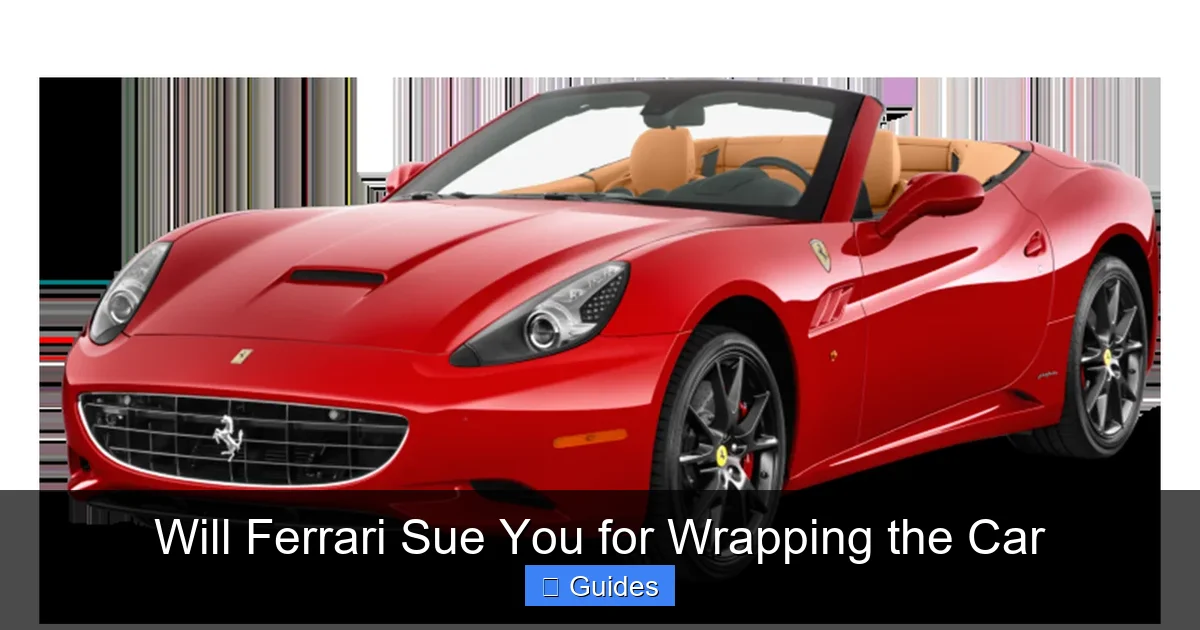
Visual guide about Will Ferrari Sue You for Wrapping the Car
Image source: pngimg.com
Now for the million-dollar question: Is it legal to wrap your Ferrari?
The short answer is yes—wrapping your Ferrari is legal in most countries, including the United States, the United Kingdom, Canada, and most of Europe. But legality isn’t just about whether you can do it—it’s about how you do it.
Vinyl Wraps vs. Permanent Modifications
One of the key reasons wrapping is generally acceptable is that it’s considered a temporary modification. Unlike repainting, which permanently alters the car’s finish, a vinyl wrap can be removed (ideally without damaging the original paint). This reversibility is important because it preserves the car’s originality—something Ferrari values highly.
In contrast, permanent changes like custom paint jobs, body kits, or engine swaps can raise red flags, especially if they affect the car’s performance, safety, or resale value.
Local Laws and Regulations
While wrapping is legal, you still need to comply with local vehicle regulations. In the U.S., for example, the Department of Motor Vehicles (DMV) and state laws regulate vehicle appearance, especially when it comes to visibility and safety.
For instance:
– Windshield tinting is restricted in most states.
– Headlights and taillights must remain clearly visible.
– Reflective or mirrored wraps can be illegal if they impair visibility or distract other drivers.
Always check your local laws before applying a wrap, especially if it covers large areas like the roof, hood, or windows.
Insurance Implications
Wrapping your Ferrari may affect your insurance policy. Most insurers consider wraps a modification, and some may require you to declare it. Failing to do so could result in denied claims if the wrap is damaged in an accident.
Additionally, high-end or custom wraps can increase the car’s value, which might require adjusting your coverage. Talk to your insurance agent before wrapping to ensure you’re fully protected.
Will Ferrari Void Your Warranty for a Wrap?

Visual guide about Will Ferrari Sue You for Wrapping the Car
Image source: upload.wikimedia.org
This is a common concern among Ferrari owners: Will wrapping my car void the warranty?
The answer is nuanced. Ferrari’s warranty covers defects in materials and workmanship, not modifications. However, if a modification—like a poorly installed wrap—causes damage to the car, Ferrari may deny warranty claims related to that damage.
Magnuson-Moss Warranty Act (U.S.)
In the United States, the Magnuson-Moss Warranty Act protects consumers from unfair warranty practices. Under this law, a manufacturer cannot void a warranty simply because a modification was made—unless they can prove the modification directly caused the problem.
For example, if your Ferrari’s paint peels after a wrap is removed, and Ferrari claims the wrap caused the damage, they would need evidence to deny the warranty claim. If the wrap was installed professionally and removed correctly, you’d likely have a strong case.
Dealer Policies Vary
While the law protects you, individual Ferrari dealers may have their own policies. Some dealers are more lenient and understand that wraps are popular among enthusiasts. Others may be stricter, especially if they’re concerned about the car’s resale value or originality.
To avoid issues:
– Use a reputable wrap installer with experience on high-end vehicles.
– Keep records of the wrap installation and removal.
– Avoid wrapping areas that are prone to heat or stress, like near exhaust systems.
Extended Warranties and Certified Pre-Owned (CPO) Programs
If your Ferrari is part of a CPO program or has an extended warranty, wrapping could affect your coverage. These programs often require the car to remain in “original condition.” While a wrap is temporary, some dealers may interpret it as a deviation from originality.
Always check the terms of your warranty or CPO agreement before wrapping. When in doubt, ask your dealer directly.
What Wraps Are Safe (and Which to Avoid)

Visual guide about Will Ferrari Sue You for Wrapping the Car
Image source: pngall.com
Not all wraps are created equal—and not all designs are safe from a brand or legal standpoint.
Safe Wrap Options
These types of wraps are generally acceptable and unlikely to cause issues:
– Solid colors: Matte black, gloss white, or metallic silver are popular and subtle choices.
– Color shifts and chameleon wraps: These change color depending on the angle and lighting—fun without being flashy.
– Custom graphics (non-Ferrari related): Abstract designs, geometric patterns, or personal artwork are fine as long as they don’t mimic Ferrari branding.
– Partial wraps: Wrapping just the hood, roof, or mirrors is less invasive and easier to reverse.
Wraps to Avoid
These designs could raise eyebrows—or worse:
– Scuderia Ferrari liveries: Replicating the red-and-white racing stripes, sponsor logos, or number plates used by the official F1 team.
– Ferrari logos or badges: Adding extra prancing horse logos or “Ferrari” decals not originally on the car.
– Fake racing numbers or team names: Using numbers like “1” or “55” in a way that suggests official team affiliation.
– Misleading designs: Anything that makes the car look like a police car, emergency vehicle, or government official’s car.
Remember: The goal is to personalize, not impersonate.
Case Study: The “Rosso Corsa” Wrap Debate
Rosso Corsa is Ferrari’s signature racing red. Some owners wrap their cars in a custom red that’s similar—but not identical—to Rosso Corsa. Is this allowed?
Technically, yes. As long as the color isn’t an exact match and doesn’t include Ferrari branding, it’s unlikely to cause issues. However, if the wrap is so close that it’s indistinguishable from the original, it could be seen as deceptive—especially if the car is presented as “original” at a show or auction.
When in doubt, choose a red that’s clearly different—like candy apple red or burgundy.
Choosing the Right Wrap and Installer
A great wrap starts with great materials and a skilled installer. A poor wrap can ruin your Ferrari’s appearance—and even damage the paint.
Types of Vinyl Wrap
There are several types of vinyl wrap, each with pros and cons:
– Cast vinyl: High-quality, flexible, and durable. Ideal for complex curves and long-term use. Best for Ferraris.
– Calendered vinyl: Less expensive but less durable. Can shrink or crack over time. Not recommended for high-end vehicles.
– Premium films: Brands like 3M, Avery Dennison, and KPMF offer high-end wraps with better color retention and easier removal.
Always choose cast vinyl from a reputable brand for your Ferrari.
Finding a Qualified Installer
Not all wrap shops are created equal. Look for:
– Experience with luxury and exotic cars.
– Positive reviews from Ferrari or Lamborghini owners.
– A clean, climate-controlled workspace.
– Warranty on installation (at least 1–2 years).
Ask to see before-and-after photos of similar vehicles. A good installer will also do a test fit and discuss any potential challenges.
Preparation and Maintenance
Before wrapping:
– Wash and decontaminate the car thoroughly.
– Remove trim pieces if necessary (done by the installer).
– Ensure the surface is dry and dust-free.
After wrapping:
– Avoid washing for 48–72 hours.
– Use pH-neutral car wash soap.
– Avoid automatic car washes with brushes.
– Reapply protective coatings every 6–12 months.
Resale Value and Collector Considerations
If you plan to sell your Ferrari someday, wrapping could affect its value—especially if it’s a rare or collectible model.
Originality Matters
Collectors and enthusiasts often prefer original, unmodified cars. A wrapped Ferrari may be seen as “altered,” which could reduce its appeal to serious buyers.
However, if the wrap is high-quality and professionally installed, and especially if it’s removed before sale, the impact may be minimal. Some buyers even appreciate a unique wrap—as long as it’s tasteful and reversible.
Document Everything
Keep records of:
– The wrap installation (photos, receipts).
– The removal process (if applicable).
– Proof that the original paint is undamaged.
This documentation can reassure potential buyers and help maintain the car’s value.
When to Wrap—and When Not To
Consider wrapping if:
– You drive the car regularly and want to protect the paint.
– You’re not planning to sell it soon.
– The car is a modern model (not a classic or limited edition).
Avoid wrapping if:
– The car is a rare or vintage model.
– You’re preparing it for auction or certification.
– You’re unsure about the installer’s quality.
Conclusion: Wrapping Your Ferrari—Yes, But Do It Right
So, will Ferrari sue you for wrapping the car? The answer is almost certainly no—as long as you do it responsibly.
Wrapping your Ferrari is a fantastic way to express your personality, protect the paint, and turn heads on the road. But it’s not without risks. From legal concerns and warranty issues to resale value and brand perception, there are factors to consider.
The key is to wrap smart:
– Choose a design that’s creative but not deceptive.
– Use high-quality materials and a skilled installer.
– Avoid模仿ing Ferrari’s official branding or liveries.
– Keep records and maintain the car properly.
– Be mindful of warranties, insurance, and future resale.
At the end of the day, your Ferrari is yours to enjoy. As long as you respect the brand and follow best practices, you can personalize your ride with confidence—no lawsuit required.
Frequently Asked Questions
Can Ferrari take legal action if I wrap my car?
No, Ferrari has never sued an owner for wrapping their car. As long as the wrap doesn’t use protected branding or misrepresent the vehicle, it’s generally legal and tolerated.
Will a wrap void my Ferrari’s warranty?
Not automatically. Under U.S. law, Ferrari can only deny warranty claims if the wrap directly caused damage. Use a professional installer to minimize risk.
Is it okay to wrap a classic or vintage Ferrari?
It’s riskier. Modifications can affect originality and Classiche certification. Consult a Ferrari specialist before wrapping a classic model.
Can I wrap my Ferrari to look like an F1 car?
No. Replicating Scuderia Ferrari liveries, logos, or sponsor decals without permission could violate trademark laws and lead to legal issues.
How long does a Ferrari wrap last?
A high-quality cast vinyl wrap can last 5–7 years with proper care. Avoid harsh chemicals and automatic car washes to extend its life.
Should I tell my insurance company about the wrap?
Yes. Inform your insurer to ensure coverage. Some may require a valuation, especially for custom or expensive wraps.

At CarLegit, we believe information should be clear, factual, and genuinely helpful. That’s why every guide, review, and update on our website is created with care, research, and a strong focus on user experience.