32 Beautiful Dining Room Decor Ideas For A Welcoming Home
The dining room is more than a place to enjoy meals. It is where family members gather, friends share conversations, and special moments become lasting memories. With the right dining room decor ideas, you can transform an ordinary space into a warm, stylish, and welcoming part of your home.
Whether you have a small dining area, an open-concept layout, or a spacious formal dining room, thoughtful design choices can make a big difference. From cozy lighting and elegant furniture to beautiful wall art and natural textures, there are many ways to create a dining space that reflects your personality.
In this guide, discover 32 beautiful dining room decor ideas that combine comfort, functionality, and style. These ideas will help you design a dining room that feels inviting and looks beautiful throughout the year.
1. Choose a Warm Wooden Dining Table

A wooden dining table is a timeless choice for creating a warm and welcoming dining room. Natural wood adds texture, character, and a comfortable feeling to the space. Choose an oak, walnut, or reclaimed wood table based on your preferred style. Pair it with upholstered chairs for extra comfort during long meals. Add a simple centerpiece, such as a ceramic vase or a bowl of fresh fruit, to complete the look. This dining room decor idea works well in modern farmhouse, rustic, Scandinavian, and traditional homes. Select a table size that allows people to move around easily without making the room feel crowded.
2. Add a Statement Dining Room Chandelier
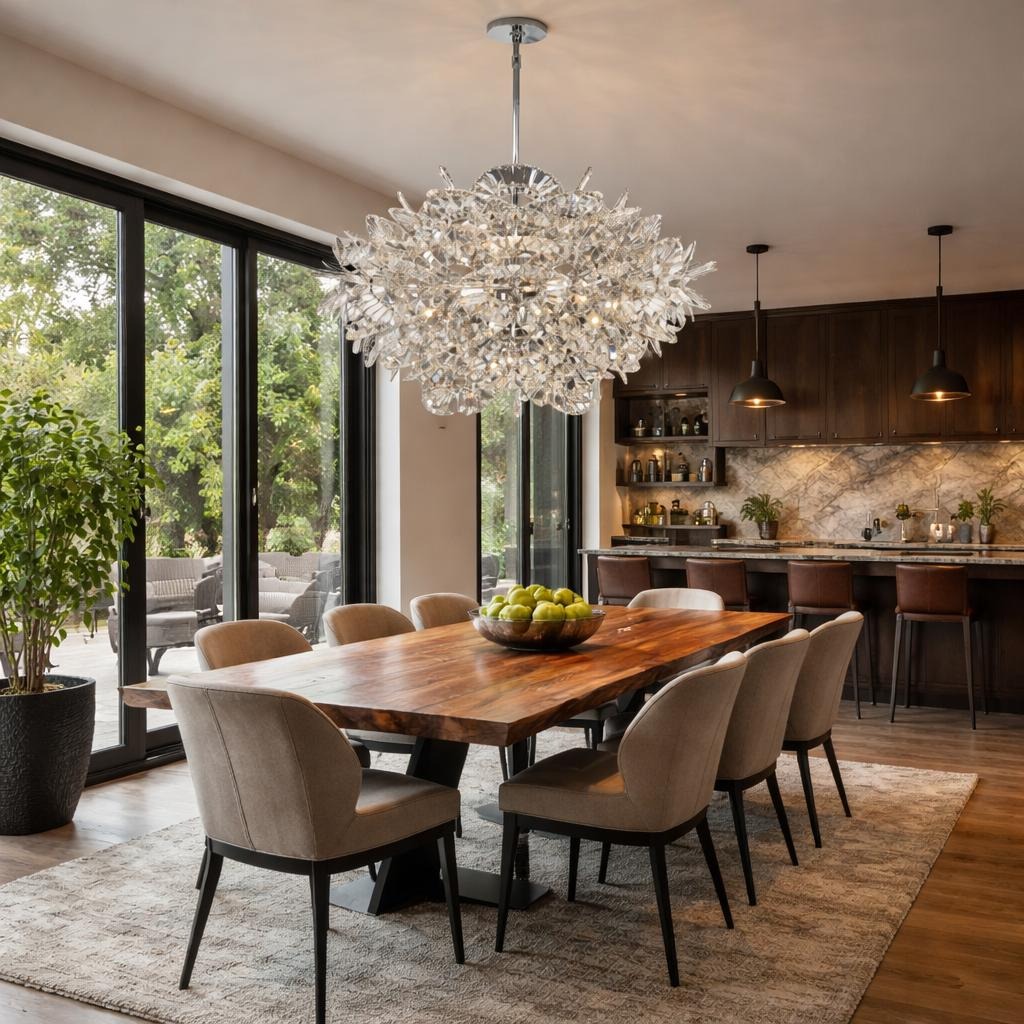
Lighting can completely change the atmosphere of a dining room. A statement chandelier above the dining table creates a beautiful focal point while providing useful illumination. Consider a brass chandelier for a classic look, a black metal fixture for modern interiors, or a woven pendant for a relaxed, natural style. The light should complement the table and overall room design. Choose a fixture that fits the table’s proportions and allows people to see their food comfortably. Dimmable lighting is especially useful because it lets you create bright conditions for everyday meals and softer illumination for evening gatherings.
3. Create a Minimalist Dining Room
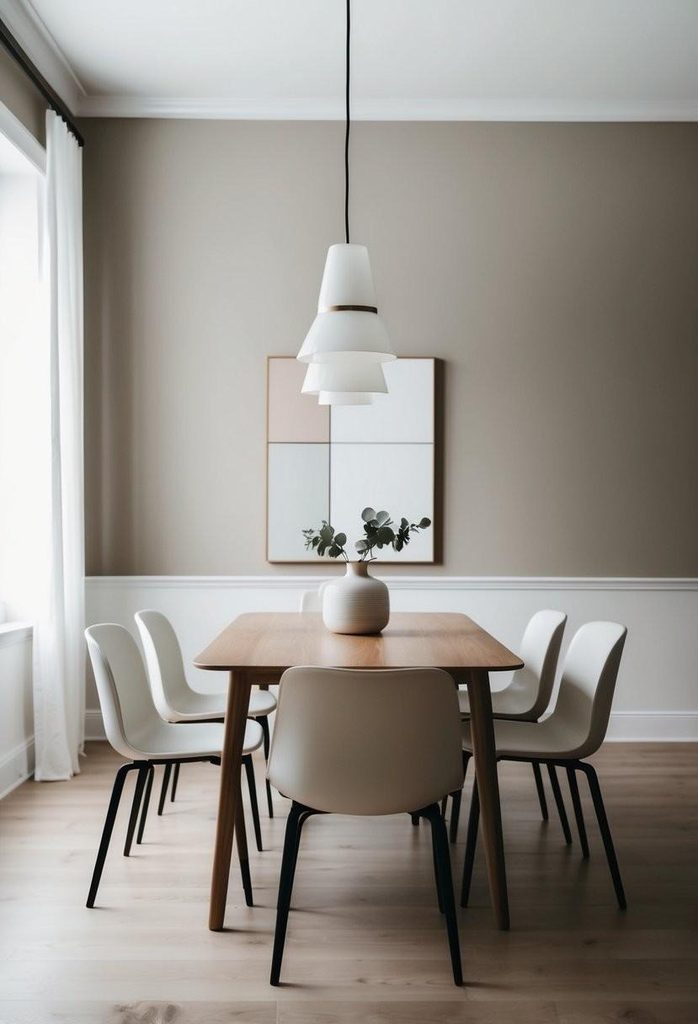
A minimalist dining room focuses on simplicity, clean lines, and purposeful furniture. Start with a dining table, comfortable chairs, and a few carefully selected decorative pieces. Neutral shades such as white, beige, gray, and soft brown can create a peaceful atmosphere. Avoid filling every surface with accessories. Instead, allow open space to contribute to the room’s appearance. A simple pendant light, one piece of wall art, and a natural centerpiece may be enough. Minimalist dining room decor is particularly helpful in smaller homes because it supports a less cluttered visual appearance while maintaining a stylish design.
4. Use a Round Dining Table for Small Spaces

A round dining table can be a practical option for compact dining areas. Its curved shape helps create a softer visual flow and can make conversations easier during meals. Choose a pedestal base if you want more legroom and flexibility when arranging chairs. Pair the table with slim-profile seating to preserve walking space. A round table works well in breakfast nooks, apartments, and dining corners connected to the kitchen. Before buying, measure the available area and allow sufficient space for pulling out chairs. This approach helps you create a comfortable dining room without overcrowding the floor plan.
5. Decorate With Neutral Colors

Neutral colors create a versatile foundation for beautiful dining room decor. Shades such as cream, taupe, warm white, and sand can make the space feel calm and inviting. Use different textures to prevent the room from appearing flat. For example, combine a wooden table with linen curtains, woven accessories, and upholstered chairs. Add subtle contrast through dark picture frames or natural greenery. Neutral dining rooms are easy to update because you can introduce seasonal colors through table runners, flowers, and cushions. Choose undertones carefully so the colors work together under both natural and artificial lighting.
6. Bring Nature Indoors With Greenery
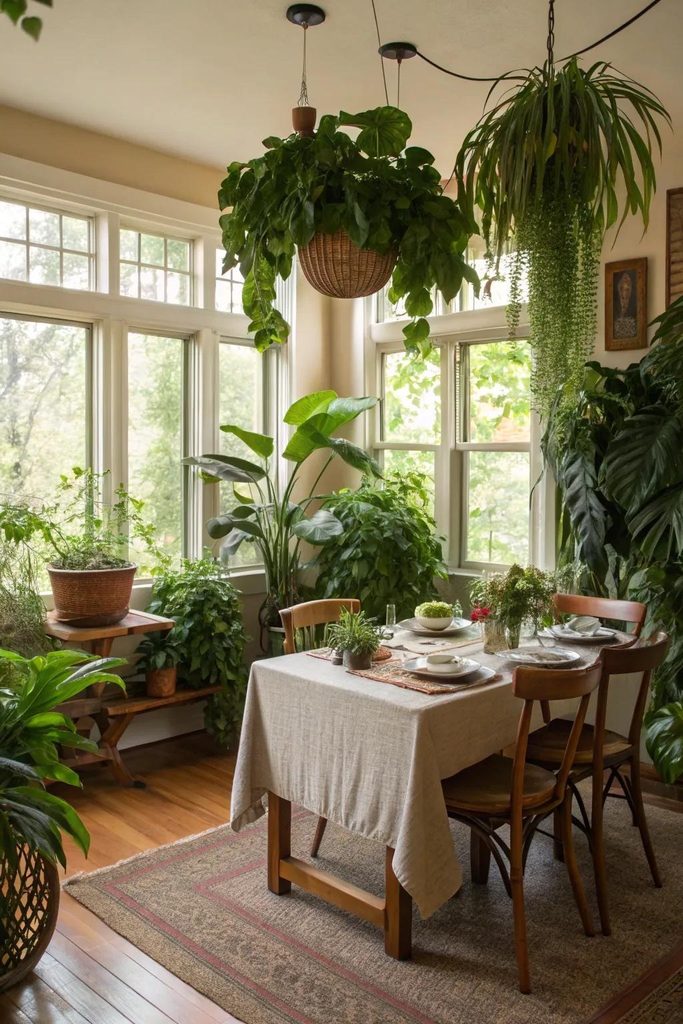
Plants can add freshness and natural beauty to your dining room. Place a small potted plant on a sideboard, use a vase of leafy branches as a centerpiece, or position a larger plant in an empty corner. Choose options that suit the available natural light and your maintenance preferences. Greenery pairs especially well with wood, rattan, stone, and neutral textiles. If you prefer low-maintenance decor, consider dried branches or long-lasting artificial plants. Keep centerpieces low enough to maintain clear sightlines across the table. A few thoughtfully placed plants can make the dining area feel more connected to nature.
7. Install a Stylish Dining Room Mirror
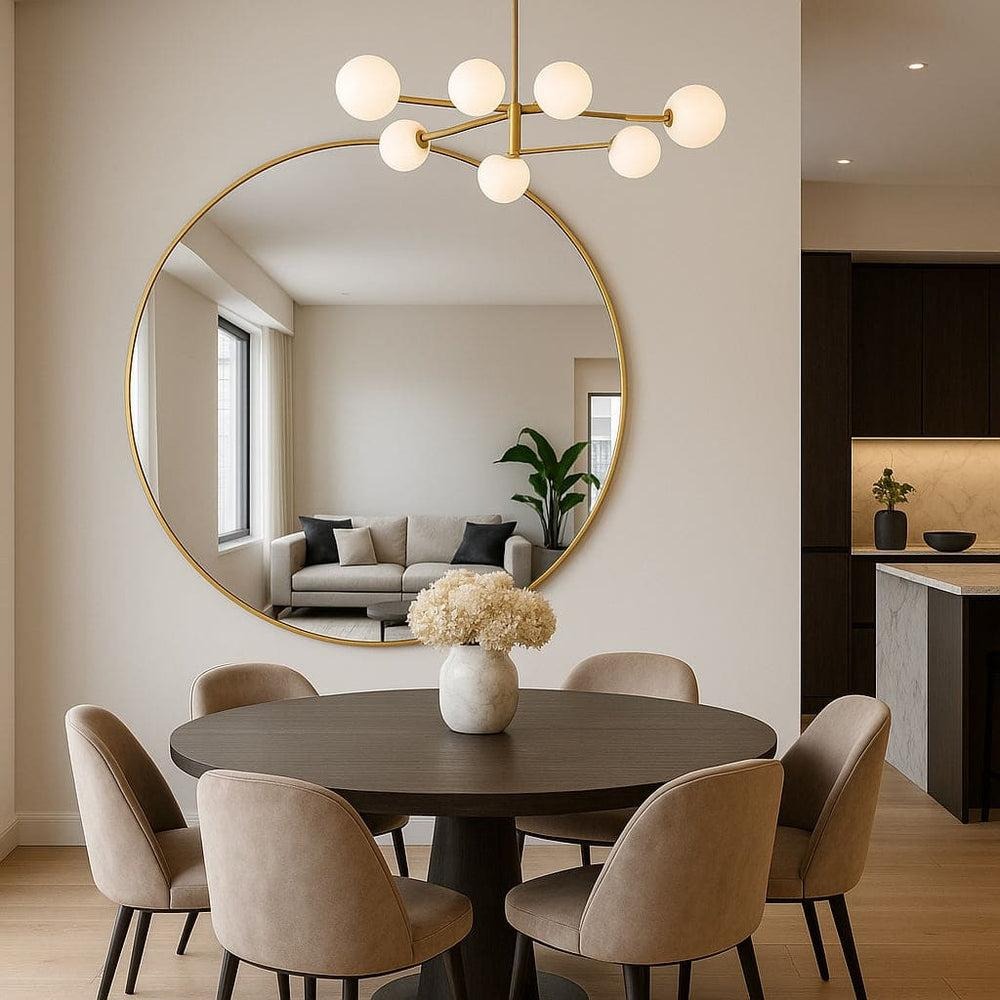
A well-placed mirror can enhance the appearance of a dining room by reflecting light and adding visual depth. Hang a large round mirror above a sideboard or position a rectangular mirror on an open wall. Choose a frame that matches the room’s style, such as wood, brass, or matte black. Mirrors are particularly useful in small dining rooms where you want to create a sense of openness. Pay attention to what the mirror reflects. A view of a window, artwork, or attractive lighting fixture can contribute to the overall design. Secure the mirror properly according to its size and weight.
8. Create a Cozy Farmhouse Dining Room

Farmhouse dining room decor combines natural materials, comfortable furniture, and relaxed charm. Start with a solid wood table and pair it with a mixture of wooden and upholstered chairs. Soft neutral colors, vintage-inspired accessories, and woven textures help establish the style. Add a simple centerpiece using a ceramic pitcher, fresh flowers, or seasonal branches. Shiplap-style wall treatments or rustic shelving can provide additional character when they suit the home. Modern farmhouse design does not require every item to look old-fashioned. Balance traditional materials with clean shapes to create a room that feels welcoming without becoming visually busy.
9. Add a Beautiful Area Rug
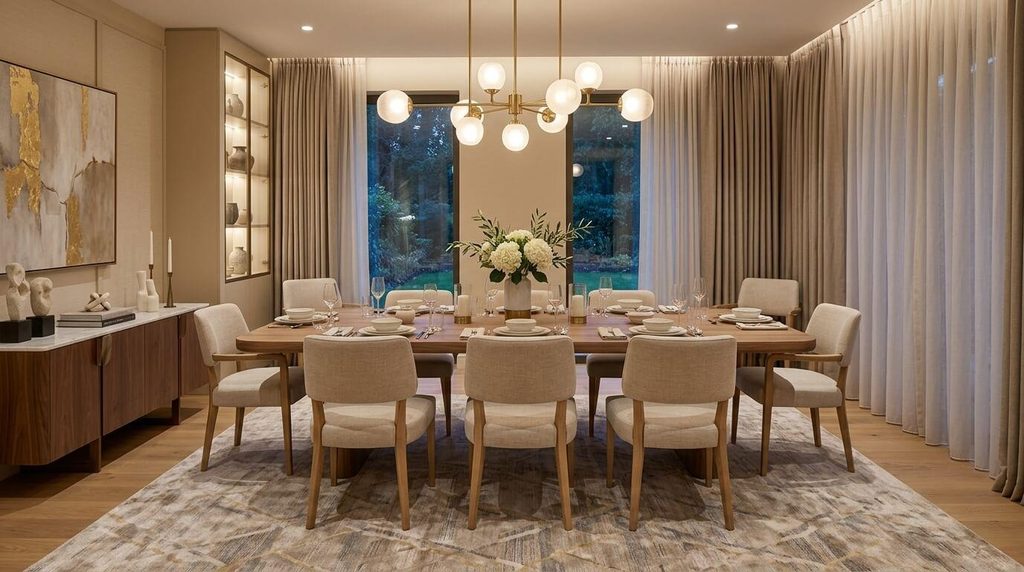
An area rug can define the dining zone and add softness beneath the furniture. Choose a rug that extends beyond the dining table and provides enough room for chairs to remain on it when pulled back. Flat-weave and low-pile rugs are often easier to use beneath dining furniture because chairs can move more smoothly. Consider washable materials if you frequently eat with children or host gatherings. Neutral patterns provide flexibility, while geometric or traditional designs can add visual interest. Make sure the rug is suitable for the room’s traffic level and can be cleaned according to the manufacturer’s instructions.
10. Use Comfortable Upholstered Dining Chairs
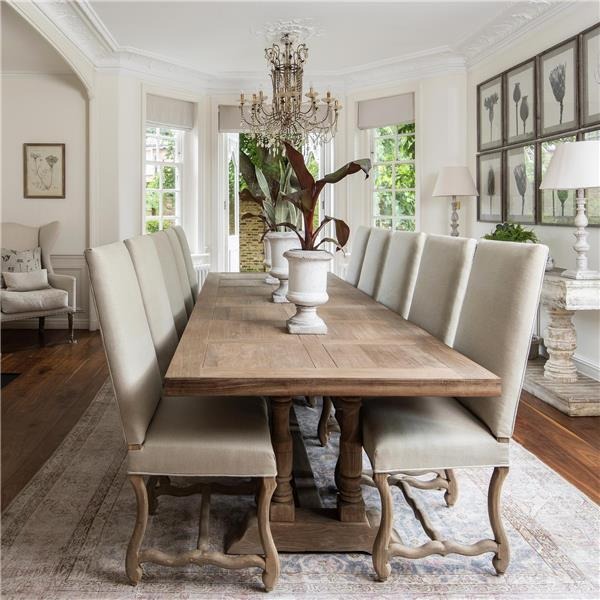
Comfortable seating makes a dining room more enjoyable for everyday meals and extended gatherings. Upholstered chairs can add softness, color, and texture to the space. Choose durable fabric that suits your lifestyle, especially if the dining area receives frequent use. Neutral upholstery creates a timeless appearance, while deep green, navy, or warm terracotta can introduce personality. Check the chair’s height against your dining table to ensure comfortable seating. You can also mix upholstered end chairs with simpler side chairs for a layered look. Focus on both appearance and practical maintenance when selecting dining chairs.
11. Design an Elegant Formal Dining Room
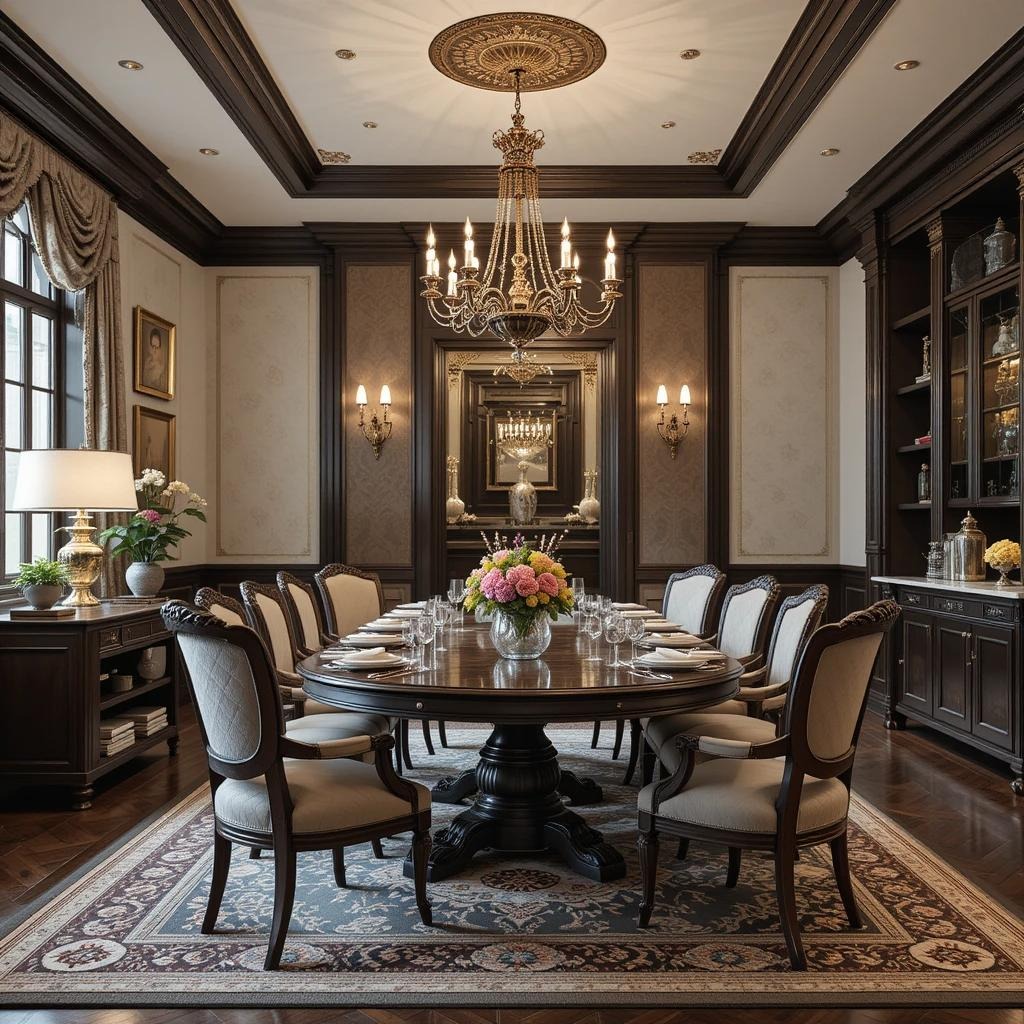
A formal dining room can feel sophisticated while still remaining comfortable. Use a well-proportioned dining table, coordinated chairs, and lighting that creates an inviting atmosphere. Classic materials such as wood, glass, metal, and linen can add visual richness. Hang artwork on a prominent wall and use a sideboard for storage and display. Rich colors, including charcoal, deep blue, or warm brown, may add depth when balanced with lighter surfaces. Avoid choosing furniture solely for appearance. A formal dining room should support comfortable movement, clear table space, and practical use during family dinners and celebrations.
12. Try Black and Wood Dining Room Decor
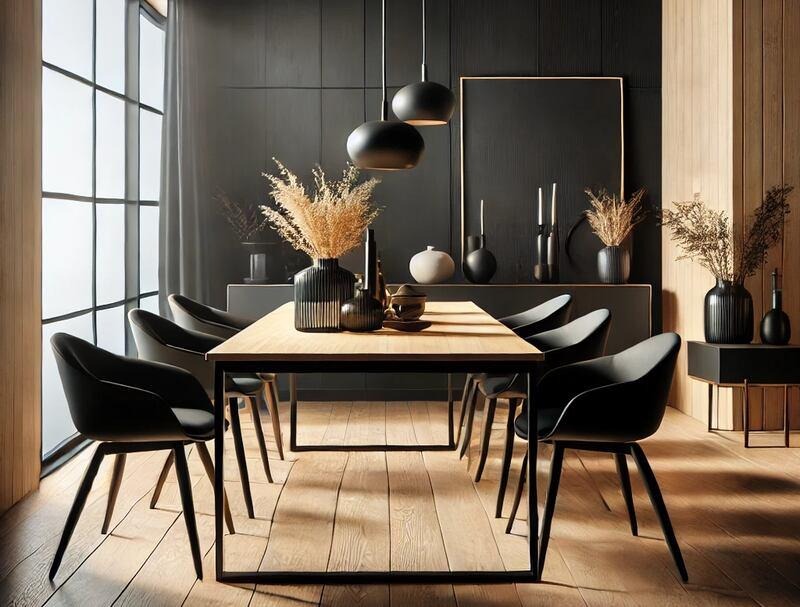
Black and wood is a striking combination for a modern dining room. Natural wood introduces warmth, while black accents provide contrast and definition. Consider a wooden dining table with black metal legs, dark dining chairs, or a black pendant light. Keep the balance between light and dark elements so the room maintains a welcoming atmosphere. If the space has limited natural light, use lighter wood tones and reflective surfaces to prevent the room from feeling overly heavy. This design works particularly well in contemporary, industrial, and modern farmhouse interiors. Introduce small black accessories rather than changing every major surface.
13. Create a Dining Room Gallery Wall

A gallery wall is a creative way to personalize your dining room. Display framed artwork, family photographs, botanical prints, or abstract designs that complement your interior. You can create a symmetrical arrangement for a polished appearance or use different frame sizes for an eclectic look. Before hanging the pieces, arrange them on the floor to test the spacing and composition. Keep the artwork at a comfortable viewing height and consider how it relates to the dining table. Choose frames and colors that connect with other elements in the room. A well-planned gallery wall can turn an empty surface into an engaging focal point.
14. Use a Dining Room Sideboard

A sideboard adds both storage and decorative value to a dining room. Use it to store table linens, serving dishes, cutlery, and other dining essentials. The top surface can display a lamp, artwork, decorative vase, or a small collection of accessories. Select a sideboard that complements the dining table without making the room feel crowded. Closed storage helps keep the space organized, while open shelving can display attractive dinnerware. Measure the wall and available walking space before purchasing. A functional sideboard can make hosting easier while giving your dining room a more complete and coordinated appearance.
15. Add a Woven Pendant Light
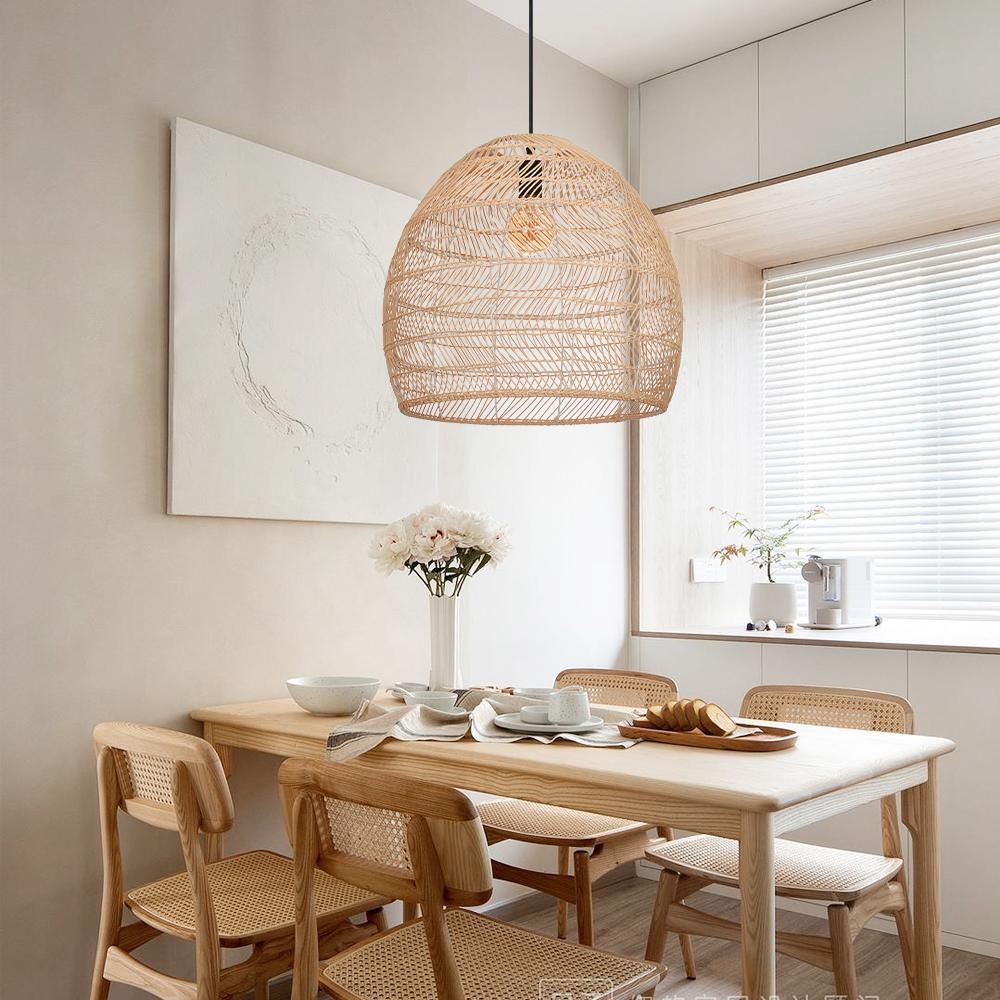
Woven pendant lights introduce texture and a relaxed atmosphere to dining spaces. Materials such as rattan, bamboo, and woven fibers work well with natural wood furniture and neutral colors. The light fixture can become a central decorative feature without overwhelming the room. Choose a shade size that suits the dining table and ceiling height. Consider the light distribution, as some woven shades create patterns of light and shadow. For a cohesive design, repeat natural textures through baskets, placemats, or chair details. Make sure the fixture is installed according to the manufacturer’s instructions and appropriate for its intended location.
16. Decorate With Seasonal Table Centerpieces
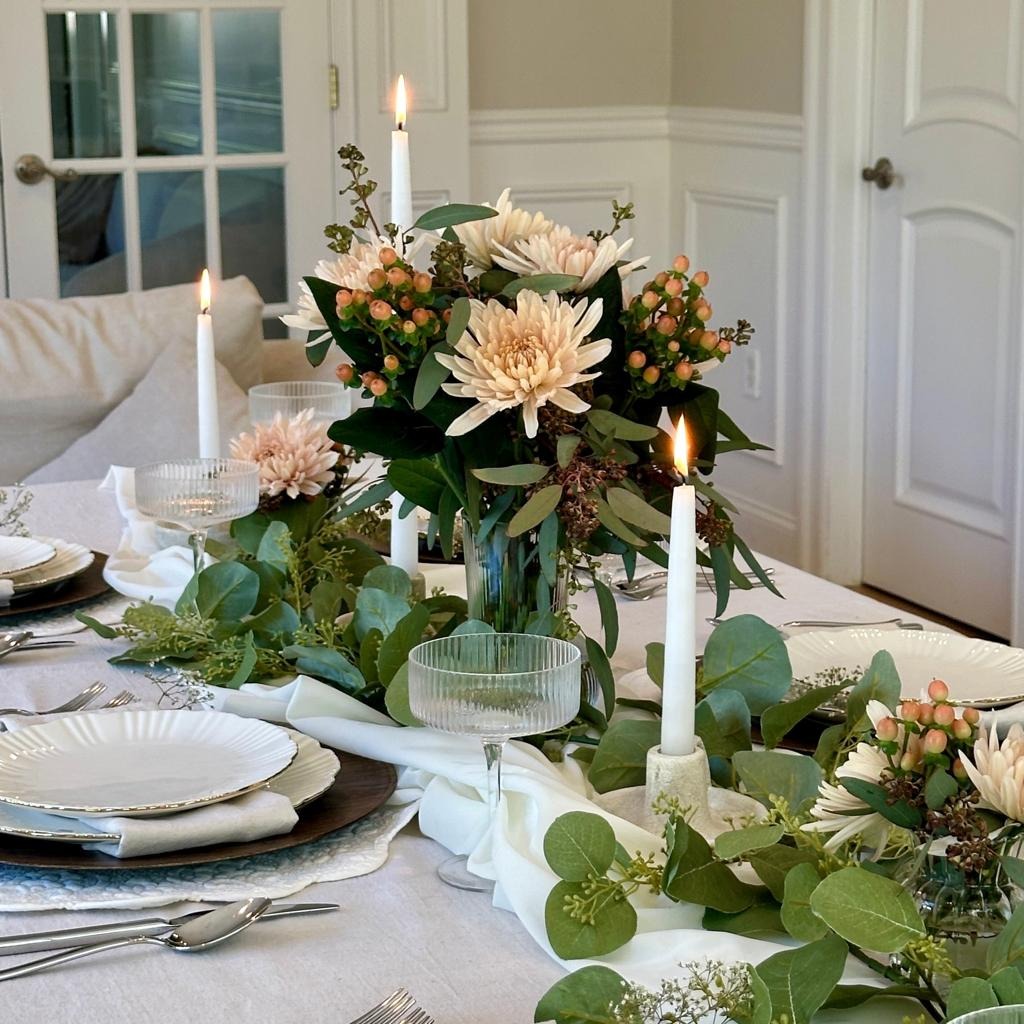
A seasonal centerpiece is an easy way to refresh your dining room throughout the year. Use fresh flowers in spring, leafy branches in summer, warm foliage in autumn, and simple evergreen arrangements during winter. You can also use candles, ceramic bowls, or decorative trays to create different compositions. Keep the centerpiece proportional to the table and avoid blocking people’s view across the dining area. Choose materials that are safe for the surrounding environment, particularly when using open flames. Rotating small decorative elements allows you to update the room’s appearance without replacing major furniture pieces.
17. Choose an Open-Concept Dining Layout
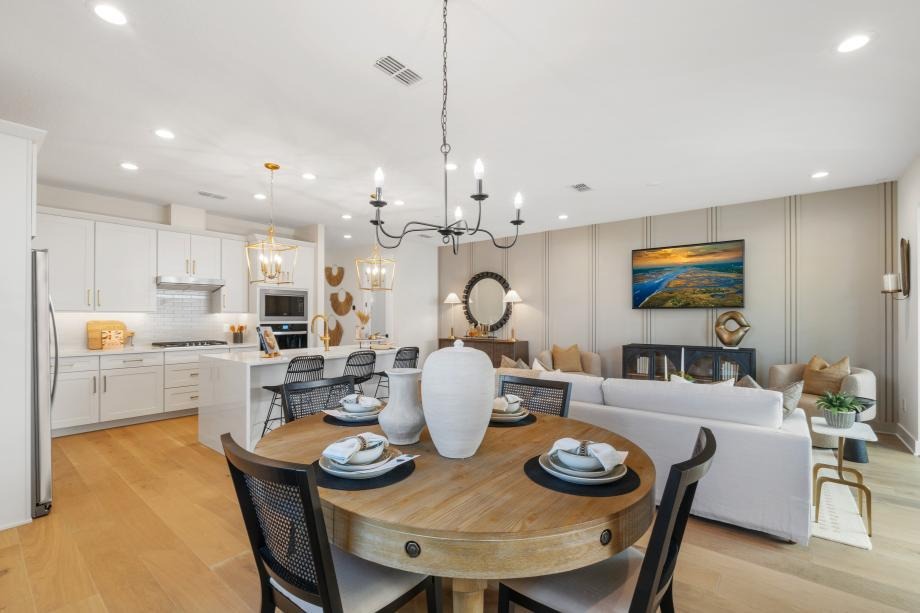
An open-concept dining area connects the dining room with the kitchen or living room. To create a cohesive appearance, use colors, materials, and lighting that complement the surrounding spaces. A dining table can define the eating zone without requiring a physical wall. An area rug, pendant light, or sideboard can help establish visual boundaries. Make sure the layout preserves clear walking paths between the kitchen, dining table, and living area. Choose furniture that matches the scale of the entire open space. A coordinated design makes the rooms feel connected while allowing each area to serve its own purpose.
18. Add Wall-Mounted Dining Shelves

Wall-mounted shelves provide a practical way to display decorative items in a dining room. Use them to showcase ceramics, framed artwork, cookbooks, or small plants. Floating shelves work well in compact spaces because they use vertical wall area without taking up floor space. Arrange items with a mixture of heights, textures, and shapes for a balanced appearance. Avoid overcrowding the shelves, as too many objects can create visual clutter. Install the shelves securely and choose appropriate mounting hardware for the wall and intended load. This dining room decor idea combines storage, personality, and visual interest.
19. Design a Scandinavian Dining Room
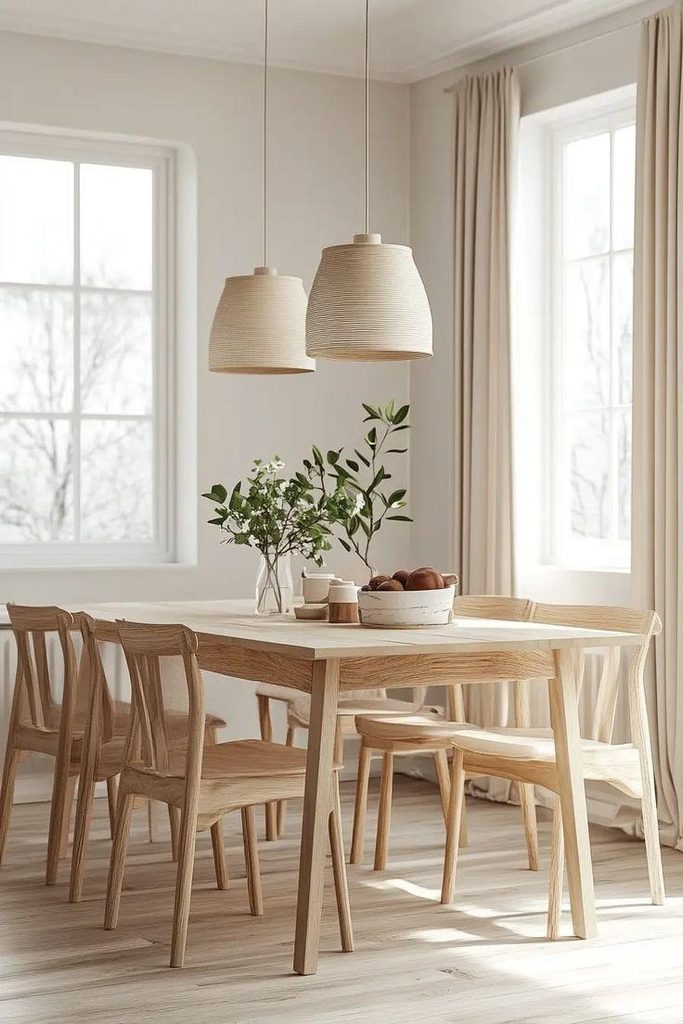
Scandinavian dining room design emphasizes simplicity, natural materials, and everyday comfort. Light wood furniture, soft textiles, and neutral colors create a clean yet welcoming atmosphere. Choose a functional dining table with comfortable chairs and keep accessories purposeful. White walls, pale wood, and gentle lighting can help the room feel bright. Introduce warmth through woven placemats, textured cushions, and subtle decorative objects. The key is to maintain balance between simplicity and comfort. Scandinavian-inspired dining rooms can work in both small apartments and spacious homes when furniture is selected according to the room’s size.
20. Use a Bold Accent Wall
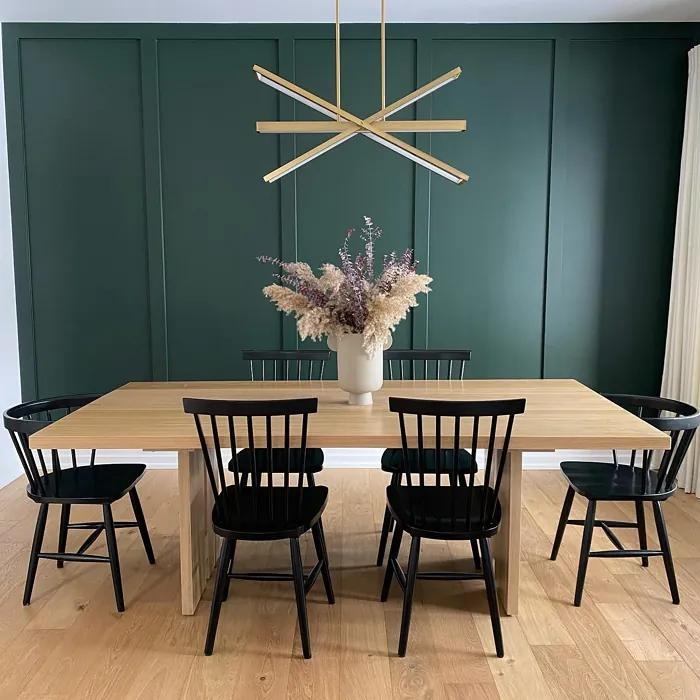
An accent wall can give your dining room a distinct personality. Choose a paint color, wallpaper pattern, or textured wall finish that complements the rest of the space. Deep green, muted blue, warm terracotta, and charcoal are examples of shades that can create visual impact. If the room is small, consider how the wall color interacts with natural and artificial lighting. You can keep the remaining walls lighter to maintain balance. Position artwork, a mirror, or a sideboard against the accent wall to emphasize its design. Test paint samples before making a final decision.
21. Incorporate Natural Wood Wall Decor

Natural wood wall decor can add warmth and texture to a dining room. Options include wood paneling, carved wall art, framed wooden pieces, and reclaimed timber accents. Choose an approach that complements the existing flooring and furniture. Wood wall treatments can become a focal point behind a dining table or sideboard. In smaller rooms, consider using wood on one wall rather than covering every surface. Pair wooden details with soft lighting and neutral textiles for a balanced appearance. If you use reclaimed materials, ensure they are properly prepared and suitable for indoor installation.
22. Create a Cozy Breakfast Nook

A breakfast nook offers a comfortable spot for casual meals, coffee, and family conversations. Position a small table near a window or in an unused kitchen corner when the layout allows. Add a bench with cushions on one side and chairs on the other to make efficient use of space. Round and rectangular tables can both work, depending on the available area. Choose easy-to-clean upholstery and durable surfaces for everyday use. Natural light, simple artwork, and a small plant can enhance the atmosphere. A thoughtfully designed breakfast nook can add function without requiring a separate formal dining room.
23. Add Elegant Dining Table Linens
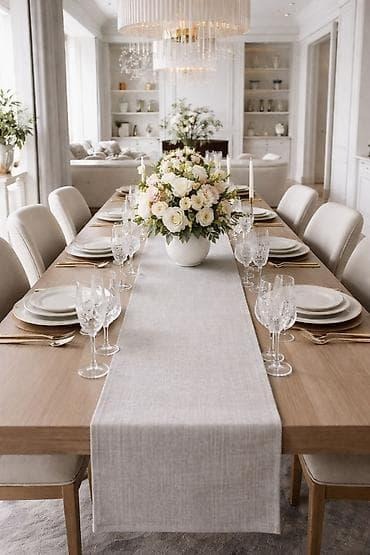
Table linens can enhance the appearance of a dining room while protecting the table surface. Choose a runner, placemats, or fabric napkins in colors that complement your furniture and overall decor. Linen and cotton create a relaxed appearance, while more structured fabrics can support formal table settings. Use a simple runner for everyday meals and layer additional pieces when entertaining guests. Select washable materials that suit your cleaning preferences. Avoid adding too many patterns at once. Coordinated textiles can introduce color and texture without requiring permanent changes to the dining room.
24. Design a Small Dining Room Efficiently

Small dining rooms benefit from careful furniture selection and thoughtful space planning. Choose a table that fits the room’s dimensions and allows people to move comfortably around it. Slim chairs, benches, and extendable tables can provide flexibility when space is limited. Use vertical wall decor and compact storage to reduce clutter on the floor. Mirrors and light colors may help create a more open visual appearance. Measure the entire room before purchasing furniture, including doorways and walking paths. The goal is to create a dining space that feels comfortable and functional rather than filling every available area.
25. Combine Modern and Vintage Decor
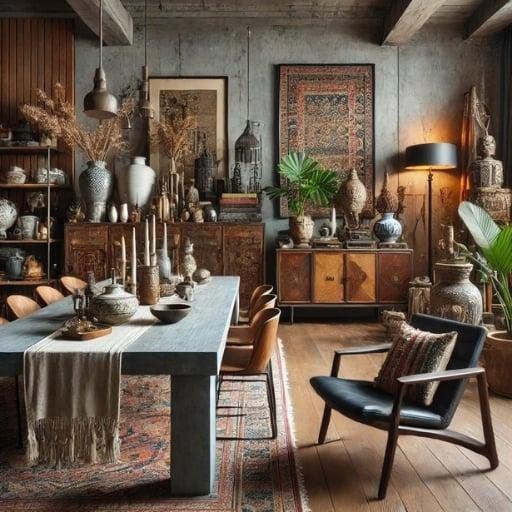
Combining modern and vintage elements can give your dining room a distinctive character. Pair a contemporary dining table with vintage-inspired chairs, an antique mirror, or traditional artwork. Use a consistent color palette to connect pieces from different design periods. A modern light fixture can add contrast to an older wooden sideboard, while classic ceramics can soften a contemporary setting. Avoid adding too many unrelated styles, as this can make the room feel disorganized. Instead, select a few meaningful pieces and allow them to complement the primary design. This approach creates a dining room with personality and visual depth.
26. Use Soft and Layered Lighting

Layered lighting can make your dining room more comfortable at different times of day. Combine overhead lighting with wall sconces, table lamps on a sideboard, or indirect accent lighting where appropriate. Use brighter illumination for cleaning and everyday activities, then adjust the lighting for relaxed evening meals. Warm-toned bulbs may create a cozy atmosphere, but the ideal color temperature depends on personal preference and the room’s use. Install dimmers when compatible with your fixtures and electrical system. A well-planned lighting scheme adds depth and makes the dining room feel more inviting.
27. Add a Built-In Dining Bench
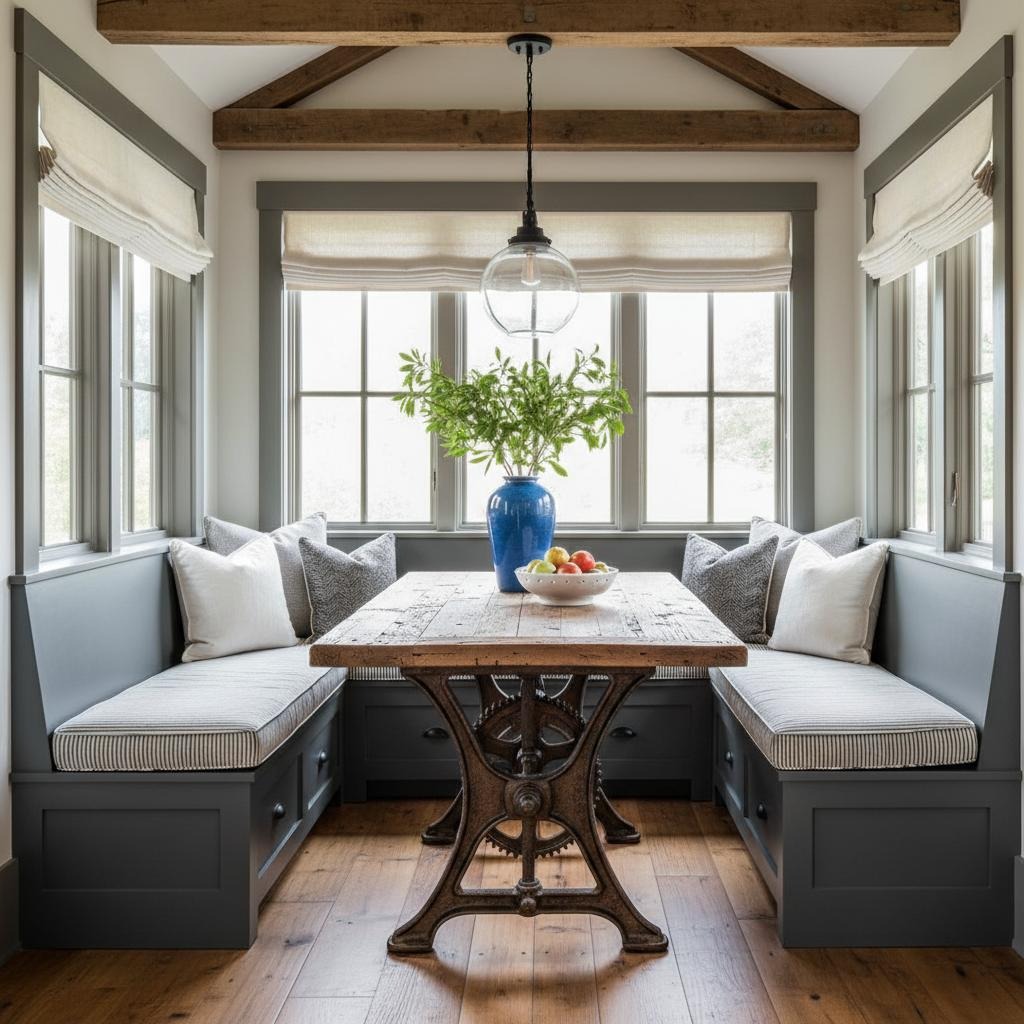
A built-in dining bench can make efficient use of wall space and create a comfortable seating arrangement. It works especially well in dining nooks, breakfast areas, and open-plan homes. Add cushions for comfort and choose upholstery that suits the room’s practical needs. A bench can accommodate different seating arrangements, but its dimensions should be planned carefully to ensure adequate legroom and table access. Pair it with individual chairs on the opposite side for flexibility. If you are planning a permanent installation, consider access to nearby windows, doors, and storage before construction.
28. Decorate With Elegant Artwork

Artwork is an effective way to express your style in the dining room. A large abstract painting, botanical print, landscape, or textured wall piece can become the focal point of the space. Choose artwork that complements the room’s colors without matching every element exactly. Hang the piece at a suitable height and ensure it is properly secured. For a smaller dining room, one large artwork may create a cleaner appearance than several small pieces. Consider the lighting and viewing angle so the artwork remains enjoyable during both daytime and evening meals.
29. Create a Rustic Dining Room

Rustic dining room decor uses natural textures and materials to create a relaxed, inviting atmosphere. A reclaimed wood table, woven accessories, ceramic pieces, and simple lighting can help establish the look. Choose finishes that highlight the natural character of the furniture. Neutral wall colors and warm textiles can soften the space and make it feel comfortable. Rustic design does not require every element to be distressed or heavily decorated. Mix practical modern pieces with natural materials for a balanced result. Ensure that the table and chairs are sturdy and comfortable for everyday dining.
30. Use Coordinated Dining Room Curtains

Curtains can add softness, privacy, and visual warmth to a dining room. Linen-look fabrics create a relaxed appearance, while heavier curtains can provide more light control and insulation. Select a color that works with the walls, flooring, and furniture. Hanging curtains closer to the ceiling may emphasize the room’s height, depending on the window arrangement. Keep the fabric away from open flames, heating equipment, and areas where it could become a safety hazard. Choose a curtain length and mounting method that suit the window and your maintenance preferences. Well-coordinated window treatments can complete the dining room design.
31. Add a Stylish Bar Cabinet
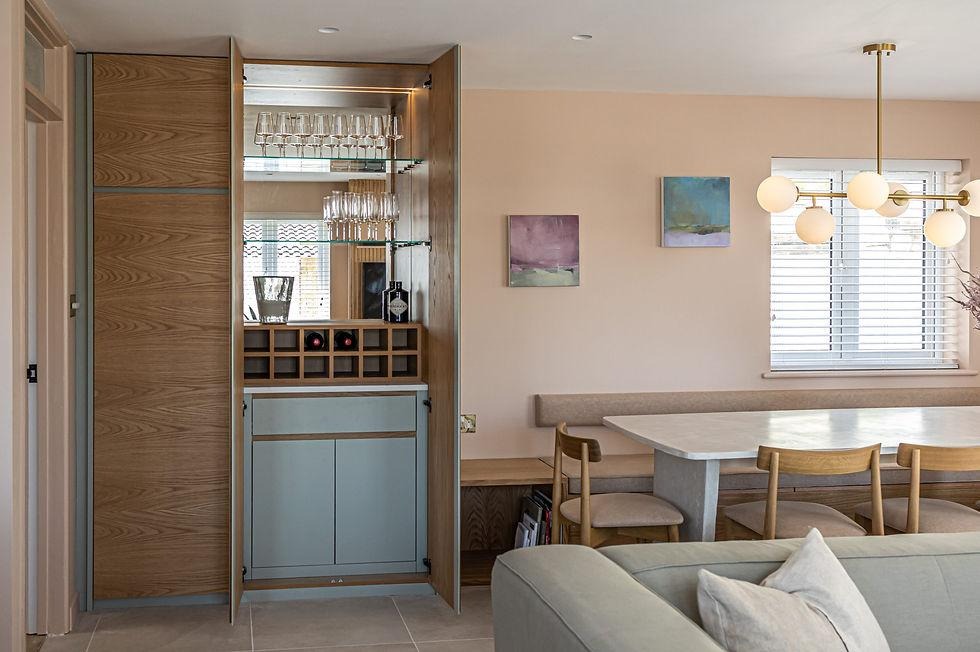
A bar cabinet can provide additional storage and a decorative feature in a dining room. Use it to organize glassware, serving accessories, table linens, or other items that fit your household’s needs. Choose a cabinet with a design that complements your dining table and sideboard. Glass doors can display attractive items, while closed compartments keep everyday supplies out of sight. Measure the cabinet’s footprint carefully to preserve walking space. If the cabinet includes lighting or electrical components, follow the manufacturer’s safety requirements. A well-chosen storage cabinet can support entertaining while keeping the dining room organized.
32. Personalize Your Dining Room With Meaningful Decor
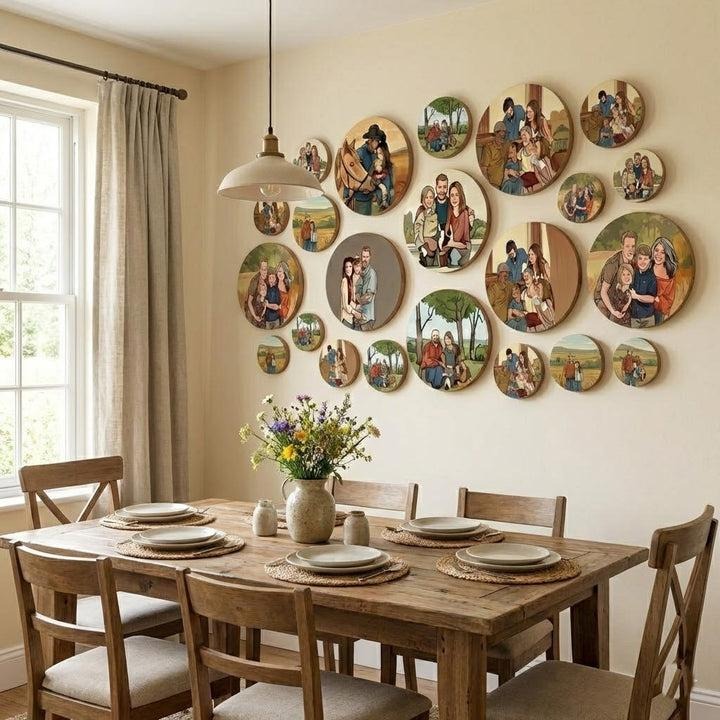
The most welcoming dining rooms often include details that reflect the people who use them. Display family photographs, handmade ceramics, travel souvenirs, or artwork that has personal meaning. These elements can make the space feel more authentic and comfortable. Choose a few meaningful pieces rather than covering every surface. You can also personalize the dining table with favorite colors, seasonal arrangements, or special tableware. Make sure decorative objects do not interfere with everyday meals or create unnecessary clutter. A dining room should reflect your lifestyle and support the moments you want to share with family and friends.
How to Choose the Right Dining Room Decor Style
Choosing a dining room style becomes easier when you consider your home’s architecture, daily routine, and personal preferences. Start by identifying the atmosphere you want to create. Do you prefer a modern, minimalist, rustic, farmhouse, or traditional interior?
Consider these factors before decorating:
- Room size: Select furniture that fits comfortably without blocking movement.
- Color palette: Choose complementary shades for walls, furniture, and accessories.
- Lighting: Use fixtures that provide suitable illumination and match your style.
- Functionality: Think about storage, cleaning, and how often you host guests.
- Materials: Choose durable surfaces and fabrics appropriate for everyday use.
- Personal style: Include artwork and decorative details that feel meaningful to you.
A successful dining room balances appearance with practical comfort. Instead of following every trend, focus on elements that will remain useful and enjoyable over time.
Tips for Making Your Dining Room More Welcoming
A welcoming dining room does not require an expensive renovation. Small improvements can make the space feel more comfortable and coordinated.
Start with a clean layout: Ensure there is enough room to pull out chairs and walk around the table.
Improve the lighting: Use a suitable overhead fixture and consider dimmable lighting for flexibility.
Add texture: Introduce linen, wood, woven materials, and soft upholstery to create visual warmth.
Keep the table practical: Use a centerpiece that adds beauty without interfering with meals or conversations.
Organize dining essentials: Store tableware, linens, and serving items where they are easy to access.
Reflect your personality: Add a few decorative pieces that make the room feel like your own.
These changes can improve the everyday dining experience while supporting a more cohesive interior design.
Common Dining Room Decorating Mistakes to Avoid
Even beautiful decor can become impractical if the room is not planned carefully. Avoid selecting furniture based only on appearance without considering its size and comfort. An oversized table can restrict movement, while chairs that are uncomfortable may discourage long meals.
Another common mistake is using too many decorative objects. A crowded table or overfilled sideboard can make the space feel disorganized. Instead, select a small number of coordinated accessories.
Lighting is also important. A fixture that is too dim or positioned incorrectly may reduce comfort during meals. Consider the table’s size, the ceiling height, and the room’s natural light before choosing lighting.
Finally, avoid using delicate materials everywhere if the dining room receives frequent use. Durable, easy-to-clean surfaces can help your decor remain attractive and practical.
Frequently Asked Questions About Dining Room Decor
1. How can I make my dining room look more welcoming?
Use comfortable seating, warm lighting, coordinated colors, and a simple centerpiece. Keep the layout open enough for easy movement and add personal touches through artwork or decorative objects.
2. What colors work well in a dining room?
Neutral shades, warm earth tones, soft greens, muted blues, and classic white can all work well. Choose colors based on the room’s natural light, size, and existing furniture.
3. How do I decorate a small dining room?
Choose appropriately sized furniture, use vertical wall decor, and consider round or extendable tables. Keep the room organized and preserve sufficient space for comfortable movement.
4. What should I place in the center of a dining table?
A vase of flowers, a decorative bowl, a candle arrangement, or a simple tray can make a beautiful centerpiece. Choose an arrangement that does not block conversations or interfere with meals.
5. How do I choose a dining room chandelier?
Consider the dining table’s size, the room’s dimensions, and the desired lighting level. Select a fixture that complements your decor and is installed at an appropriate height according to safety and installation guidance.
6. Is a rug suitable under a dining table?
Yes. A properly sized rug can add texture and define the dining area. Choose a durable, low-pile or flat-weave option that allows chairs to move easily.
Final Thoughts on Beautiful Dining Room Decor Ideas
Creating a welcoming dining room is about finding the right balance between style, comfort, and functionality. Whether you prefer modern farmhouse furniture, minimalist colors, rustic textures, or elegant lighting, the best design choices are those that suit your home and daily lifestyle.
From adding a statement chandelier to choosing a comfortable dining table, small details can make a meaningful difference. You do not need to change everything at once. Begin with the most important elements, such as furniture placement, lighting, and color, then introduce accessories gradually.
Use these 32 beautiful dining room decor ideas as inspiration for designing a space where family and friends can enjoy meals, conversations, and memorable moments. With thoughtful planning and a personal touch, your dining room can become one of the most inviting areas in your home.


Post Comment